
Minowa is a Kamakura Japanese sweets cafe that belongs to the city’s quieter tea-and-wagashi circuit rather than its higher-priced dining tier. Its Tabelog 100 selection for Japanese traditional sweets and sweets cafe in EAST 2023 gives it a clear quality signal, while the setting in Sasuke suits travelers looking beyond temple-adjacent snacking.
Pearl is the En Primeur Club membership app — saves, bookings, and concierge access live there. Same editors, same standards.
- Address
- 2 Chome-6-1 Sasuke, Kamakura, Kanagawa 248-0017, Japan
- Phone
- +81 467-22-0341
- Website
- kamakura-minowa.com
- Directions
- Get directions
 Saves & bookings on Pearl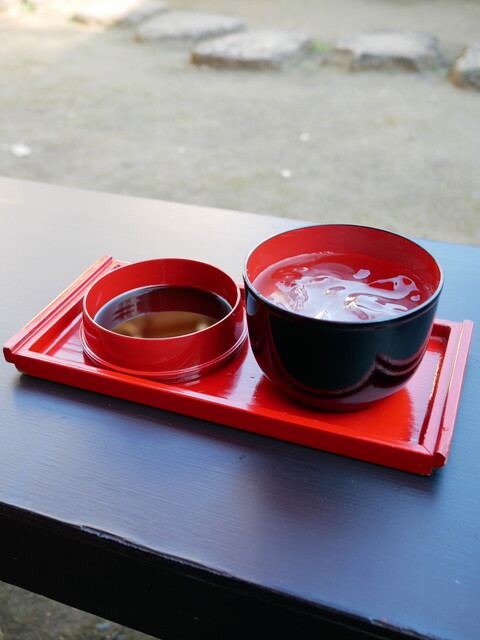
Approaching Sasuke, Kamakura feels less like a day-trip checklist and more like a town of pauses: lanes soften, the pace thins, and sweets cafes set the rhythm between shrines, residential streets, and the station area. Minowa belongs to a Japanese tradition defined not by abundance but calibration: bean paste, rice flour, tea, seasonality, and texture in balance. For travelers used to Tokyo dessert counters or Kyoto ceremonial tea rooms, Kamakura wagashi feels smaller and more local, shaped by walking routes and afternoon timing rather than destination-dining theatre.
That distinction matters. Kamakura has serious higher-spend restaurants, from Mi Casa and Salmanje de Yoshino to Koga Tei, but its sweets culture works on another scale. A cafe featuring Japanese traditional sweets asks for a shorter visit, a narrower order, and closer attention to ingredients. Red bean, agar, mochi, matcha, roasted soybean flour, and seasonal fruit, when used, need sourcing discipline and restraint, not luxury framing. Minowa’s inclusion in the Tabelog 100 for Japanese traditional sweets and Japanese sweets cafe, EAST 2023, places it in that exacting sweets category rather than the general cafe crowd.
Kamakura wagashi is about restraint, sourcing, and the afternoon table
Visitors often misread Japanese sweets as a light add-on after lunch. In Kamakura, they are a parallel dining culture. The city’s temple routes, coastal light, and older residential pockets support tea rooms and sweet shops where ingredients carry the argument: azuki should be clean rather than heavy, rice-based textures elastic without becoming dense, and sweetness measured against tea rather than Western pastry. The category rewards quiet technical control, not spectacle.
Minowa’s format fits that logic. The category listing identifies it as both a cafe featuring Japanese sweets and a Japanese traditional sweets shop, signaling a sit-down experience rather than simple takeaway. The appeal is not a chef-led narrative or long menu arc, but the older grammar of wagashi served in a room designed for slowing down. The open terrace and view matter because this style depends on tempo. A sweet that vanishes in two minutes on a crowded street reads differently with tea, quiet conversation, and an exterior view.
Ingredient sourcing is the invisible hierarchy here. Wagashi may look modest, but small shifts in bean quality, rice flour handling, water, and tea selection change the experience. Kamakura’s better sweets addresses resist over-decoration, letting texture and temperature do more work. That separates the category from Western-style pastry in town, where butter, laminated dough, chocolate, and oven work define pleasure. For that side of Kamakura, nearby editorial context includes Bergfeld Kamakura honten, CALVA, and Cabbage Batake. Minowa sits on the Japanese side of that divide.
Why this small-format sweets cafe belongs in the serious Kamakura conversation
The Tabelog 100 recognition helps identify a venue type that rarely fits Western award logic. Michelin and fine-dining lists privilege tasting menus, wine service, and chef-driven restaurants. Japan’s sweets cafes require another reading: reliability, narrow specialization, local confidence, and enough regular demand to survive outside major urban dessert circuits. A Tabelog score of 3.63 adds a measurable signal, but the stronger point is categorical. Minowa is not judged against brasseries, sushi counters, or coffee shops; it is sorted among Japanese traditional sweets specialists in eastern Japan.
The Kamakura comparison is instructive. Sabou Kirara operates in a similar spending band, while Mi Casa, Salmanje de Yoshino, and Koga Tei are restaurant occasions with much larger budgets. The question is not which venue is superior, but what kind of afternoon the traveler is building. A full meal can anchor a Kamakura day. A sweets cafe changes its rhythm, creating a deliberate stop between temples, shopping streets, and the station. For a city often compressed into a few sightseeing hours from Tokyo, that pause is the point.
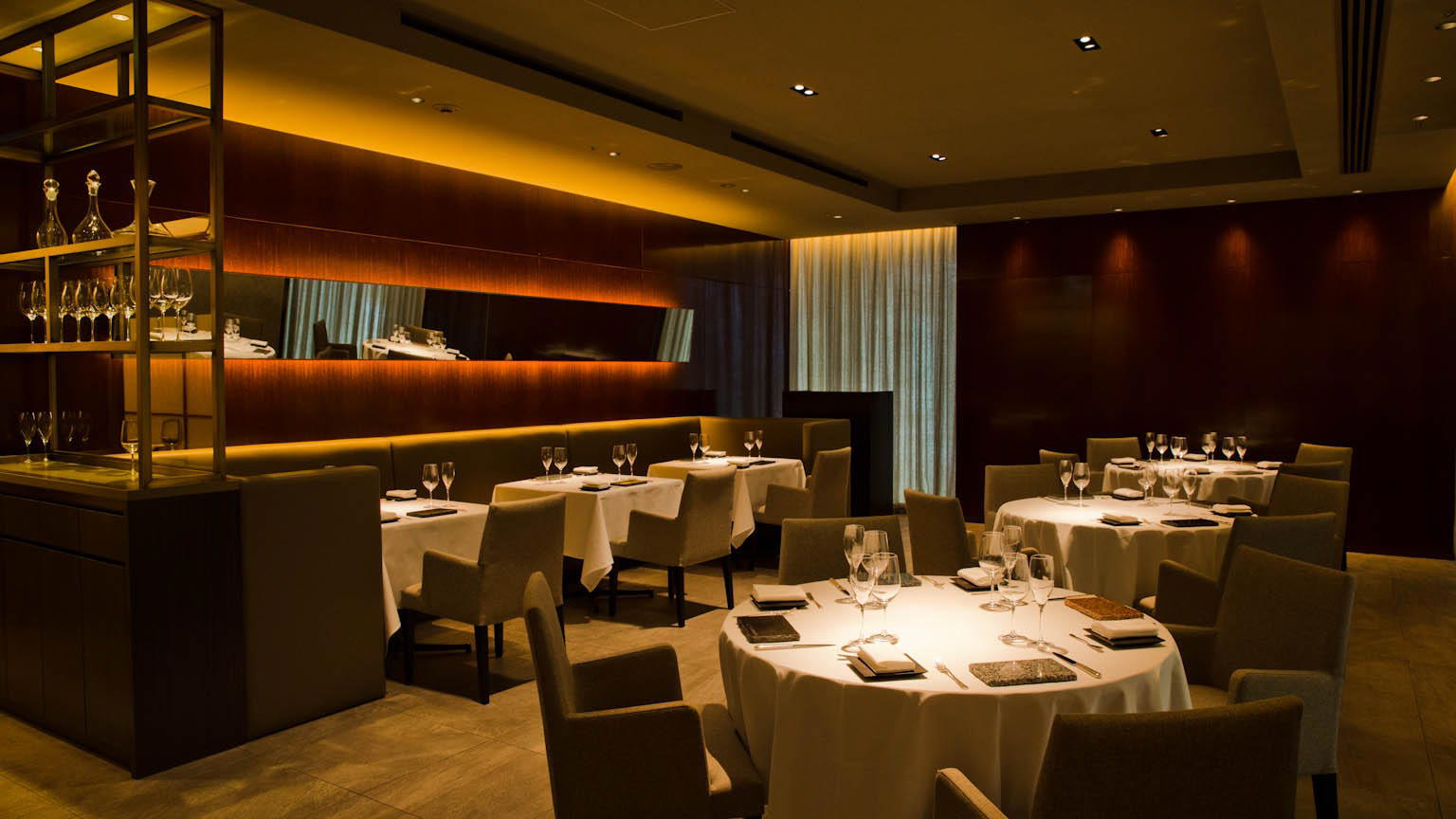
Room matters because Kamakura crowds can punish casual eating. A relaxing space with an open terrace offers a different proposition from snack windows around tourist routes. The absence of private rooms and private-use service keeps expectations grounded: this is not a controlled luxury environment and should not be approached like a high-end kaiseki reservation. It is a small sweets address with a clear category identity, better suited to a light meeting, slow tea break, or focused wagashi stop than a celebratory meal.
For broader planning, place it inside a Kamakura food day rather than treating it as an isolated destination. Coffee-focused readers may also look at Cafe Vivement Dimanche, while contemporary Japanese dining context sits elsewhere, including arbre noir YAKUMI. The complete city view is easier through Our full Kamakura restaurants guide, with adjacent planning in Our full Kamakura hotels guide, Our full Kamakura bars guide, Our full Kamakura wineries guide, and Our full Kamakura experiences guide.
How to read it against Japan's wider cafe and casual dining map
Japan’s casual dining culture is highly regional, and a Kamakura wagashi cafe has little in common with urban formats in bigger cities. Tokyo casual traffic can lean toward counter grilling and commuter dining, as seen in. 鮪と炭火焼き うお炭 秋葉原店 in Tokyo. Osaka cafe culture has its own density and pace, represented separately by.cafe in Osaka. Regional specialists such as.know in Kumamoto, (Shoku) Vietnam in Kawasaki, [Curry Senmon Ten] Maruyama Kyoju. in Sapporo, and [ki:] in Kyoto show how specific Japanese dining becomes once the category narrows.
Kamakura’s sweets culture deserves that same specificity. It is not merely dessert after sightseeing, but a local expression of Japanese ingredient discipline, scaled for an afternoon room rather than formal dinner. International readers may connect that logic to Japanese-format venues abroad, from Jōdo Saké Bar in Los Angeles to Onigiri Time in Pasadena, but Kamakura’s version is quieter and more place-bound. Minowa earns attention by keeping the frame narrow: traditional sweets, tea-room pacing, and a setting that lets the ingredients do the work.
A Quick Peer Check
Nearby venues at a similar price tier for orientation.
| Venue | Cuisine | Price | Notes |
|---|---|---|---|
| MinowaThis venue — the venue you are viewing | Traditional Japanese sweets & tea cafe | $ | Not listed |
| Nagon Shiruko Ten | Japanese Sweets Cafe | $ | Kamakura |
| Chikara Mochi Ya | Traditional Kamakura wagashi & mochi shop | $ | Kamakura |
| OXYMORON komachi Komachi | Japanese-style spice curry & café | $$ | Kamakura |
| Les Anges Kamakura honten | French-style patisserie & dessert café | $ | Kamakura |
| Taiyaki Namihei | Traditional Japanese taiyaki & vegan-friendly bakery | $ | Kamakura |
Recognition history
Dated appearances from independent guides and award organizations, with the underlying list record or original source where available.
Tabelog 100 #9 · No. 9
Tabelog · Tabelog 100 - Japanese traditional sweets / Japanese sweets cafe - EAST - 2023









At a Glance
- Cozy
- Classic
- Quiet
- Solo
- Casual Hangout
- After Work
- Brunch
- Standalone
Current opening hours
- Monday
- Closed
- Tuesday
- Closed
- Wednesday
- 10:15 AM–4 PM
- Thursday
- Closed
- Friday
- Closed
- Saturday
- 10:15 AM–4 PM
- Sunday
- Closed
Hours can change for holidays and private events. Last verified .
Calm and nostalgic tearoom atmosphere with a classic, slightly old-fashioned interior where guests slowly enjoy handmade Japanese sweets in a quiet residential setting.