
Yanagibashi Wa nico is a Nagoya ramen counter in the Meieki orbit, selected for Tabelog 100 - Ramen - AICHI - 2025. Its appeal sits in the modern Japanese ramen register: local dining rhythms, compact seating, and a price band that keeps it closer to everyday craft than ceremony.
Pearl is the En Primeur Club membership app — saves, bookings, and concierge access live there. Same editors, same standards.
- Address
- 愛知県名古屋市中村区名駅4-13-11 2F
- Website
- tabelog.com
 Saves & bookings on Pearl
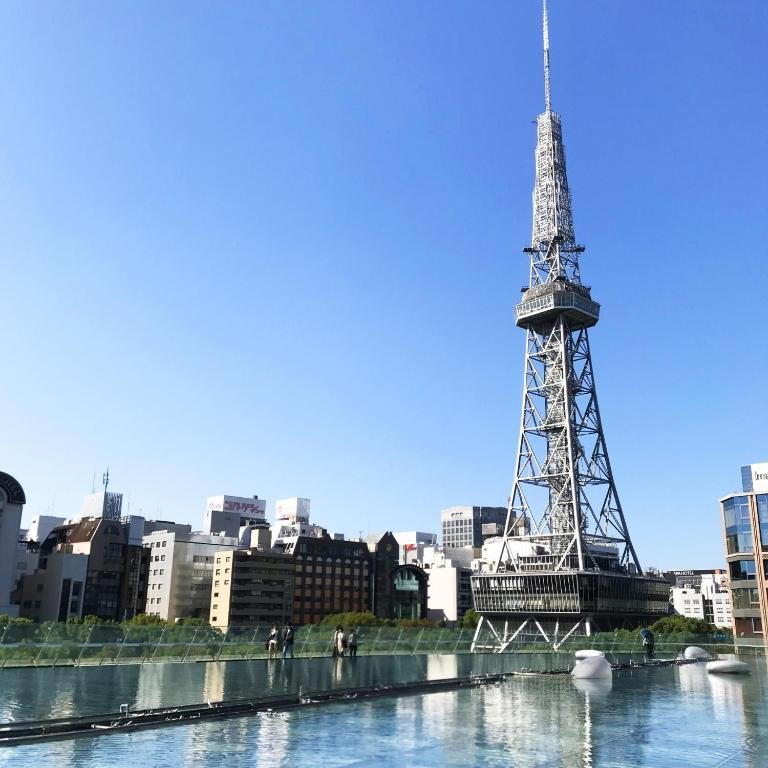
The approach to a second-floor ramen room near Nagoya Station changes the tempo of the meal before a bowl arrives. Meieki is built for movement: rail commuters, office workers, market-side drinkers, and travelers crossing the city with luggage in hand. In that setting, ramen has a different job from a tasting-menu restaurant. It has to be precise without slowing the room down, local enough to reward attention, and accessible enough to survive repeat visits.
Yanagibashi Wa nico belongs to that Nagoya category: compact, urban, and close to the station’s daily churn rather than set apart as a destination dining room. Its selection for Tabelog 100 - Ramen - AICHI - 2025 matters because ramen in Aichi is not judged only by novelty. The stronger addresses tend to prove their point through broth structure, noodle handling, and seasoning discipline, then let the room turn quickly. This is where local ingredients and broader Japanese technique meet: not as a manifesto, but as a bowl built for a city that eats efficiently and pays attention.
Nagoya ramen near Meieki has to compete on clarity, not ceremony
Nagoya’s central-station dining zone can be punishing for restaurants. Proximity brings foot traffic, but it also exposes weaker cooking quickly. Ramen shops in this area sit beside yakiniku, izakaya, coffee, regional specialties, and late-night drinking rooms; the format survives because it offers a short, high-focus meal with a clear value proposition. A small ramen room has fewer ways to hide inconsistency than a larger restaurant. The broth, tare, noodles, and service rhythm carry the whole argument.
That is the useful frame for Yanagibashi Wa nico. It is not competing with high-spend beef rooms such as Yakiniku & Teuchi Korean Cold Noodles Jiro Yanagibashi ten or Yanagibashi Yakiniku Waniku, where the meal is built around time, table space, and larger budgets. It sits closer to the compact ramen tier that includes Chuka Soba Taiga and Ramen Rikimaru, where value and execution are judged in narrower margins. Kiwami occupies a different price rhythm at night, which makes the contrast sharper: near Nagoya Station, the same neighbourhood can support both quick noodle counters and longer-form dining within a few blocks.
The Tabelog 100 Aichi ramen selection gives the room a credible public signal without turning it into a luxury proposition. In Japan, Tabelog’s Hyakumeiten lists are especially useful for categories such as ramen, where Michelin coverage captures only part of the conversation and local repeat traffic often says more than international attention. A score of 3.59 places it in the serious local-discussion zone, where small differences in broth balance and noodle texture can affect reputation.
The room format suits solo bowls, small groups, and the station schedule
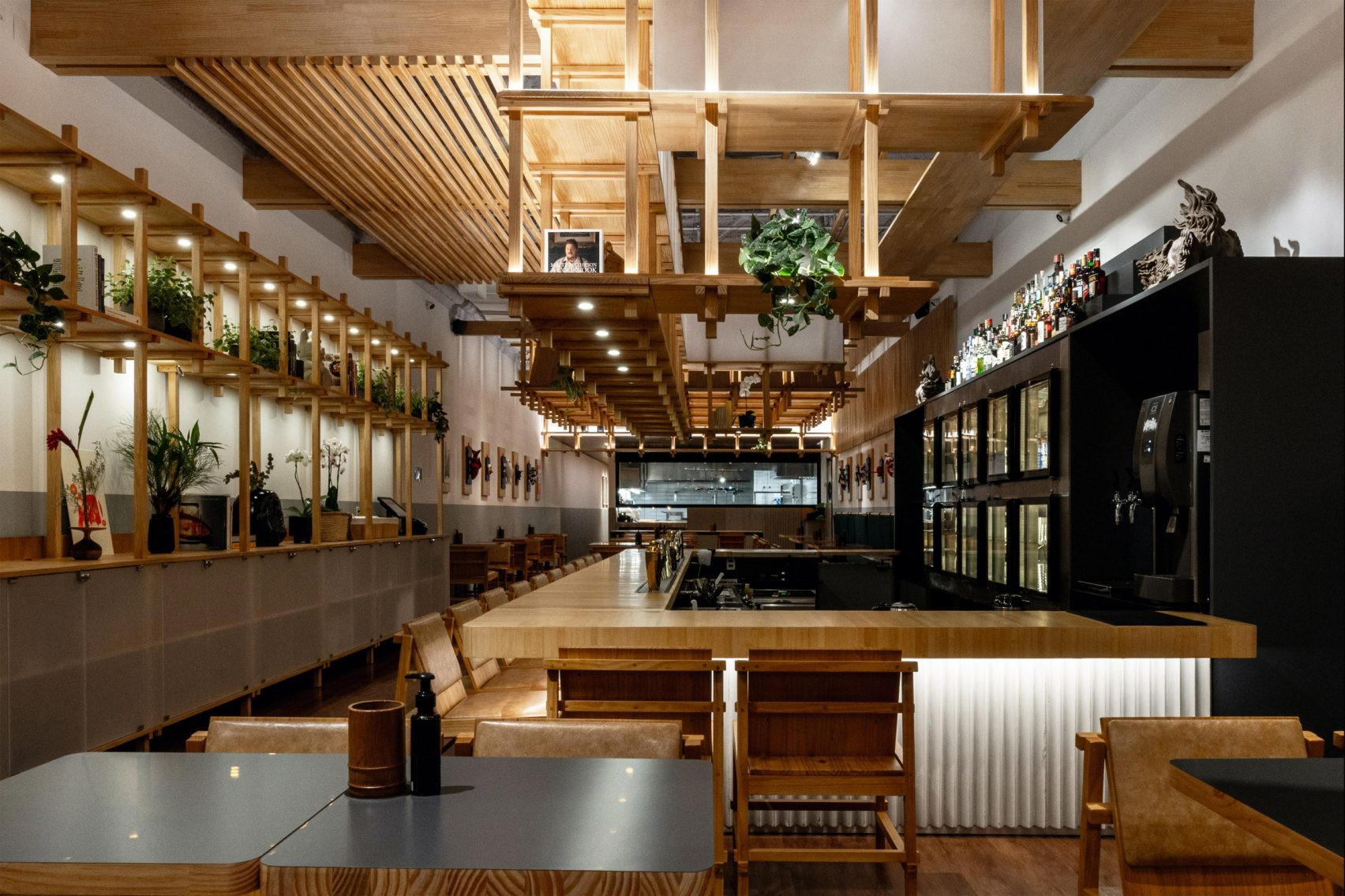
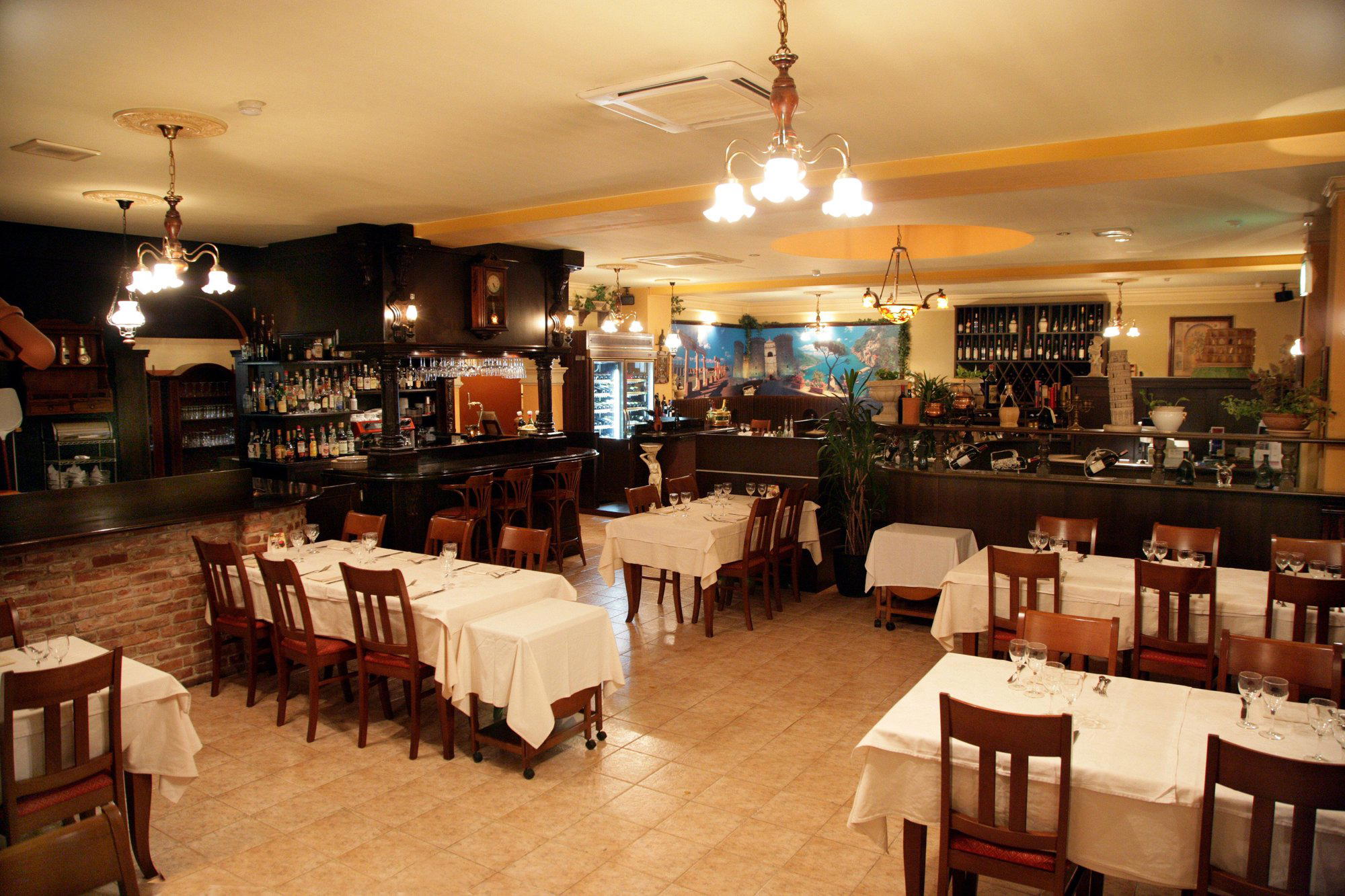
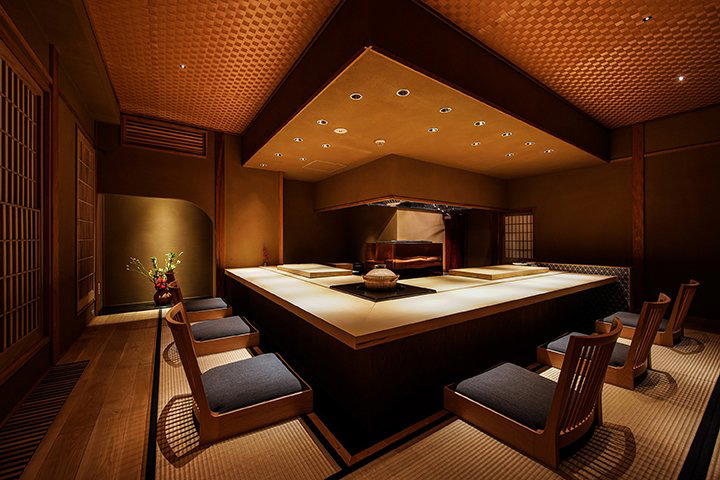
The physical format tells readers how to use the place. Twenty seats, counter seating, sofa seating, and private rooms for two, four, or six create a more flexible ramen setting than the single-file counter stereotype. That matters in Nagoya, where station-area meals often happen between trains, after work, or with family members who do not want a cramped standing-line experience. Children are welcome, and the room is non-smoking, both practical signals for travelers treating ramen as an easy meal rather than a specialist pilgrimage.
Drink list also places the shop within a broader Japanese casual-dining pattern. Sake and shochu push it slightly beyond a bare-bones noodle stop, especially for an evening visit, while the ramen category keeps the meal anchored. Imported technique in ramen is often misunderstood as foreign influence; in practice, contemporary shops borrow methods across Japanese regional styles, Chinese noodle ancestry, and modern kitchen control, then apply them to local demand. Nagoya’s audience is direct. A bowl has to make sense at lunch, after work, and late enough for the drinking crowd.
For a wider read on the city, Our full Nagoya restaurants guide maps the dining field beyond ramen, while Our full Nagoya hotels guide, Our full Nagoya bars guide, Our full Nagoya wineries guide, and Our full Nagoya experiences guide help place a meal near Meieki inside a broader itinerary. Readers comparing casual Japanese formats can also scan 1022, 451, Aaron, Alan., and All Day Dining Montmartre for different price and format cues.
How to read its place in a Japanese ramen itinerary
The useful decision is not whether this is a grand occasion restaurant. It is not designed that way. The value is in how it compresses Nagoya’s station-area dining logic into a ramen format with recognition, modest pricing, and enough seating flexibility for more than lone-counter eating. That combination makes it especially relevant for travelers who want a serious local bowl without turning dinner into an extended reservation project.
Japan’s ramen culture rewards repetition, not spectacle. Regional identity appears through small choices: seasoning intensity, broth weight, noodle cut, toppings, and the way a shop handles peak-hour pace. No single bowl can explain Nagoya, but a recognized ramen address near Meieki gives a useful reading of the city’s appetite for technical cooking at everyday scale. The craft is in restraint and repeatability.
For broader Japanese dining comparisons outside Nagoya, the editorial map runs from -Grilled beef Sukiyaki- KAMAKURA TANUKIAN 鎌倉 たぬき庵 in Kamakura to. 鮪と炭火焼き うお炭 秋葉原店 in Tokyo.cafe in Osaka.know in Kumamoto, (Shoku) Vietnam in Kawasaki, and [Curry Senmon Ten] Maruyama Kyoju. in Sapporo. Across the Pacific, Jōdo Saké Bar in Los Angeles and Onigiri Time in Pasadena show how Japanese casual forms translate abroad, often with more explanation and less station-side urgency.
Cost Snapshot
Comparable venues by category and price.
| Venue | Cuisine | Price | Notes |
|---|---|---|---|
| Yanagibashi Wa nicoThis venue — the venue you are viewing | Not listed | $ | Not listed |
| KAKO Yanagibashi ten | Not listed | $ | Nakamura, Japanese Kissaten / Coffee Shop |
| tokyo miso style IKEDA | Nakamura, Tokyo-style miso ramen shop | $ | Not listed |
| Menya Saisakizaka | Naka, Modern Japanese ramen & tsukemen | $ | Not listed |
| Menya Ierou | Nakagawa, Japanese Ramen | $ | Not listed |
| Ramen | Nakagawa, Ramen | $ | Not listed |
Recognition history
Dated appearances from independent guides and award organizations, with the underlying list record or original source where available.
Tabelog 100 #96 · No. 96
Tabelog · Tabelog 100 - Ramen - AICHI - 2025
Continue exploring
More in Nagoya
Restaurants in Nagoya
Browse all →
At a Glance
- Cozy
- Modern
- Solo
- Family
- Casual Hangout
- After Work
- Group Dining
- Late Night
- Standalone
- Private Dining
- Sake Program
- Beer Program
Small, non-smoking ramen shop with around 20 seats, counter and sofa seating, described as a relaxing hideout-style space that feels warm and welcoming for both solo diners and families.