
Minami Indo Katei Ryori Karnataka gives Nagoya’s Indian dining scene a precise, lunch-focused counterpoint to the city’s heavier comfort-food reputation. Its reputation rests on South Indian home-style cooking, curry recognition across multiple Tabelog 100 selections, and a compact room that rewards diners who value format and focus over ceremony.
Pearl is the En Primeur Club membership app — saves, bookings, and concierge access live there. Same editors, same standards.
- Address
- 1809 Yutakagaoka, Meito Ward, Nagoya, Aichi 465-0035, Japan
- Phone
- +81 90-1863-1135
- Website
- masaladosa.jp
 Saves & bookings on Pearl
Meito Ward changes the pace before the meal begins. Away from Nagoya’s station-side towers and department-store dining floors, the approach is quieter and more residential, which suits a kitchen built around South Indian home cooking rather than spectacle. The room is compact, with counter seating and tables close enough to make the service rhythm visible, and that scale matters: this is the kind of Indian restaurant where the argument is made through repetition, heat, rice, lentils, and curry structure, not through theatrical plating or a hotel-dining budget.
Nagoya is often read through miso katsu, hitsumabushi, tebasaki, and kishimen, dishes that lean into local identity with confidence. Indian cooking occupies a different lane in the city: less tied to visitor shorthand, more dependent on neighbourhood regulars, specialist followings, and the credibility of curry culture in Japan. Minami Indo Katei Ryori Karnataka sits inside that second pattern. Its inclusion in Tabelog’s Asian cuisine and Ethnic cuisine EAST “Tabelog 100” 2024 list, after earlier curry and Asian-ethnic selections, gives the place a useful signal: this is not a novelty stop, but part of Japan’s serious, granular ranking culture around curry and regional Asian cooking.
South Indian cooking in a city better known for miso and eel
South Indian food has a different grammar from the north-leaning menus that shaped many early Indian restaurants in Japan. Rice, lentils, fermented batters, coconut, tamarind, and spice tempering sit closer to the centre of the table, while wheat breads and cream-rich curries play a smaller role. That distinction matters for Nagoya diners because the city already understands strong seasoning and rice-led meals; the pleasure here is not unfamiliarity, but a different logic of balance.
The restaurant’s Japanese name, meaning South Indian home cooking, is not decorative branding. It places the cooking in a domestic register, which is why the format reads differently from celebratory curry houses or late-night spice bars. The appeal is in the way a narrow category can feel complete without trying to cover the whole subcontinent. In that sense, the kitchen belongs to a broader Japanese trend: highly specific foreign-cuisine restaurants that succeed by choosing a lane and staying in it.
That specificity also explains why this address belongs in Our full Nagoya restaurants guide rather than only in a curry search. Nagoya’s stronger dining culture is not limited to luxury counters and traditional local dishes; it includes small, category-led rooms where technical repetition becomes the luxury. Compared with Menya Hanzou, which operates in a similarly accessible price tier but within ramen culture, or Senkun'an, which sits in a higher-budget Japanese dining bracket, Karnataka shows how narrow focus can create authority without moving into formal dining.
The sensory point is restraint, not theatre
The sensory register of South Indian cooking is often misunderstood by diners expecting chilli aggression alone. The more interesting tension is between acidity, toasted spice, grain, pulse, and the cooling effects of coconut or yogurt-based elements when they appear. The room’s scale supports that kind of attention. A 15-seat restaurant, with four counter seats and table seating, changes how a meal is perceived: the dining room does not swallow detail, and the kitchen’s cadence becomes part of the atmosphere.
There is also a practical cultural point here. Japan’s curry culture is broad, from yoshoku curry rice to specialist spice curry and regional Indian cooking. Recognition from Tabelog across Curry “Tabelog 100” selections in 2017, 2018, 2019, and 2020, followed by Asian and Ethnic cuisine EAST selections in 2022, 2023, and 2024, places the restaurant at the intersection of those two audiences. Curry followers understand the category discipline; Indian-food specialists read the South Indian framing more closely. That overlap is where the reputation has been built.
For travellers, the value is not that this is a grand occasion restaurant. It is the opposite: a concise lunch-format address that reveals how deep Nagoya’s casual dining can run when a category is treated seriously. The cooking’s appeal is intellectual as much as sensory, because it asks diners to notice structure rather than luxury cues. A meal here belongs alongside the city’s small specialist rooms, bakeries, ramen counters, and sushi counters as evidence that Nagoya’s dining strength often sits outside polished hotel settings.
How to place it in a Nagoya itinerary
The strongest use case is a food-led day in the city’s eastern side, especially for travellers already looking beyond Nagoya Station and Sakae. Fujigaoka and Meito Ward do not deliver the shorthand version of Nagoya, which is precisely the point. This is a neighbourhood commitment, not a walk-by add-on, and that makes it better suited to diners who plan around one focused meal rather than stack several central reservations.
It also pairs well editorially with the wider Nagoya map. Travellers comparing dining tiers can use 1022, 451, Aaron, Alan., and All Day Dining Montmartre as part of a broader city read, while the surrounding travel plan can be shaped through Our full Nagoya hotels guide, Our full Nagoya bars guide, Our full Nagoya wineries guide, and Our full Nagoya experiences guide.
Nationally, Japan’s casual specialist dining is broad enough that this restaurant makes sense beside addresses far outside Nagoya’s orbit: -Grilled beef Sukiyaki- KAMAKURA TANUKIAN 鎌倉 たぬき庵 in Kamakura. 鮪と炭火焼き うお炭 秋葉原店 in Tokyo.cafe in Osaka.know in Kumamoto, (Shoku) Vietnam in Kawasaki, and [Curry Senmon Ten] Maruyama Kyoju. in Sapporo. For readers tracking Japanese dining from abroad, Jōdo Saké Bar in Los Angeles and Onigiri Time in Pasadena show how specific Japanese formats travel, while Karnataka shows the reverse: a regional Indian tradition interpreted within Japan’s exacting small-restaurant culture.
The editorial verdict is clear: come for category focus, not ceremony. The restaurant’s reputation has been earned through South Indian cooking, curry credibility, and repeated Tabelog recognition, which is a stronger signal than generic popularity. In a city where visitors often chase local classics first, this is the kind of detour that teaches more about how Nagoya actually eats.
In Context: Similar Options
Comparable venues by cuisine and price in the same metro.
| Venue | Cuisine | Price | Notes |
|---|---|---|---|
| Minami Indo Katei Ryori KarnatakaThis venue — the venue you are viewing | South Indian Restaurant | $$ | Not listed |
| ERICK SOUTH KITTE nagoya ten | South Indian Curry House | $$ | Nakamura |
| Tandoor | Indian Curry House | $ | Nakamura |
| Nagano Meijitei | Nagano Sauce Katsudon | $$ | Nagano Station |
| Shisen Sai Hiro | Sichuan Chinese | $$ | Meitō |
| 料亭 香楽 | Nagoya Hitsumabushi Eel Restaurant | Not listed | Higashi |
Recognition history
Dated appearances from independent guides and award organizations, with the underlying list record or original source where available.
Tabelog 100 #49 · No. 49
Tabelog · Tabelog 100 - Asian cuisine / Ethnic cuisine - EAST - 2024
Continue exploring
More in Nagoya
Restaurants in Nagoya
Browse all →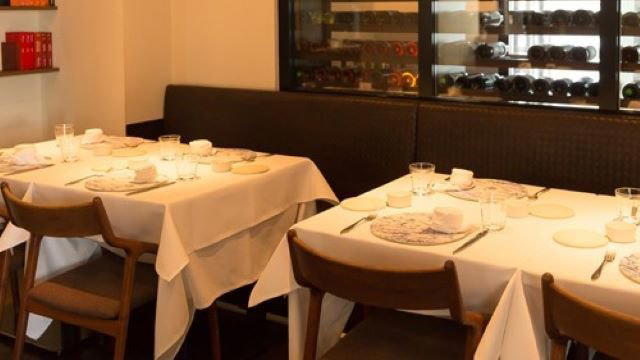



At a Glance
- Cozy
- Classic
- Casual Hangout
- Solo
- Standalone
Current opening hours
- Monday
- Closed
- Tuesday
- 11 AM–2 PM
- Wednesday
- 11 AM–2 PM
- Thursday
- 11 AM–2 PM
- Friday
- 11 AM–2 PM
- Saturday
- 11 AM–2 PM
- Sunday
- 11 AM–2 PM
Hours can change for holidays and private events. Last verified .
Casual, comfortable, and neighborhood-oriented, with a modest, intimate atmosphere.