
Koga Tei places modern Spanish and innovative cooking inside Kamakura’s Western-style mansion tradition, with fish-led cooking, a wine focus, and recognition in Tabelog 100 - Spanish cuisine - 2026. The appeal is not only the meal but the ritual: a destination lunch or dinner paced around a historic house setting rather than a quick station-area stop.
Pearl is the En Primeur Club membership app — saves, bookings, and concierge access live there. Same editors, same standards.
- Address
- 1 Chome-7-23 Ogigayatsu, Kamakura, Kanagawa 248-0011, Japan
- Phone
- +81 467-22-2011
- Website
- kamakura-koga.com
 Saves & bookings on Pearl
Approaching Ogigayatsu, Kamakura shifts register. The station-side flow thins into a district of temple routes, older residences, and the kind of Western-style architecture that tells a separate story from the city’s better-known Zen and samurai associations. In that setting, Koga Tei belongs to a small but telling category in Japanese dining: the house restaurant where the room, grounds, and pacing shape the meal as much as the cuisine.
Kamakura is often read through cafés, sweets, soba, and day-trip eating, but its serious dining tier has a different rhythm. Meals here tend to reward time set aside rather than itinerary gaps. Compared with casual local names such as Sabou Kirara or Les Anges Kamakura honten, this is a higher-price, longer-form proposition, closer in spirit to the city’s destination dining addresses than to its snack-and-stroll circuit. That distinction matters because Kamakura’s charm can flatten restaurants into scenery; the stronger tables use the city’s slower tempo as structure, not decoration.
Spanish technique inside Kamakura's mansion-dining ritual
Modern Spanish cooking in Japan has matured beyond tapas shorthand. At this level, the cuisine often functions as a framework for seafood, acidity, vegetable work, and wine service rather than a checklist of Iberian references. Koga Tei is listed as Spanish and Innovative, with a stated emphasis on fish and wine, and its 2026 selection for Tabelog 100 - Spanish cuisine places it within Japan’s national conversation around Spanish restaurants rather than merely within a Kamakura local category.
The ritual is important. A meal in a freestanding historic house asks for a different kind of attention from a counter, a hotel dining room, or a tightly packed urban bistro. The sequence is less about speed and more about transition: arriving from the street, settling into a room with architectural weight, and allowing the service format to stretch lunch or dinner into a planned occasion. The presence of a sommelier reinforces that cadence. Wine here is not an afterthought attached to a tourist-town meal; it is part of the restaurant’s stated identity.
That identity also explains why the restaurant crosses category boundaries in recognition history. It has appeared in Tabelog 100 lists for Spanish cuisine in 2026 and for French EAST in 2021 and 2023. Those labels are not interchangeable, but they point to a broader Japanese fine-dining pattern: European technique filtered through local produce, seafood access, and a service culture that favors precision over theatricality. The useful reading is not “Spanish versus French,” but how Kamakura supports European-format dining without imitating Tokyo’s density or tempo.
The house matters because Kamakura dining is shaped by setting
Kamakura’s better meals often depend on context. The city is compact, seasonal, and historically layered; a restaurant can feel diminished when treated as a refueling stop between shrines. Koga Tei occupies a Western-style building with 100 years of history, described as one of Kamakura’s three great Western-style mansions. That architectural fact changes the dining contract. The room becomes part of the occasion, and the meal asks to be planned with the same deliberation as a temple visit or an evening by the coast.
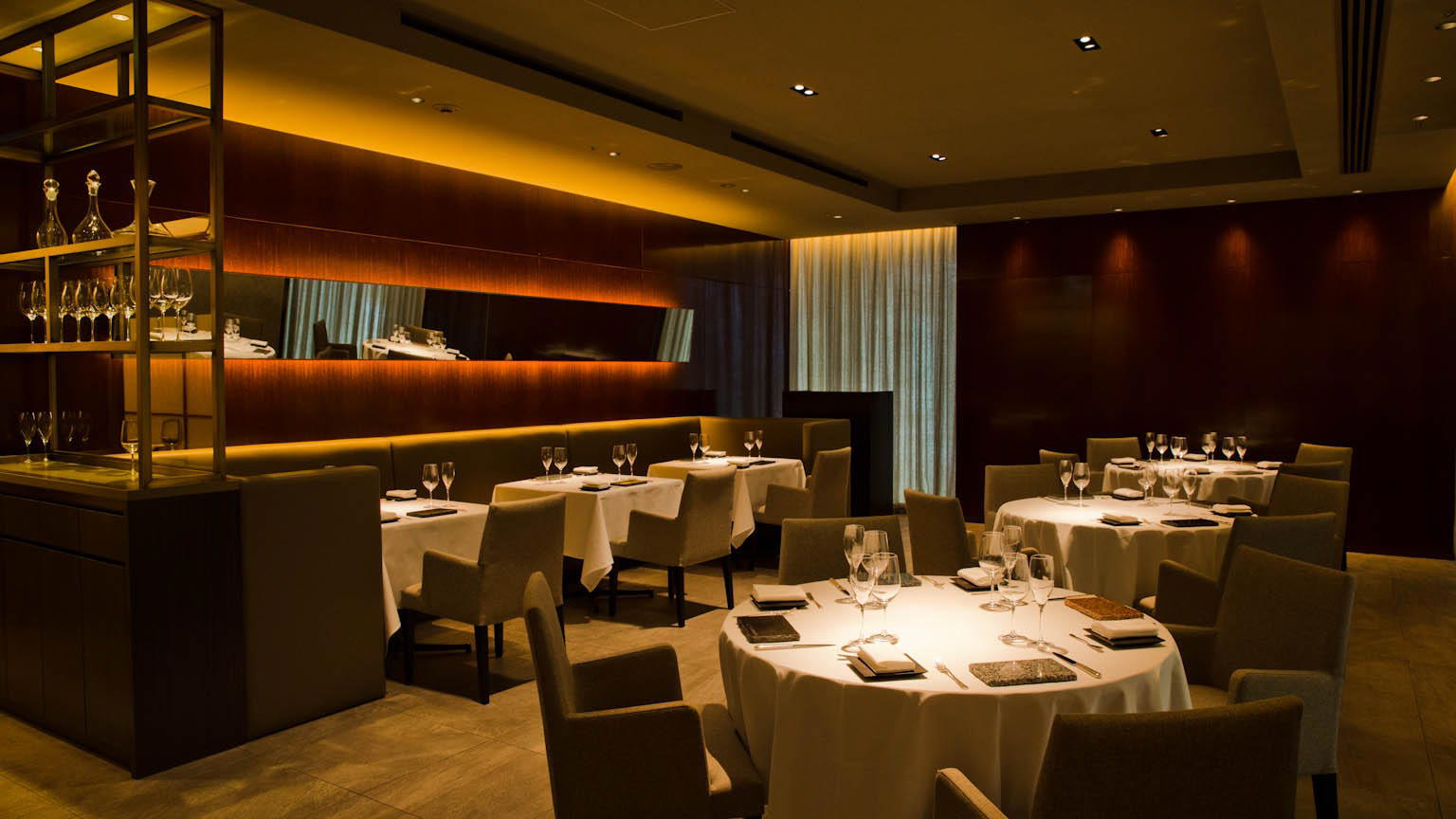
There is also a capacity signal that separates the experience from the tiny counter model associated with Tokyo luxury dining. With 60 seats, the format is not about scarcity theater. It is about a composed house-restaurant experience with enough scale for private rooms and celebrations, yet enough formality that overly casual clothing is discouraged. That middle ground is useful for Kamakura: polished enough for a destination meal, less compressed than the eight-seat-counter economy that dominates many high-end Japanese dining conversations.
The stronger comparison is within Kamakura’s range rather than against Tokyo. IL NODO and リストランテ イルノード represent the city’s European-leaning dining vocabulary; 季音 points toward a different local register. The restaurant’s distinction is the combination of mansion setting, European technique, fish focus, and Tabelog 100 recognition. It is a restaurant for travelers who want Kamakura to remain visible during the meal, not disappear behind a generic luxury format.
How to read it against the wider Kamakura table
For a fuller view of the city, place this meal beside smaller and more casual addresses rather than treating it as a standalone trophy booking. arbre noir YAKUMI, Bergfeld Kamakura honten, Cabbage Batake, Cafe Vivement Dimanche, and CALVA show how Kamakura moves between bakery culture, café ritual, casual local eating, and more deliberate dining. That spread is the point: the city’s food character is not built around a single cuisine, but around pace, setting, and the distance between everyday stops and planned meals.
Travelers building a wider itinerary can use Our full Kamakura restaurants guide for the dining map, then widen the frame with Our full Kamakura hotels guide, Our full Kamakura bars guide, Our full Kamakura wineries guide, and Our full Kamakura experiences guide. Kamakura works better when meals are paced around neighborhoods and daylight rather than stacked as isolated reservations.
Japan’s broader dining map adds perspective. A seafood-and-fire address such as. 鮪と炭火焼き うお炭 秋葉原店 in Tokyo, a café stop like.cafe in Osaka, or contemporary regional rooms such as.know in Kumamoto and [ki:] in Kyoto underline how setting, format, and local rhythm change the meaning of a meal. Even casual specialists such as (Shoku) Vietnam in Kawasaki and [Curry Senmon Ten] Maruyama Kyoju. in Sapporo clarify the contrast: the restaurant is built for duration and occasion, not quick turnover.
The verdict is simple: choose this for a measured Kamakura meal where European technique, wine service, fish-focused cooking, and a century-old Western-style mansion carry equal weight. It suits travelers who value the choreography around lunch or dinner as much as the cuisine itself. For cross-Pacific context on Japanese drinking and casual formats, Jōdo Saké Bar in Los Angeles and Onigiri Time in Pasadena show how different the ritual becomes once Japanese food culture is translated into another city.
Style and Standing
Side-by-side context: comparable cuisine and price.
| Venue | Cuisine | Price | Notes |
|---|---|---|---|
| Koga TeiThis venue — the venue you are viewing | Modern Spanish | $$$ | Not listed |
| Spanish restaurant Arashida | Refined Spanish & Basque Counter Dining | $$$ | Kamakura |
| アンチョア | Modern Spanish with Basque Regional Influences | $$$ | Kamakura |
| リストランテ イルノード | Kamakura Vegetable Italian Fine Dining | $$$$ | Kamakura |
| OXYMORON komachi Komachi | Japanese-style spice curry & café | $$ | Kamakura |
| Oryori Tomiyama | Traditional Japanese donburi & set meals | $$ | Kamakura |
Recognition history
Dated appearances from independent guides and award organizations, with the underlying list record or original source where available.
Tabelog 100 #90 · No. 90
Tabelog · Tabelog 100 - Spanish cuisine - 2026









At a Glance
- Elegant
- Sophisticated
- Romantic
- Intimate
- Classic
- Scenic
- Date Night
- Celebration
- Special Occasion
- Group Dining
- Private Event
- Garden
- Private Dining
- Historic Building
- Standalone
- Extensive Wine List
- Sommelier Led
- Local Sourcing
- Garden
- Street Scene
Current opening hours
- Monday
- 11 AM–9 PM
- Tuesday
- Closed
- Wednesday
- Closed
- Thursday
- 11 AM–9 PM
- Friday
- 11 AM–9 PM
- Saturday
- 11 AM–9 PM
- Sunday
- 11 AM–9 PM
Hours can change for holidays and private events. Last verified .
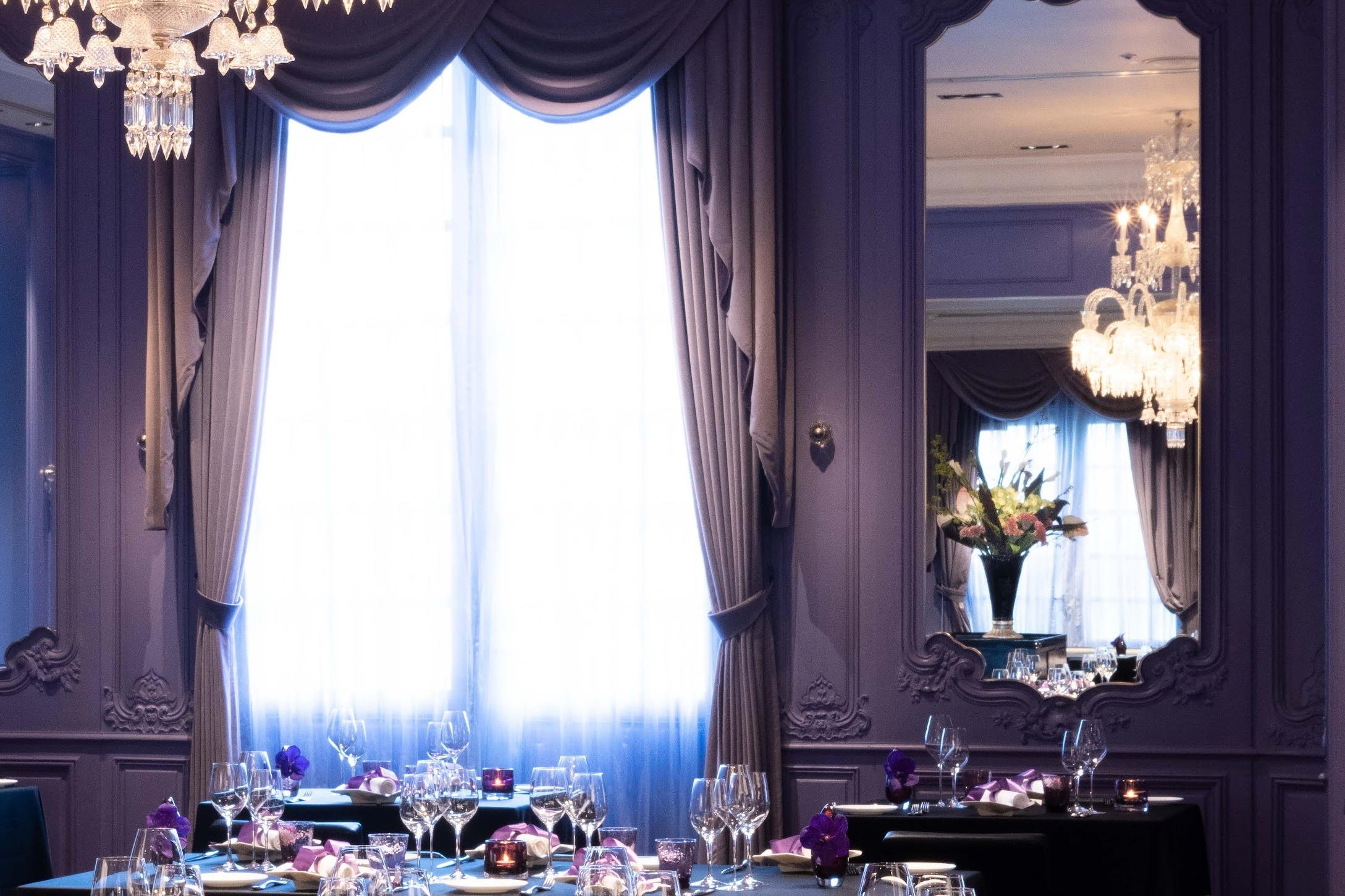
Refined and atmospheric, with a historic building, garden surroundings, and a quiet, special-occasion feel suited to leisurely meals and weddings.