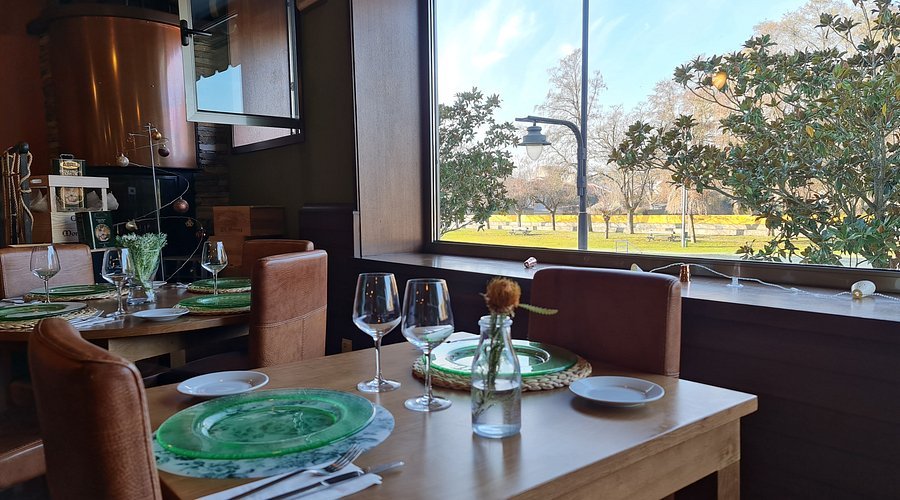
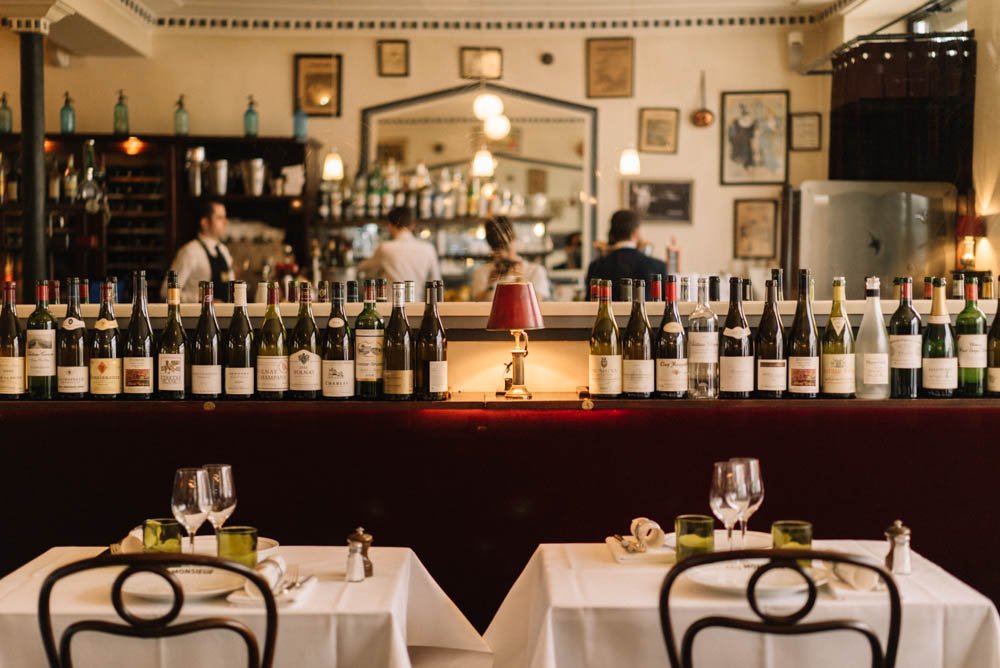
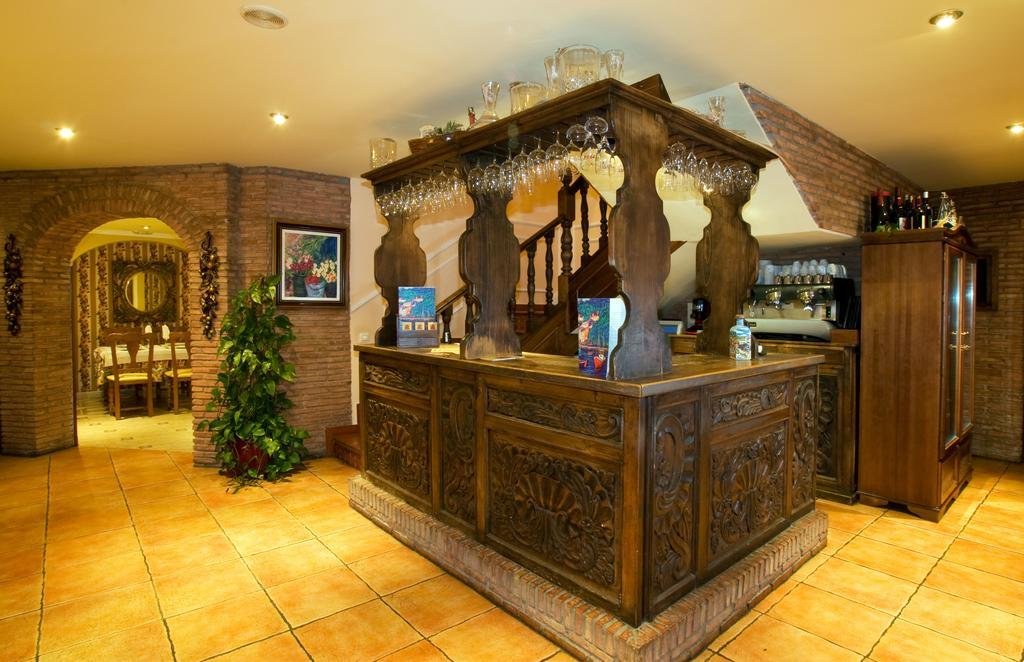
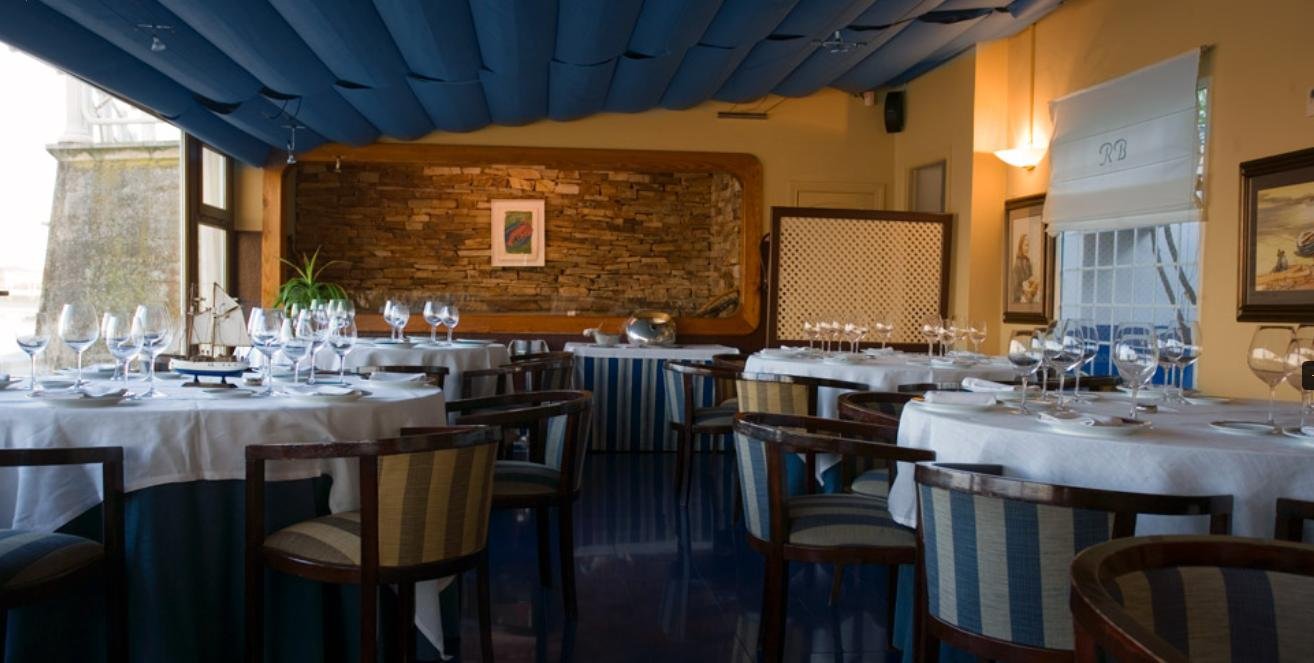
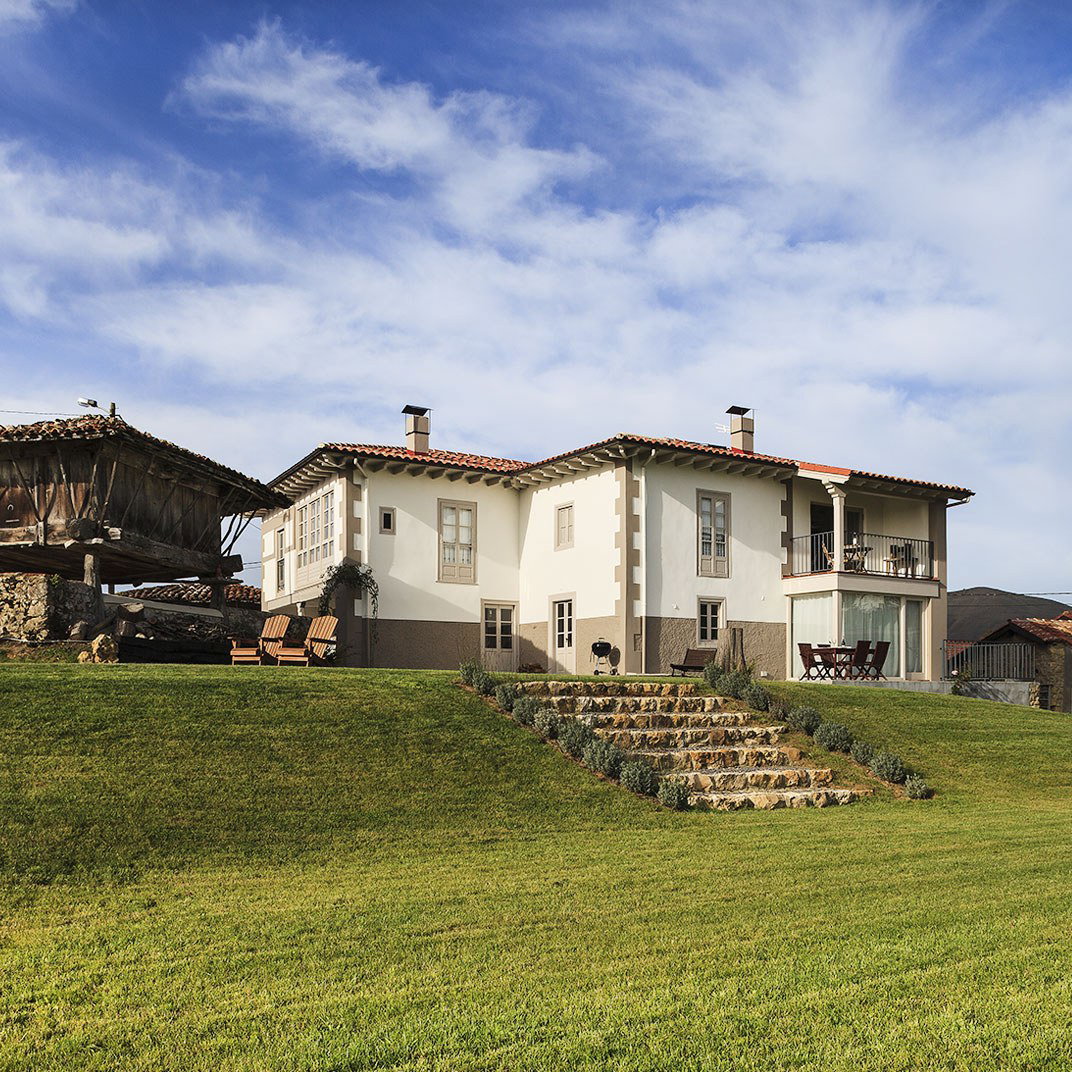
A traditional mesón on the fishing harbour square of Puerto de Vega, Mesón El Centro sits within one of Asturias's most photographed coastal villages. The kitchen draws on the Cantabrian catch landing metres away, placing it inside a broader tradition of ingredient-led cooking that defines the western Asturian coast. For visitors moving through Navia, it functions as an honest entry point into the region's seafood culture.
 Discover on Pearl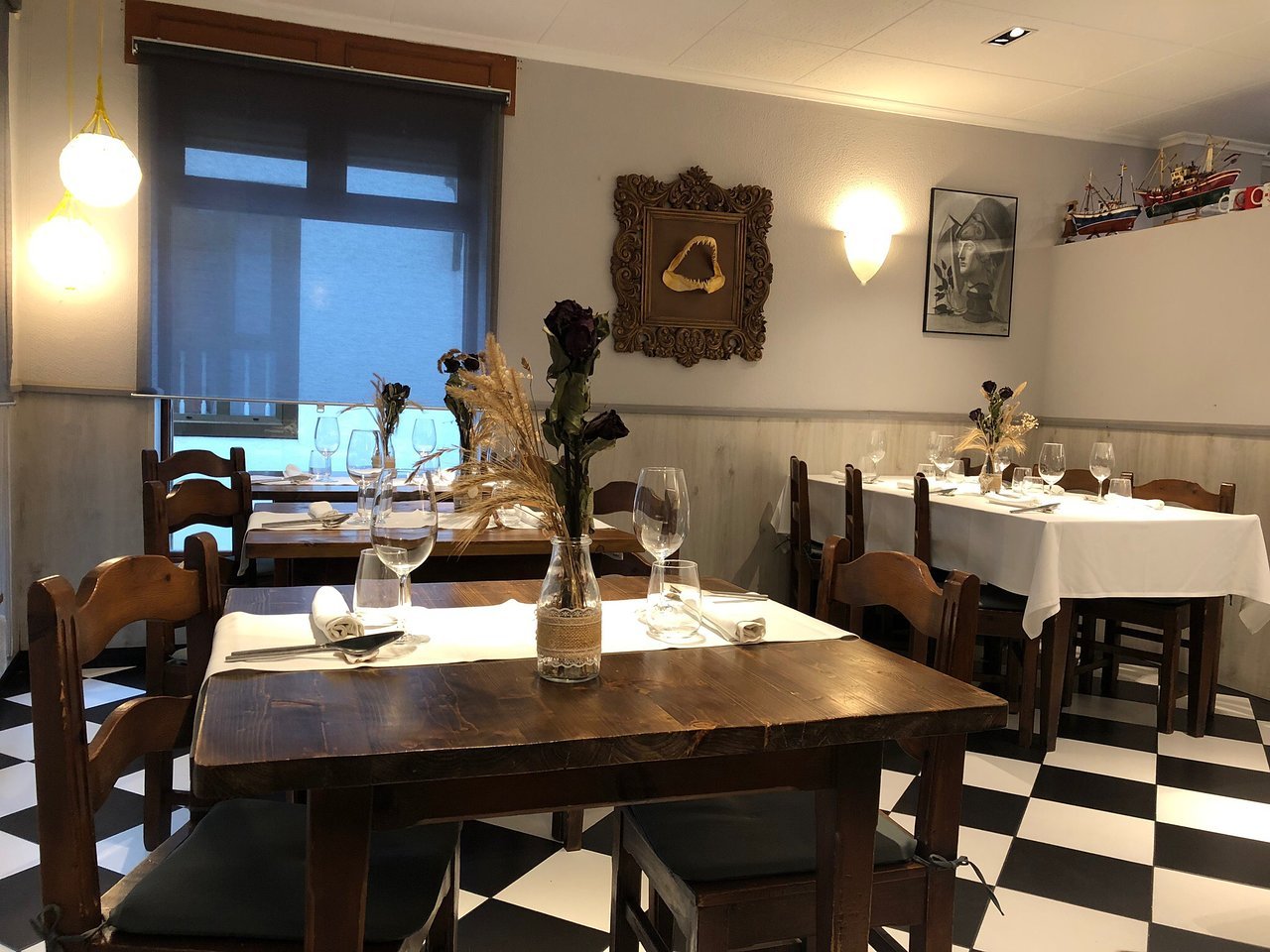
The Harbour Square and What It Means for What's on the Plate
Puerto de Vega is the kind of Asturian fishing village that appears in Spanish heritage photography: a compact harbour, painted houses climbing a gentle hillside, and a central square where the rhythm of the tide still dictates daily life. The Plaza de Cupido, where Mesón El Centro sits, is the social and geographic centre of that village. In this part of western Asturias, the relationship between the square, the harbour, and the kitchen is not decorative — it is structural. What comes off the boats determines what the kitchen offers, and the timing of the catch determines when serious eating happens. Visitors arriving from Navia, roughly ten kilometres along the coast, step into a food culture shaped more by geography than by any individual kitchen philosophy. For context on the wider dining options across the municipality, our full Navia restaurants guide maps the broader picture.
Asturian Coastal Cooking and the Ingredient Chain
The western Cantabrian coast produces some of the most consistent seafood in northern Spain. The cold, nutrient-rich Atlantic waters between Ribadeo and Gijón yield merluza, percebes, nécoras, and bonito depending on the season, and coastal villages like Puerto de Vega have built their food identity around proximity to that supply chain rather than around culinary innovation for its own sake. This positions mesones like El Centro within a well-defined regional tradition: ingredient sourcing is the differentiator, not technique or presentation.
That model contrasts sharply with the progressive Spanish kitchens that have drawn international attention. Restaurants such as Arzak in San Sebastián, Azurmendi in Larrabetzu, and Mugaritz in Errenteria have built their reputations on transforming ingredient tradition into conceptual cuisine. Places like El Celler de Can Roca in Girona and DiverXO in Madrid sit even further from the harbour-square model. The mesón format makes a different argument: that the ingredient, presented without significant intervention, is the point. In Asturias, where the supply is this fresh and this local, that argument holds.
Broader Spanish coastal cooking has explored similar logic at different price registers. Aponiente in El Puerto de Santa María and Quique Dacosta in Dénia both treat marine ingredients as primary material but through a progressive creative lens. The Asturian mesón sits at the opposite end of the same spectrum: the fish arrives as fish, prepared according to methods the region has used for generations. The comparison is useful not to rank one above the other but to clarify what kind of eating experience each format is designed to deliver.
Puerto de Vega as a Dining Context
Puerto de Vega's status as one of the best-preserved fishing villages in Asturias is not accidental. The village holds a designation as one of Spain's Pueblos con Encanto, and its harbour architecture remains largely intact. That context matters for a mesón on the central square: the setting is not manufactured atmosphere but a functioning part of a working coastal community. Eating here sits within a social pattern that includes local fishermen, weekend visitors from Gijón and Oviedo, and, increasingly, travellers making their way along the Camino del Norte.
The Camino del Norte passes through this stretch of the Asturian coast, and Puerto de Vega sits directly on the route. That pilgrim traffic adds a logistical layer to the village's dining scene: places on or near the square see foot traffic from walkers arriving at irregular hours, which tends to support traditional formats with flexible service rather than elaborate tasting menus with fixed seatings. For reference on how Asturian kitchens operate at the higher end, Casa Marcial in Arriondas represents what the region produces when it moves toward fine dining — a useful calibration point when thinking about what each format is built for.
Sourcing, Seasonality, and What That Means When You Order
In any mesón operating close to a working harbour, the menu is effectively a seasonal document. What appears on the table in July, when bonito del Norte runs through the Cantabrian Sea, differs from what appears in October, when percebes are at their firmest and the crab harvest begins in earnest. The village's proximity to active fishing means the supply chain is short , shorter than in most Spanish coastal cities where product travels further. That brevity of supply chain is the defining quality credential in this format, and it is what a visitor is effectively paying for when they sit down at a harbour-square mesón in Puerto de Vega.
The broader Spanish commitment to market-driven sourcing runs through restaurants at every tier. Martin Berasategui in Lasarte-Oria, Ricard Camarena in València, and Cocina Hermanos Torres in Barcelona all build their menus around seasonal supply, though at a technical and creative remove from the source. At the mesón level, that remove disappears. The fish on your plate is likely from this harbour, or one within a few kilometres. For travellers interested in ingredient provenance as the primary value proposition, that proximity is the argument for choosing this kind of establishment over a more technically sophisticated kitchen.
For comparison, consider how Asador Etxebarri in Atxondo has built its reputation on a similar logic , exceptional sourcing, minimal intervention , but applied at a level that attracts global attention and long waiting lists. The mesón model in coastal Asturias operates without that international profile but within the same sourcing philosophy at a local scale.
Planning a Visit
Mesón El Centro is located on the Plaza de Cupido in Puerto de Vega, a village that falls within the Navia municipality in western Asturias. The square is compact and walkable from the harbour in under two minutes. Visitors driving from Oviedo should allow approximately ninety minutes; from Gijón, the journey runs closer to two hours along the A-8 coastal motorway. Puerto de Vega is accessible by bus from Navia, which connects to regional rail services, though a car is the practical choice for most travellers. Website, phone, and current hours were not available at time of publication , confirming opening times locally or via a tourism office in Navia before arrival is advisable, particularly out of season when village dining schedules tend to compress.
Elsewhere in the broader Spanish dining context, reservations and booking infrastructure are now standard at mid-to-high-tier restaurants. Cenador de Amós in Villaverde de Pontones, Atrio in Cáceres, and Noor in Córdoba all require advance planning. The mesón format, by contrast, typically operates on a walk-in basis or short-notice telephone reservation, which suits the format's informal register and the traveller moving through on the Camino or along the coast.
Fast Comparison
These are the closest comparables we have in our database for quick context.
| Venue | Cuisine | Price | Awards | Notes |
|---|---|---|---|---|
| Mesón El Centro | This venue | |||
| Aponiente | Progressive - Seafood, Creative | €€€€ | Michelin 3 Star | Progressive - Seafood, Creative, €€€€ |
| Arzak | Modern Basque, Creative | €€€€ | Michelin 3 Star | Modern Basque, Creative, €€€€ |
| Azurmendi | Progressive, Creative | €€€€ | Michelin 3 Star | Progressive, Creative, €€€€ |
| Cocina Hermanos Torres | Creative | €€€€ | Michelin 3 Star | Creative, €€€€ |
| DiverXO | Progressive - Asian, Creative | €€€€ | Michelin 3 Star | Progressive - Asian, Creative, €€€€ |
Continue exploring