


1 Michelin Star · Guía Repsol 2 Soles · Macarfi 9 Food Rating
Our verdict
Tandoori fire meets Asturian terroir at Regueiro in Tox, Spain, where a chalet-style setting and open kitchen deliver spice-led fine dining with sweeping countryside views and a sommelier-driven cellar.

Pearl is the En Primeur Club membership app, where members save venues, book tables and use the concierge.
The menu
What to order
- Lobster marinated in fenugreek oil
- Red prawn curry
- Agripicante balchão with tandoor naan
Where the Farmland Ends and the Tandoor Begins
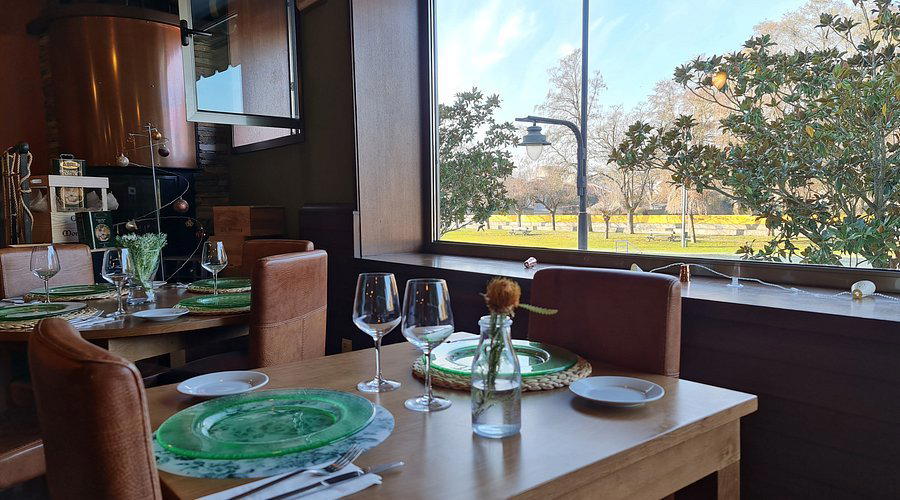
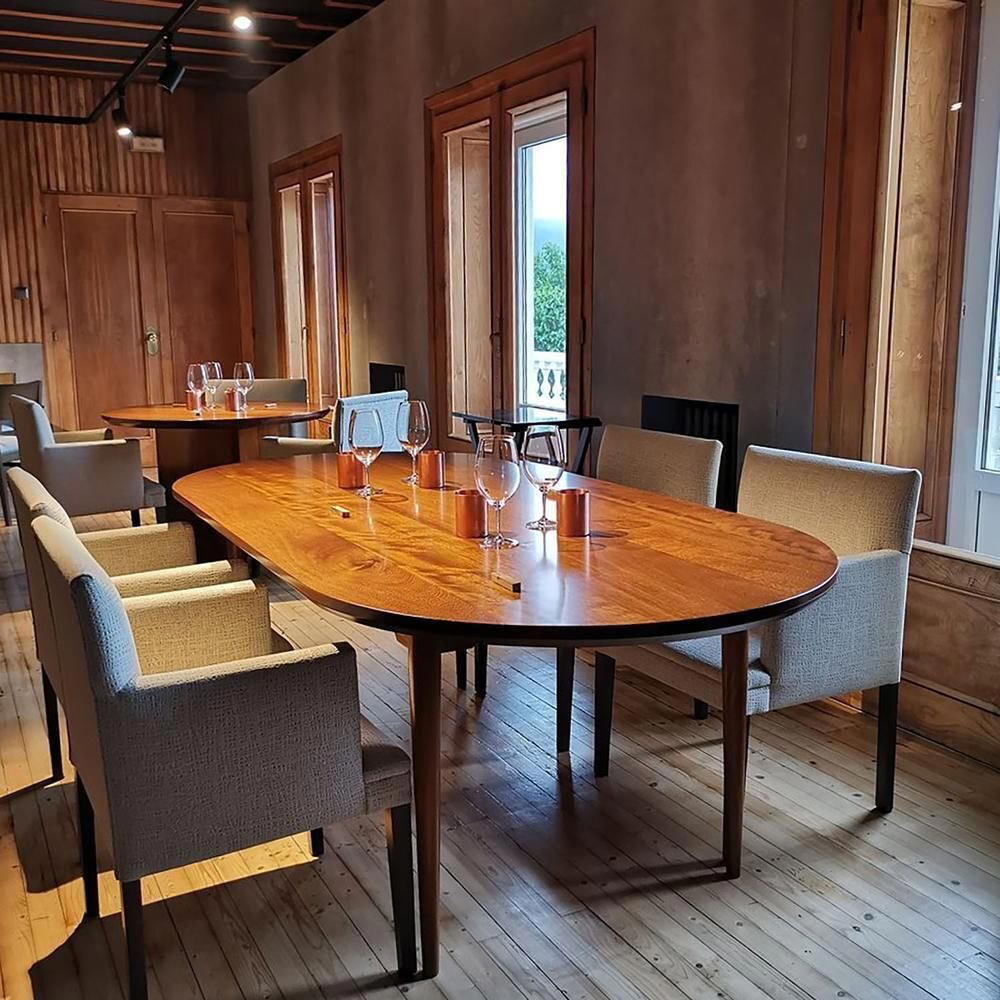
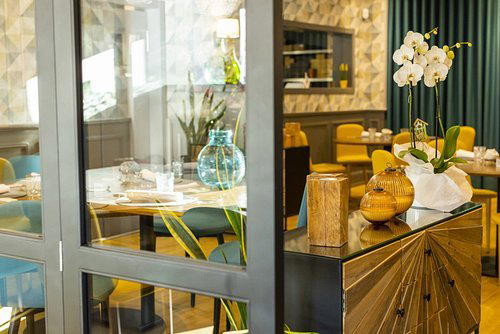
The approach to Regueiro sets expectations that the kitchen immediately overturns. The drive through Asturian farmland, past the hedgerows and wet green fields that characterise the Navia coast, deposits you at a chalet-style building with a large garden on all sides. The exterior reads as rural and unhurried. Inside, contemporary urban design takes over: clean lines, considered lighting, a visual grammar more aligned with a city restaurant than a village address. That productive dissonance is the point. The dining room signals, before a single plate arrives, that what follows will not be a tribute to cider houses and fabada.
Asturias has a strong regional dining identity built on its coastline, dairy land, and cider tradition. A number of the region's notable tables draw their credibility from celebrating exactly that: the estuaries, the cheese-making valleys, the sidra culture. Regueiro operates from a different premise entirely, using the produce that Asturian farmland generates as the raw material for a kitchen oriented towards Indian, Mexican, and Southeast Asian technique. It is a deliberate repositioning rather than an oversight, and it places Regueiro in an interesting comparative position within the broader map of creative Spanish cooking.
Domestic Ingredients, International Grammar
The editorial angle worth dwelling on here is sourcing: specifically, what happens when a kitchen committed to global technique insists on local supply. The tension between a tandoor oven and Asturian coastal produce is not ornamental. It forces precision. A balchão, the Goan vinegar-and-spice preparation traditionally made with fermented shrimp, appears here built around domestic seafood. A red prawn curry arrives alongside green mango and pickled vegetables, with the prawn sourced from Spanish waters. The lobster, marinated in fenugreek oil, lands at the intersection of two food cultures that rarely share a plate, and the discipline required to keep that credible is considerable.
This sourcing logic connects Regueiro to a wider shift in Spanish creative cooking, where the most interesting work is happening not at the level of technique alone but at the intersection of technique and terroir. Restaurants like Aponiente in El Puerto de Santa María pursue a similarly rigorous relationship between place and method, though through an entirely different conceptual lens. At Arzak in San Sebastián, Basque produce anchors a creative framework built over decades. What Regueiro proposes is structurally related but geographically and culturally distinct: Asturian supply chains feeding a kitchen vocabulary drawn from the subcontinent and Latin America.
The homemade moles are a useful measure of that commitment. Mole is not a preparation that tolerates shortcuts; the depth of a well-made version depends on the sourcing and treatment of each component. That a kitchen in rural Asturias is producing them at a level that earns Michelin recognition in both 2024 and 2025 is a practical indicator of seriousness, not just ambition.
Three Menus, One Point of View
The tasting menu format at Regueiro runs across three lengths: Corto, Diego, and Hedonista. The structure follows a pattern now common across the upper tier of Spanish creative restaurants, from Disfrutar in Barcelona to El Celler de Can Roca in Girona, where a shorter option provides entry without compromise to the kitchen's identity, and the longer format allows the full argument to unfold. At Regueiro, that argument is built around the tandoor oven and a series of curries, with naan made in-house as the connective tissue between courses.
At the €€€ price range, Regueiro sits below the leading bracket of Spanish creative dining. Comparisons with DiverXO in Madrid, Quique Dacosta in Dénia, or Azurmendi in Larrabetzu are instructive for understanding the category but not the price tier. Regueiro occupies a position more analogous to the second tier of Michelin-recognised creative restaurants across Spain, where a Plate recognition signals a kitchen operating at a consistent level without the star overhead that tends to accelerate both demand and pricing. For a restaurant in a rural Asturian village, that positioning gives it an accessibility that its culinary ambition does not advertise.
Internationally, the fusion-forward creative format Regueiro employs can be tracked in starred addresses like Alléno Paris au Pavillon Ledoyen and Enrico Bartolini in Milan, though both operate in capital-city contexts with very different commercial environments. The rural Asturian setting is, in European terms, an outlier for this level of culinary ambition.
Getting There and Planning the Visit
For a broader view of where Regueiro sits within the Asturian and northern Spanish dining scene, our full Tox restaurants guide maps the region's current options. Those planning a wider Spanish creative dining trip might also consider Martin Berasategui in Lasarte-Oria, Mugaritz in Errenteria, Ricard Camarena in València, or Atrio in Cáceres as complementary stops across Spain's creative dining tier.
Frequently asked questions
What should I budget for a meal at Regueiro?
Pricing at Regueiro is listed as €€€.
Comparison Snapshot
| Venue | Cuisine | Price | Awards | Notes |
|---|---|---|---|---|
| RegueiroThis venue (the venue you are viewing) | Fusion Creative Tasting Menus | $150–200 | 1 Michelin Star · Guía Repsol 2 Soles | Not listed |
| Aponiente | Avant-Garde Marine Seafood | $200–300 | 3 Michelin Stars · World's 50 Best #84 | Progressive - Seafood, Creative |
| Arzak | Contemporary Basque Fine Dining | $300–500 | 3 Michelin Stars · World's 50 Best #31 | Modern Basque, Creative |
| DiverXO | Avant-Garde Spanish Tasting Menu | $300–500 | 3 Michelin Stars · World's 50 Best #4 | Progressive - Asian, Creative |
| El Celler de Can Roca | Creative Catalan Fine Dining | $300–500 | 3 Michelin Stars · World's 50 Best #2 | Progressive Spanish, Creative |
| Quique Dacosta | Avant-Garde Spanish Fine Dining | $300–500 | 3 Michelin Stars · World's 50 Best #65 | Creative |
Recognition history
Dated appearances from independent guides and award organizations, with the underlying list record or original source where available.
Michelin 1 Star
Michelin
Guía Repsol 2 Soles
Guía Repsol
Macarfi 9 Food Rating
Macarfi
Full recognition history (5 entries)
Michelin Plate
Michelin
Michelin Plate
Michelin
Continue exploring
More in Tox
Details
- Modern
- Elegant
- Cozy
- Trendy
- Date Night
- Special Occasion
- Open Kitchen
- Garden
- Extensive Wine List
- Local Sourcing
- Garden
- Tasting Menu
- Vegetarian Friendly
Current opening hours
- Monday
- Closed
- Tuesday
- Closed
- Wednesday
- Closed
- Thursday
- 1–6 p.m., 8:30 p.m.–12 a.m.
- Friday
- 1–6 p.m., 8:30 p.m.–12 a.m.
- Saturday
- 1–6 p.m., 8:30 p.m.–12 a.m.
- Sunday
- 1:30–6 p.m.
Hours can change for holidays and private events. Hours as of .
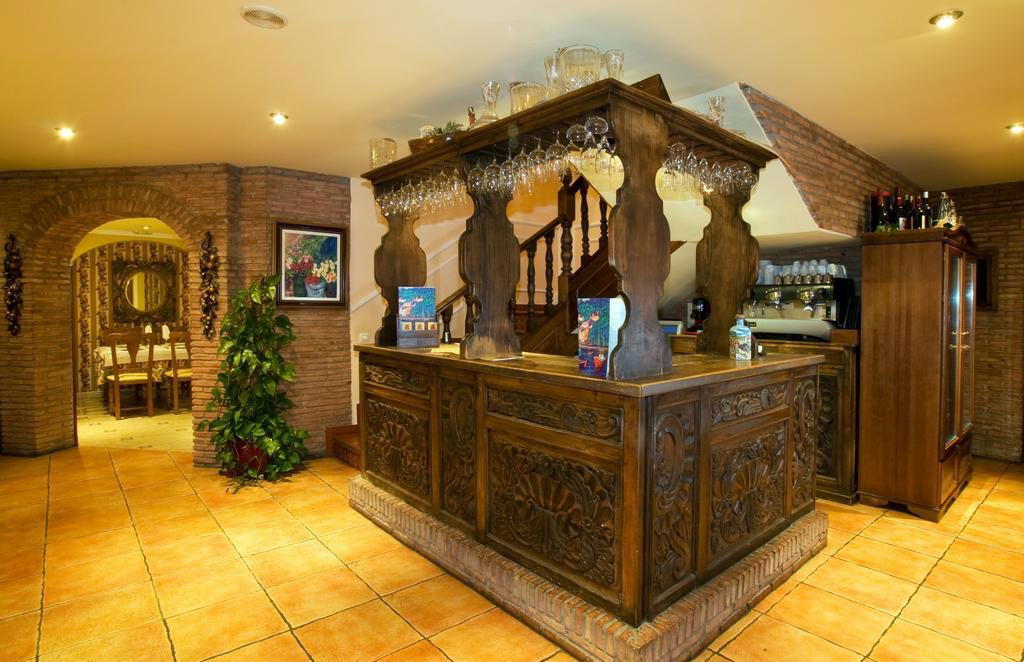
Contemporary urban interior design in a chalet-style house with garden views, open kitchen, unpretentious yet elegant atmosphere.