



1 Michelin Star · Guía Repsol 2 Soles · Macarfi 9.3 Food Rating
Our verdict
Poised directly on the sands of Salinas with sweeping views of the Cantabrian Sea and Philippe Cousteau’s anchor museum, Real Balneario is a luminous stage for seafood of rare purity. Third-generation chef Isaac Loya channels the wisdom of his father and grandfather, crafting a dual expression of Asturian gastronomy: pristine, ingredient-led classics alongside refined, contemporary compositions. Expect virrey, tuna, and sea bass treated with reverence, anchored by signature creations like the timeless “Félix Loya” sea bass with champagne. Three considered menus—Fomento de la Cocina Asturiana at lunch, Degustación, and Productos del Cantábrico—compose a narrative of coast and craft. For travelers who seek culinary precision framed by Atlantic light, this is the address where elegance, lineage, and the sea converge.

Pearl is the En Primeur Club membership app — saves, bookings, and concierge access live there. Same editors, same standards.
- Address
- Av. Juan Sitges, 3, 33405 Salinas, Asturias, Spain
- Phone
- +34 985 51 86 13
- Hours
- Mon ClosedTue–Thu 1–4 PMFri–Sat 1–4 PM, 8–11:30 PMSun 1–4 PM
- Website
- realbalneario.com
- Directions
- Get directions
- Booking
- Book on CoverManager
The menu
What to order
- Sea bass with champagne “Felix Loya”
Where the Cantabrian Sea Becomes the Menu
Stand at the edge of Salinas beach on the Asturian coast and the relationship between the Atlantic and the table becomes difficult to ignore. The water here is cold, the tides active, and the fishing tradition older than any restaurant that has tried to honour it. Real Balneario occupies a position directly alongside this shoreline, its dining room oriented toward the sea in a way that makes the view less decorative backdrop and more operational context. The fish arriving from the Cantabrian is not travelling far, and the menu makes that proximity its central argument.
Asturias sits within a corridor of northern Spanish coastline that runs from the Basque Country westward through Cantabria and into Galicia, producing some of the most sourcing-rich territory for fish-led cooking in Europe. The cold, nutrient-dense waters of the Cantabrian Sea yield species that rarely appear on menus further south: virrey (imperial bream), wild sea bass from rocky coastal waters, and tuna with a fat profile shaped by Atlantic cold rather than Mediterranean warmth. Chefs working in this region who commit to those species rather than importing prestige ingredients from elsewhere are making a structural culinary decision, one that ties seasonal availability directly to what arrives at the pass.
Two Registers, One Coastline
The cooking at Real Balneario operates across two distinct registers, and understanding the split matters when planning a visit. One strand preserves the direct, ingredient-respecting approach that has defined the Asturian coastal table for generations: simply prepared fish where the sourcing does the work and technique exists to clarify rather than transform. The second strand moves into more technically involved territory, applying contemporary methods to the same Cantabrian raw material without displacing its character. This dual structure is not unusual among the stronger regional restaurants in northern Spain, where the audience includes both local families for whom the traditional form carries real meaning and a travelling audience looking for something more elaborate. What matters is whether both registers are executed with the same seriousness. Here, the evidence suggests they are.
The à la carte changes a minimum of three times a year, a rotation that maps directly onto the seasonal availability of key Cantabrian species rather than calendar convenience. Virrey, tuna, and sea bass each move through the menu at different points, meaning a visit in early spring and a visit in late autumn are likely to produce meaningfully different meals. This is the mechanical proof that sourcing is the actual organising principle, not a marketing position. For visitors making a specific trip to Asturias, the implication is clear: check the current season for whatever species is at its peak in these waters before booking.
Alongside the à la carte, two tasting formats offer different levels of depth. La Peñona presents the coastal kitchen in a more accessible structure, while the menu simply called Isaac Loya takes a fine-dining approach, extending the sourcing argument into more intricate preparations. The distinction in naming is deliberate: one positions the experience within the landscape, the other within a culinary lineage that stretches back two generations in this same building.
A Dish That Carries Fifty Years
In fine-dining contexts, signature dishes tend to be recent achievements, evidence of a contemporary kitchen's ambition. The signature dish here runs in the opposite direction. The sea bass with champagne, known as the "Félix Loya," was created by the current chef's grandfather five decades ago and remains on the menu as a working dish, not a museum piece. Its presence makes a quiet but specific point about what continuity means in cooking. Where restaurants in major cities treat heritage as a branding layer, this dish represents actual intergenerational transmission of technique within a single family and a single address. That kind of depth is rare in any dining category at any price tier.
The Cantabrian fishing tradition from which this dish emerged has its own logic. Sea bass in these waters is a different proposition from farmed alternatives: leaner, with firmer flesh and a flavour shaped by an active life in cold, tidal conditions. Pairing it with champagne reflects a mid-twentieth-century Spanish fine-dining sensibility that drew on French technique while working with local material. The fact that this combination has survived commercial pressure, generational change, and shifting culinary fashion for half a century suggests it works on its own terms.
Where Real Balneario Sits in the Wider Spanish Fine-Dining Conversation
Spain's high-end restaurant scene is dominated by a relatively small number of celebrated kitchens, most of them concentrated in the Basque Country and Catalonia. Arzak in San Sebastián, El Celler de Can Roca in Girona, Disfrutar in Barcelona, Mugaritz in Errenteria, and Martin Berasategui in Lasarte-Oria attract the majority of international fine-dining attention. Asturias does not carry the same gravitational pull in that conversation, which means restaurants operating at a serious level here do so with less infrastructure of expectation around them. That is an argument for visiting rather than against it.
Real Balneario holds one Michelin star (2024), placing it within the recognised tier of Spanish fine dining without reaching the three-star category occupied by DiverXO in Madrid or Azurmendi in Larrabetzu. For context, OAD rankings are drawn from a community of highly experienced diners rather than a single inspector, giving them a different texture of authority from Michelin. Being recognised by both systems in the same year is a reasonable signal of consistent performance. The restaurant was also OAD Highly Recommended for Leading New Restaurants in Europe in 2023, suggesting a relatively recent emergence into wider critical awareness.
For seafood-focused cooking in the €€€€ tier specifically, comparison points include Aponiente in El Puerto de Santa María, which works with marine ingredients from Andalusian waters in a more experimentally transformative register. Quique Dacosta in Dénia and Ricard Camarena in València both operate with Mediterranean rather than Atlantic sourcing, producing a different flavour profile entirely. The farm-to-table approach has broader European parallels: BOK Restaurant in Münster and Clostermanns Le Gourmet in Niederkassel both operate within the same ingredient-first discipline, though with very different source materials.
Within Salinas itself, Éleonore represents the creative strand of the local dining offer, providing a different register for visitors planning more than one meal in the area.
Planning a Visit
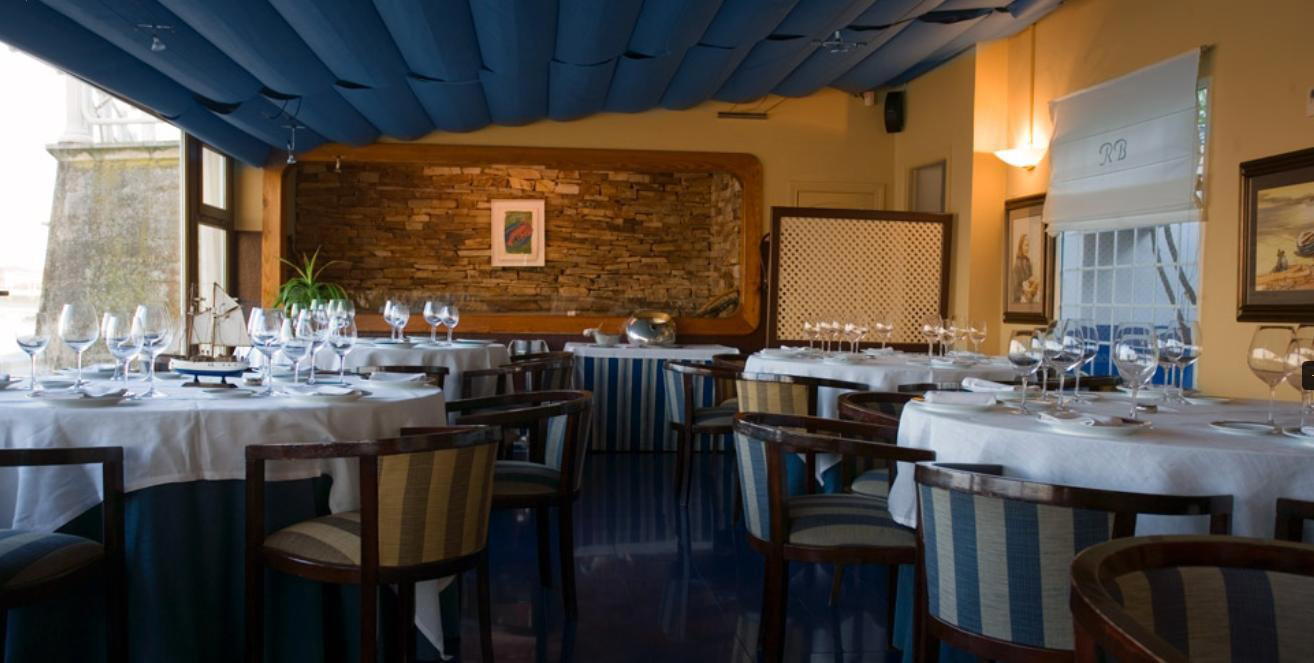
Real Balneario sits at Avenida Juan Sitges, 3, in Salinas, Asturias, directly alongside the beach. The dining room occupies a position that includes views of the sea and of Philippe Cousteau's anchor museum, the kind of spatial context that makes the sourcing argument visible rather than abstract. The restaurant is closed on Mondays. Tuesday through Friday, service runs from 1 PM to 4 PM for lunch; Friday and Saturday evenings add dinner from 8 PM to 11:30 PM. Sunday lunch runs from 1 PM to 4 PM, with no evening service. The price category is €€€€, positioning it at the upper end of the regional market and in line with other Michelin-starred Spanish tables. Visitors to Asturias combining this with broader exploration of the region's dining, hotel, bar, wine, and experience offer can use our full Salinas restaurants guide, our full Salinas hotels guide, our full Salinas bars guide, our full Salinas wineries guide, and our full Salinas experiences guide as a starting point.
Frequently asked questions
at Real Balneario?
The most instructive choice depends on what you want from the meal. The "Félix Loya" sea bass with champagne is the dish with the longest documented history at this address, created five decades ago and carried through three generations of the same family. It functions as the most direct way to engage with what the restaurant is actually about: Cantabrian species, classical technique, and continuity of approach. For those wanting broader exposure to the current kitchen, the Isaac Loya tasting menu covers more ground and applies the same sourcing argument to more technically complex preparations. The à la carte rotates at least three times annually around species availability, so asking which fish is at its seasonal peak on the day of your visit will generally point toward the kitchen's current focus. The restaurant holds one Michelin star (2024) and an OAD Europe ranking of 301st in 2025, both of which apply to the full range of what is served here rather than any single dish.
Price and Recognition
| Venue | Cuisine | Price | Awards |
|---|---|---|---|
| Real BalnearioThis venue — the venue you are viewing | Modern Seafood Fine Dining | $100–150 | 1 Michelin Star · Guía Repsol 2 Soles |
| Aponiente | Progressive - Seafood, Creative | Not listed | Michelin 3 Star |
| Arzak | Modern Basque, Creative | Not listed | Michelin 3 Star |
| DiverXO | Progressive - Asian, Creative | Not listed | Michelin 3 Star |
| El Celler de Can Roca | Progressive Spanish, Creative | Not listed | Michelin 3 Star |
| Quique Dacosta | Creative | Not listed | Michelin 3 Star |
Recognition history
Dated appearances from independent guides and award organizations, with the underlying list record or original source where available.
Michelin 1 Star
Michelin
Guía Repsol 2 Soles
Guía Repsol
Macarfi 9.3 Food Rating
Macarfi
Opinionated About Dining Top Restaurants in Europe Recommended
Opinionated About Dining
Full recognition history (9 entries)
Michelin 1 Star
Michelin
Opinionated About Dining Top Restaurants in Europe Ranked #301
Opinionated About Dining
Michelin 1 Star
Michelin
Opinionated About Dining Top Restaurants in Europe Ranked #305
Opinionated About Dining
Opinionated About Dining Top New Restaurants in Europe Highly Recommended
Opinionated About Dining
Continue exploring
More in Salinas
Restaurants in Salinas
Browse all →
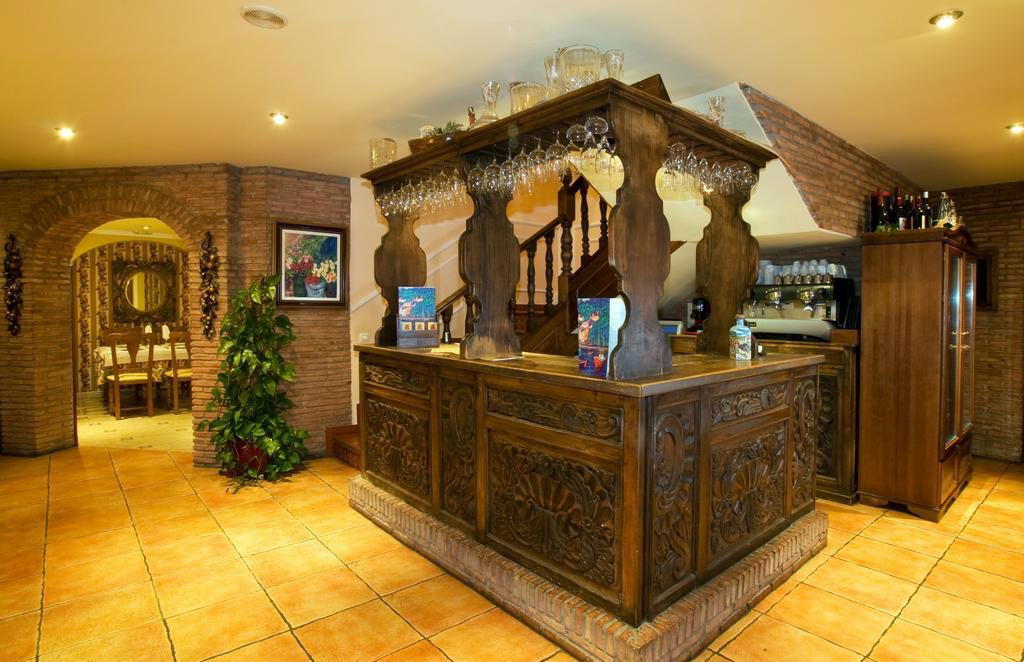
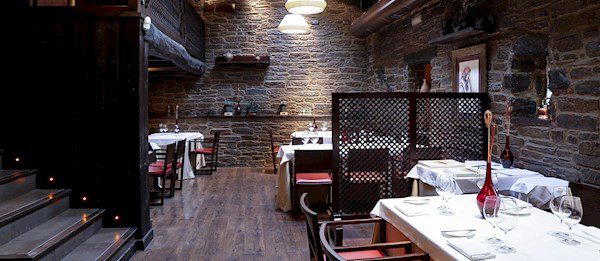

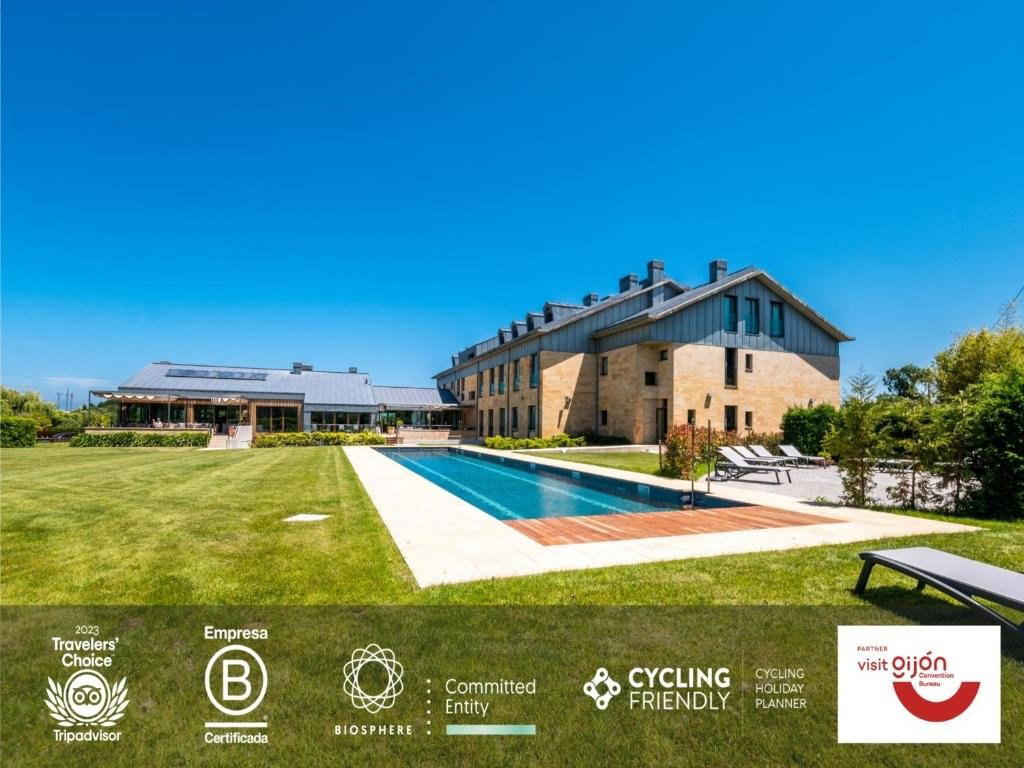

Real Balneario de Salinas
The wine
- Wine program
- Exceptional wine program
- Extensive wine list
Details
- Elegant
- Scenic
- Sophisticated
- Date Night
- Special Occasion
- Waterfront
- Historic Building
- Extensive Wine List
- Waterfront
- A La Carte
- Tasting Menu
- Vegetarian Friendly
Current opening hours
- Monday
- Closed
- Tuesday
- 1–4 PM
- Wednesday
- 1–4 PM
- Thursday
- 1–4 PM
- Friday
- 1–4 PM, 8–11:30 PM
- Saturday
- 1–4 PM, 8–11:30 PM
- Sunday
- 1–4 PM
Hours can change for holidays and private events. Last verified .
Long narrow dining room with nautical décor and floor-to-ceiling glass windows offering sweeping beach and sea views, creating an elegant and scenic atmosphere.