

Michelin Plate
Our verdict
A family-run marisqueria on the Asturian coast, El Pescador holds a Michelin Plate and back-to-back Opinionated About Dining recognition for its extensive menu of local fish and shellfish. Hake, monkfish, and bream from the nearby port of Cudillero anchor a menu that reads as a direct account of what the Atlantic delivers each season. At the €€ price point, the kitchen represents one of the more credible arguments for Asturian coastal cooking done without compromise.

Pearl is the En Primeur Club membership app — saves, bookings, and concierge access live there. Same editors, same standards.
- Address
- C. Tolombredo de Arriba, s/n, 33150 Cudillero, Asturias, Spain
- Phone
- +34 985 59 09 37
- Directions
- Get directions
The menu
What to order
- Hake on skewer
- Paella
- Grilled sole
Where the Port Shapes the Menu
Cudillero is the kind of fishing village that resists the word picturesque because the word is too passive. The harbour sits at the base of a steep amphitheatre of houses, the boats come in close enough to watch, and the smell of salt and diesel is part of the address. In that context, a marisqueria is not a category choice — it is an obligation. The port defines what goes on the plate, and in a village this size, there is no meaningful distance between the catch and the kitchen. El Pescador occupies that relationship directly, operating on Calle Tolombredo de Arriba with a menu built around whatever the Atlantic is producing.
That supply chain is the editorial point worth making before anything else. Spain's most decorated restaurants — from Aponiente in El Puerto de Santa María to Arzak in San Sebastián, invest enormous intellectual and financial capital in the question of provenance. At the three-star tier, that question is answered through relationships with named fishermen, documented boat numbers, and sometimes tasting menus structured around a single species. At the casual marisqueria tier in a working fishing port, the answer is simpler and in some ways more direct: the fish is local because there is no reason for it not to be, and the menu changes when the sea changes. El Pescador sits in that second tradition.
The Catch as Menu Logic
Asturian coastal cooking is not a cuisine of reduction sauces or architectural plating. It is a cuisine of quality raw material treated with enough respect to leave its character intact. Hake (merluza) is the regional standard-bearer, prepared in a range of forms, a la romana, en salsa verde, al horno, that reward the fish rather than obscure it. Monkfish (rape) and bream (besugo) sit alongside it as the other pillars of any credible Asturian seafood menu, and El Pescador's menu covers all three explicitly in its award recognition.
The breadth here is significant. Asturian dishes appear alongside the seafood offer, which places the kitchen in the tradition of inland-coastal crossover that defines the region's domestic cooking: the coast and the mountains have always been close enough in Asturias that a meal might move between grilled percebes and a serving of fabada or chorizo without any sense of contradiction. That kind of range is a cultural signal as much as a culinary one. It tells you the kitchen is feeding the village, not performing for visitors.
Recognition in Context
El Pescador carries a Michelin Plate in both 2024 and 2025, a designation that indicates the guide's inspectors found the food consistently good without awarding star-level distinction. For a casual marisqueria operating in a small Asturian port, this is a meaningful credential: the Michelin Plate is not a consolation prize but a statement of baseline quality that many restaurants in larger cities fail to reach.
More notable in some ways is the Opinionated About Dining recognition, which runs from a Recommended listing in 2023 to a Casual in Europe ranking of #216 in 2024 and #382 in 2025. OAD rankings are generated from a survey of frequent restaurant visitors who weight their experience heavily; the audience skews toward informed eaters rather than casual tourists. A casual seafood restaurant in a village of a few hundred people placing inside the top 400 casual restaurants in Europe across two consecutive years is a specific kind of signal: the people who travel to eat are making the trip to Cudillero and rating the experience accordingly. The 2025 movement from #216 to #382 is worth noting without over-reading, ranking lists at this scale shift year to year for reasons that don't always reflect a change in the kitchen.
Comparable marisquerias along the Spanish coast, Casa Bigote in Sanlúcar de Barrameda and Los Marinos José in Fuengirola, operate in a similar peer bracket where local reputation and sustained critical attention reinforce each other over years.
How El Pescador Sits Within Spanish Seafood
Spain's seafood restaurant spectrum runs from the three-star technical ambition of places like Quique Dacosta in Dénia or El Celler de Can Roca in Girona down through regional specialists and port-side family operations. El Pescador sits at the informal, port-facing end of that spectrum without apology. The €€ price point places it well below the creative tasting menu bracket occupied by Azurmendi, Martin Berasategui, Mugaritz, DiverXO, Cocina Hermanos Torres, Ricard Camarena, and Atrio in Cáceres, but the comparison is not particularly useful. El Pescador is not competing with that tier; it is competing with every other marisqueria in Asturias for the attention of visitors who want to eat the fish that came off the boats that morning.
That is a competition it appears to be winning, which is the relevant frame for anyone planning a trip to the Asturian coast.
Planning Your Visit
El Pescador serves lunch and dinner Tuesday through Saturday, with sittings from 12:30 to 4:30 pm and 7:30 pm to 12:30 am. The kitchen is closed on Sundays. Monday hours match the Tuesday-Saturday pattern. Cudillero is accessible from Oviedo (roughly 50 kilometres west) and from Gijón along the A-8 coastal motorway. The village itself is compact enough that parking at the edge of the amphitheatre and walking is the practical approach; the streets close to the port are narrow and not designed for vehicles. For the wider Cudillero area, see our full Cudillero restaurants guide, our full Cudillero hotels guide, our full Cudillero bars guide, our full Cudillero wineries guide, and our full Cudillero experiences guide.
Frequently asked questions
Is El Pescador okay with children?
A family-run marisqueria at the €€ price tier in a small fishing village is, by its nature, a family-facing environment. The extensive menu and informal atmosphere at El Pescador make it a practical choice for mixed-age groups. That said, Cudillero is a place where the meal is the event, there is no surrounding entertainment district, so younger children need to be comfortable sitting through a long Spanish lunch or dinner.
How would you describe the vibe at El Pescador?
The atmosphere is working-port casual rather than tourist-facing. Cudillero is a village that takes its fishing seriously, and the restaurants around the harbour reflect that tone. El Pescador's OAD casual ranking and Michelin Plate put it in a bracket where the food commands attention without the room demanding formality. Expect noise, generous portions, and a pace of service calibrated to a long Spanish lunch rather than a quick turnaround. At the €€ price point, it is accessible rather than ceremonial.
What dish is El Pescador famous for?
The kitchen's award recognition specifically calls out hake, monkfish, and bream as the anchor species. In Asturian coastal cooking, hake carries the most cultural weight of the three, it is the fish that appears most often on local tables and the one against which any serious marisqueria is judged. The broader Asturian dishes on the menu signal that the kitchen is not narrowly focused on single-dish showmanship; it is covering the full range of what the region produces. No specific signature dish is documented in the public record.
In Context: Similar Options
| Venue | Cuisine | Awards |
|---|---|---|
| El PescadorThis venue — the venue you are viewing | Asturian Seafood | Michelin Plate |
| Aponiente | Progressive - Seafood, Creative | Michelin 3 Star |
| Arzak | Modern Basque, Creative | Michelin 3 Star |
| DiverXO | Progressive - Asian, Creative | Michelin 3 Star |
| El Celler de Can Roca | Progressive Spanish, Creative | Michelin 3 Star |
| Quique Dacosta | Creative | Michelin 3 Star |
Recognition history
Dated appearances from independent guides and award organizations, with the underlying list record or original source where available.
Michelin Plate
Michelin
Opinionated About Dining Casual in Europe Ranked #382
Opinionated About Dining
Full recognition history (6 entries)
Michelin Plate
Michelin
Michelin Plate
Michelin
Opinionated About Dining Casual in Europe Ranked #216
Opinionated About Dining
Opinionated About Dining Casual in Europe Recommended
Opinionated About Dining
Continue exploring
More in Cudillero
Restaurants in Cudillero
Browse all →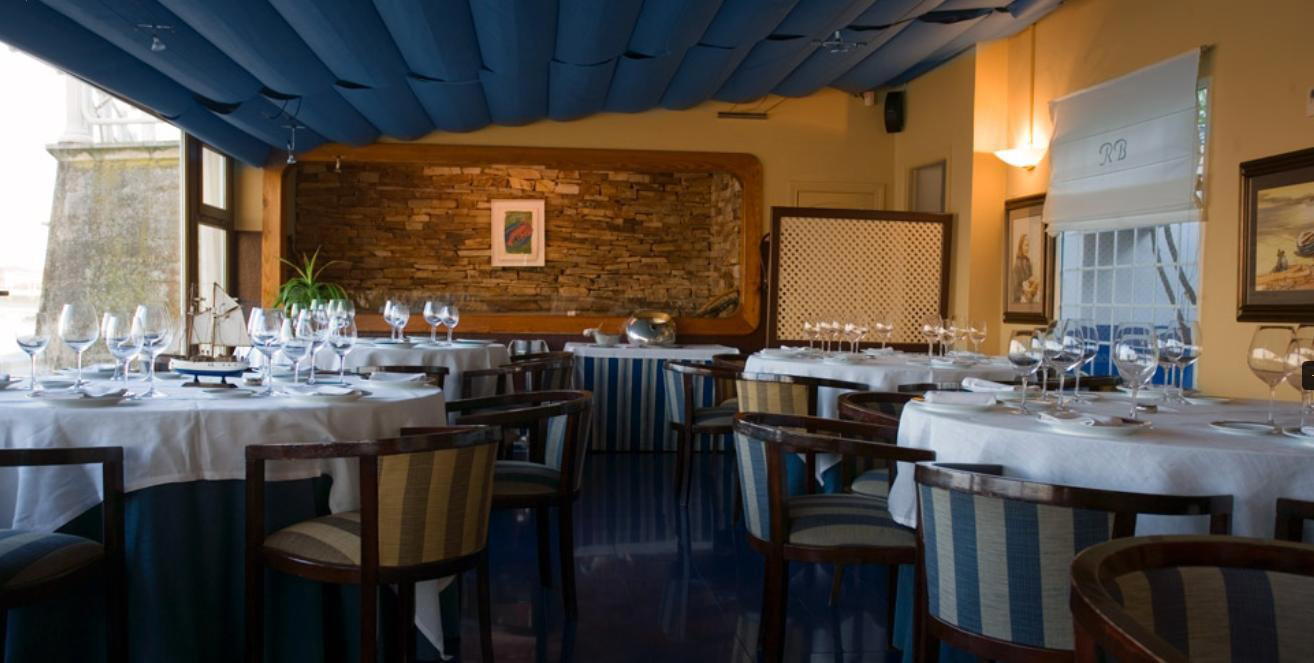
Hotels in Cudillero
Browse all →

Details
- Rustic
- Cozy
- Scenic
- Family
- Group Dining
- Terrace
- Local Sourcing
- Sustainable Seafood
- Waterfront
- A La Carte
- Vegetarian Friendly
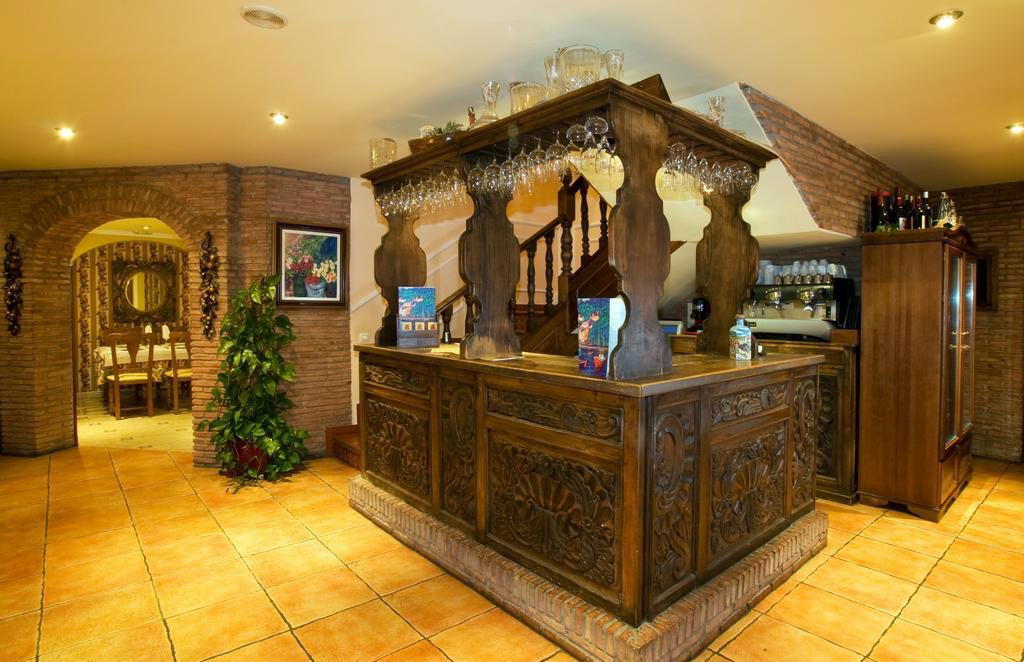
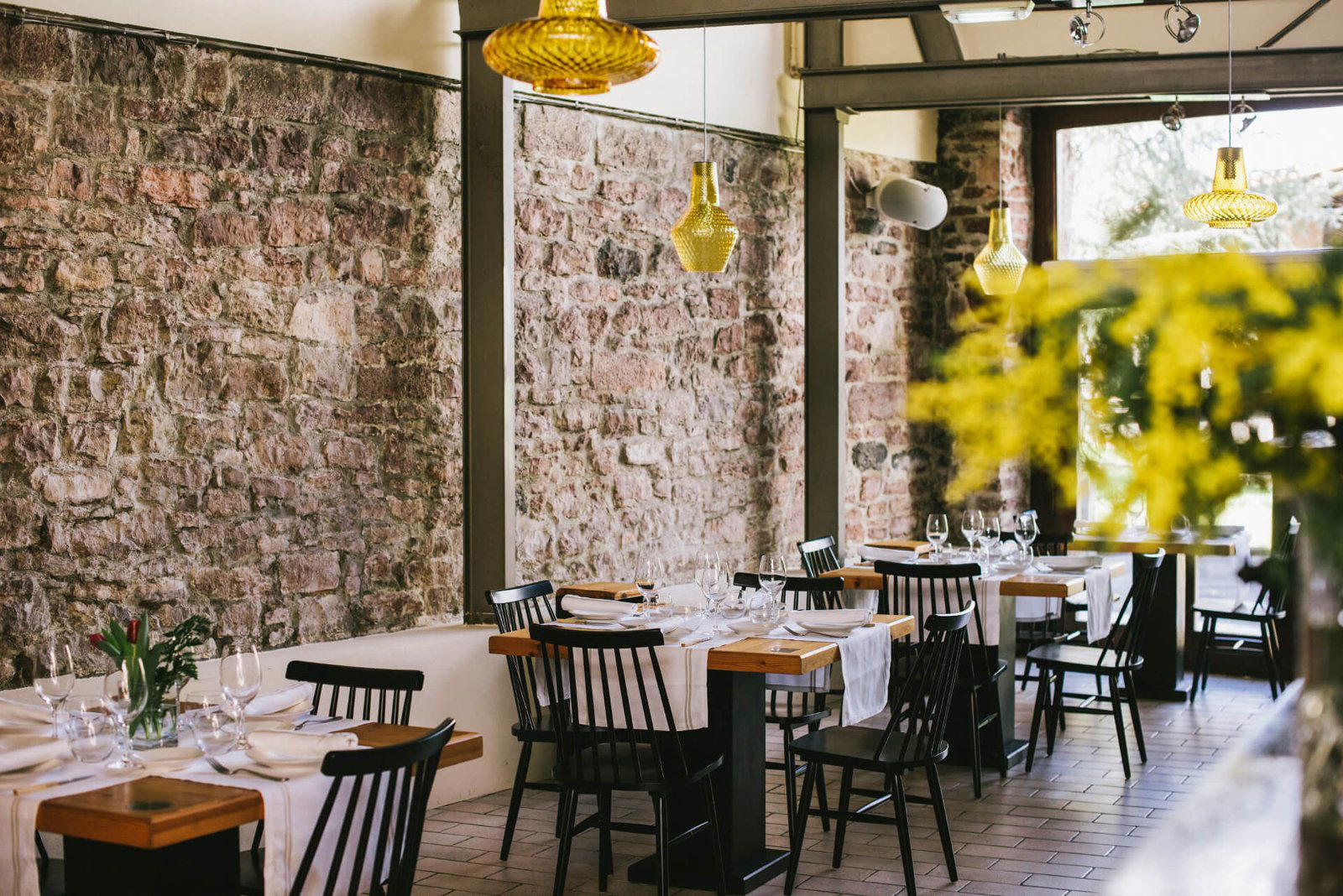
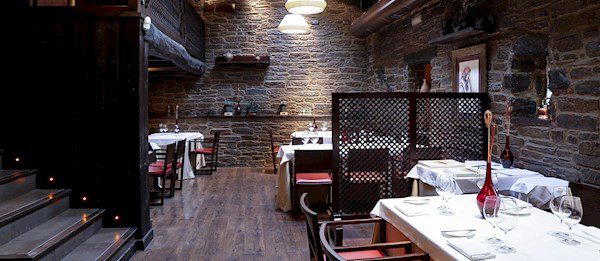
Bright and pleasant dining room with good table spacing, offering a familiar and tranquil atmosphere.