
Merendero de la Mari sits on Plaça de Pau Vila at the edge of the Barceloneta waterfront, placing it inside one of Barcelona's oldest seafood-eating traditions. The address alone carries cultural weight: this corner of Ciutat Vella has fed sailors, fishermen, and city-dwellers for generations. For visitors seeking the character of Barcelona's maritime dining culture rather than its avant-garde ambitions, this is a reference point worth knowing.
Pearl is the En Primeur Club membership app — saves, bookings, and concierge access live there. Same editors, same standards.
- Address
- Plaça de Pau Vila, 1, Ciutat Vella, 08039 Barcelona, Spain
- Phone
- +34932213141
- Website
- merenderodelamari.com
- Directions
- Get directions
 Saves & bookings on Pearl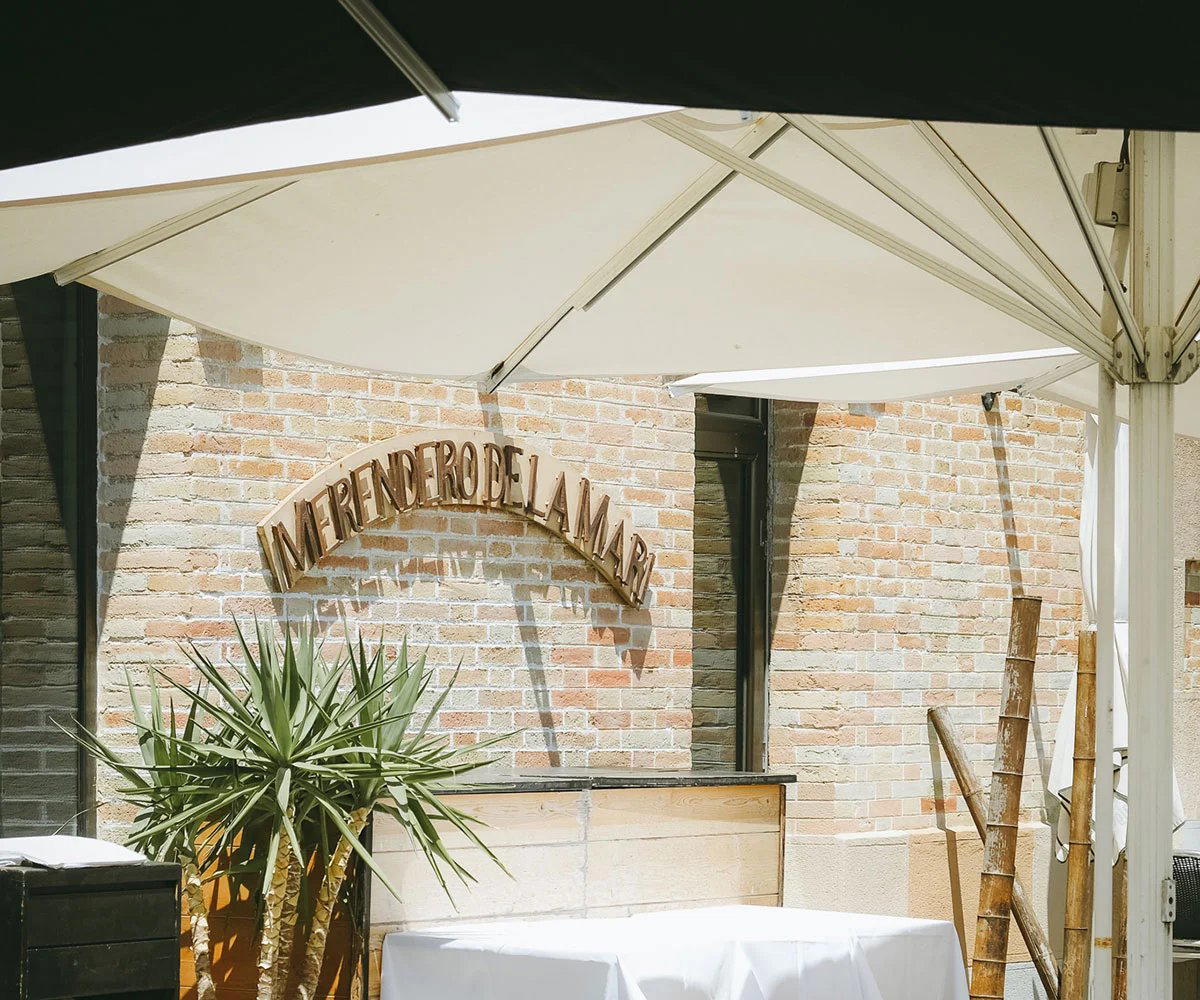
Where the Old Port Meets the Plate
Barcelona's waterfront dining divides into two distinct registers. One runs along the tourist-facing promenades of the Barceloneta strip, where volume, visibility, and rapid turnover define the offer. The other is quieter and more rooted, found on the edges of the old fishing quarter and the Barceloneta market zone, where the city's seafood tradition operates with less theatrical self-promotion. Merendero de la Mari belongs to the second register. Its address at Plaça de Pau Vila, 1, at the point where the old customs building meets the inner harbour, places it at a junction that has oriented Barcelona's relationship with the sea for centuries.
The setting is not incidental to the food. In Catalan coastal culture, the merendero format has specific social meaning: a place to eat simply, close to the water, without the formality of a restaurant but with a seriousness about the raw material. That tradition runs through the whole arc of the Mediterranean coast and has older roots than any of Barcelona's current fine-dining generation. Understanding that context is the starting point for understanding what this address offers.
Barcelona's Seafood Tradition in Context
Catalan seafood cooking is among the more codified in Spain, built around a set of techniques and combinations that predate the modernist movement by several hundred years. Suquet, the potato-based fish braise; fideuà, the noodle answer to paella; grilled whole fish dressed with romesco or allioli: these are the forms through which coastal Catalonia expresses its relationship with the sea. They require quality primary ingredients and disciplined execution rather than technical innovation, which is precisely why the leading versions of them have always been found at addresses that prioritise sourcing over concept.
Barcelona's contemporary dining identity is dominated, internationally at least, by the creative restaurants that cluster in the city's upper neighbourhoods and in its celebrated hotel dining rooms. Disfrutar, ABaC, Lasarte, Cocina Hermanos Torres, and Enigma collectively represent one of Europe's most concentrated groupings of high-ambition contemporary cooking. That creative tier, however, tells only part of the city's culinary story. The tradition-rooted waterfront restaurants tell another, and the two are not in competition so much as in parallel: they serve different needs and different moments.
Across the broader Spanish coastline, this distinction plays out at various scales. The marine-focused creativity of Aponiente in El Puerto de Santa María and Quique Dacosta in Dénia both take the sea as their subject but reframe it through technique. Addresses like Merendero de la Mari sit in an older current: the goal is fidelity to the ingredient and to the eating culture of the harbour, not transformation of it.
The Plaça de Pau Vila Setting
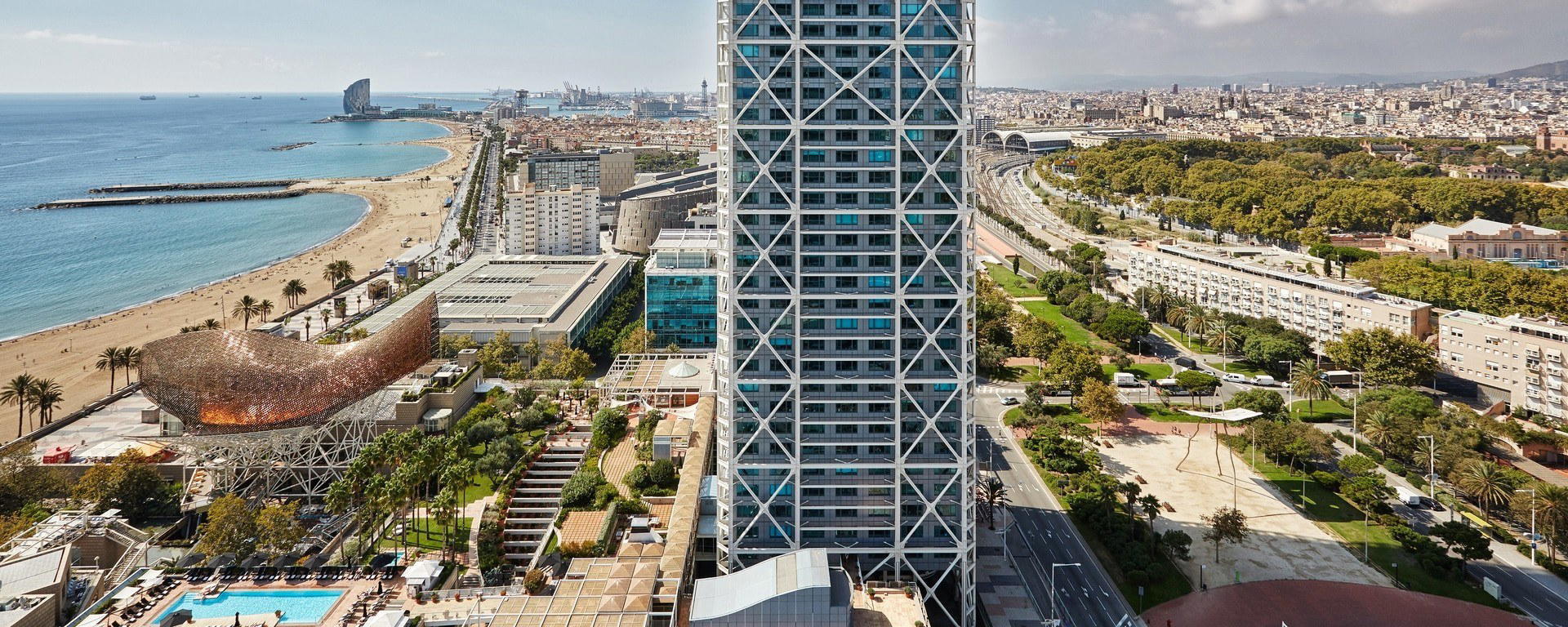
The square itself is one of Barcelona's more understated civic spaces. The Palau de Mar building, which houses the city's history museum on its upper floors, defines the northern edge of the plaza. The harbour opens to the south. On foot from the Barceloneta metro station, the walk takes roughly ten minutes through the old fishing quarter, past the market building and down to the inner port. The approach gives the visit a different quality than arriving directly from the Gothic Quarter or the Eixample: you pass through layers of the city's history rather than stepping directly from tourism infrastructure to restaurant door.
That approach matters for calibrating expectations. Plaça de Pau Vila is not the tourist-facing seafront of the Passeig Marítim, and Merendero de la Mari is not competing with the mass-market operations that line those blocks. The address connects more naturally to the logic of a neighbourhood lunch than to a formal dinner reservation, which shapes the kind of experience a visitor should arrive ready to have.
Placing Merendero de la Mari in Its comparable set
Within Barcelona's seafood dining, there is a clear hierarchy that runs from the casual waterfront chiringuito through to the market-adjacent restaurants of the Barceloneta and then up to the hotel-based and tasting-menu operations. The restaurant occupies a position in the middle of that range, where the format is sit-down and the cooking is structured, but the reference points remain the traditional Catalan seafood repertoire rather than the creative menus that define the city's Michelin tier.
The Michelin-starred bracket in Barcelona, for comparison, starts at the three-star level with restaurants like Disfrutar and runs through a dense field of one- and two-star addresses. Internationally benchmarked seafood restaurants offer a further point of comparison: Le Bernardin in New York City, for instance, operates at the opposite end of the formality and price spectrum while working from a similar premise that the sea is the primary subject. The restaurant is not positioned at either of those poles. Its value lies in something more specific: the combination of address, format, and tradition that is harder to manufacture than any tasting menu.
For visitors building a fuller picture of Spanish coastal and creative cooking, the broader context extends beyond Barcelona to restaurants like El Celler de Can Roca in Girona, Arzak in San Sebastián, Martin Berasategui in Lasarte-Oria, Azurmendi in Larrabetzu, Mugaritz in Errenteria, Ricard Camarena in València, Atrio in Cáceres, and DiverXO in Madrid. These represent the high-ambition tier of Spanish gastronomy. The restaurant answers a different question: what does the city's seafood tradition look like when it is not being reimagined but simply practised?
Planning Your Visit
The address at Plaça de Pau Vila, 1, in the Ciutat Vella postal zone of 08039 is accessible on foot from both the Barceloneta and Barceloneta-Parc de la Ciutadella areas. Reservations are recommended, and the dress code is smart casual. The location is better suited to lunch than to late dinner, given both its waterfront setting and the broader rhythms of Catalan eating culture, where the midday meal carries more weight than the evening service.
Budget Reality Check
Comparable venues nearby, for context on price, style, and recognition.
| Venue | Cuisine | Price | Notes |
|---|---|---|---|
| Merendero de la MariThis venue — the venue you are viewing | Port Vell, Classic Catalan Seafood | $$$ | Not listed |
| Asador de Aranda - Paralelo | el Raval, Traditional Castilian Asador | $$$ | Not listed |
| Cachitos | Not listed | $$$ | la Dreta de l'Eixample, Spanish Mediterranean Tapas & Paella |
| Els 4Gats | Not listed | $$$ | Barri Gotic, Traditional Catalan & Mediterranean |
| El Nacional Barcelona | Not listed | $$$ | la Dreta de l'Eixample, Spanish Gastronomic Multispace |
| Tapes La Bona Sort | Not listed | $$ | Sant Pere, Santa Caterina i la Ribera, Modern Catalan Tapas |
Recognition history
Dated appearances from independent guides and award organizations, with the underlying list record or original source where available.
Macarfi 6.5 Food Rating
Macarfi
Continue exploring
More in Barcelona
Restaurants in Barcelona
Browse all →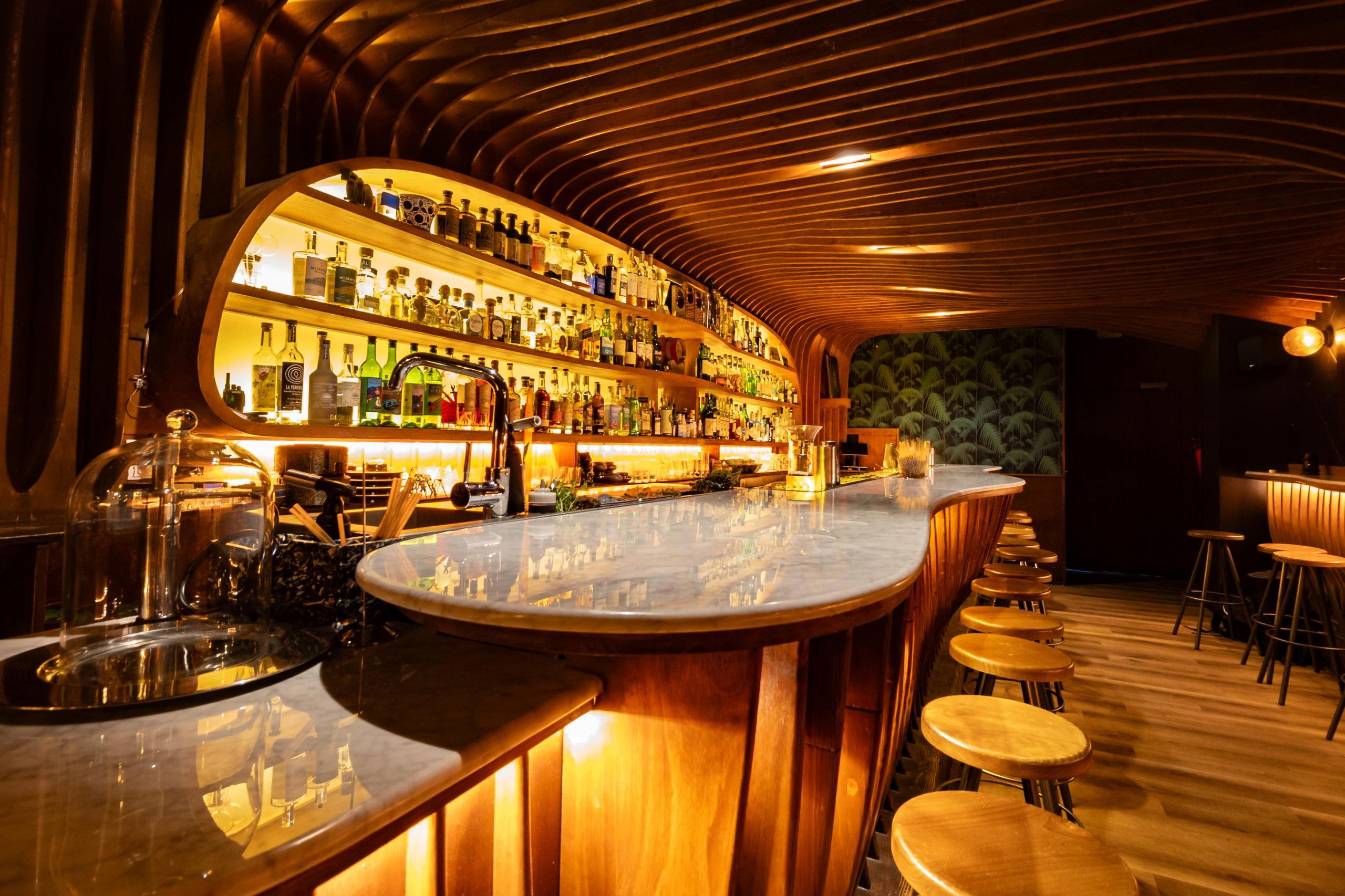
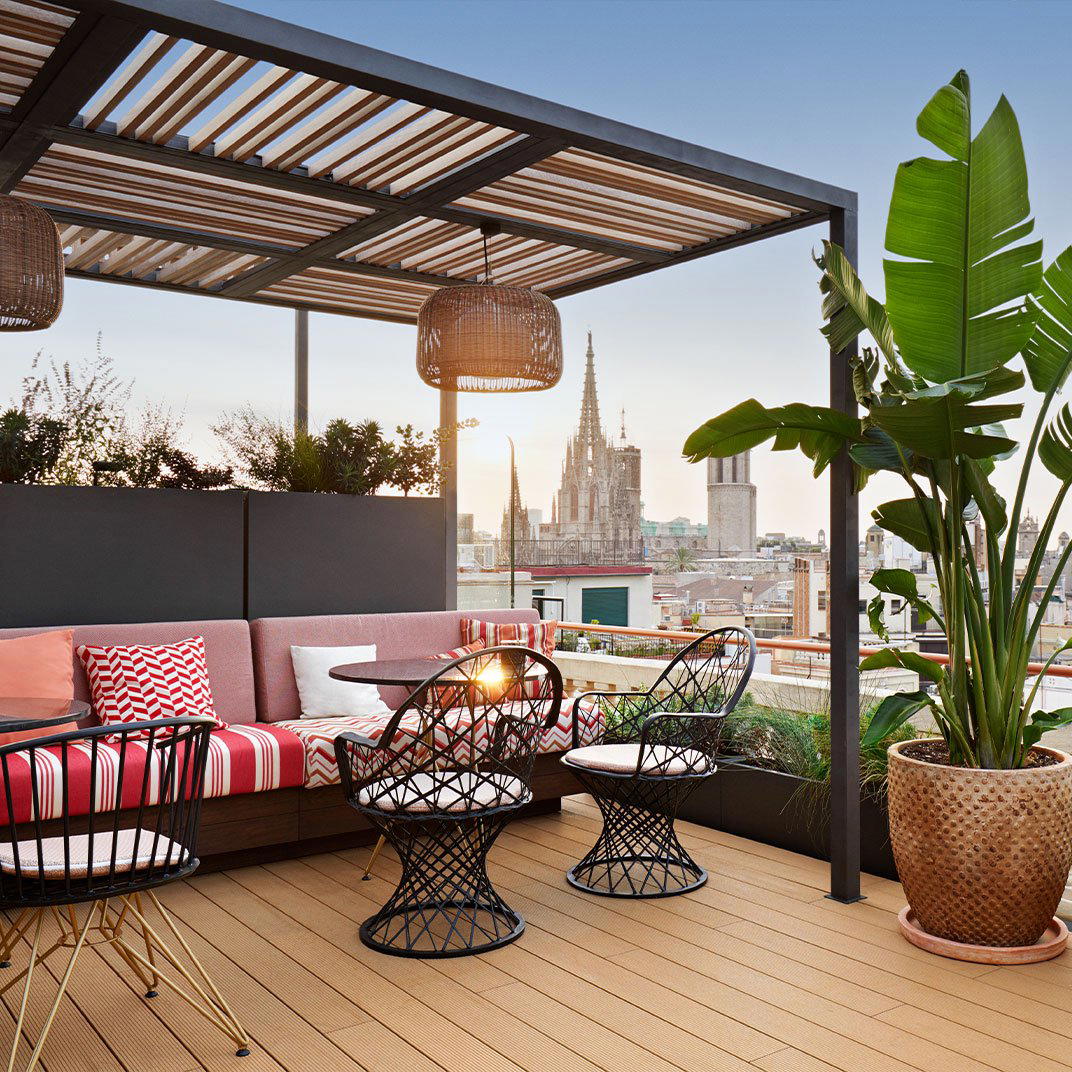
Bars in Barcelona
Browse all →
Hotels in Barcelona
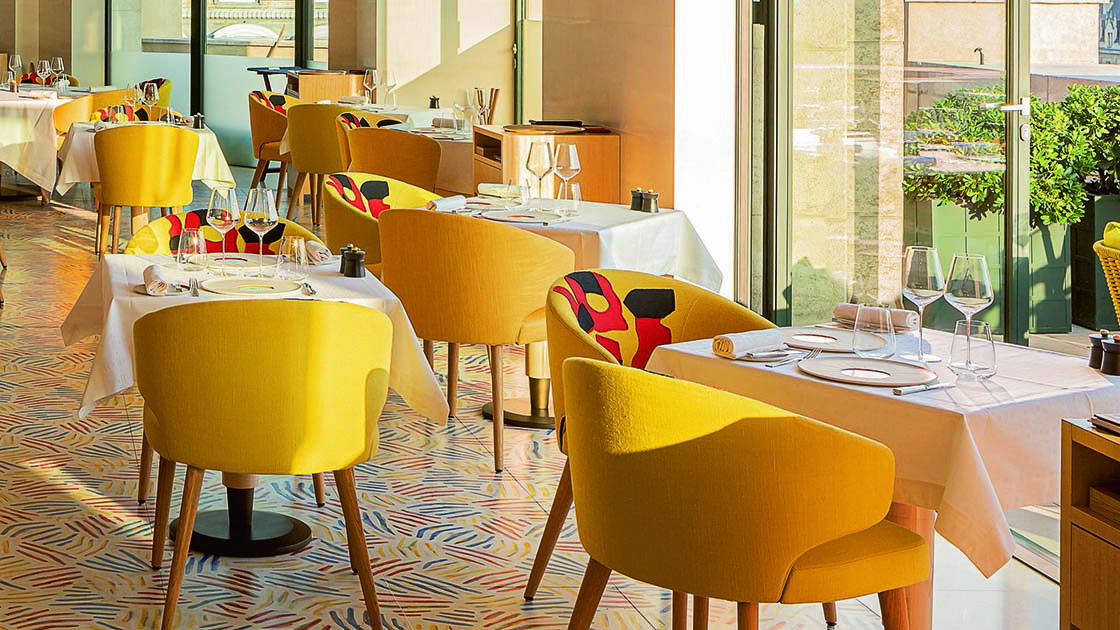
Browse all →
At a Glance
- Cozy
- Classic
- Scenic
- Family
- Date Night
- Group Dining
- Terrace
- Historic Building
- Extensive Wine List
- Local Sourcing
- Waterfront
- Street Scene
Current opening hours
- Monday
- 12:30–11 PM
- Tuesday
- 12:30–11 PM
- Wednesday
- 12:30–11 PM
- Thursday
- 12:30–11 PM
- Friday
- 12:30–11 PM
- Saturday
- 12:30–11 PM
- Sunday
- 12:30–11 PM
Hours can change for holidays and private events. Last verified .
Warm and friendly atmosphere with sea-inspired décor, ideal for cozy dinners and family gatherings.