On Carrer dels Carders in the El Born quarter of Ciutat Vella, Tapes La Bona Sort occupies the kind of address that defines Barcelona's mid-tier tapas tradition: a narrow street where neighbourhood bars outnumber tourists and the proposition is one of honest, unhurried eating rather than spectacle. For visitors accustomed to booking weeks ahead at the city's destination restaurants, it offers a different entry point into how Barcelona actually feeds itself.
Pearl is the En Primeur Club membership app — saves, bookings, and concierge access live there. Same editors, same standards.
- Address
- Carrer dels Carders, 12, Ciutat Vella, 08003 Barcelona, Spain
- Phone
- +34933105460
- Website
- tapaslabonasort.com
- Directions
- Get directions
 Saves & bookings on Pearl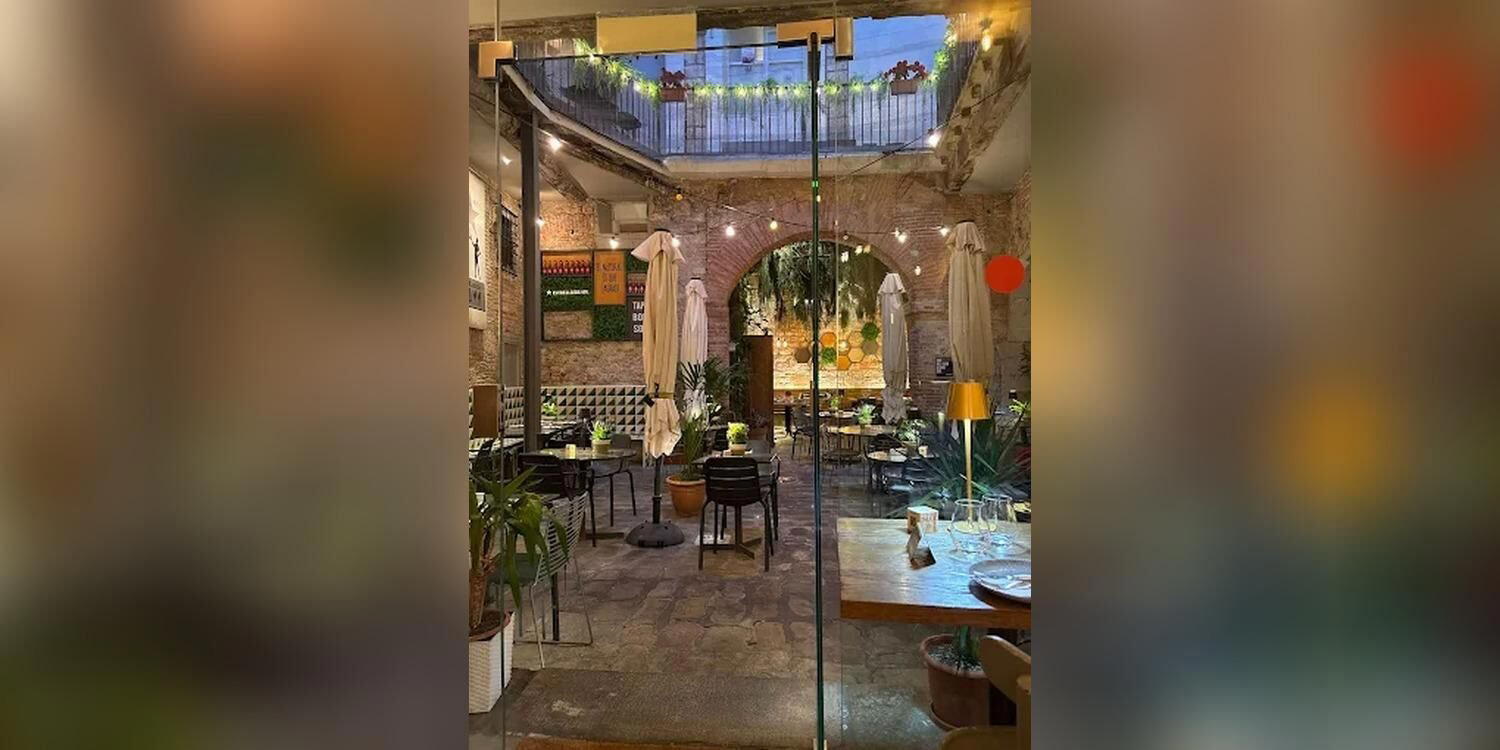
El Born and the Logic of the Neighbourhood Tapas Bar
Tapes La Bona Sort is a modern Catalan tapas restaurant in Barcelona's Ciutat Vella, with a casual dress code, recommended reservations, and an average price of about $25 per person. Barcelona's dining identity is frequently read through its highest-profile addresses. Disfrutar, Cocina Hermanos Torres, and ABaC represent a tier of creative cooking that places the city among Spain's most decorated dining destinations, alongside El Celler de Can Roca in Girona, Arzak in San Sebastián, and Mugaritz in Errenteria. But the city's more enduring dining culture operates at a different scale entirely, in the tapas bars and neighbourhood bodegas that fill the gaps between the headline venues. The El Born quarter, specifically the stretch of streets running east from the Palau de la Música, concentrates a particular density of these everyday eating places, and Tapes La Bona Sort at Carrer dels Carders 12 sits within that tradition.
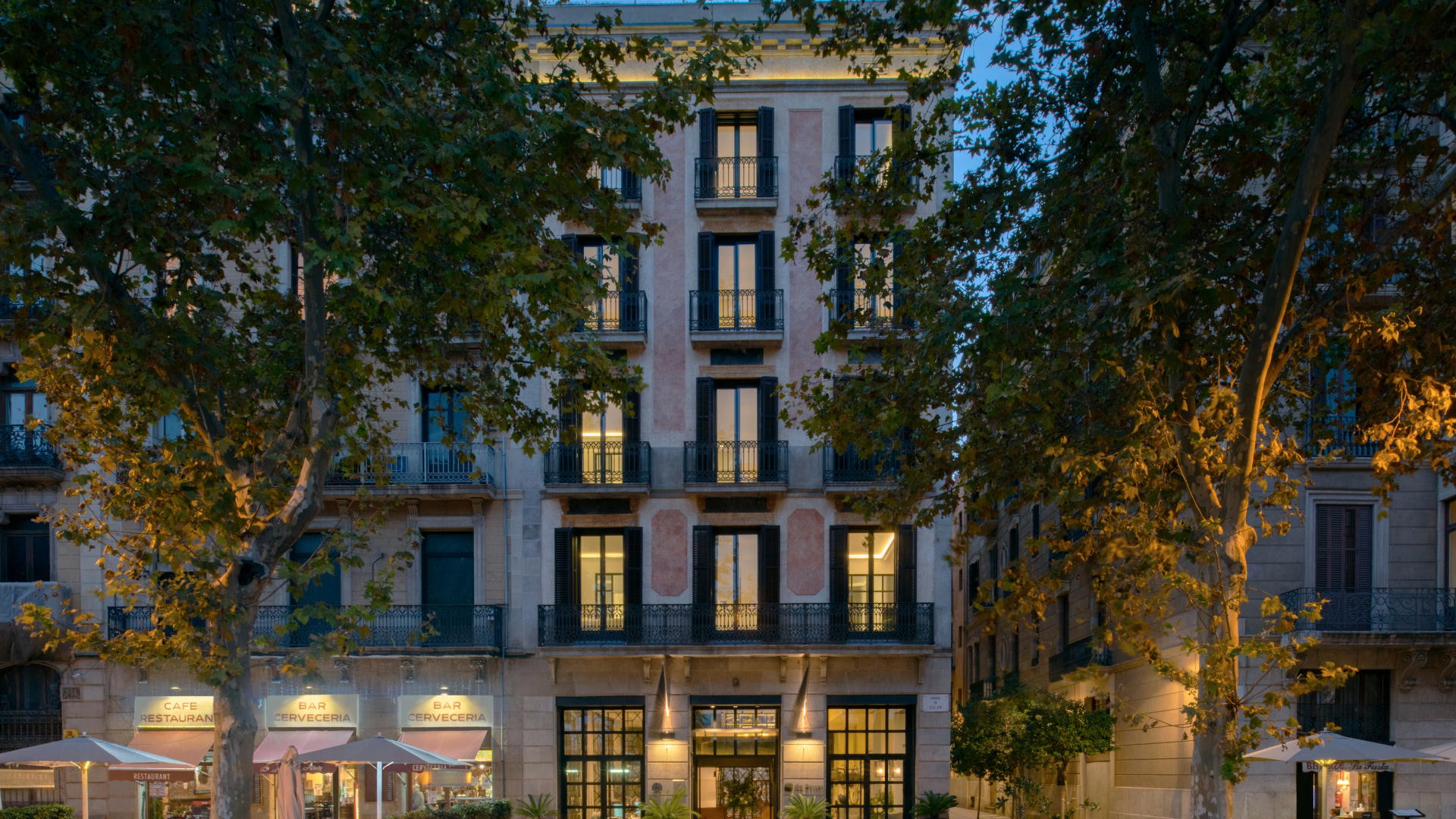
Carrer dels Carders is a narrow, flagstoned street in Ciutat Vella, the old city district that covers the Gothic Quarter, El Born, and the Barceloneta waterfront. By day it carries the foot traffic of locals shopping at the covered market on the adjacent square; by early evening it shifts into the rhythms of the aperitivo hour, when the city's pre-dinner drinking and snacking culture emerges in earnest. The physical approach to the bar reflects this: a modest frontage, the kind of signage that communicates to regulars rather than passersby, and an interior scaled for proximity rather than production.
How the Meal Tends to Move
The tapas format, as it functions in Catalan neighbourhood bars, resists the tasting-menu logic that governs places like Enigma or Lasarte. There is no fixed sequence, no interlude of amuse-bouches, no sommelier-directed wine pairing. Instead, the meal builds through accumulation: a first round of cold items, often preserved or cured, ordered quickly and eaten standing or at a small table; then one or two hot plates as the conversation settles; then a final ronda of whatever looked good on an adjacent table. The rhythm is conversational rather than choreographed.
This structure is worth understanding before you arrive. The tapas bar does not present a narrative arc imposed by the kitchen. It invites one you construct yourself, which means the quality of the experience depends significantly on the pace you set. Order too much at once and the table becomes crowded before you have a chance to register what is in front of you. Order too slowly and the momentum dissipates. One rewarding approach is to begin with two or three items, assess, and build from there.
The Catalan tapas tradition draws on a pantry quite different from the Castilian bar food associated with Madrid: salt cod appears in several guises, pa amb tomàquet (bread rubbed with tomato and oil) underpins almost everything, and local sausages such as fuet and botifarra tend to anchor the cured-meat selections. In the El Born context, the bar's position in a neighbourhood with strong market infrastructure generally means access to ingredients that reflect seasonal availability rather than year-round standardisation.
Placing the Bar in Its Competitive Set
The tapas bar category in Barcelona spans a wide range. At one end sit the tourist-facing operations around Las Ramblas and the Gothic Quarter, where price premiums are charged against captive foot traffic and quality is inconsistent. At the other sit a smaller group of bars with genuine neighbourhood credibility, where the clientele is predominantly local, the wine list runs to house carafes and a handful of regional bottles, and the kitchen produces food that is technically modest but sourced with more care than the price suggests. Tapes La Bona Sort belongs to the latter category by address and orientation, positioned in a stretch of El Born that remains more residential than touristic.
For comparative orientation: the city's four-star creative restaurants, including Cocina Hermanos Torres and Disfrutar, operate at price points where a tasting menu for two, with wine, typically exceeds €300. Spain's broader fine-dining circuit, stretching from Aponiente in El Puerto de Santa María to Quique Dacosta in Dénia and Azurmendi in Larrabetzu, operates in a similar tier. A shared meal at a neighbourhood tapas bar of this type typically runs at a fraction of those sums, with the trade-off being format and ambition rather than care or authenticity. For readers who want that contrast in a single trip, the two registers of eating are genuinely compatible within a Barcelona itinerary.
It is also worth noting that international reference points shift when you move into this category. The neighbourhood tapas bar is not analogous to Le Bernardin in New York City or Atomix in New York City. It sits closer to the brasserie or the trattoria in terms of its social function: a place for repeated visits, for eating without occasion, for the kind of meal that does not ask to be remembered as an event. Spain has a stronger culture of this format than most European countries, and Barcelona's El Born quarter is one of its better-preserved examples.
What the Address Tells You
Carrer dels Carders 12 is close to the Mercat de Santa Caterina, the undulating-roofed covered market that serves as the neighbourhood's primary food infrastructure. That proximity to a functioning produce market is a relevant signal for any bar operating in the tapas tradition: the supply chain is short, and the kitchen's options reflect what the market is moving rather than what a centralised distributor is offering. The broader Ciutat Vella district covers the oldest parts of the city, with street-level commercial activity that has persisted through successive waves of gentrification without the full displacement seen in some equivalent European old-city neighbourhoods. El Born in particular has held a denser mix of resident-serving businesses alongside the wine bars and concept shops that arrived from the early 2000s onward.
Spain's wider restaurant scene, from Martin Berasategui in Lasarte-Oria to Ricard Camarena in València and Atrio in Cáceres, also provides useful context for understanding how the neighbourhood bar fits within the country's broader eating culture.
Fast Comparison
Comparable venues nearby, for context on price, style, and recognition.
| Venue | Cuisine | Price | Notes |
|---|---|---|---|
| Tapes La Bona SortThis venue — the venue you are viewing | Modern Catalan Tapas | $$ | Not listed |
| Tapas Y Mar | Spanish Seafood Tapas | $$ | la Barceloneta |
| Pepa Tomate Parlament | Modern Catalan Tapas | $$ | Sant Antoni |
| Denassus | Modern Catalan Tapas & Natural Wine | $$ | Sant Antoni |
| La Bodegueta Provença | Modern Spanish Tapas | $$ | la Dreta de l'Eixample |
| Can Martí Restaurant | Traditional Catalan Grill | $$ | Vallvidrera, el Tibidabo i les Planes |
Continue exploring
More in Barcelona
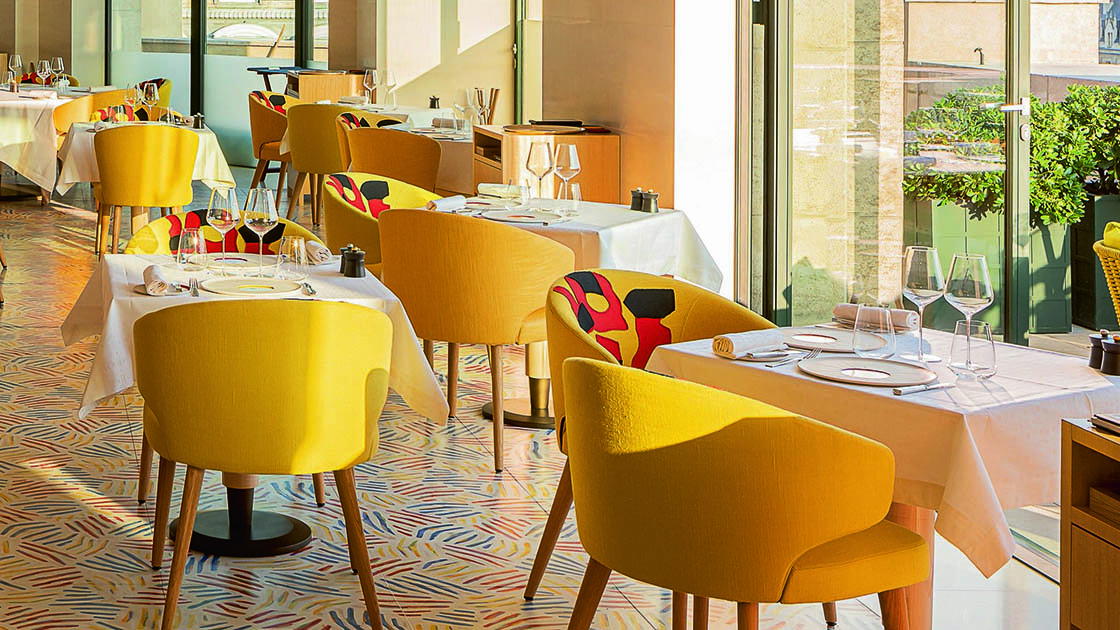
Restaurants in Barcelona
Browse all →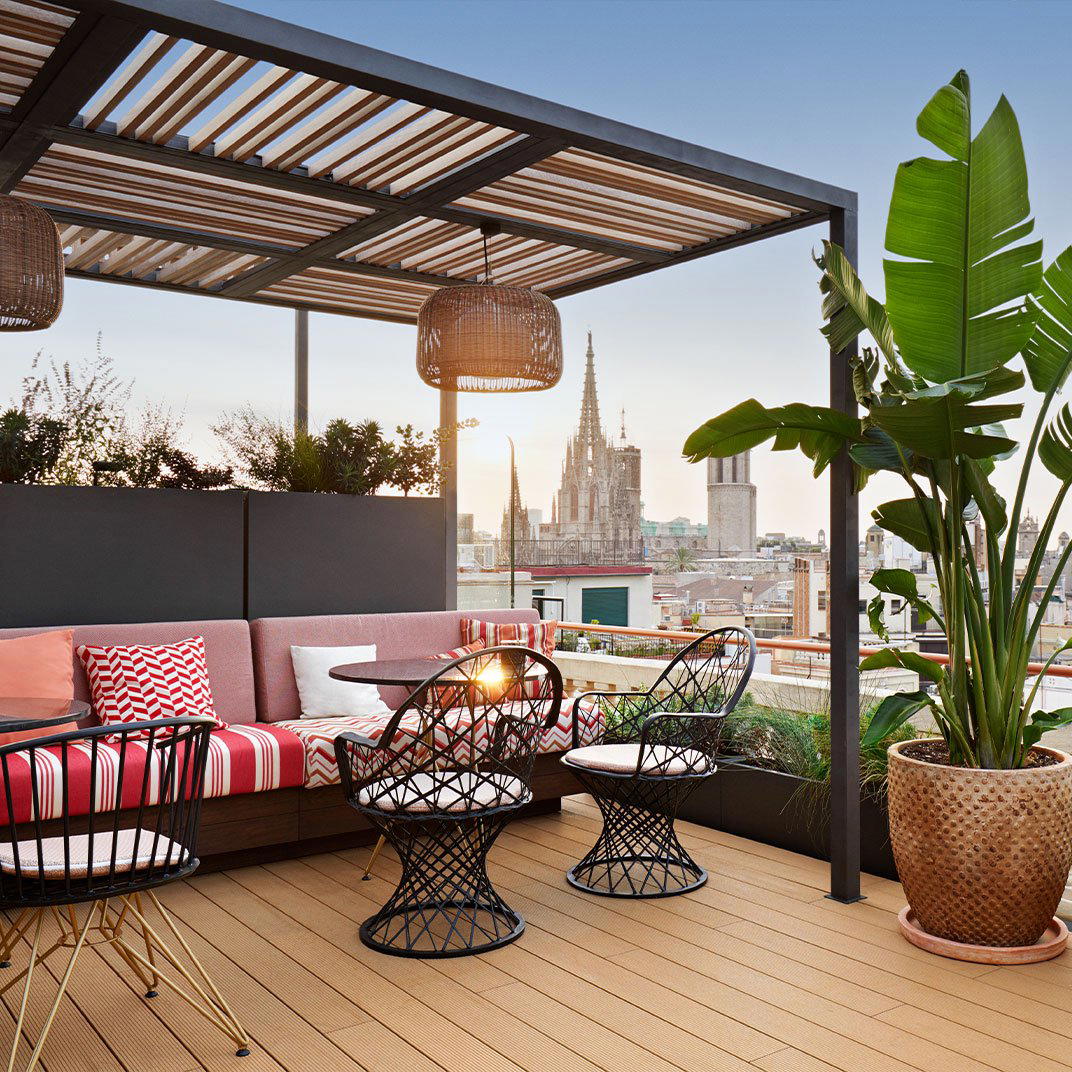
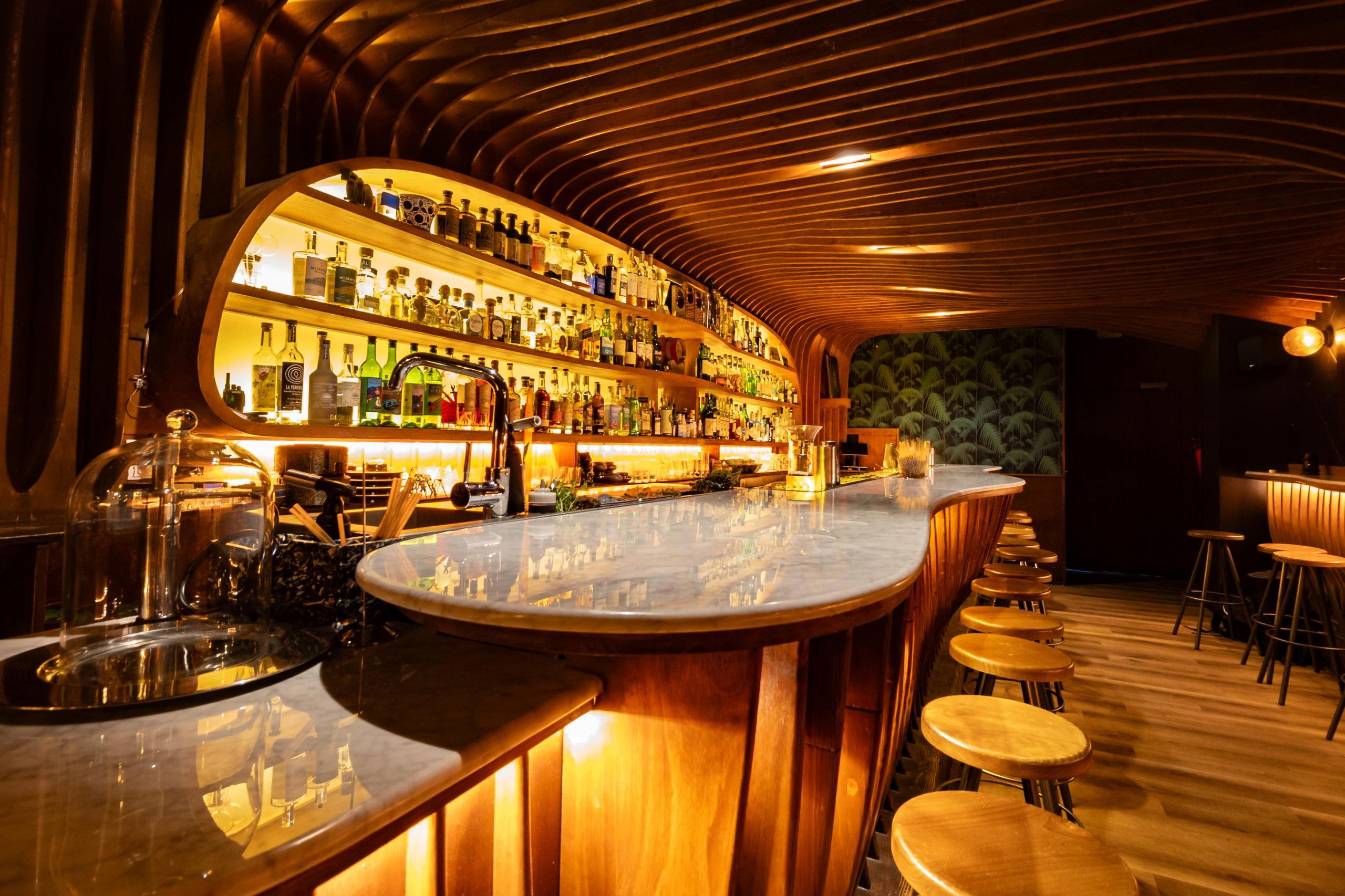
Bars in Barcelona
Browse all →
Hotels in Barcelona
Browse all →

At a Glance
- Modern
- Cozy
- Trendy
- Casual Hangout
- Group Dining
- Garden
- Terrace
- Garden
Current opening hours
- Monday
- 12–11:30 PM
- Tuesday
- 12–11:30 PM
- Wednesday
- 12–11:30 PM
- Thursday
- 12–11:30 PM
- Friday
- 12 PM–12 AM
- Saturday
- 12 PM–12 AM
- Sunday
- 12:30–11:30 PM
Hours can change for holidays and private events. Last verified .
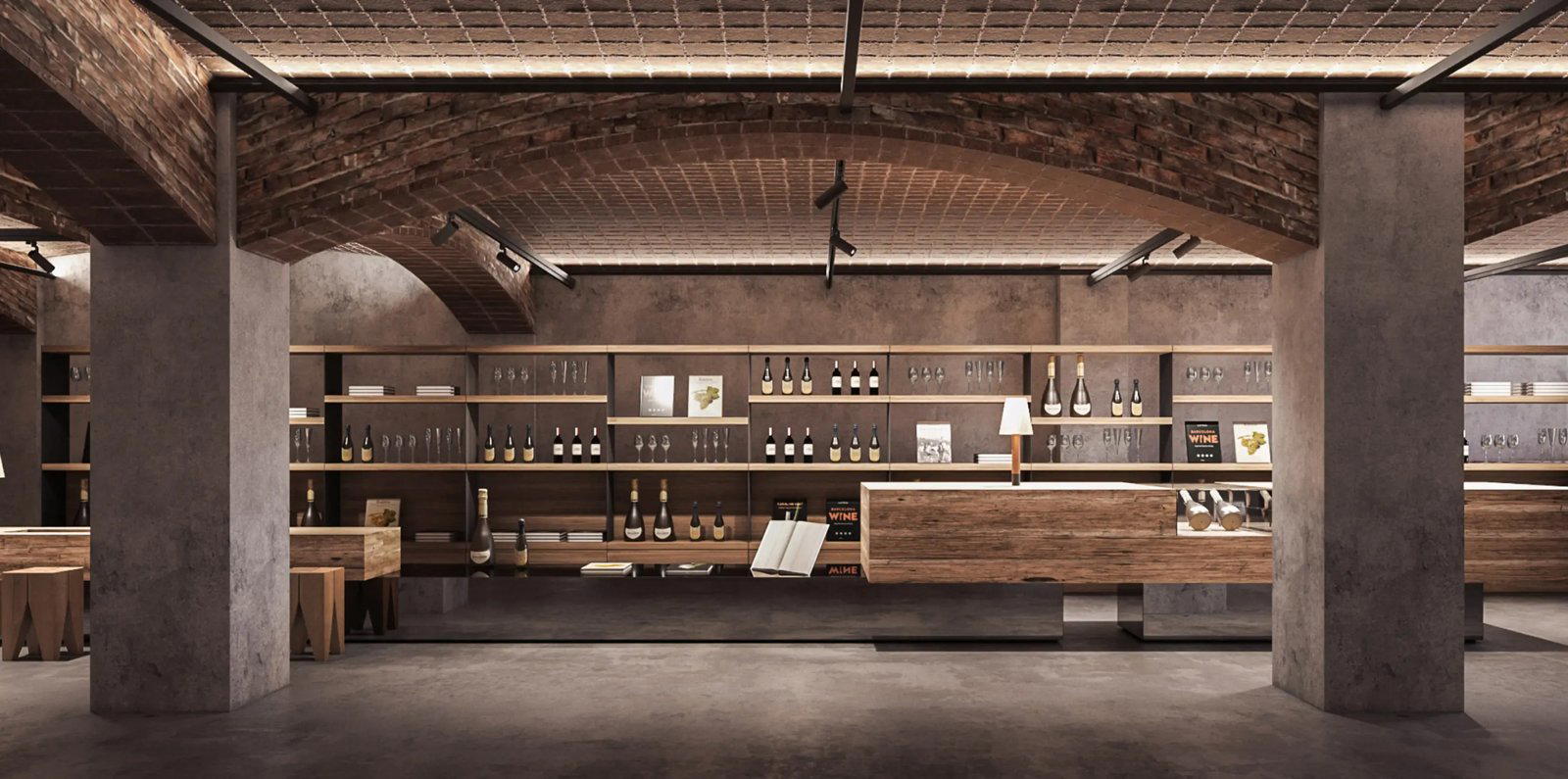
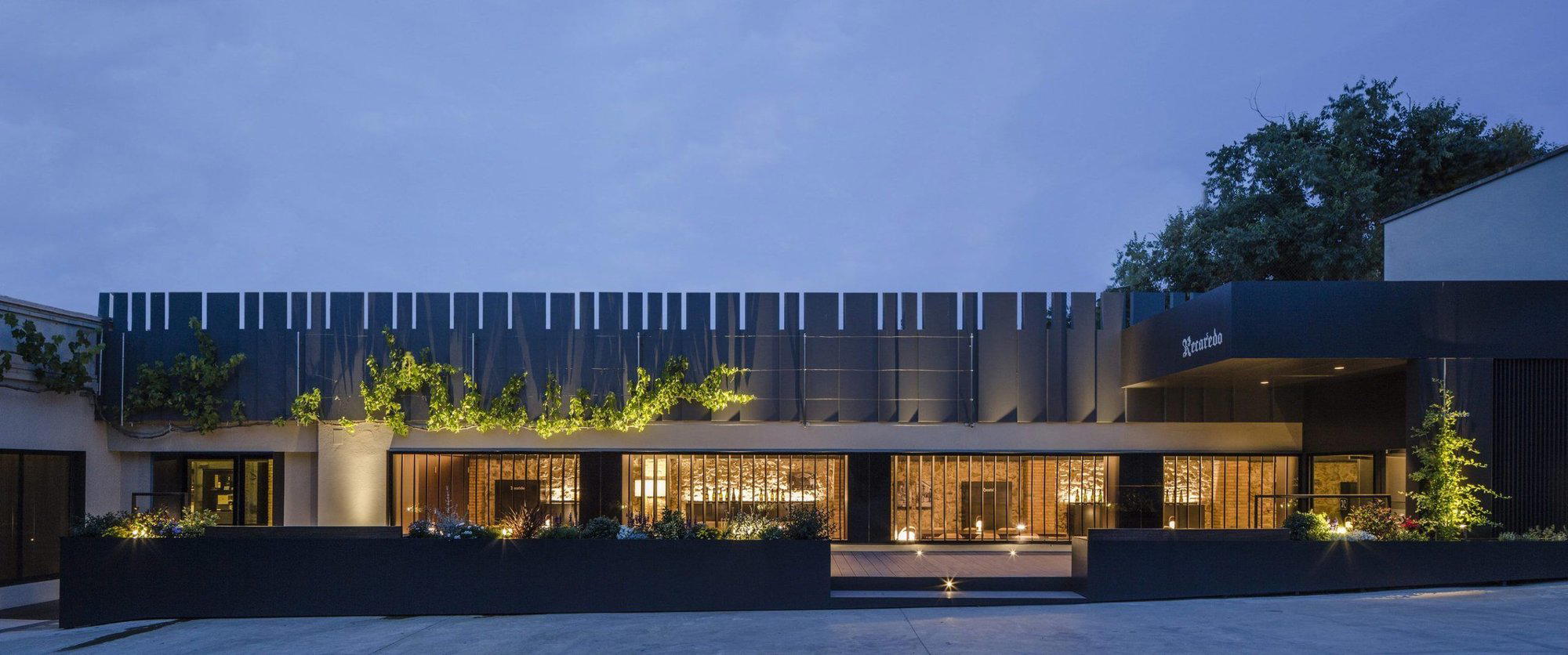
Stylish and modern atmosphere in a former wine cellar with organic wooden theme, cozy interior, and lovely outdoor terrace.