
Sapporo Bon no Kaze belongs to the city’s serious ramen circuit: compact, counter-led, and recognized in Tabelog’s Ramen HOKKAIDO 100 selections for 2024 and 2025. The appeal is less about ceremony than discipline, placing it in the practical end of Sapporo dining where timing, format, and local noodle habits matter.
Pearl is the En Primeur Club membership app — saves, bookings, and concierge access live there. Same editors, same standards.
- Address
- 15 Chome-1-1 Minami 8 Jonishi, Chuo Ward, Sapporo, Hokkaido 064-0808, Japan
- Phone
- +81 11-512-2002
- Website
- bon-no-kaze-sugimura.com
 Saves & bookings on Pearl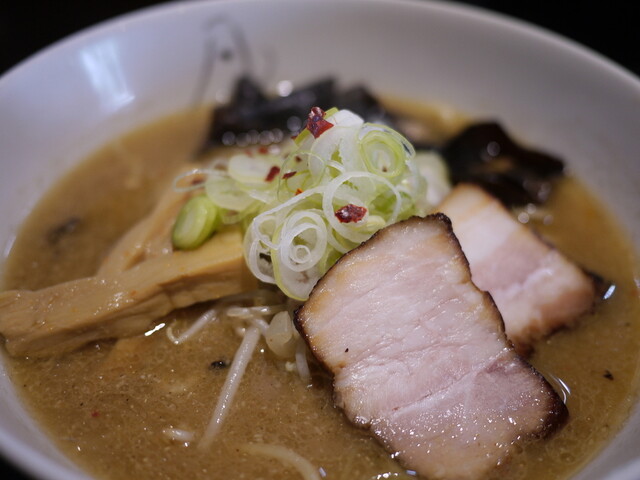
Approaching a small ramen room in Sapporo is rarely theatrical. The rhythm appears before the bowl: purposeful movement, compressed counter dining, and the calculation of whether a seat opens before the kitchen reaches its daily limit. That is the frame for Sapporo Bon no Kaze. It belongs to the city’s everyday ramen culture rather than luxury dining, but recognition in Tabelog’s Ramen HOKKAIDO 100 selections for both 2024 and 2025 puts it in a selective local bracket.
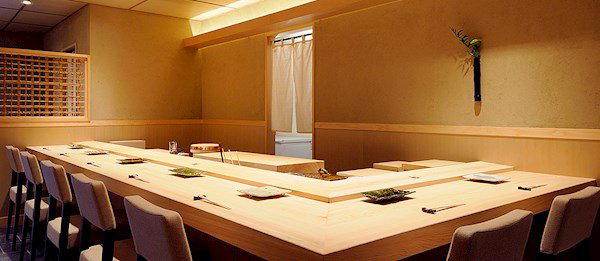
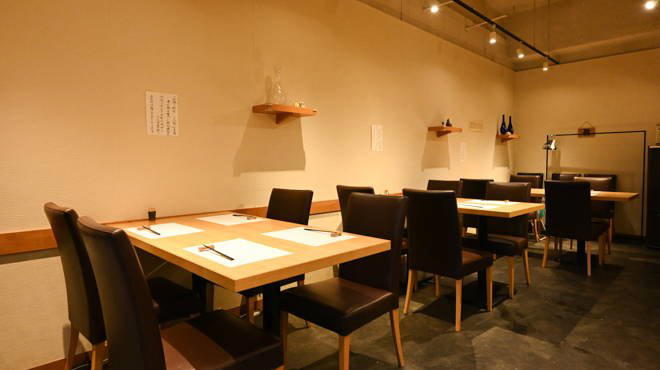
Sapporo’s ramen identity is often reduced to miso, butter, corn, and cold-weather appetite. The shorthand misses a scene where compact shops compete through broth clarity, tare balance, noodle texture, and service speed rather than décor or menu sprawl. A serious Sapporo ramen crawl is built on these small differences. A 16-seat shop with counter seating and table space for small groups fits a format where throughput and timing shape the meal as much as the bowl.
A compact ramen room built for decisive eating
The format matters. Counter-led ramen shops reward diners who arrive ready, order decisively, and understand that lingering is not the point. Sapporo Bon no Kaze fits that grammar: a small room, ramen focus, take-out service, and a non-smoking policy. Solo diners benefit from the counter; families or groups must factor in limited table seats, especially during busier lunch and dinner windows.
The planning experience is part of the appeal. In Japan’s better ramen shops, reservations are often irrelevant or unavailable because the model depends on walk-in turnover. Selectivity comes from arrival time, room turnover, and whether the kitchen has enough stock to keep serving. Sapporo ramen rewards loose scheduling; wedging a serious noodle stop between fixed appointments and expecting the city to cooperate is poor form.
Useful comparison is not with formal Japanese restaurants but with other specialist rooms. Ramen Mokuyoubi operates at a lower listed spend, while Go Maru Do sits in a similar everyday bracket. Soup curry, another Sapporo calling card, moves differently: Nishitonden Dori Soup Curry Honpo belongs to a higher casual spend band and a slower dining rhythm. Ramen is built around compression; soup curry usually permits more table time. That should shape a day of eating.
For a wider map, Our full Sapporo restaurants guide is the natural starting point. Nearby categories broaden the story: Sichuan-leaning noodles at 175°DENO Tantanmen Sapporo kitaguchi ten, curry specialization at [Curry Senmon Ten] Maruyama Kyoju., and the city’s Indo-curry lineage through Ajanta Indo Curry Ten and Ajanta Sohonke. Sapporo eating is not one lane; ramen is where speed and technical repetition are judged most sharply.
What the awards signal in Hokkaido ramen
Tabelog’s Hyakumeiten lists are not luxury awards, which is why they matter here. A Hokkaido ramen selection signals local credibility in a crowded field of inexpensive, high-volume, highly opinionated shops. Sapporo Bon no Kaze’s inclusion in the 2024 and 2025 Ramen HOKKAIDO 100 selections aligns with how Japanese diners sort everyday excellence: through repeated performance within a narrow category, not linen, wine lists, or chef biography.
That category focus also protects the experience from inflation reshaping parts of Japan’s dining scene. Sapporo has formal counters and high-spend rooms such as Oryori Fujita, and mid-to-higher casual formats such as Michikusa Bazaar. Ramen has another social role. It can be a dedicated stop for travelers, but remains daily-use food for locals, judged by whether the bowl justifies the queue, wait, and return visit. That standard is harder than it sounds.
The absence of a public chef narrative is not a weakness. Ramen shops often live or die by repeatable systems rather than personality-led storytelling. A foregrounded biography can distract from the test: whether the kitchen delivers consistency in a small space under walk-in pressure. Here, the evidence is category recognition, operation since opening in 2006, and a room designed for direct service rather than spectacle.
How to place it in a Sapporo itinerary
Sapporo rewards travelers who build meals by neighborhood and category rather than chasing one grand booking. A ramen stop like this works as an anchor around Chuo Ward, especially when the day stays flexible. Treat it as a focused interval, not the center of an evening: arrive, eat, clear the seat, continue.
That rhythm makes the surrounding city more legible. Pair ramen research with bakery and café stops such as Aigues Vives, then use the city guides to choose the next move: a bar, hotel, winery, or experience through Our full Sapporo hotels guide, Our full Sapporo bars guide, Our full Sapporo wineries guide, and Our full Sapporo experiences guide. The stronger Sapporo itinerary alternates specialist food stops with slower pauses instead of stacking rich meals back to back.
For readers comparing Japanese casual formats beyond Hokkaido, the contrast is instructive. A beef-focused meal such as -Grilled beef Sukiyaki- KAMAKURA TANUKIAN 鎌倉 たぬき庵 in Kamakura, a Tokyo izakaya-style address like. 鮪と炭火焼き うお炭 秋葉原店 in Tokyo, a café stop such as.cafe in Osaka, or a regional room like.know in Kumamoto each asks for a different tempo. So do (Shoku) Vietnam in Kawasaki, [ki:] in Kyoto, Jōdo Saké Bar in Los Angeles, and Onigiri Time in Pasadena. Ramen remains the compressed form: the decision is quick, the standard high, and the margin for error small.
The verdict is simple. The restaurant is for travelers who know a serious food city is measured not only by reservation counters and chef-led rooms, but by modest shops locals scrutinize bowl by bowl. Its value lies in category discipline: a ramen specialist with repeat Hyakumeiten recognition, a small-room format, and a place inside Sapporo’s practical eating culture.
Cuisine-First Comparison
Comparable venues at the same tier for side-by-side context.
| Venue | Cuisine | Price | Notes |
|---|---|---|---|
| Sapporo Bon no KazeThis venue — the venue you are viewing | Classic Sapporo Ramen Shop | $ | Not listed |
| Hokkaido Meibutsu La-men Ebi Soba Ichigen Souhonten | Hokkaido shrimp ramen (ebisoba) | $ | Chūō |
| Coffee House | Japanese curry restaurant | $ | Chūō |
| Sapporo Ramen Kifu Susukino ten | Japanese Ramen | $ | Chūō |
| European Curry Domon | Japanese European-style curry house | $ | Toyohira |
| Asahikawa Ramen Nanashi | Traditional Asahikawa-style Ramen | $ | Nishi |
Recognition history
Dated appearances from independent guides and award organizations, with the underlying list record or original source where available.
Tabelog 100 #100 · No. 100
Tabelog · Tabelog 100 - Ramen - HOKKAIDO - 2025
At a Glance
- Cozy
- Modern
- Solo
- Casual Hangout
- After Work
- Late Night
- Standalone
Current opening hours
- Monday
- 11 AM–3:30 PM, 6–8 PM
- Tuesday
- 11 AM–3:30 PM, 6–8 PM
- Wednesday
- Closed
- Thursday
- 11 AM–3:30 PM, 6–8 PM
- Friday
- 11 AM–3:30 PM, 6–8 PM
- Saturday
- 11 AM–3:30 PM, 6–8 PM
- Sunday
- 11 AM–3:30 PM, 6–8 PM
Hours can change for holidays and private events. Last verified .
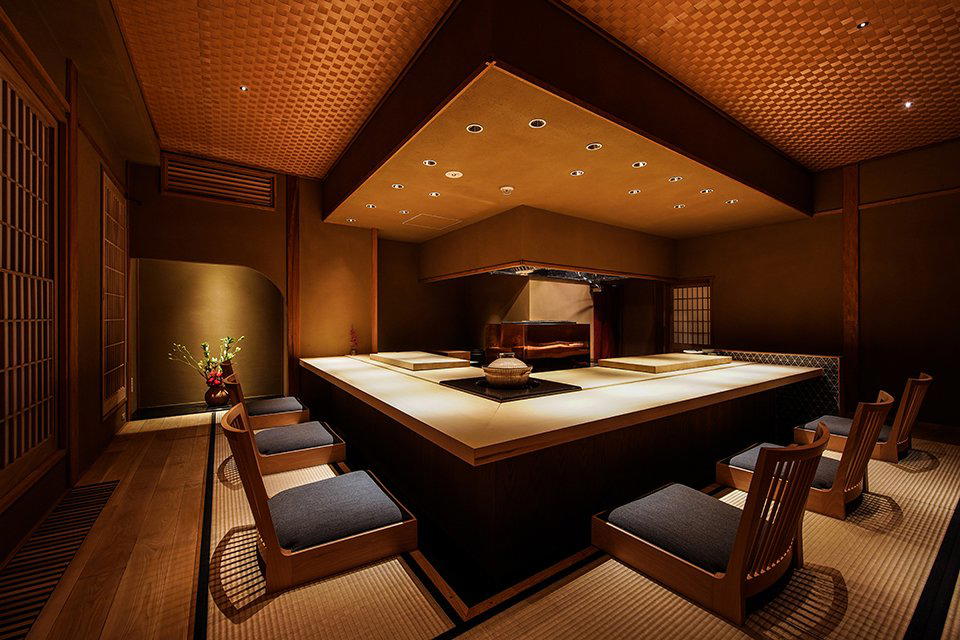
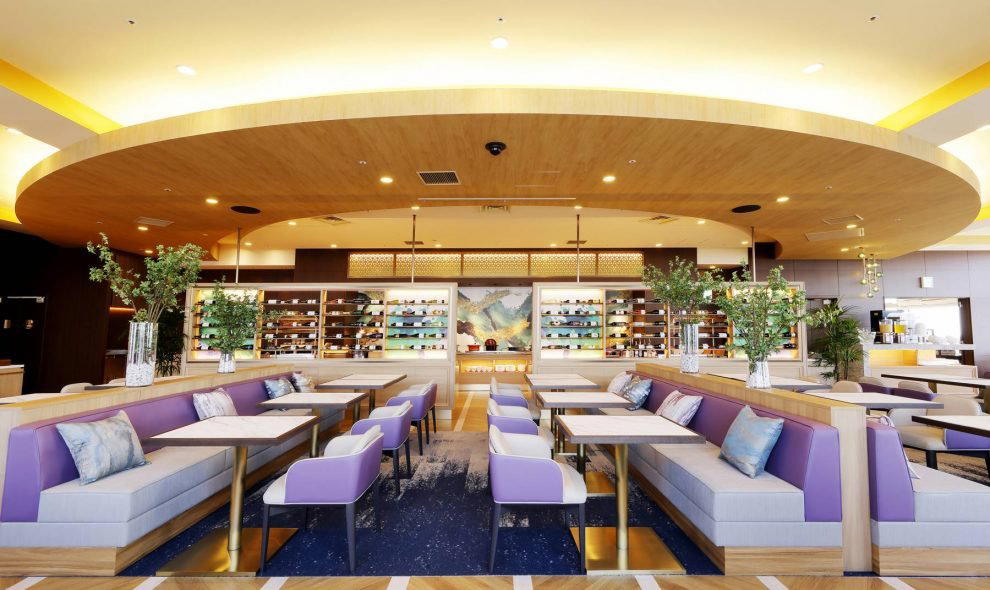
Compact, counter-focused ramen shop with a clean, modern yet understated interior that feels cozy and local, more functional than decorative, with the lively but not overwhelming bustle typical of popular neighborhood ramen spots.