Menya JouRoku occupies a specific niche in Osaka's ramen culture, operating from Namba Sennichimae in the dense dining grid of Chuo-ku. The address places it within walking distance of Dotonbori's concentrated foot traffic, yet the format reads closer to a focused specialist counter than a tourist-facing bowl shop. For visitors working through Osaka's broader dining spectrum, this is a neighbourhood-anchored stop worth building into the itinerary.
Pearl is the En Primeur Club membership app — saves, bookings, and concierge access live there. Same editors, same standards.
- Address
- 中央区難波千日前6-16, 大阪市, 大阪府, 542-0075
 Saves & bookings on Pearl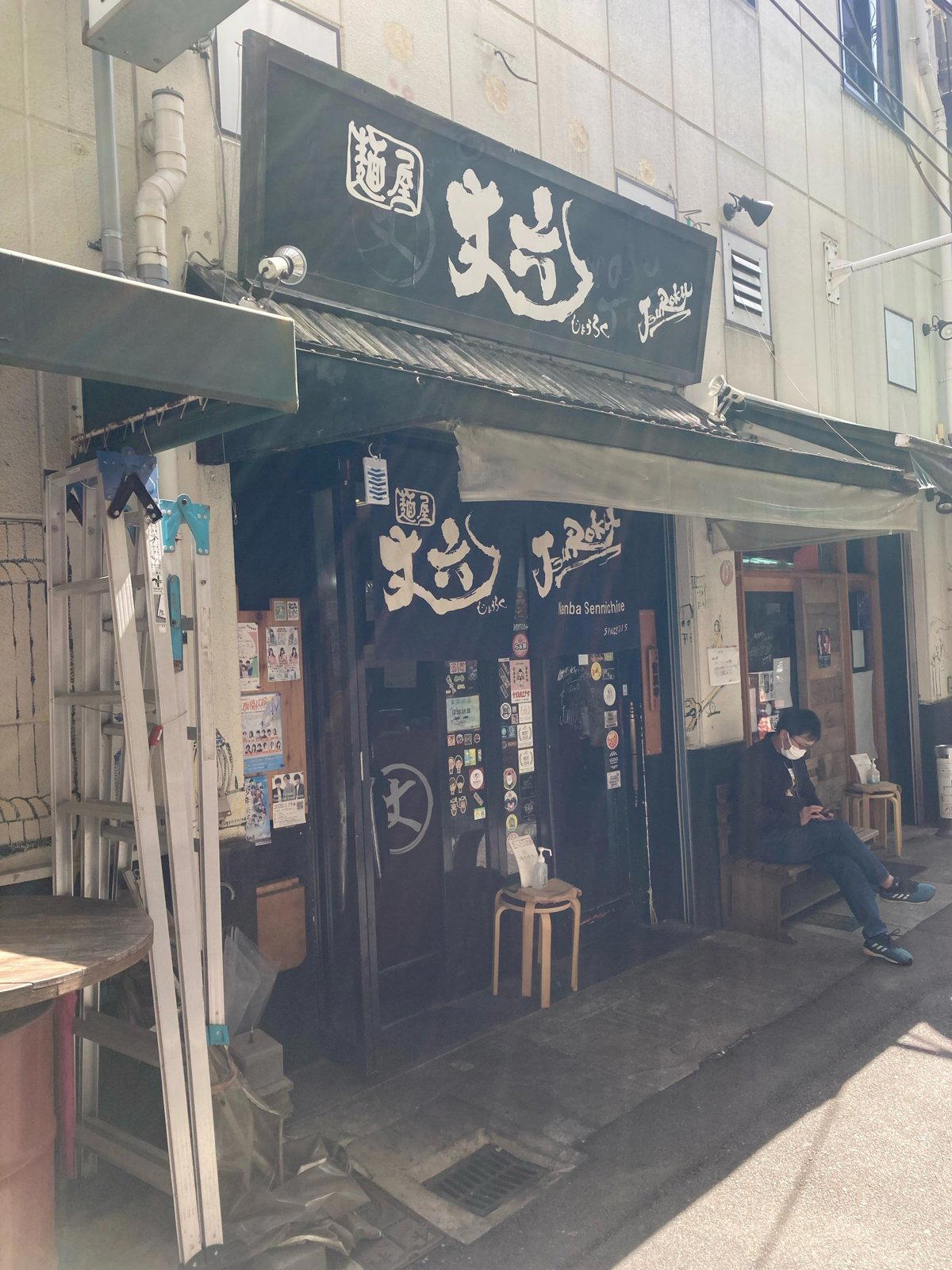
Ramen in Osaka: What the City's Bowl Culture Actually Looks Like
Osaka's reputation rests on kushikatsu, takoyaki, and the kind of izakaya eating that stretches across multiple hours and multiple dishes. Ramen occupies a different register here than it does in Fukuoka or Sapporo. The city has a range of house styles rather than one dominant profile. Instead, Osaka's ramen scene is eclectic and geographically layered, with serious specialist counters appearing across neighbourhoods from Shinsaibashi to Tennoji. Namba Sennichimae, where Menya JouRoku operates, sits inside one of the city's most concentrated dining corridors, a stretch that rewards deliberate exploration rather than aimless wandering.
That eclecticism means Osaka ramen-goers tend to be well-calibrated. They've eaten widely, they compare across styles, and they notice when a bowl is technically considered rather than mass-produced. Specialist counters in this environment compete less on novelty and more on consistency of execution, which tends to sort the lasting addresses from the transient ones. Menya JouRoku's address at 中央区難波千日前6-16 places it in Namba Sennichimae.
The Namba Sennichimae Setting
Approaching a ramen counter in Namba Sennichimae, the physical experience follows a recognisable Osaka pattern: dense signage, narrow frontages, the smell of dashi and char drifting from multiple directions at once. The neighbourhood operates at a different tempo from the polished kaiseki streets of Kitashinchi or the high-spend fine dining corridor that houses addresses like HAJIME and La Cime. Here the format is more compressed, the turnover faster, and the transaction more direct.
That directness is part of the appeal. Ramen counters in this part of Osaka function as neighbourhood infrastructure, serving regulars at lunch and drawing a wider mix of diners into the evening. The physical environment at a counter like Menya JouRoku prioritises function over atmosphere in the design-led sense, which is consistent with how this tier of Japanese ramen specialist operates across the country. The bowl is the statement, not the room.
Lunch vs. Evening: How the Divide Works at a Specialist Counter
In Osaka's ramen culture, the lunch and dinner divide carries real operational weight. Lunchtime at a counter in Namba Sennichimae draws office workers, nearby retail staff, and regulars who have a fixed window and a clear preference. The rhythm is faster, the queue moves with purpose, and the expectation is that a bowl arrives, satisfies, and the seat turns. Midday visits often represent the truest read on a ramen shop's consistency: the kitchen is under pressure, the stock has been building since early morning, and shortcuts show.
Evening service at the same counter operates with slightly more latitude. The customer mix shifts, often including visitors who have been working through Osaka's broader dining map alongside regulars who prefer a later meal. Wait times can lengthen as the evening progresses, not because the operation slows, but because the neighbourhood's foot traffic compounds. For visitors comparing the two windows, lunch at a counter like this often delivers the better value proposition on timing: you arrive, assess the queue, and make a calibrated decision. The bowl economics at this tier of ramen counter typically sit well below the ¥¥¥ and ¥¥¥¥ territory occupied by Osaka's kaiseki and kaiseki-adjacent addresses, including Kashiwaya Osaka Senriyama and Taian.
That price gap matters for itinerary planning across a multi-day Osaka visit. A serious ramen counter functions as a counterpoint to the city's high-spend dinner anchors, not a lesser alternative. The categories operate in parallel, serving different meal occasions within the same trip.
Where Menya JouRoku Sits in Osaka's Wider Dining Hierarchy
Osaka's dining hierarchy is wider and more internally varied than most international visitors initially recognise. At the leading, Michelin-tracked addresses like Fujiya 1935 represent the innovative fine dining tier. Below that, a mid-tier of serious specialists, including well-regarded ramen counters, operates with consistent technical standards and strong local followings without chasing awards or international media cycles.
Menya JouRoku sits in that specialist mid-tier. The specific style and broth profile are not stated in the record. What the address and neighbourhood position do confirm is that this is a working specialist counter in a high-competition dining district, operating in the context Japan's ramen culture does leading: a focused, disciplined format applied daily with minimal variation in approach.
For reference across the broader Japanese ramen and specialist dining spectrum, comparable formats appear in cities including Tokyo and Fukuoka, where specialist counters serving a defined style develop strong local reputations well before attracting wider critical attention. The same pattern applies to regional specialists across Japan, from Sapporo to Nanao.
Planning a Visit: What You Need to Know
Menya JouRoku is located at 中央区難波千日前6-16 in Osaka's Chuo-ku, within the Namba Sennichimae district. The address is walkable from Namba Station across multiple subway and private railway lines, which makes it accessible without requiring dedicated transport planning. This is a walk-in-friendly counter. Arriving early in a service period, particularly at the lunch opening, reduces wait time and ensures the stock is at its freshest stage.
For visitors building a broader Osaka itinerary around the city's dining range, Osaka restaurants span the spectrum from high-spend kaiseki to neighbourhood specialists. Regional context also extends to Kyoto and Nara for travellers moving through the Kansai corridor. Across Japan's specialist counter culture, from Takashima to Nishikawa Machi, the same operating logic holds: the ideal time to visit is when the kitchen has just opened and the first stock of the day is being served.
Cuisine Lens
Comparable venues nearby, for context on price, style, and recognition.
| Venue | Cuisine | Price | Notes |
|---|---|---|---|
| Menya JouRoku (麺屋 丈六)This venue — the venue you are viewing | Takaida-Style Tamari Shoyu Ramen | $$ | Not listed |
| Japoni | Modern izakaya | $$ | Kita |
| 橋本屋 | Japanese Curry House | $$ | Minami-Senba |
| Kissa Ichi | Japanese Kissaten | $$ | Senri Chuo |
| Watanabe Curry Shinsaibashi ten | Japanese Curry House | $$ | Chūō |
| Takada Noageage | Osaka stand-up fried foods bar | $$ | Chūō |









At a Glance
- Cozy
- Casual Hangout
- Solo
- Sake Program
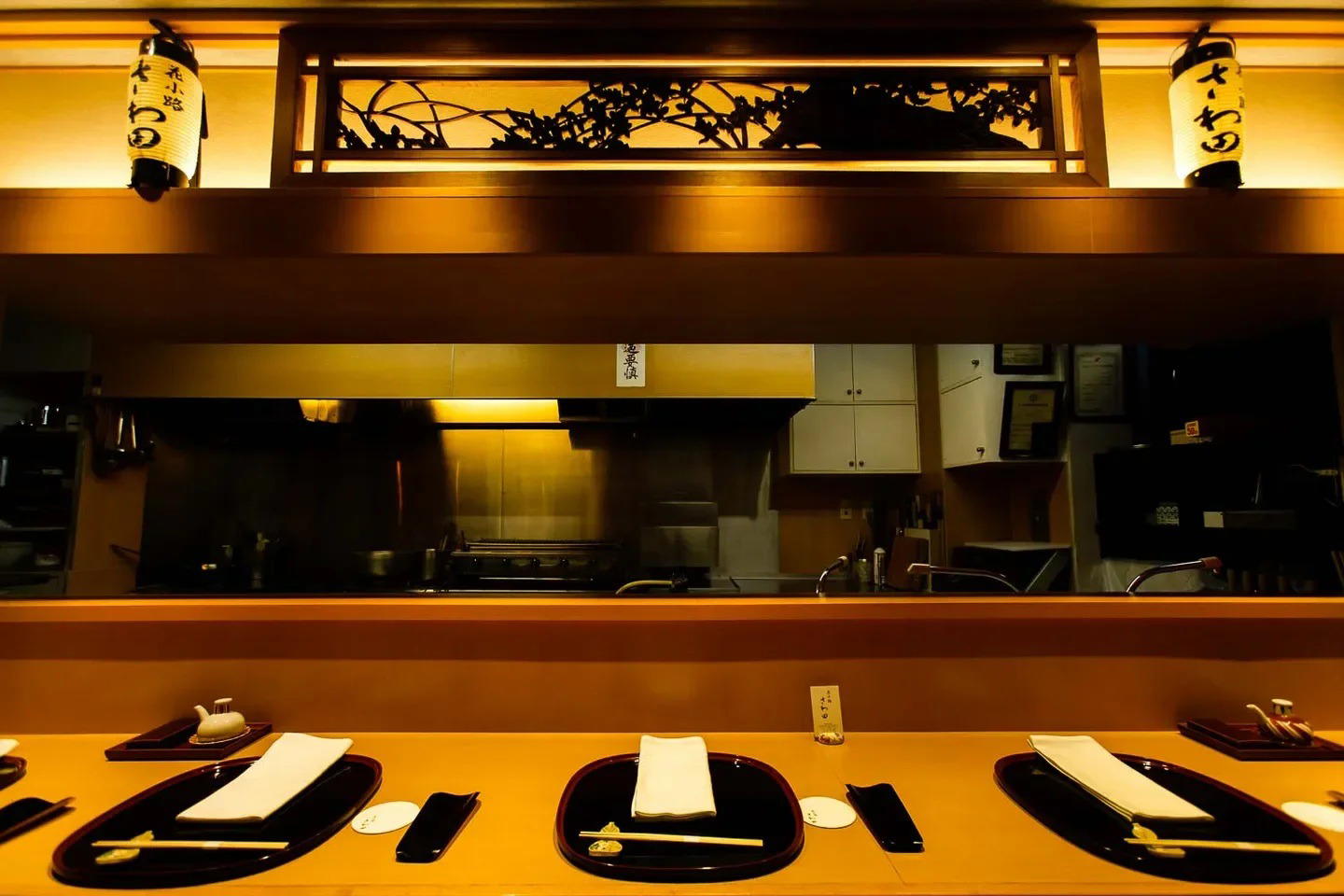
Cozy, narrow ramen bar with 8 counter seats and a welcoming waiting area.