
Imakyu Honten places Asahi’s yakiniku culture in a rural Chiba frame: meat-led, grill-focused, and less shaped by urban tasting-menu conventions. Its repeated Tabelog 100 Yakiniku EAST selections give it a clear quality signal, while the house-restaurant setting, tatami room, tripe, hamburger steak, and Japanese drinks point to a local table rather than a polished metropolitan counter.
Pearl is the En Primeur Club membership app — saves, bookings, and concierge access live there. Same editors, same standards.
- Address
- 千葉県旭市川口3435-7
- Phone
- +81479636768
- Website
- tabelog.com
- Directions
- Get directions
 Saves & bookings on Pearl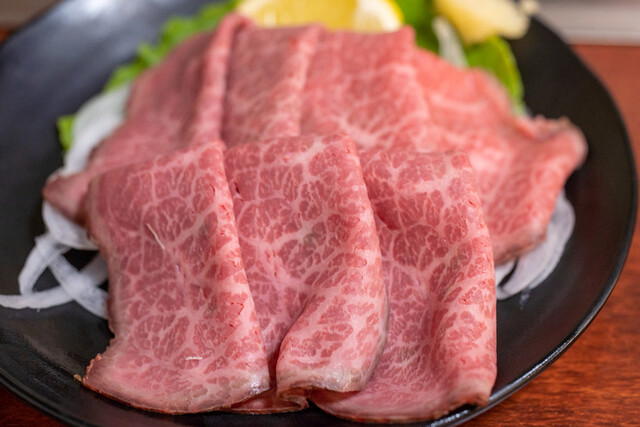
Approaching a house restaurant in rural Chiba resets expectations before the grill is lit. Asahi is not a city of theatrical dining rooms or chef-led tasting formats; its food identity sits closer to produce routes, family tables, roadside access, and local demand strong enough to sustain a specialist without Tokyo gloss. Imakyu Honten belongs to that register: a yakiniku address whose draw is not spectacle, but the confidence of a meat-focused kitchen in a town where sourcing and repeat custom matter.
That context helps. Yakiniku in Japan can split sharply between luxury beef rooms in major cities and neighbourhood grill houses built around appetite, smoke, and group dining. In Asahi, the latter has more cultural logic. Chiba’s northeastern coast and agricultural belt feel materially different from central Tokyo: meals often depend on driving, families, and local networks rather than station-building convenience. A restaurant earning repeated Tabelog 100 recognition here is not being rewarded for fashionable plating; it is judged in a category where consistency, meat handling, and grill pleasure carry the argument.
Rural Chiba yakiniku with a sourcing-first logic
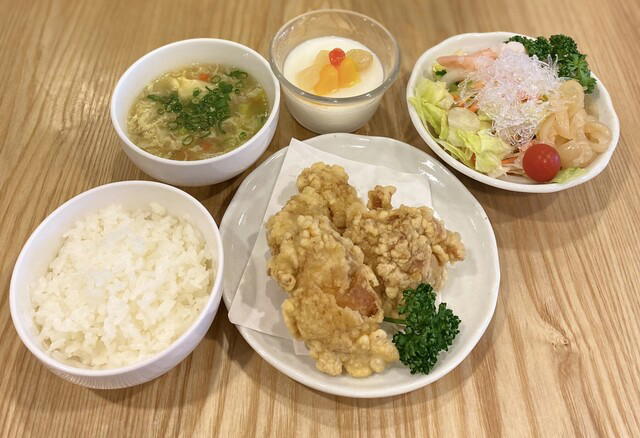
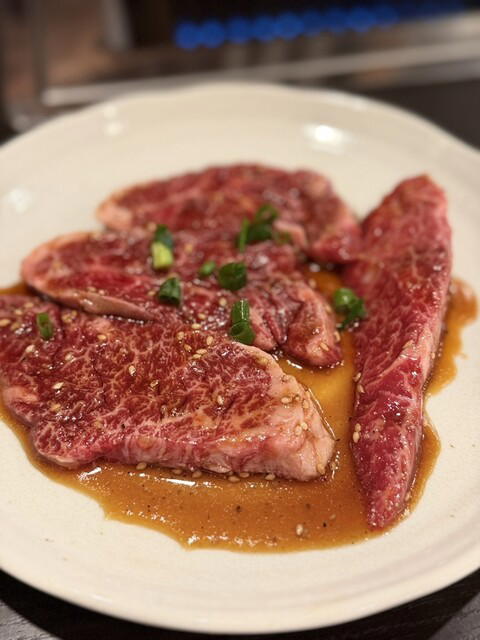
The menu categories tell the story plainly: yakiniku, tripe, and hamburger steak. That combination places the restaurant in a practical Japanese meat tradition rather than a narrow wagyu showroom. Tripe matters because offal tests a yakiniku kitchen, exposing trimming, freshness, texture management, and seasoning in ways expensive cuts can hide. Hamburger steak signals the family-restaurant side of Japanese beef culture, where ground meat, rice, sauce, and grill heat offer comfort distinct from prestige beef cuts.
Imakyu Honten’s 2025 selection for Tabelog 100 Yakiniku EAST, alongside earlier selections in the same family of lists, gives it a public recognition trail across multiple years. In Japan’s regional dining hierarchy, that kind of award matters differently outside the metropolis. A Tokyo yakiniku room can draw on luxury branding, foreign visitors, and corporate spending; a Chiba house restaurant has to hold ground through repeat meals, local reputation, and a product style that suits the area. The recognition places it above a casual grill stop, while the format anchors it in everyday meat culture.
That makes the restaurant a useful contrast with other Asahi-area dining decisions. HOME OF MOTHERS sits at a much lighter price point and answers a different need, while Imakyu Honten is the more deliberate meat meal. For a broader read on the city’s dining map, Our full Asahi restaurants guide is the better starting point; the surrounding travel picture is covered separately in Our full Asahi hotels guide, Our full Asahi bars guide, Our full Asahi wineries guide, and Our full Asahi experiences guide.
The room points to group dining, not chef theatre
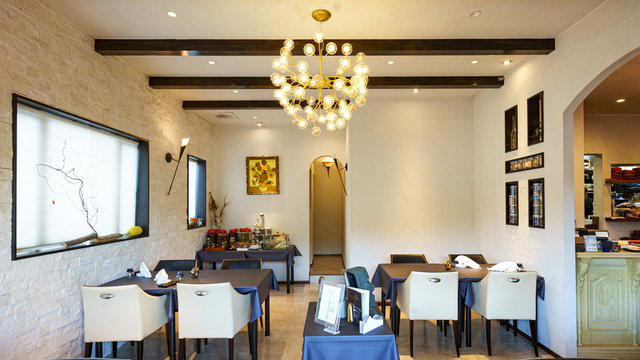
The physical cues are plain in the useful sense: house restaurant, tatami room, non-smoking, no private rooms. This is not the grammar of a hushed counter. It points to friends, family groups, shared grills, and ordering rhythm rather than a fixed progression. The drinks list follows suit, with sake, shochu, wine, and cocktails available rather than a sommelier-led pairing structure. For travellers used to Tokyo’s reservation-heavy beef rooms, the lesson is simple: in regional Japan, a serious restaurant can look domestic and still carry category weight.
The planning implications are part of the experience, though they should not dominate the case. Phone reservations open ahead of the dining month, and the restaurant also runs a same-day waiting-list system for guests without reservations. On-site parking and car access matter because this is not a station-front urban meal. That logistical shape changes the audience: it works better for travellers already moving through Chiba by car, or making a food-focused detour, than for someone squeezing dinner between central Tokyo appointments.
Payment and format details keep the room grounded. Credit cards and electronic money are not accepted, while PayPay is listed; takeout is available with advance phone ordering. These are not minor rural-dining footnotes. They show an operation built around local habits first and visitor convenience second. That does not weaken the case for going; it clarifies the meal. The reward is a regional yakiniku table with external recognition, not a frictionless luxury-service package.
How it fits into a Japan-wide meat itinerary
For travellers building a meat-focused route across Japan, the restaurant fills a different slot from city-centre beef dining. -Grilled beef Sukiyaki- KAMAKURA TANUKIAN 鎌倉 たぬき庵 in Kamakura points toward sukiyaki; #肉といえば松田 奈良本店 in Kashihara signals a more overt meat-specialist identity; and 1/3 HAMBURGER FACTORY in Kanazawa moves the conversation toward burger craft. The Asahi address is less about category novelty than about how yakiniku functions when embedded in a regional town.
The wider comparison reaches beyond beef. Japan’s contemporary dining map is increasingly shaped by specialists that do one thing with discipline, from. 鮪と炭火焼き うお炭 秋葉原店 in Tokyo to.cafe in Osaka.know in Kumamoto, (Shoku) Vietnam in Kawasaki, [Curry Senmon Ten] Maruyama Kyoju. in Sapporo, [ki:] in Kyoto, and 1000 in Yokohama. Even outside Japan, focused formats can build authority around a narrow product language, as with Jōdo Saké Bar in Los Angeles or Onigiri Time in Pasadena.
The editorial case is not that Asahi has a polished destination restaurant in the urban sense. It is that regional yakiniku can carry enough depth, recognition, and local structure to justify planning around it. The restaurant is strongest for diners who understand that a grill meal is about collective appetite and product trust: meat, offal, rice, drinks, and table rhythm. In a town better read through roads and local routines than luxury signage, that is the more interesting story.
Side-by-Side Snapshot
Comparable venues by cuisine and price in the same metro.
| Venue | Cuisine | Price | Notes |
|---|---|---|---|
| Imakyu Honten | Traditional Yakiniku (Japanese BBQ) | $$$ | Asahi |
| HOME OF MOTHERS | Ranch‑made gelato & sweets shop | $ | Asahi |
| Nodaiwa (野田岩) | Traditional Japanese Unagi | $$$ | Nishi-ku |
| Unagi Yondaime Kikukawa | Traditional Japanese Unagi | $$$ | Kanazawa Station Area |
| Arakawa (Kyoto) | Traditional Kyoto yakiniku (Japanese BBQ) | $$$ | Nakagyo Ward / Kawaramachi |
| Tempura Niitome (天風良 にい留) | Modern Tempura Omakase | $$$ | Naka |
Recognition history
Dated appearances from independent guides and award organizations, with the underlying list record or original source where available.
Tabelog 100 #3 · No. 3
Tabelog · Tabelog 100 - Yakiniku - EAST - 2025
Continue exploring
More in Asahi
At a Glance
- Lively
- Cozy
- Rustic
- Group Dining
- Casual Hangout
- Family
- Celebration
- Date Night
- Standalone
- Sake Program