
Menan Chitose brings Odawara into Kanagawa’s serious ramen conversation through a compact counter-led format and a focus on ramen and tantan-men. Selection for Tabelog’s Ramen Kanagawa 100 in 2024 and 2025 gives it a clear signal for travelers weighing a noodle stop against Odawara’s seafood, pastry, and destination dining options.
Pearl is the En Primeur Club membership app — saves, bookings, and concierge access live there. Same editors, same standards.
- Address
- 神奈川県小田原市風祭77-1
- Website
- ameblo.jp
- Directions
- Get directions
 Saves & bookings on Pearl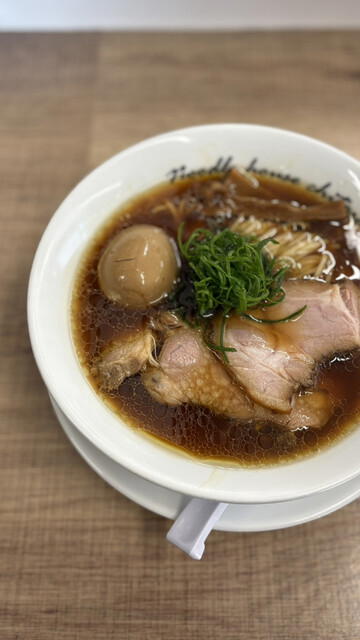
Approaching Kazamatsuri, Odawara changes register. The castle-town rhythm gives way to the Hakone corridor, where train platforms, roadside shops, and lunch queues shape the day more than grand dining rooms. In that setting, ramen makes cultural sense: quick, exacting, democratic, and judged in Japan with a seriousness that outsiders often reserve for tasting menus.
Odawara is better known to many travelers for fish, kamaboko, tea stops, and the route into Hakone than for a deep ramen circuit. That is precisely why the city’s stronger noodle rooms matter. They show how regional Japanese dining works outside the capital: fewer seats, tighter menus, lower spend, and a public ranking culture in which repeat local use carries weight. Menan Chitose sits in that context, not as a detour from Odawara’s food identity but as part of the everyday infrastructure that gives the city its appetite.
Kanagawa ramen, read through a small Odawara counter
Kanagawa’s ramen culture has never belonged to a single style. Yokohama pulls attention with its own heavy lineage, coastal towns favor practical bowls built around commuter and weekend traffic, and inland routes toward hot-spring country reward places that can serve solo diners quickly without sacrificing detail. The category spans ramen and tantan-men here, a pairing that places the kitchen inside a broader Japanese habit of adapting Chinese-influenced noodle forms into local lunch culture.
The meaningful credential is external and category-specific: selection for Tabelog’s Ramen Kanagawa 100 in both 2024 and 2025. For a city outside Yokohama and Kawasaki, that matters. Tabelog’s Hyakumeiten lists are not luxury awards; they are signals of sustained diner attention inside a defined genre. In ramen, where a shop can be inexpensive, small, and still intensely scrutinized, that kind of recognition is more useful than generic praise.
The format also tells a story. A 15-seat room, with counter seating as the primary axis, places the experience closer to Japan’s classic noodle-shop grammar than to destination restaurant theatre. Counter service changes how ramen is assessed: timing, turnover, and focus become part of the meal. The bowl is not staged as ceremony; it is served in a room designed for concentration, short stays, and repeatability.
For travelers building an Odawara food day, this is a different proposition from the city’s more leisurely addresses. Ichiyajo Yoroizuka Farm sits in a higher-spend pastry-and-restaurant register, while Il Mare belongs to the coastal Italian side of the city’s dining map. Tomoei represents the seafood and eel conversation many visitors associate with Odawara. Ramen works differently: lower cost, shorter time commitment, and less dependence on occasion. That contrast is the point.
Why this kind of ramen stop belongs in an Odawara itinerary
Odawara rewards mixed pacing. A strong day might include an old confectionery stop such as Uirou, a bakery run to Moriya Sei Pan Ten, and a noodle lunch that does not consume the afternoon. This is how the city eats: small, specific, often rooted in craft, and rarely arranged around the long-form restaurant rituals that dominate bigger-city travel lists.
Menan Chitose is most useful for readers who understand ramen as a category with its own hierarchy rather than as casual filler between sightseeing stops. The spend sits in everyday territory, yet the recognition places it above the anonymous station-area bowl. That combination is one of Japan’s dining strengths: a serious meal can remain modest in cost, provided the guest accepts the format on its own terms.
The practical friction is part of the read. Reservations are not part of the setup, and payment is cash-led rather than card-forward. The room is small, private rooms are not part of the format, and the premises are non-smoking. Those details are not inconveniences so much as markers of the genre. A ramen counter is built for individuals, pairs, and focused eating, not lingering groups.
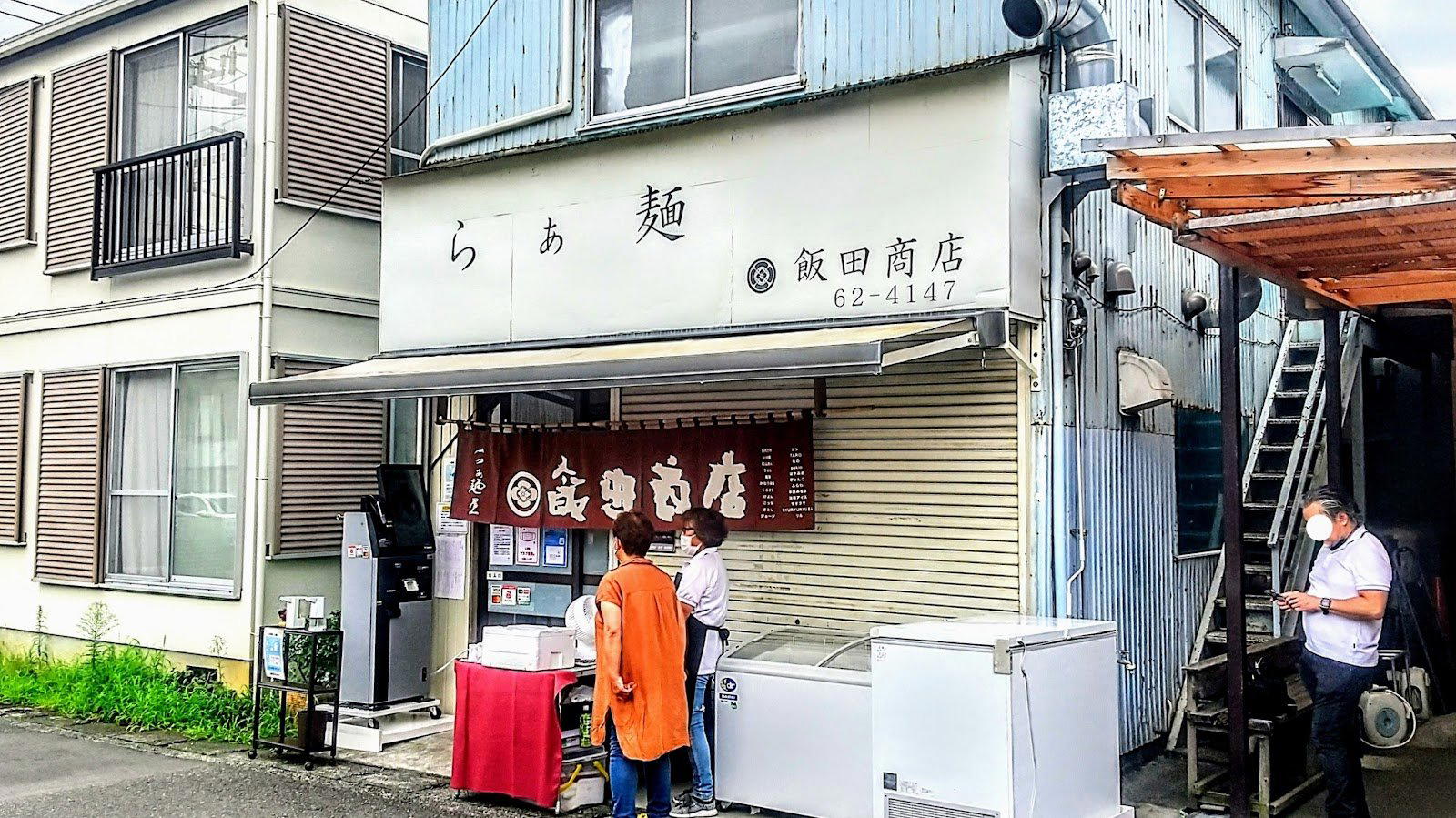
Location also shapes its usefulness. Kazamatsuri places the shop on the Odawara-Hakone axis, making it relevant to travelers moving between the coast, the castle area, and the mountain route. Parking exists, but rail access is part of the appeal for visitors already using the Hakone Tozan Railway. In Japan, the strongest noodle stops often sit exactly in these transitional zones, where local regulars and travelers cross paths without the room needing to perform tourism.
How it compares with Odawara's broader table
Odawara’s dining identity is broader than a single category. The city can move from farm-facing patisserie to seafood, from old retail food culture to Western-format dining. For a wider map, use Our full Odawara restaurants guide alongside Our full Odawara hotels guide, Our full Odawara bars guide, Our full Odawara wineries guide, and Our full Odawara experiences guide. The stronger itinerary is not a parade of formal meals; it is a sequence of precise stops that match the city’s scale.
Seen against Japan’s wider casual-dining field, Menan Chitose belongs to a group of places where specificity beats polish. That logic connects, in different ways, to regional specialists such as (Shoku) Vietnam in Kawasaki, [Curry Senmon Ten] Maruyama Kyoju. in Sapporo.cafe in Osaka, and.know in Kumamoto. These are not interchangeable experiences; they illustrate how Japanese dining categories remain sharply local even at modest prices.
The comparison also works internationally. Los Angeles and Pasadena now support focused Japanese casual formats such as Jōdo Saké Bar in Los Angeles and Onigiri Time in Pasadena, but Japan’s advantage remains density and context. A small Odawara ramen shop is not trying to translate itself for a global audience. It operates inside a dining culture where guests already understand queueing, counter rhythm, and the narrow pleasure of a single category done with discipline.
Travelers extending beyond Odawara can read it beside other specialist stops, from -Grilled beef Sukiyaki- KAMAKURA TANUKIAN 鎌倉 たぬき庵 in Kamakura to. 鮪と炭火焼き うお炭 秋葉原店 in Tokyo. The lesson is simple: Japan’s most persuasive meals are not always the longest or the costliest. Sometimes the stronger editorial choice is the small room with a defined craft, a clear category signal, and a place in the local day.
Booking and Cost Snapshot
Comparable venues by cuisine and price in the same metro.
| Venue | Cuisine | Price | Notes |
|---|---|---|---|
| Menan Chitose | Kazamatsuri, Ramen shop | $ | Not listed |
| Uirou Ekimae chouzai yakkyoku | Not listed | $ | Sakaecho, Traditional Japanese sweets & café |
| Moriya Sei Pan Ten | Odawara Station area, Bakery | $ | Not listed |
| Uirou | Not listed | $ | Honcho, Traditional Japanese wagashi & cafe |
| Tomoei | Kazamatsuri, Traditional Japanese Unagi | $$$$ | Not listed |
| メシモ | 栄町, Modern Local French | $$$ | Not listed |
Recognition history
Dated appearances from independent guides and award organizations, with the underlying list record or original source where available.
Tabelog 100 #13 · No. 13
Tabelog · Tabelog 100 - Ramen - KANAGAWA - 2025
Continue exploring
More in Odawara
Restaurants in Odawara
Browse all →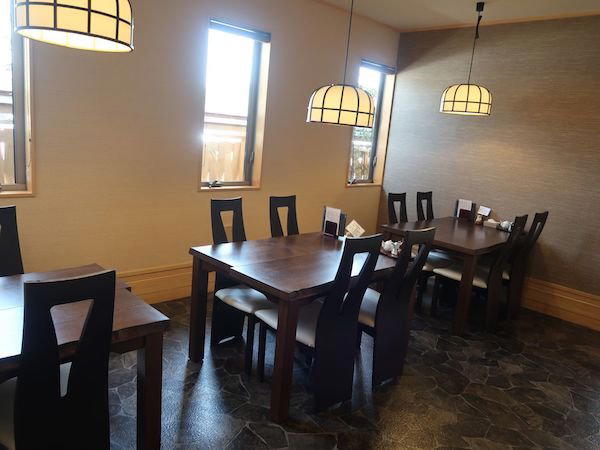
Bars in Odawara
Browse all →

Hotels in Odawara
Browse all →
Wineries in Odawara
Browse all →
At a Glance
- Cozy
- Solo
- Casual Hangout
- After Work
- Late Night
- Chefs Counter
- Standalone
Small, counter-focused ramen shop with a simple, no-smoking interior and an emphasis on serious, focused ramen making rather than decor; atmosphere is relaxed but can feel busy during peak hours.