
Odawara’s sweet-shop culture rewards precision over spectacle: small portions, local gifting habits, and a station-town rhythm shaped by travelers moving between Tokyo, Hakone, and the coast. Uirou Ekimae chouzai yakkyoku sits in that tradition with Japanese sweets and kissa service, backed by a Tabelog 100 selection for Japanese traditional sweets and sweets cafés in East Japan in 2023.
Pearl is the En Primeur Club membership app — saves, bookings, and concierge access live there. Same editors, same standards.
- Address
- 1 Chome-2-10 Sakaecho, Odawara, Kanagawa 250-0011, Japan
- Phone
- +81 465-24-0268
- Website
- uirou-ekimaeten.com
 Saves & bookings on Pearl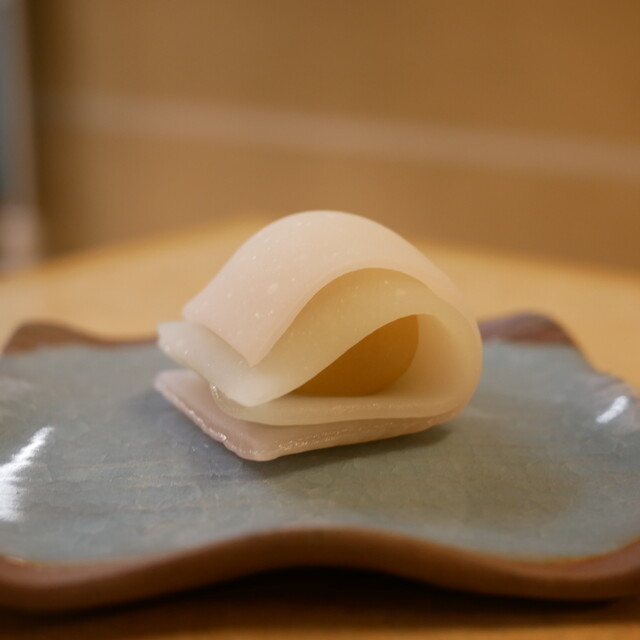
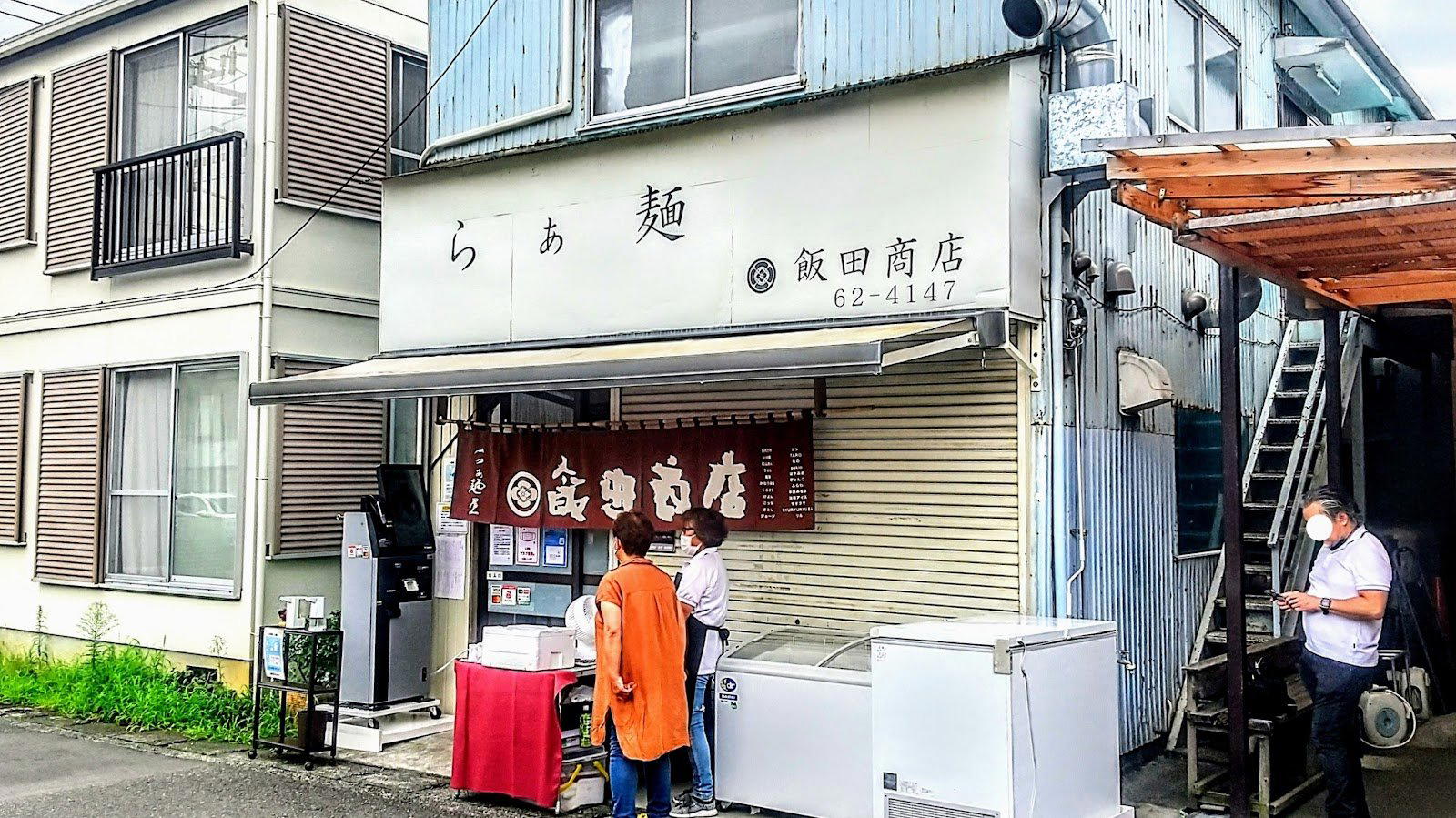
Approaching Odawara’s station-side shopping streets, the city’s food character appears not in grand dining rooms but in counters, bakery shelves, confectionery cases, and compact cafés for people in transit. This is castle-town eating on railway timing: something boxed for the train, sweet with tea, or modest between a Hakone connection and a walk toward the old town. Uirou Ekimae chouzai yakkyoku belongs to the practical, deeply Japanese category where sweets are local identity, gift economy, and a daily pause, not dessert after a long meal.
Odawara’s position matters: close to Tokyo for day-trippers, close to Hakone for resort traffic, and old enough as a post town to have built a serious culture of portable food. Fish, kamaboko, wagashi, breads, and casual cafés carry that story. For the broader map, Our full Odawara restaurants guide gives the useful spread: sweets and bakeries at one end, destination restaurants at the other.
Odawara's wagashi culture is built on portability, gifting, and restraint
Japanese confectionery towns make sense through movement. Kyoto has temple approaches and tea ceremony lineages; Kanazawa has samurai districts and gold-leaf tourism; Odawara has the station, castle, and Hakone corridor. The sweets trade here is less plated theatre than compact craft: items that travel well, mark a place clearly, and fit shopping, sightseeing, or onward travel.
That explains why a station-area sweets café carries more editorial weight than its size suggests. The Tabelog 100 selection for Japanese traditional sweets and sweets cafés in East Japan in 2023 places Uirou Ekimae chouzai yakkyoku in a competitive regional field, not just among local snack stops. In a category crowded with long-running shops, department-store counters, and tourism-facing confectioners, that recognition signals consistency and category relevance, not flash.
The sourcing angle is cultural as much as agricultural. Wagashi is shaped by ingredients with strong regional and seasonal associations: rice flour, beans, sugar, agar, tea, citrus, chestnut, and other Japanese pantry staples that reward control over excess. Odawara’s coastal and mountain geography gives sweets a useful frame because local food culture already prizes preservation, transport, and giftable formats. Do not expect a long tasting progression; expect a compact expression of a town where confectionery sits beside everyday commerce.
That puts this stop in a different lane from Odawara’s higher-ticket dining. Il Mare operates in a restaurant bracket shaped by longer meals and larger spend. Tomoei speaks more directly to Odawara’s seafood identity. Ichiyajo Yoroizuka Farm frames sweets through a broader farm-and-patisserie lens. The station wagashi café has a narrower job: anchor a local sweet tradition in a format that works before or after the main meal.
A small-format kissa reading of the city
The kissa element changes the tempo. A take-out confectionery counter tells one story; a sweets café with seating tells another. The Japanese coffee-shop tradition gives wagashi a slower setting without making it formal kaiseki. In Odawara, that middle ground works: visitors can fold a stop into a castle walk or rail transfer, while locals use it as a low-ceremony meeting place.
Uirou Ekimae chouzai yakkyoku is listed across Japanese traditional sweets, kissa, and sweets, a combination that signals breadth without implying a restaurant-style menu. Seating is modest, and the format includes take-out, so expect a compact sweet-shop experience rather than a lingering multi-course café session. That is a strength. Japan’s serious confectionery culture often lives in restrained formats where object, packaging, and serving ritual do the work.
Within Odawara’s lower-priced casual tier, the closest editorial comparison is not a full-service restaurant but the city’s everyday specialists. Moriya Sei Pan Ten represents the bakery side of that station-town logic: inexpensive, portable, local, and useful at odd points in the day. Menan Chitose sits in another accessible bracket. These places show how Odawara eats between destinations, not only when it sits down for a formal meal.
The name carries a local clue. Uirou is strongly associated in Japan with traditional sweets, and Odawara has its own relationship with that confectionery vocabulary. This is not a chef narrative or personality-led kitchen. It is continuity: a regional sweet tradition made legible near the station for families, friends, commuters, and travelers.
How to place it in an Odawara day
Use this address as a cultural interval. Pair it with a seafood lunch, bakery run, or castle-area walk rather than treating it as the day’s main dining event. Odawara rewards that rhythm: one stop for sweets, one for bread, one for fish, and a more structured dinner if the itinerary allows. For travelers continuing toward Hakone, this compact local stop can say more about the city than a rushed full meal chosen only for convenience.
Readers planning beyond restaurants should treat Odawara as a small but layered base rather than a pass-through. Our full Odawara hotels guide helps decide whether to stay in town or continue into the mountains. Drinking options are covered in Our full Odawara bars guide, while Our full Odawara wineries guide and Our full Odawara experiences guide frame the area beyond a single meal.
For broader Japan context, compare how compact formats travel across cities: -Grilled beef Sukiyaki- KAMAKURA TANUKIAN 鎌倉 たぬき庵 in Kamakura shows a more meal-centered historic-town format, 鮪と炭火焼き うお炭 秋葉原店 in Tokyo reflects the capital’s faster drinking-and-dining register.cafe in Osaka points to urban café culture.know in Kumamoto sits in another regional city rhythm, (Shoku) Vietnam in Kawasaki shows how suburban Japanese dining absorbs overseas cuisines, and [Curry Senmon Ten] Maruyama Kyoju. in Sapporo makes a case for specialist comfort food as destination eating. Even outside Japan, small-format Japanese food culture has a different life: Jōdo Saké Bar in Los Angeles and Onigiri Time in Pasadena show how focused formats carry cultural meaning far from their source.
The verdict is simple: this is for readers who know Japanese food culture is not measured only by counter omakase, tasting menus, or dinner reservations. In Odawara, sweets are part of the city’s grammar. A Tabelog 100-recognized station-side wagashi and kissa address gives that grammar a concise, practical form.
Quick Comparison
Nearby venues at a similar price tier for orientation.
| Venue | Cuisine | Price | Notes |
|---|---|---|---|
| Uirou Ekimae chouzai yakkyokuThis venue — the venue you are viewing | Traditional Japanese sweets & café | $ | Not listed |
| Uirou | Traditional Japanese wagashi & cafe | $ | Honcho |
| Menan Chitose | Ramen shop | $ | Kazamatsuri |
| Ichiyajo Yoroizuka Farm | Farm-to-table patisserie & bistro café | $$ | Hayakawa |
| Moriya Sei Pan Ten | Bakery | $ | Odawara Station area |
| Tomoei | Traditional Japanese Unagi | $$$$ | Kazamatsuri |
Recognition history
Dated appearances from independent guides and award organizations, with the underlying list record or original source where available.
Tabelog 100 #3 · No. 3
Tabelog · Tabelog 100 - Japanese traditional sweets / Japanese sweets cafe - EAST - 2023
Continue exploring
More in Odawara
Restaurants in Odawara
Browse all →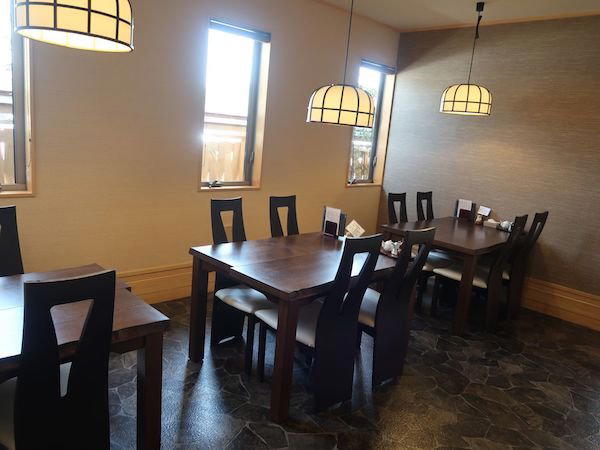
At a Glance
- Classic
- Cozy
- Well Known
- Solo
- Casual Hangout
- After Work
- Family
- Historic Building
- Standalone
- Design Destination
- Local Sourcing
- Street Scene
Current opening hours
- Monday
- 9 AM–6 PM
- Tuesday
- 9 AM–6 PM
- Wednesday
- 9 AM–6 PM
- Thursday
- 9 AM–6 PM
- Friday
- 9 AM–6 PM
- Saturday
- 9 AM–6 PM
- Sunday
- 9 AM–6 PM
Hours can change for holidays and private events. Last verified .
A small, classic wagashi shop with an attached kissaten-style café, offering a relaxed, low-key atmosphere suited to taking a break with traditional sweets near the station.