Our verdict
Maye's Bistró Las Tablas sits in the Fuencarral-El Pardo district of northern Madrid, operating as a neighbourhood bistro at some remove from the city's Michelin-dense centre.

Pearl is the En Primeur Club membership app — saves, bookings, and concierge access live there. Same editors, same standards.
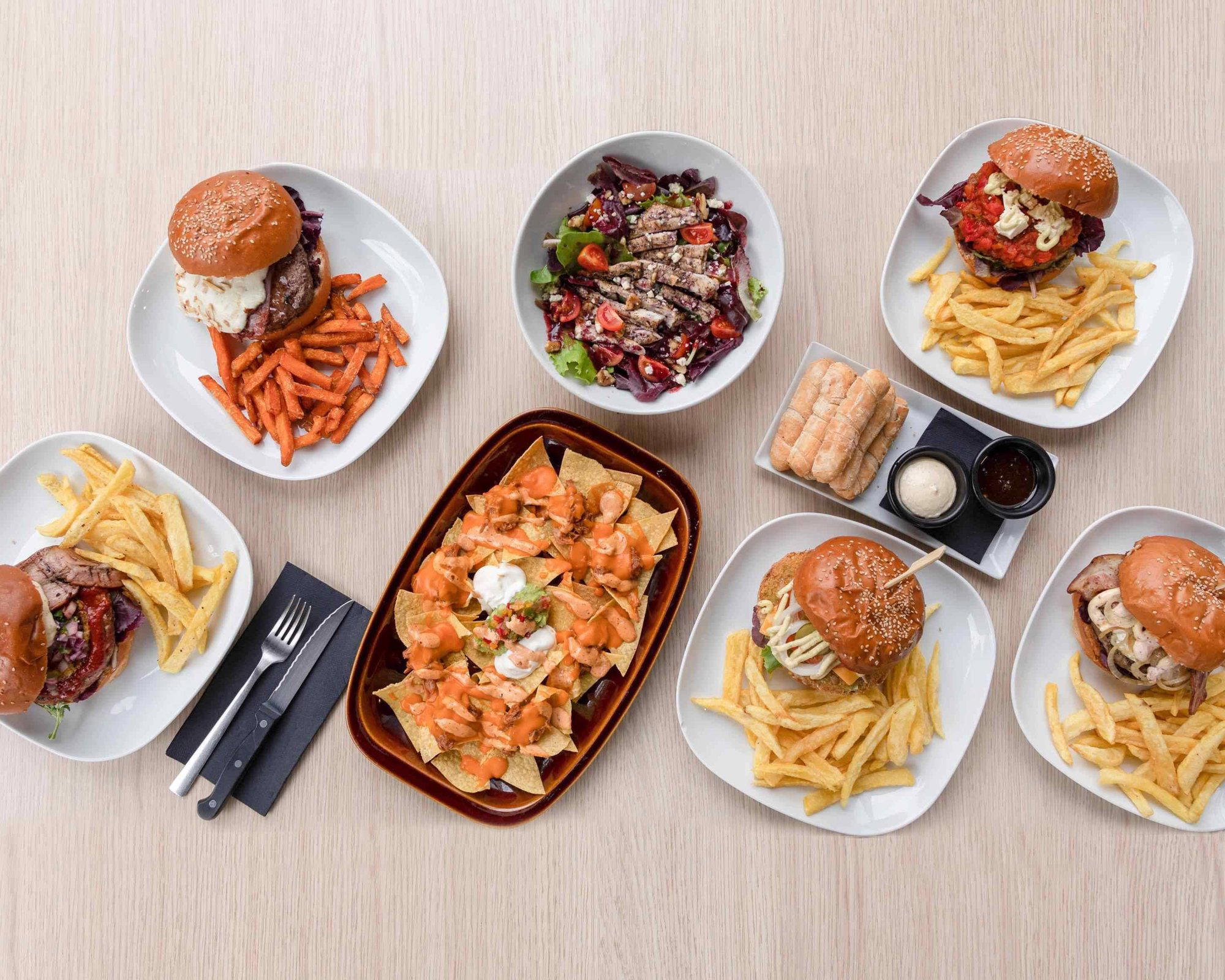
The menu
What to order
- Signature hamburgers
- Belgian fries with cheddar and bacon
- Tequeños
Northern Madrid's Neighbourhood Dining Circuit
Madrid's restaurant conversation tends to anchor itself in a familiar triangle: the creative laboratories around Chueca and Salamanca, the Michelin-weighted addresses near Gran Vía, and the destination-dining flagships that draw visitors specifically to the capital. What receives less coverage is the parallel circuit operating further north, in residential districts like Fuencarral-El Pardo, where neighbourhood bistros serve communities rather than tourists and where the guest list skews heavily local. Maye's Bistró Las Tablas sits in this northern tier, at Paseo de la Tierra de Melide in the Las Tablas development zone, a part of Madrid that expanded significantly during the 2000s construction boom and still operates somewhat under the radar of the international dining press.
Las Tablas sits between the M-40 ring road and the IFEMA convention centre corridor, which shapes its clientele: on weekday evenings, the room draws professionals from the surrounding business parks; weekends shift toward residential families. This is a different energy from the late-night dinner theatre of central Madrid, where tables at DiverXO or Coque run well past midnight and the experience is explicitly performative. The northern bistro format prioritises repetition and familiarity over spectacle, which is a legitimate and often overlooked dining category.
What the Wine List Tells You About a Bistro
In a neighbourhood bistro context, the wine list is frequently the most diagnostic element of a restaurant's ambition and self-awareness. A list assembled with genuine curation rather than distributor defaults signals that the kitchen takes its role seriously, even when the format is casual. Spain's wine geography gives any thoughtful selector significant material to work with: Ribera del Duero and Rioja for Tempranillo-dominant reds, Rías Baixas for Albariño, Priorat for structured Garnacha, and an expanding cohort of natural and low-intervention producers from Castilla-La Mancha and the Canary Islands that have attracted serious attention over the past decade.
For a venue like Maye's, the more useful comparison set is the mid-format bistros in districts like Tetuán or Hortaleza, where a focused list of thirty to fifty references, priced accessibly and rotated seasonally, can constitute a genuinely considered programme even without cellar depth. Sommelier presence at this tier is inconsistent across Madrid, but venues that invest in even a part-time specialist role tend to show it in producer diversity and vintage selectivity rather than list length.
Madrid's Distributed Restaurant Geography
Understanding why northern Madrid matters to a complete picture of the city's dining requires stepping back from the award-circuit framing that dominates most coverage. The creative flagship addresses, from Deessa and DSTAgE to Paco Roncero, represent the best of a structure that supports a much larger middle tier. That middle tier, operating in neighbourhood formats across the city's outer ring, is where most Madrileños actually eat on a regular basis, and it is where local reputation functions independently of international recognition.
The bistro format specifically carries a particular weight in Spanish cities that differs from its French counterpart. In Madrid, the bistró label often signals a hybrid: part traditional taberna heritage, part modern European influence, with a menu that might move between Spanish classics and broader Mediterranean references depending on the kitchen's disposition. This is distinct from the more codified tasting-menu format that defines restaurants like Mugaritz in Errenteria or Azurmendi in Larrabetzu, where the format itself is part of the statement. A bistro implies choice, a shorter booking lead time, and a relationship with the neighbourhood that a destination restaurant cannot replicate.
Spain's broader restaurant geography is worth holding in mind when contextualising any single Madrid address. The country's three-Michelin-star count extends well beyond the capital: Arzak in San Sebastián, Martin Berasategui in Lasarte-Oria, Quique Dacosta in Dénia, Aponiente in El Puerto de Santa María, Cocina Hermanos Torres in Barcelona, and Ricard Camarena in València among them. Madrid competes within that national field, but its neighbourhood-level dining, distributed across districts well beyond the tourist core, reflects a city that eats out with genuine regularity and expects consistent quality at accessible price points.
For a full orientation to where Maye's Bistró Las Tablas sits within Madrid's broader picture, the EP Club Madrid restaurants guide maps the city's dining across format, neighbourhood, and price tier. International points of comparison for bistro-format wine programming can also be found in the EP Club coverage of Le Bernardin in New York City and Atomix in New York City, two addresses that demonstrate how cellar depth and list curation operate at the top end of their respective formats.
Know Before You Go
- Address: P.º de la Tierra de Melide, 13A, Local 6, Fuencarral-El Pardo, 28050 Madrid, Spain
- District: Las Tablas, Fuencarral-El Pardo (northern Madrid)
- Phone:
- What's the ideal way to book Maye's Bistró Las Tablas?
- What's the signature at Maye's Bistró Las Tablas?
- Is Maye's Bistró Las Tablas a good option for visitors staying near IFEMA or the northern business district?
- Geographically, Maye's Bistró Las Tablas in the Las Tablas area of Fuencarral-El Pardo places it closer to IFEMA and Madrid's northern business corridor than virtually any of the city's Michelin-recognised addresses, which cluster further south and west. For visitors based in this part of the city, a neighbourhood bistro at this location offers a practical local option without the travel time that central Madrid restaurants require. Cuisine type and current hours should be confirmed directly with the venue before planning around it.
Price and Positioning
Comparable venues nearby, for context on price, style, and recognition.
| Venue | Cuisine | Price | Notes |
|---|---|---|---|
| Maye's Bistró Las TablasThis venue — the venue you are viewing | Gourmet Burgers | $20–30 | Not listed |
| Juancho's BBQ | Award-Winning BBQ Burgers | $20–30 | Malasana, Award-Winning BBQ Burgers |
| Bennu | Casual American with Potato Specialties | $20–30 | Pacifico, Casual American with Potato Specialties |
| PORNEAT Daroca | Smash Burgers | $20–30 | Ventas, Smash Burgers |
| Distrito Burger | American Gourmet Burgers | $20–30 | Palos de Moguer, American Gourmet Burgers |
| La Puerta Amarilla | American BBQ Burgers and Steaks | $20–30 | Barrio de las Letras, American BBQ Burgers and Steaks |
Continue exploring
More in Madrid
Restaurants in Madrid
All restaurants in Madrid →
Bars in Madrid
All bars in Madrid →

Details
- Modern
- Cozy
- Trendy
- Casual Hangout
- Group Dining
- Family
- Terrace
- Beer Program
- A La Carte
- Beer
- Vegetarian Friendly
- Gluten Free Options
Current opening hours
- Monday
- 1–4 PM
- Tuesday
- 1–4 PM, 8–11 PM
- Wednesday
- 1–4 PM, 8–11 PM
- Thursday
- 1–4 PM, 8–11 PM
- Friday
- 1–4:30 PM, 8–11:30 PM
- Saturday
- 1:30–4:30 PM, 8–11:30 PM
- Sunday
- 1:30–4:30 PM
Hours can change for holidays and private events. Last verified .
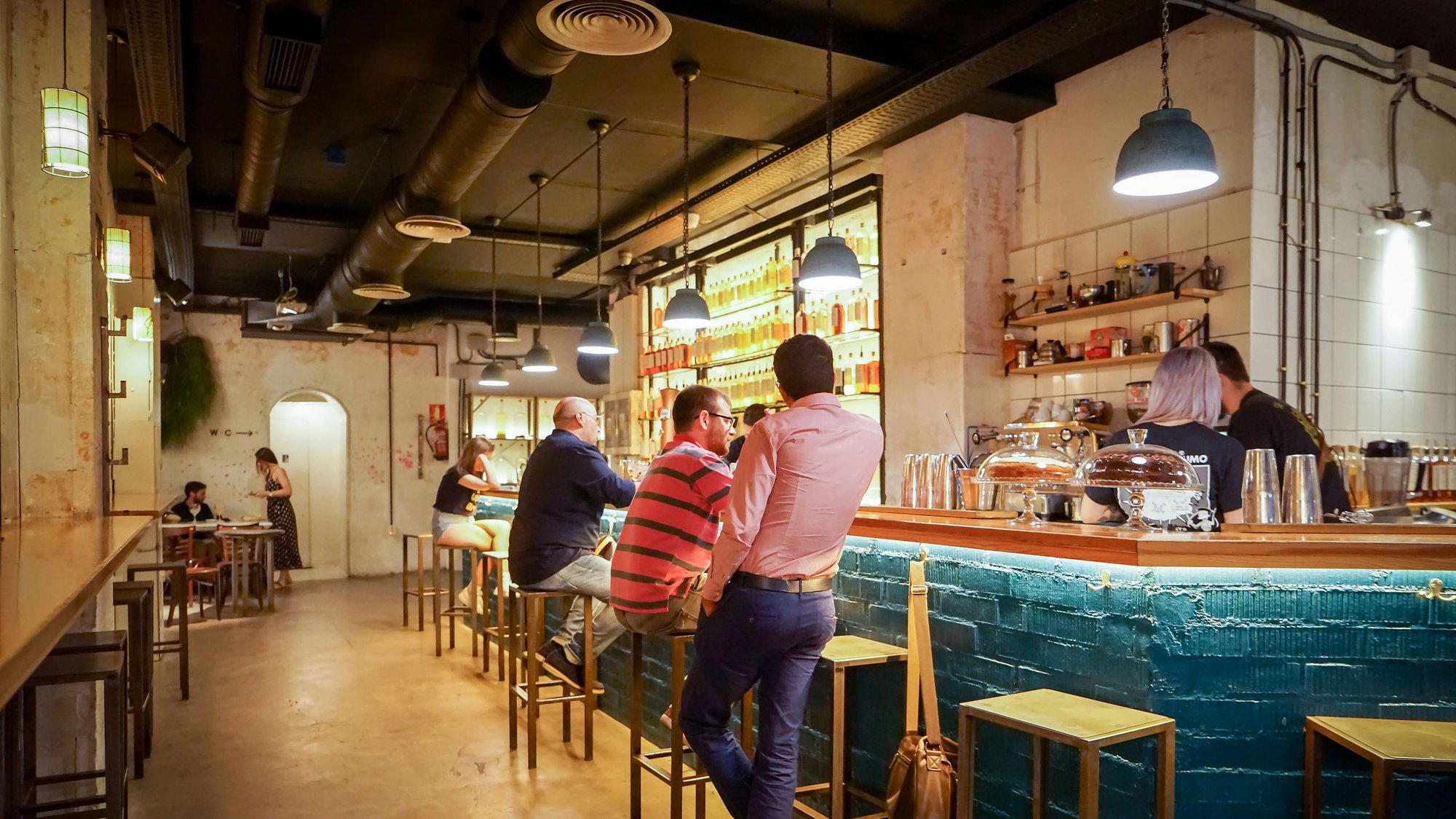
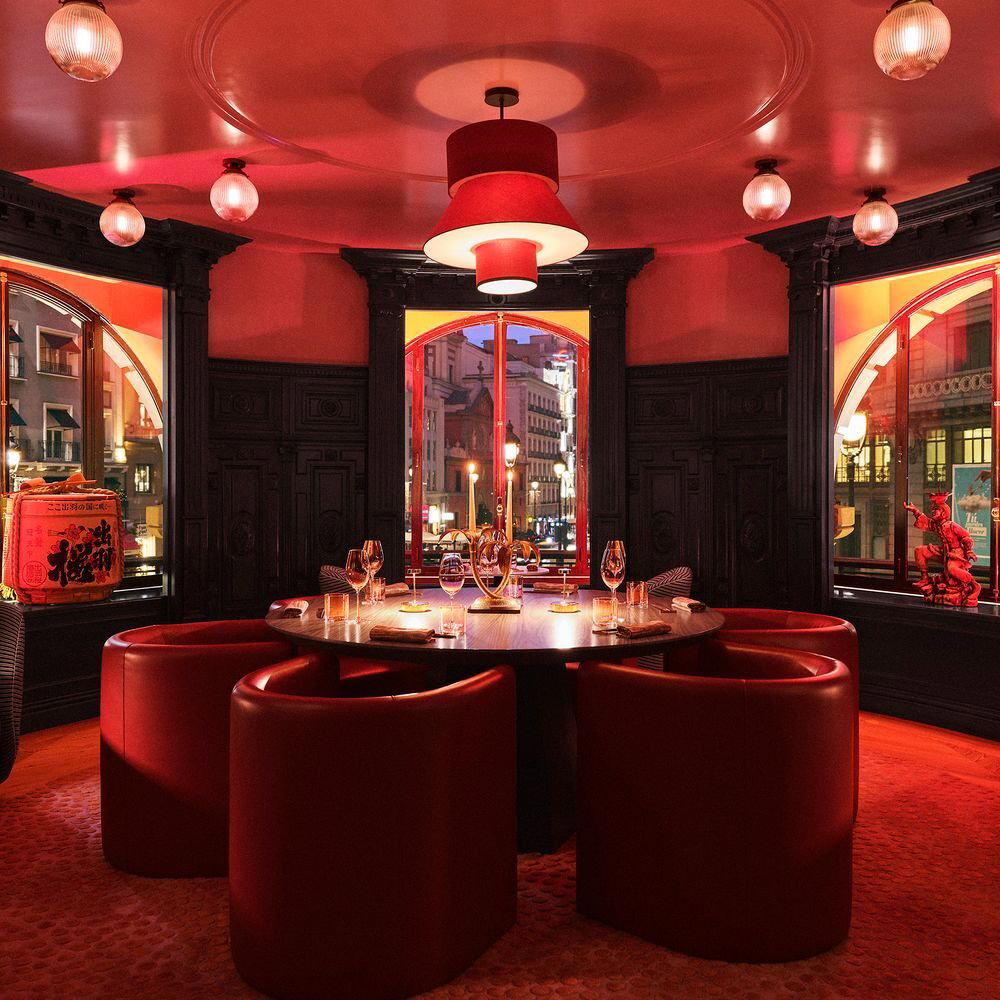
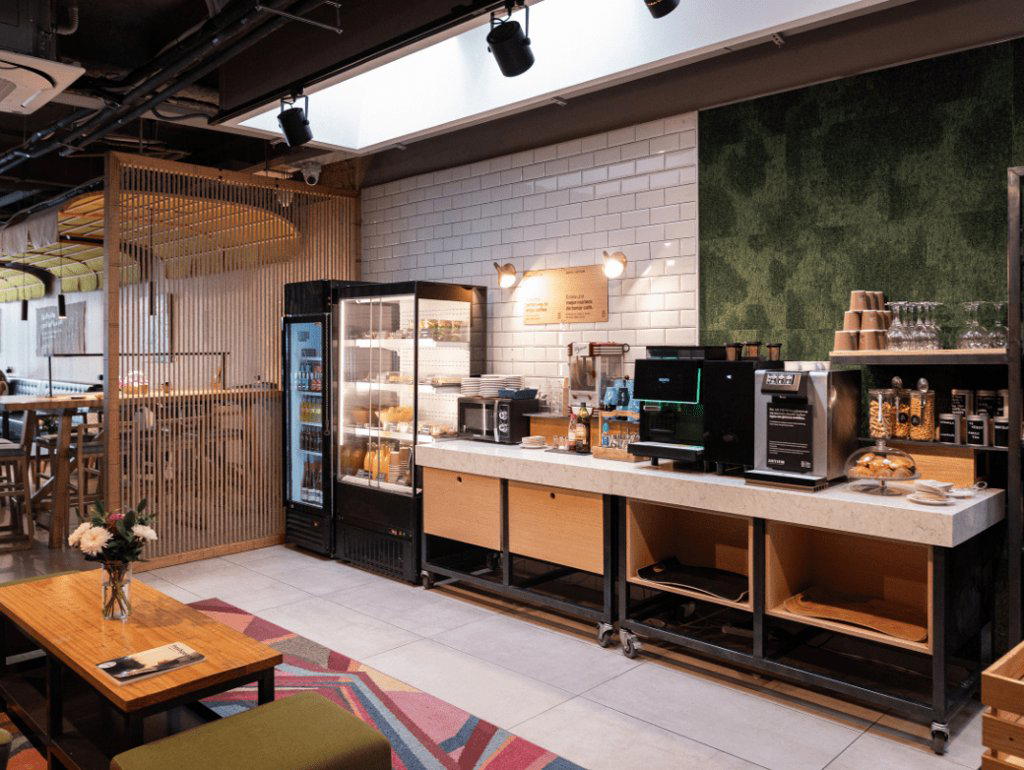
Modern and cozy restaurant with a pleasant atmosphere and good outdoor terrace, casual and approachable dining environment.