Maxi's Restaurant
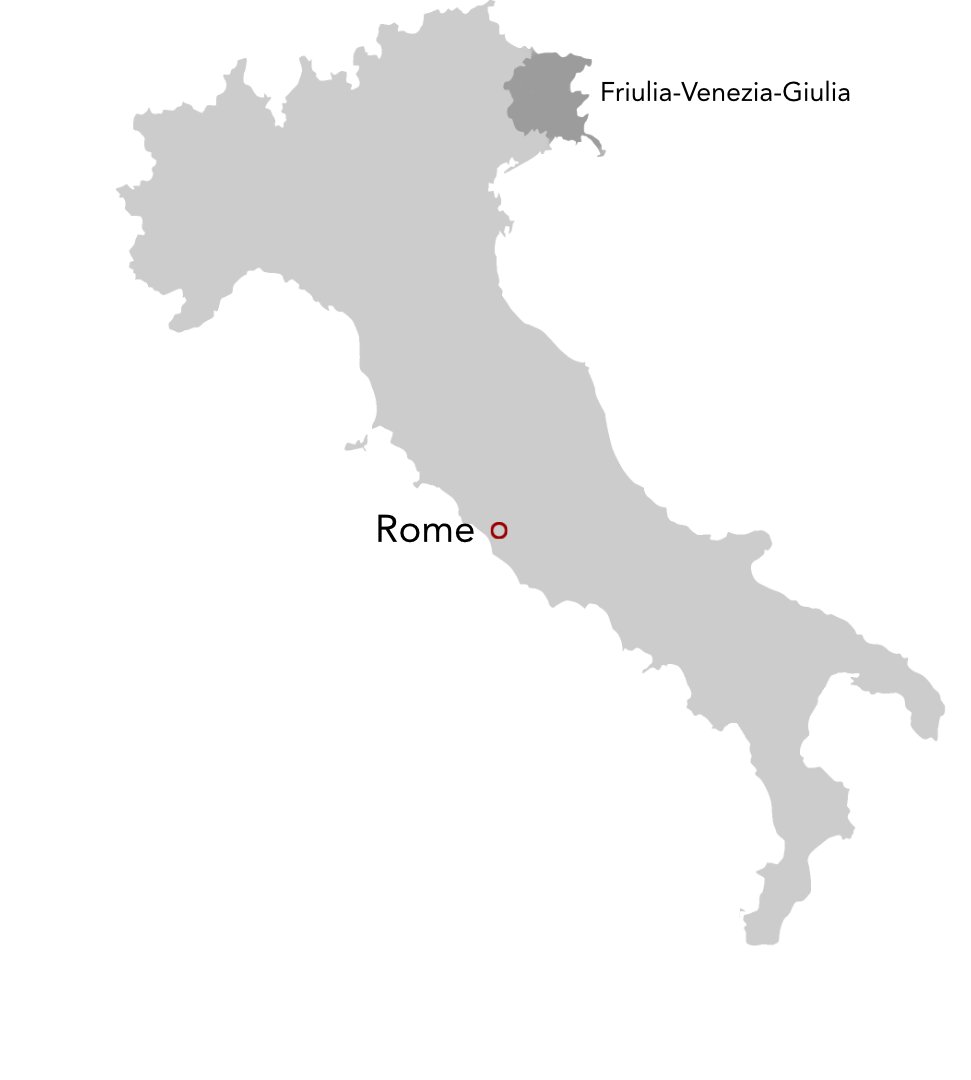
Maxi's Restaurant sits along the Strada Costiera in Duino Aurisina, a stretch of coastline where the Karst plateau meets the Adriatic and the border between Italian and Slovenian culinary traditions runs through the kitchen as naturally as the sea breeze. The address alone places it in one of northeastern Italy's most geographically loaded dining corridors, where proximity to Trieste shapes both the produce and the palate.
Pearl is the En Primeur Club membership app — saves, bookings, and concierge access live there. Same editors, same standards.
- Address
- Strada Costiera Km 137+125, 34011 TS, Italy
- Phone
- +39409977775
- Website
- maxisrestaurant.it
- Directions
- Get directions
 Saves & bookings on Pearl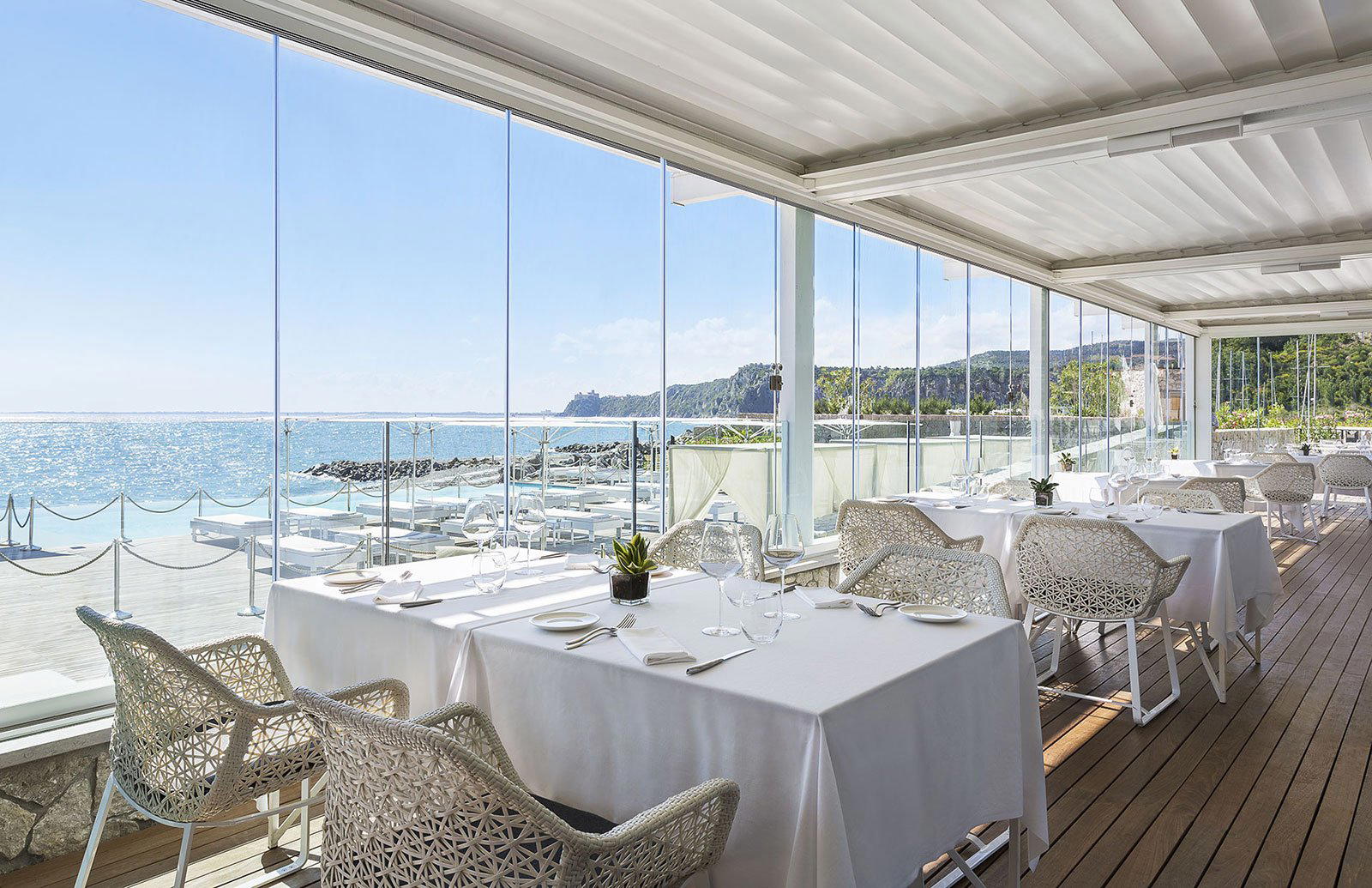
Where the Karst Meets the Coast
The road that runs along the Triestine riviera, the Strada Costiera, catalogued in kilometre markers between the limestone cliffs and the Adriatic, is not a conventional restaurant strip. It is a geological and cultural seam, where the high Karst plateau drops sharply toward the sea and centuries of Austro-Hungarian, Slavic, and Italian influence have layered themselves into the local food tradition. Eating along this stretch has never been merely about seafood or scenery. It is about understanding a region that does not resolve neatly into any single national identity. Maxi's Restaurant, positioned at Strada Costiera Km 137+125 in Duino Aurisina, occupies precisely this kind of charged geography.
Duino Aurisina itself sits between Trieste and the Slovenian border, a position that makes it one of the more genuinely cross-cultural dining destinations in northeastern Italy. The town is small enough that restaurants here serve a local clientele alongside travellers moving between Trieste and the Istrian coast, meaning kitchens tend to reflect actual regional eating habits rather than a curated tourist register. That context matters when reading what a place like Maxi's represents within the local dining ecology.
A Corridor With Its Own Culinary Logic
The Trieste province's coastal restaurants operate within a tradition that draws on the Adriatic's central and northern fishing grounds, the wine culture of the Carso DOC hills directly above, and a kitchen vocabulary shaped by proximity to central European cooking. Bora wind, rocky coastline, and the short but intense seasonal rhythms of the northern Adriatic mean that fish here tends to be handled with less intervention than in the south: the ingredient does more of the work. That restraint-led approach to seafood is part of what separates the Triestine table from the richer, more baroque preparations found further down the peninsula.
Within Duino Aurisina specifically, the dining scene is concentrated enough that each address carries weight. The local comparable set includes Fish House, Gran Osteria Tre Noci, Ristorante Al Cavalluccio, Ristorante Eden, and Trattoria-Gostilna Sardoč, the latter's name alone signalling the bilingual culinary reality of the area. Restaurants here are not competing on volume or spectacle; they are competing on the quality of daily catch, the depth of the local wine list, and the degree to which they understand the regional table rather than approximate it. See our full Duino Aurisina restaurants guide for a broader map of where to eat along this coast.
The Cultural Roots of the Table Here
What makes the dining tradition along the Strada Costiera worth understanding is how it resists the easy categories Italian food tourism tends to impose. This is not Neapolitan or Roman or even broadly northern Italian cooking. The influence of Trieste's Habsburg past runs through the repertoire, goulash sits alongside fish soup, Central European pickling and curing techniques appear alongside Adriatic crudo, and the dessert register draws on a mitteleuropean sugar tradition distinct from anything in Tuscany or Emilia. Restaurants in Duino Aurisina tend to carry some version of this complexity, whether they foreground it or absorb it quietly into an otherwise conventional menu.
That layered culinary identity is what gives the corridor a different kind of depth from Italy's more visited dining destinations. The country's most-discussed restaurant addresses, Osteria Francescana in Modena, Le Calandre in Rubano, Piazza Duomo in Alba, Enoteca Pinchiorri in Florence, and Enrico Bartolini in Milan, operate in regions with codified culinary identities and established critical audiences. The northeastern Adriatic coast is a different proposition: less legible internationally, more genuinely composite in its influences, and correspondingly less overrun.
Italy's coastally-rooted restaurants that have built international reputations, Uliassi in Senigallia, Quattro Passi in Marina del Cantone, or the mountain-meets-territory approach of Atelier Moessmer Norbert Niederkofler in Brunico, have done so by making their geographic specificity legible to an outside audience. The Triestine coast has not yet performed that translation at scale, which is part of what makes it interesting to those who seek out less-mediated regional cooking. For comparison with Italian coastal dining at global recognition level, Le Bernardin in New York City and Atomix in New York City demonstrate how coastal and cultural specificity can be framed for an international audience, a process the northeastern Italian corridor has yet to fully undergo.
Placing Maxi's in Context
What the address and location record confirm is Maxi's position within a dining corridor that rewards a particular kind of traveller: one who is interested in the regional rather than the nationally legible, and who understands that eating well in Duino Aurisina means engaging with a food culture shaped by geography and history more than by critical infrastructure. The Strada Costiera kilometre marker situates Maxi's at a specific point in that landscape, accessible from Trieste to the south and from the Slovenian border crossing to the north, making it relevant to anyone moving along that coastal route.
Restaurants at this address tier along the Triestine riviera tend to operate with a degree of local embeddedness that larger tourist-facing operations do not. Lunch service often matters as much as dinner. Wine lists tend to run deep on Carso DOC and Collio, the two regional appellations that reward local producers doing serious work with Vitovska, Malvasia Istriana, and Terrano. The relationship between kitchen and territory is more likely to be direct than curated. Those are the conditions under which eating along this coast tends to deliver something that a more constructed dining experience cannot.
For anyone building an itinerary along the northeastern Italian coast, the relevant comparison addresses are also worth examining: Dal Pescatore in Runate and Reale in Castel di Sangro represent what deeply rooted Italian regional cooking looks like when it reaches critical recognition, a useful frame for understanding where the Triestine corridor sits and where it might be heading.
Planning Your Visit
Maxi's Restaurant is located at Strada Costiera Km 137+125, 34011, in the Duino Aurisina municipality of the Trieste province. The Strada Costiera is the coastal route connecting Trieste with the Slovenian border, and the kilometre-marker address system along it is the standard navigational reference for restaurants in the area. The road is accessible by car from Trieste in under twenty minutes and is served by regional bus routes, though driving gives you the flexibility to combine a meal with stops at the Castello di Duino or the Rilke Trail above the cliffs.
Budget and Context
Comparable venues nearby, for context on price, style, and recognition.
| Venue | Cuisine | Price | Notes |
|---|---|---|---|
| Maxi's RestaurantThis venue — the venue you are viewing | Sistiana, Modern Italian Seafood | $$$ | Not listed |
| Ristorante Al Cavalluccio | Duino, Traditional Italian Seafood | $$$ | Not listed |
| Gran Osteria Tre Noci | Sistiana, Italian Seafood Osteria | $$$ | Not listed |
| Trattoria-Gostilna Sardoč | Not listed | $$ | Duino Aurisina, Traditional Karst Trattoria |
| Ristorante Eden | Sistiana, Italian Seafood | $$$ | Not listed |
| Fish House | Sistiana, Italian Seafood | $$ | Not listed |
Continue exploring
More in Duino Aurisina
Restaurants in Duino Aurisina
Browse all →
Bars in Duino Aurisina
Browse all →
Hotels in Duino Aurisina
Browse all →
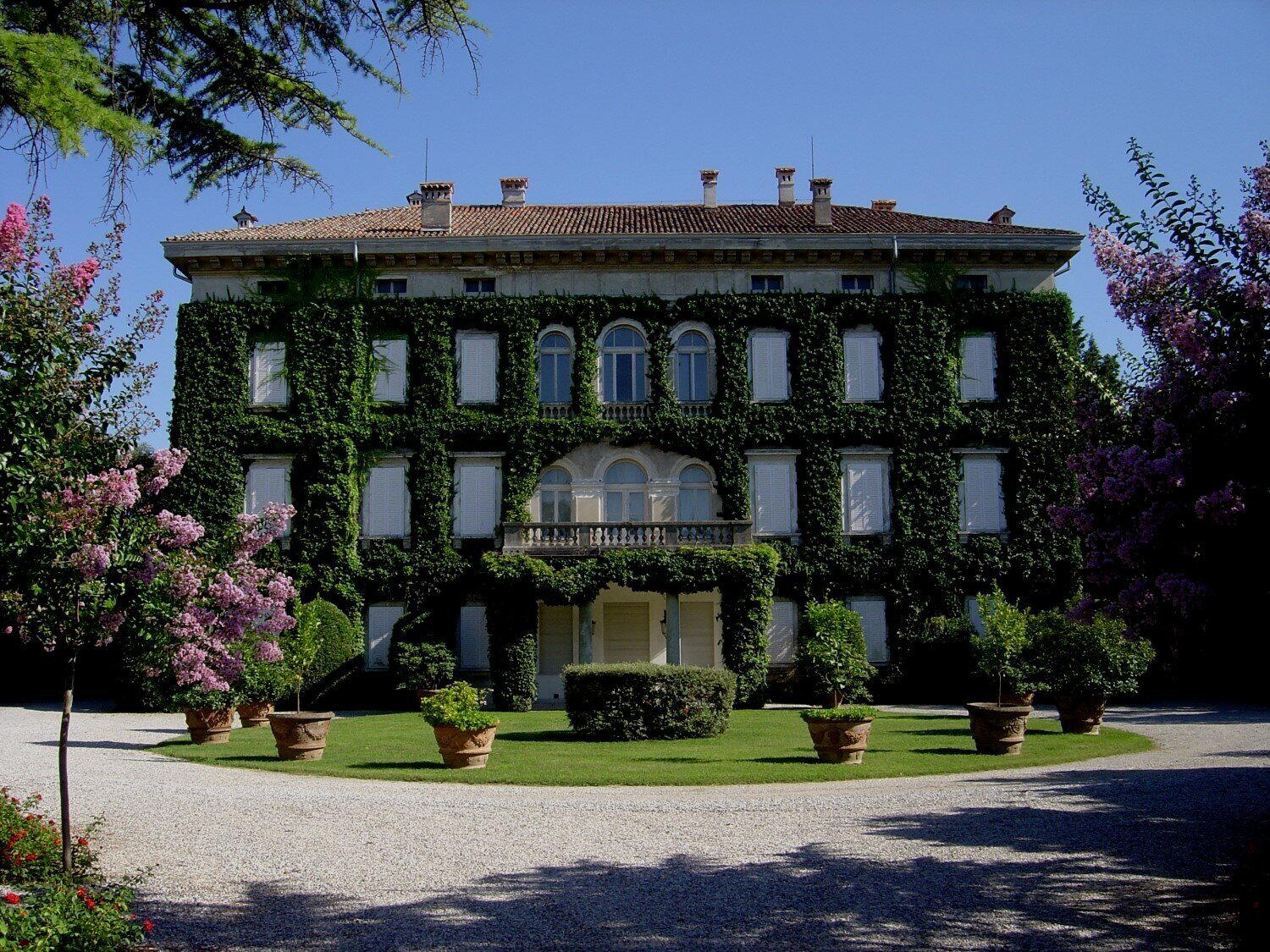
At a Glance
- Scenic
- Elegant
- Modern
- Sophisticated
- Date Night
- Special Occasion
- Waterfront
- Terrace
- Extensive Wine List
- Waterfront
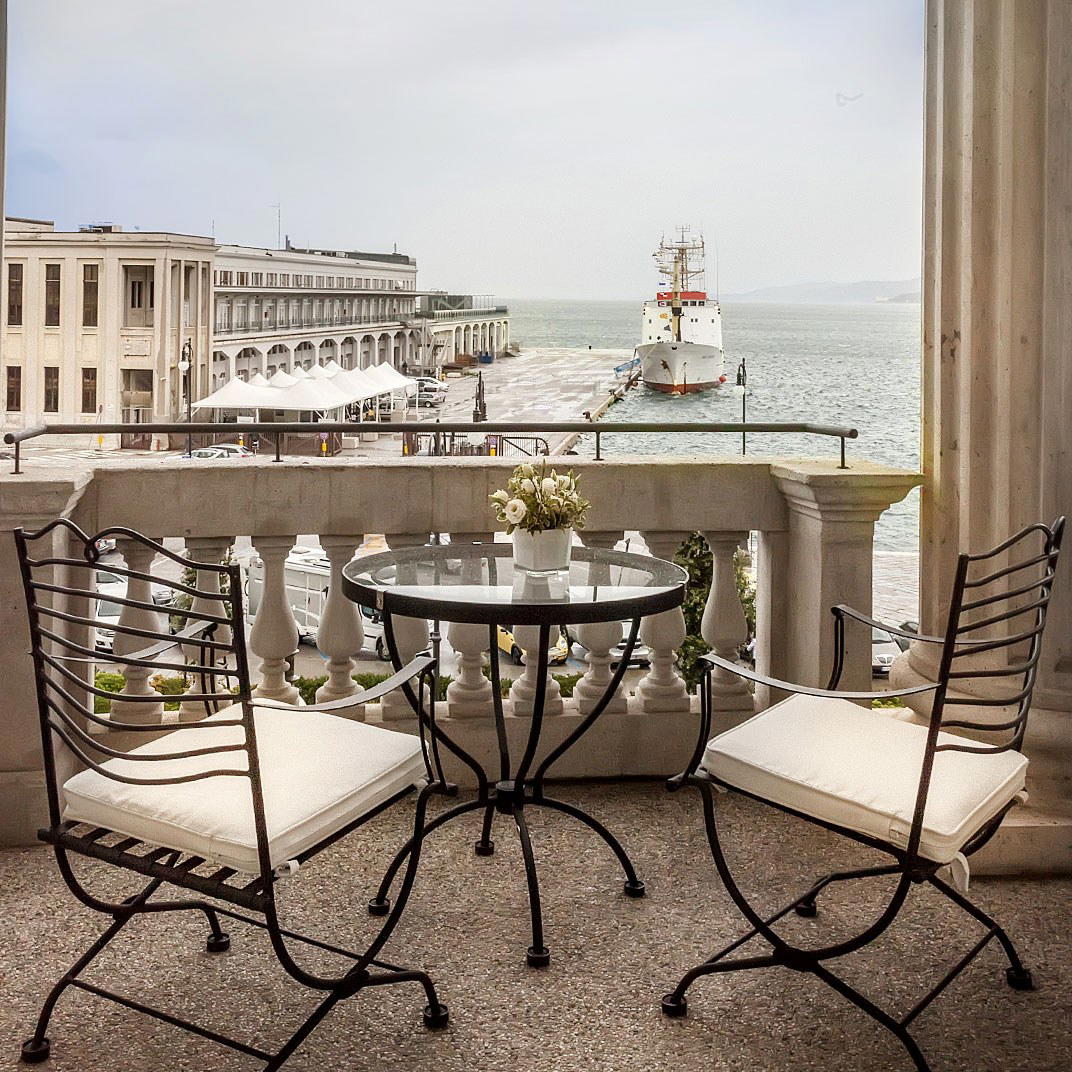
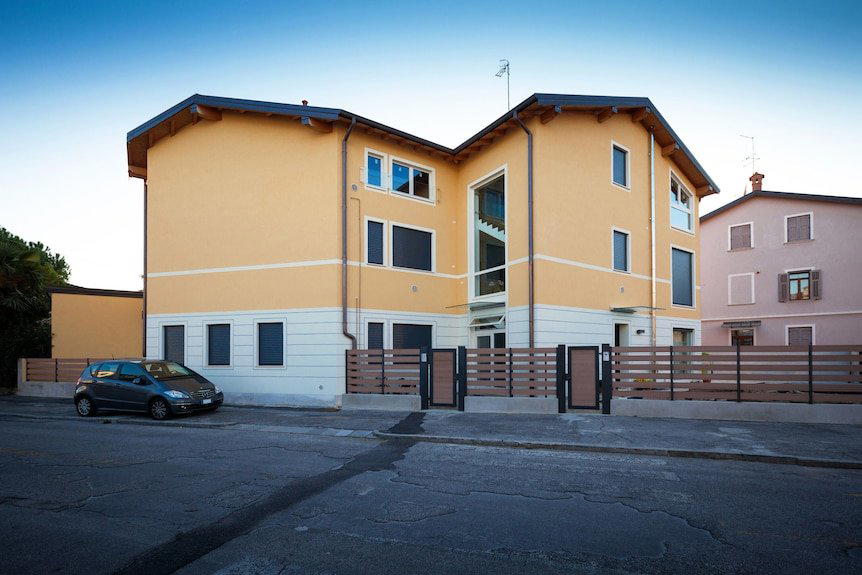
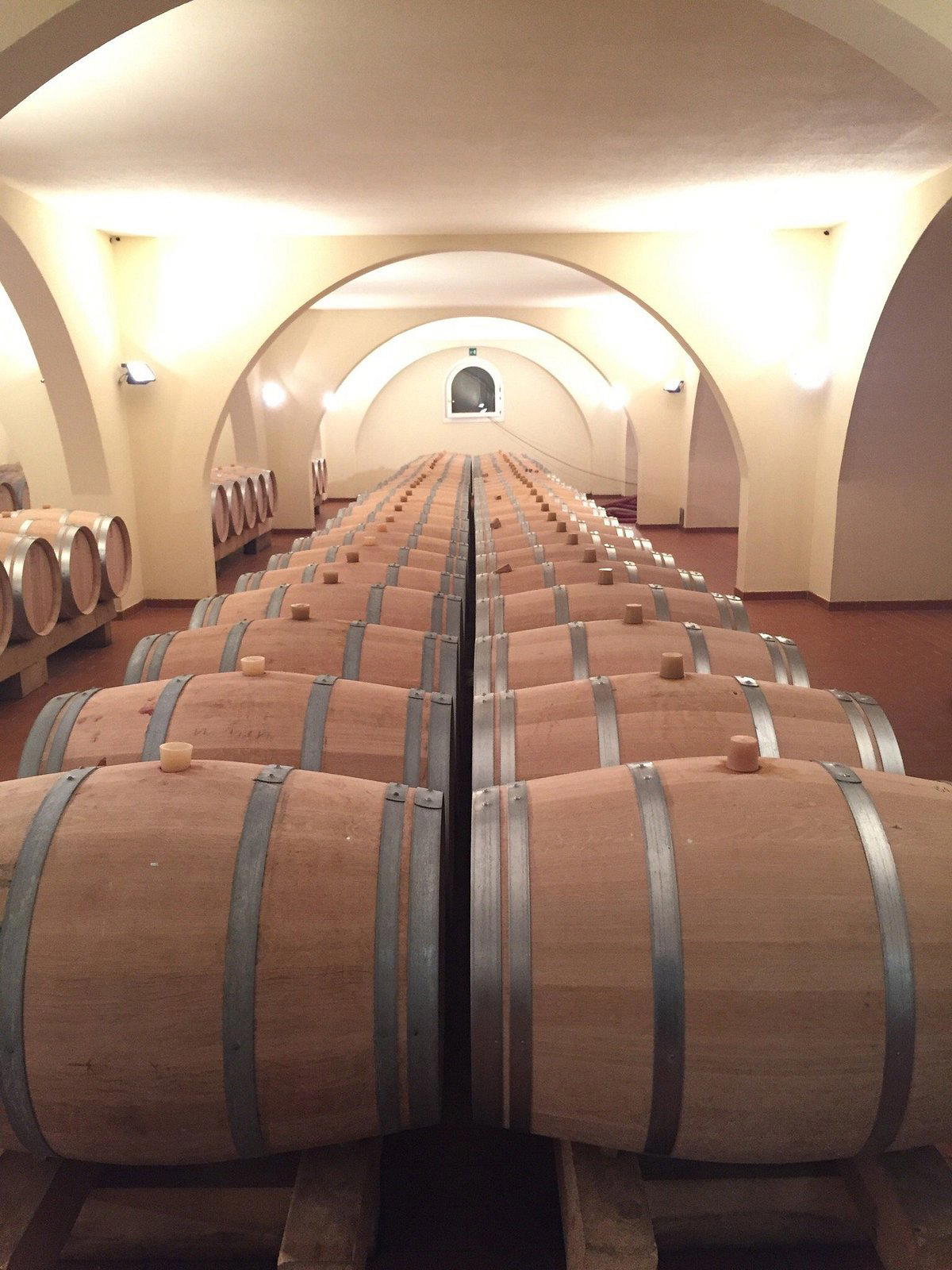
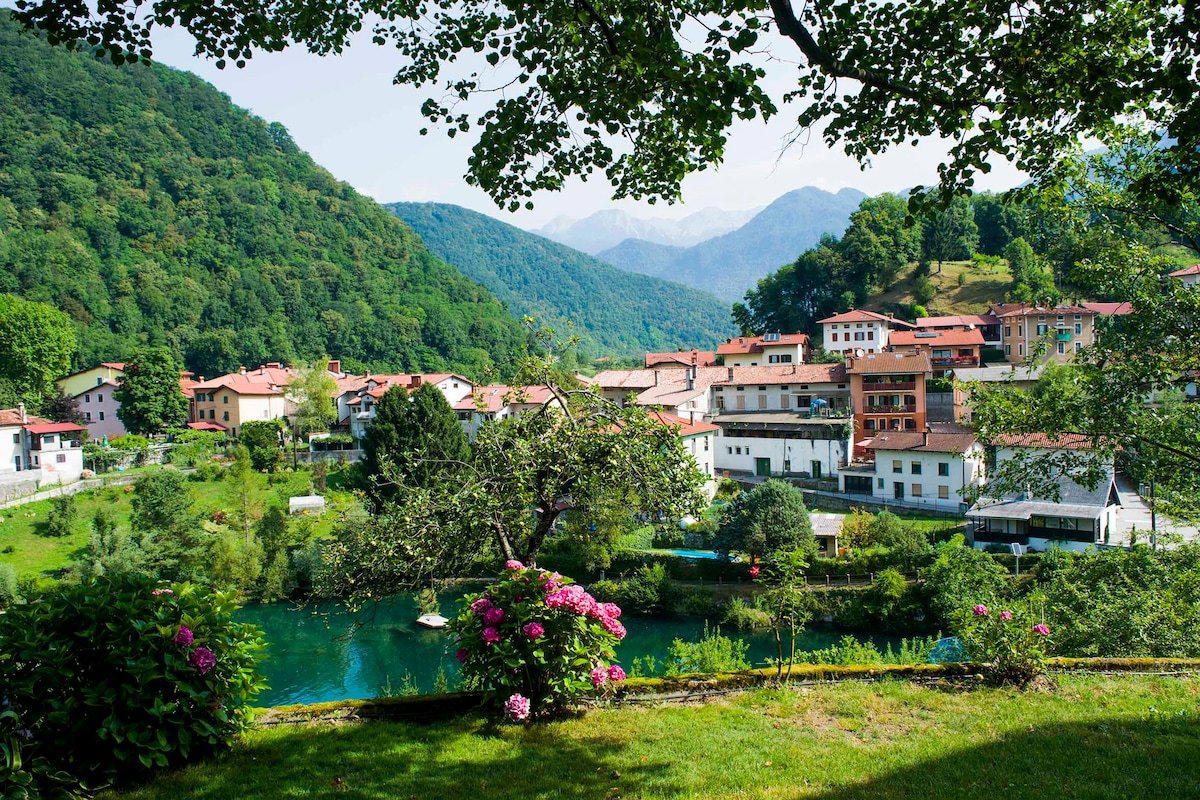
Contemporary and bright interiors with an elegant seaside atmosphere enhanced by sea breezes and sunset views.