Gran Osteria Tre Noci
Gran Osteria Tre Noci serves Italian seafood osteria cooking with Tagliatelle al tartufo, local sourcing, and terrace and private dining for lunch, dinner, or brunch.
Pearl is the En Primeur Club membership app — saves, bookings, and concierge access live there. Same editors, same standards.
- Address
- Via Sistiana, 33, 34011 Duino Aurisina TS, Italy
- Phone
- +393940299222
- Website
- trenoci.it
- Directions
- Get directions
 Saves & bookings on Pearl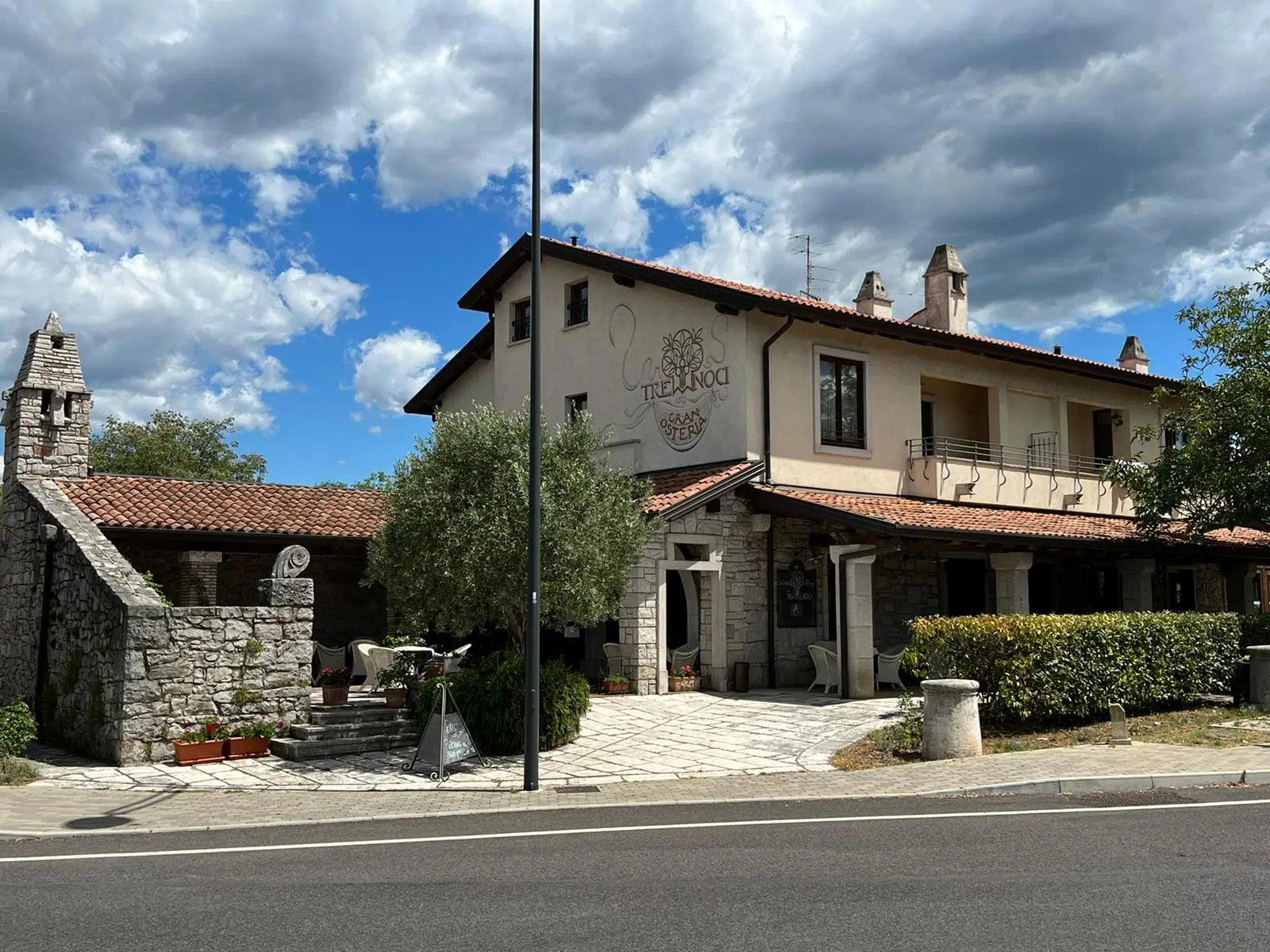
Where the Karst Meets the Coast
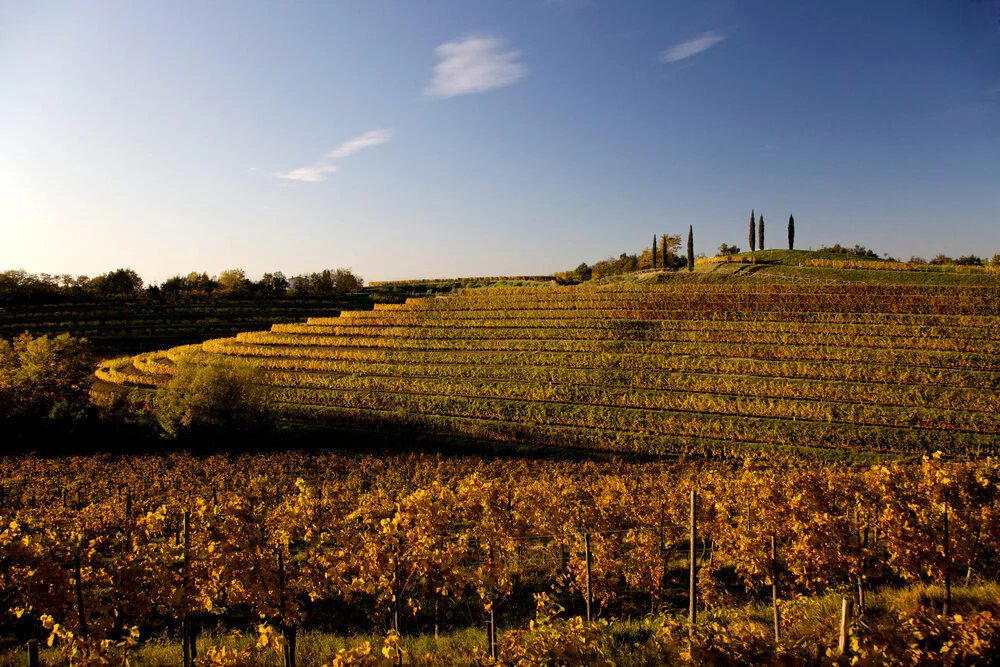
The drive along Via Sistiana toward Duino Aurisina already tells you something about the food that awaits. The road cuts between the limestone plateau of the Karst and the Adriatic below, a geography that has defined this corner of Friuli Venezia Giulia for centuries. Herbs grow from cracks in the rock. Fishing boats work the gulf. The kitchen at Gran Osteria Tre Noci draws from both, not as a theme but as a physical reality of where it sits. This is the kind of territory where trattoria cooking carries more information about a place than most tasting menus manage to convey.
Duino Aurisina is not a dining destination in the promotional sense. What it has instead is a cluster of restaurants shaped by proximity to the sea, the Karst, and Slovenia, a border that sits close enough to leave marks on local larders. Gran Osteria Tre Noci operates inside that context, an osteria format where the sourcing logic and the regional recipe tradition do the heavy lifting, rather than elaborate technique or chef celebrity.
The Ingredient Logic of the Karst and Adriatic
The Friuli Venezia Giulia coastline between Trieste and Duino produces seafood that travels short distances to the table: scampi from the Gulf of Trieste, branzino, orata, and the small, intensely flavoured crustaceans and molluscs that define the region's simpler preparations. The cooking tradition here is less concerned with transformation than with preservation, letting the material arrive at the table in a state close to how it came out of the water or off the hillside.
That sourcing orientation is what separates the better osterie in this stretch of coastline from their counterparts in more tourist-heavy zones. The Karst above provides a second ingredient axis: cured meats, wild herbs, and the raw-milk cheese traditions that owe as much to the Slovenian side of the border as to Italian Friuli. An osteria operating at the junction of these two supply chains has access to a range of materials that, in a larger city, would require multiple specialist suppliers and considerably higher cost. Here, the geography does the curation.
Gran Osteria Tre Noci sits on Via Sistiana, the road that runs along the edge of this productive corridor. That address is not incidental. Restaurants that have lasted in this area tend to be those that built relationships with local fishermen and Karst producers rather than relying on centralised wholesale. The osteria format itself signals a commitment to that model: shorter menus, ingredients that change with the season and the catch, and cooking that resists the pressure to standardise.
How Gran Osteria Tre Noci Fits the Local Scene
Duino Aurisina's restaurant offering is genuinely diverse for a municipality of its size. Fish House and Ristorante Al Cavalluccio anchor the seafood end of the market. Ristorante Eden and Maxi's Restaurant cover a broader Italian-regional range. Trattoria-Gostilna Sardoč marks the Slovenian crossover that characterises the area's culinary identity. The restaurant operates in osteria format within this comparable set, a category that implies a slightly more informal register than ristorante, with cooking that is expected to express the season directly rather than filter it through a fixed carte.
That informality is not a deficiency. Across northern Italy, the osteria format has proved more durable than the elaborately structured ristorante at the mid-tier level, precisely because it allows the kitchen to respond to what is actually available rather than being held to a menu that was designed months in advance. The tradition runs from Dal Pescatore in Runate at its formal end to neighbourhood osterie where three specials change every Tuesday. The restaurant belongs to that continuum in a location where the raw material arriving daily from the Adriatic and the Karst makes the format genuinely productive.
For context on what the wider Italian dining scene looks like at the award-holding end, venues such as Osteria Francescana in Modena, Le Calandre in Rubano, Piazza Duomo in Alba, and Uliassi in Senigallia represent the benchmark for regional Italian cooking at its most technically ambitious. Seafood at the highest Italian register appears at Quattro Passi in Marina del Cantone and at Enrico Bartolini in Milan. The restaurant occupies a different register entirely, unpretentious, geographically specific, and shaped by the kind of daily sourcing decisions that the osteria format was designed to accommodate. Internationally, the closest analogy to this sourcing-driven coastal approach might be Uliassi in Senigallia at a far more ambitious scale, or the ethos (if not the technique) of Le Bernardin in New York City, where ingredient provenance anchors every decision.
The Broader Friuli Venezia Giulia Context
The region this restaurant calls home is among the more compositionally complex in Italy. It borders Austria and Slovenia, spent decades under Habsburg administration, and carries a food culture that reflects all three of those histories simultaneously. The Karst plateau above Trieste has its own denomination of cured pork, Prosciutto di Karst, and a wine tradition rooted in indigenous varieties such as Vitovska and Terrano that rarely appear outside the immediate area. The Adriatic below produces some of the northern Adriatic's most distinctive small-scale catches.
What this means for a restaurant on Via Sistiana is that the sourcing story is layered in a way that cannot be replicated in most Italian regions. A kitchen drawing from the Karst above and the Gulf of Trieste below is working with materials that have a clear geographic identity, not because that identity has been branded and marketed, but because the physical conditions that produce them are genuinely distinct. Restaurants in this corridor that build their menus around those materials are, in effect, archiving a food culture that remains under-documented compared to, say, Emilia-Romagna or Piedmont.
That under-documentation is partly why dining in Duino Aurisina rewards research. For an idea of how the broader Italian northeast and its most ambitious kitchens approach regional identity, Atelier Moessmer Norbert Niederkofler in Brunico and Reale in Castel di Sangro both demonstrate what happens when hyper-local sourcing meets serious technical ambition. Enoteca Pinchiorri in Florence remains the reference point for Tuscan fine dining in comparison. Atomix in New York City shows how the sourcing-as-identity approach translates to a completely different cultural context.
Planning Your Visit
The restaurant is located at Via Sistiana 33, 34011 Duino Aurisina, in the province of Trieste. The address places it within reach of Trieste by car, the city is roughly 15 kilometres south along the coastal road, making it a plausible dinner option for visitors staying in Trieste who want to eat outside the city without travelling far. Duino Aurisina itself is accessible by regional train from Trieste, though a car is more practical for evening visits, particularly in the months when the Bora wind makes the exposed coastal road uncomfortable on foot.
Reservations are recommended.
A Quick Peer Check
Comparable venues nearby, for context on price, style, and recognition.
| Venue | Cuisine | Price | Notes |
|---|---|---|---|
| Gran Osteria Tre NociThis venue — the venue you are viewing | Italian Seafood Osteria | $$$ | Not listed |
| Ristorante Eden | Italian Seafood | $$$ | Sistiana |
| Trattoria-Gostilna Sardoč | Traditional Karst Trattoria | $$ | Duino Aurisina |
| Maxi's Restaurant | Modern Italian Seafood | $$$ | Sistiana |
| Fish House | Italian Seafood | $$ | Sistiana |
| Ristorante Al Cavalluccio | Traditional Italian Seafood | $$$ | Duino |
Continue exploring
More in Duino Aurisina
Restaurants in Duino Aurisina
Browse all →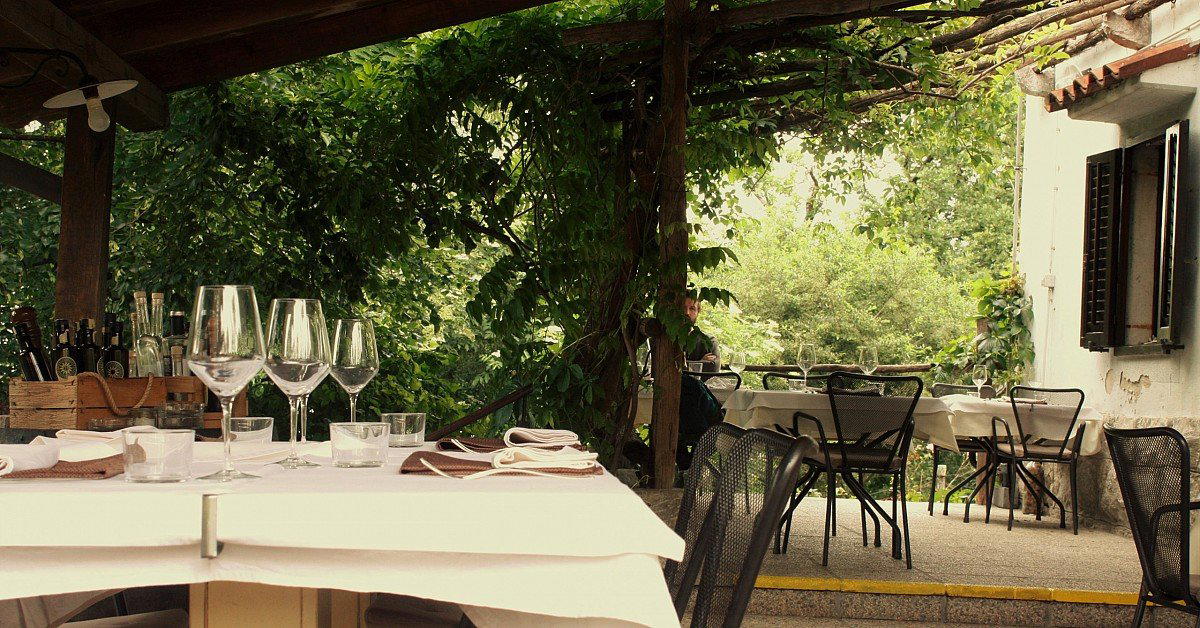
Bars in Duino Aurisina
Browse all →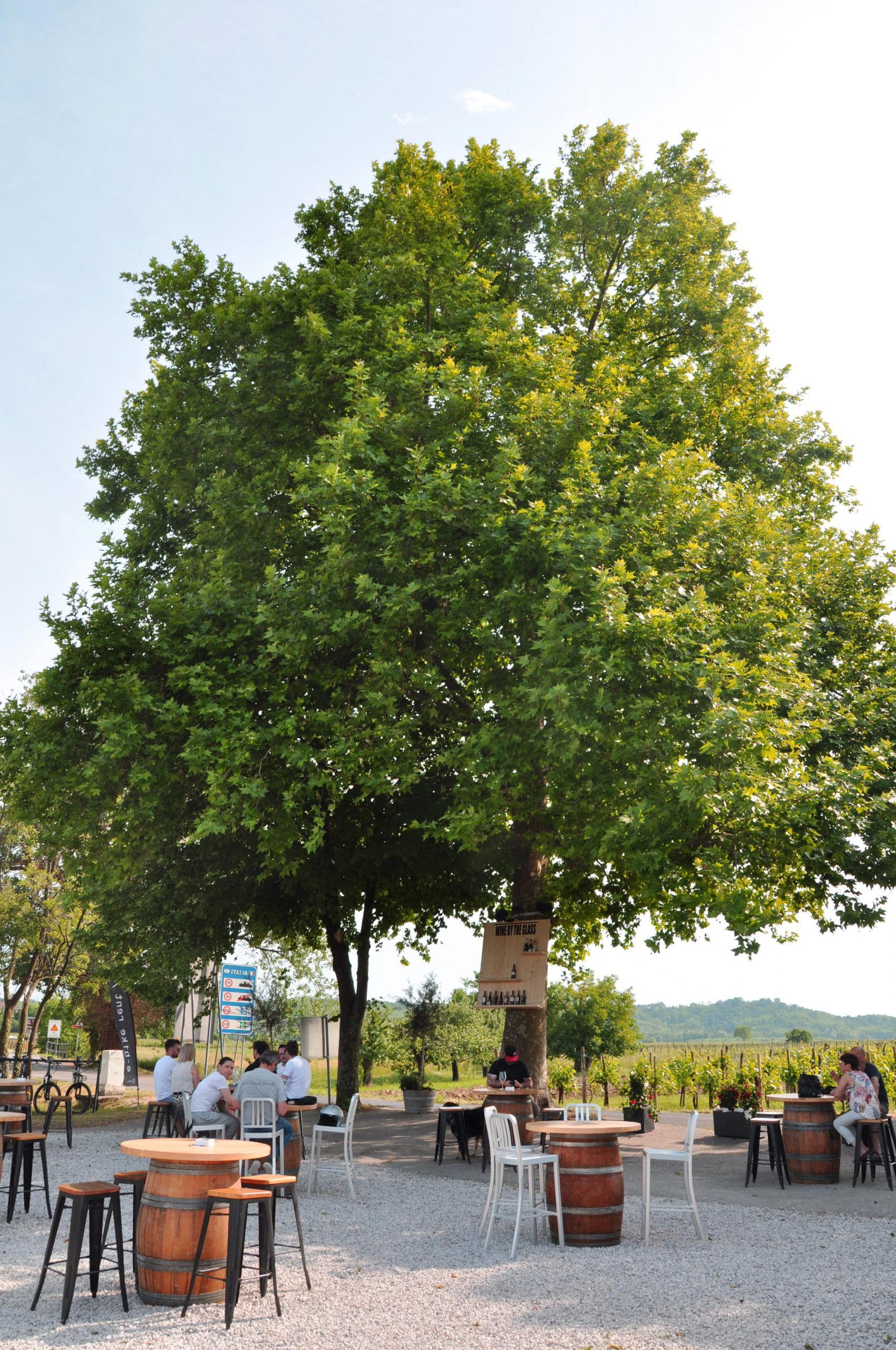
Hotels in Duino Aurisina
Browse all →
At a Glance
- Rustic
- Elegant
- Cozy
- Special Occasion
- Family
- Date Night
- Terrace
- Private Dining
- Local Sourcing
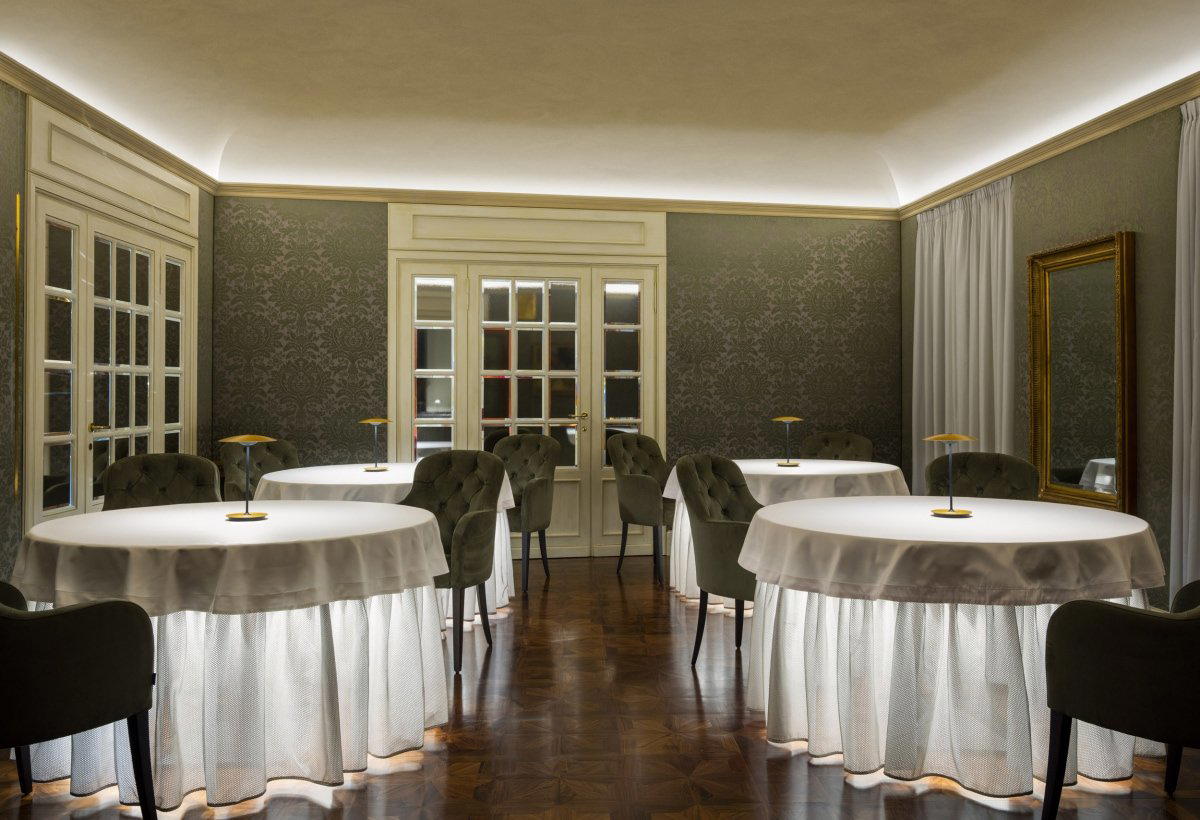
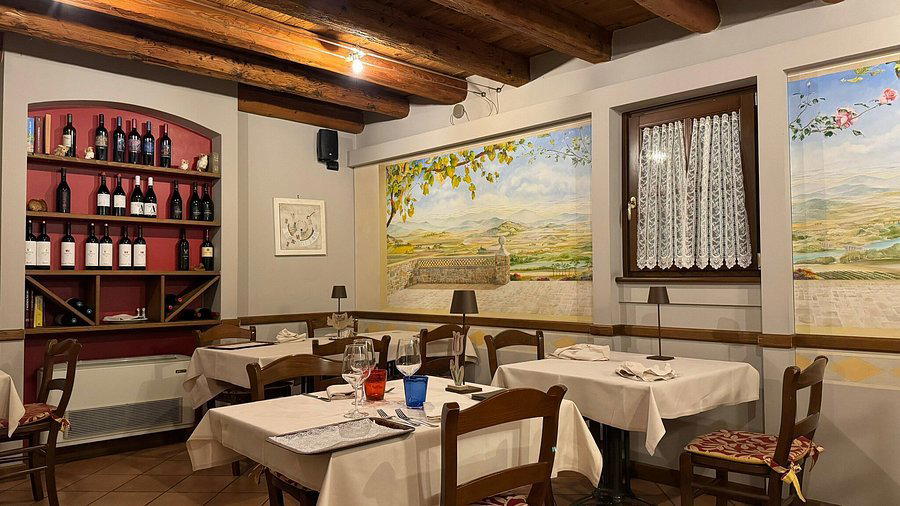
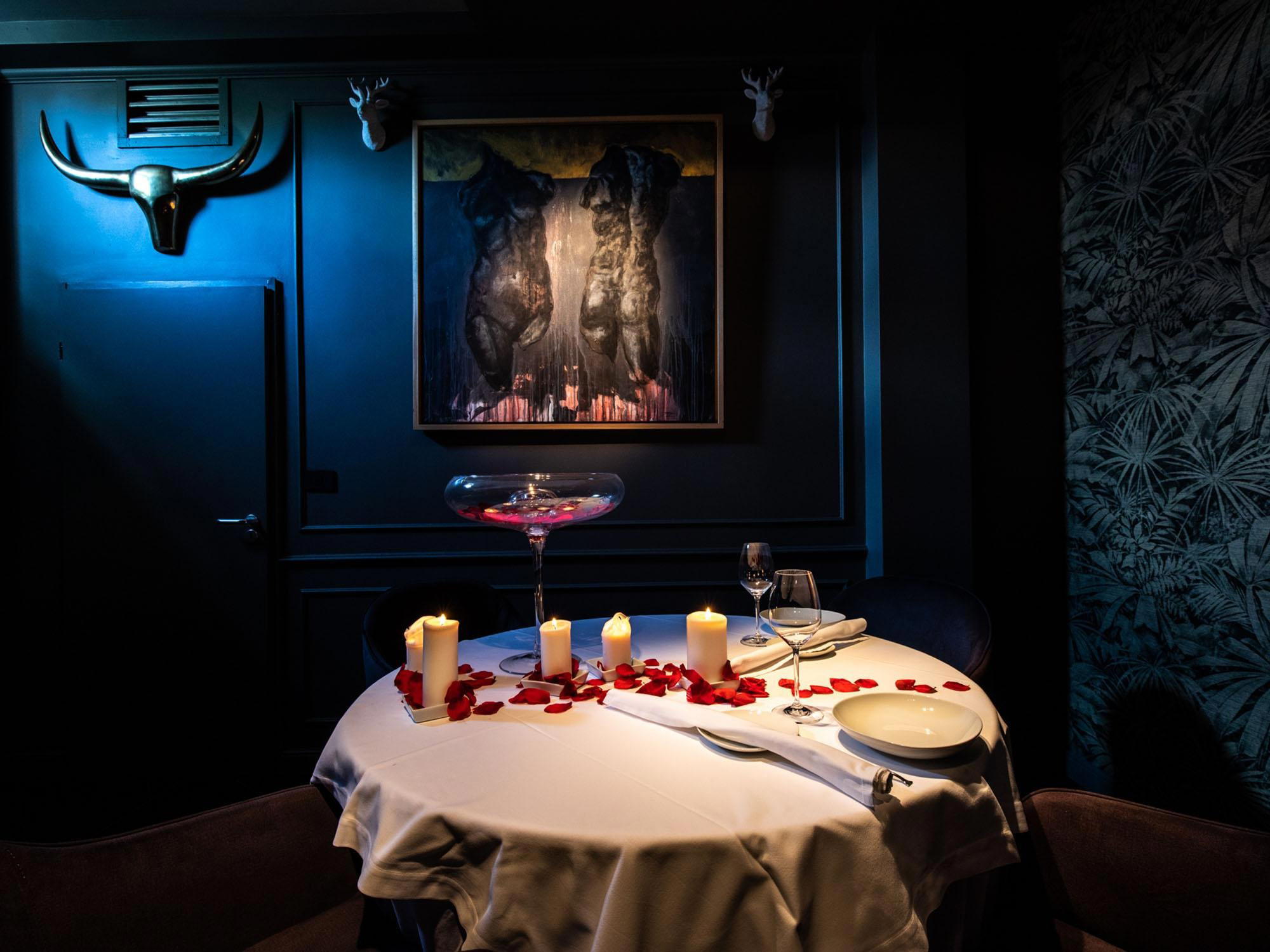
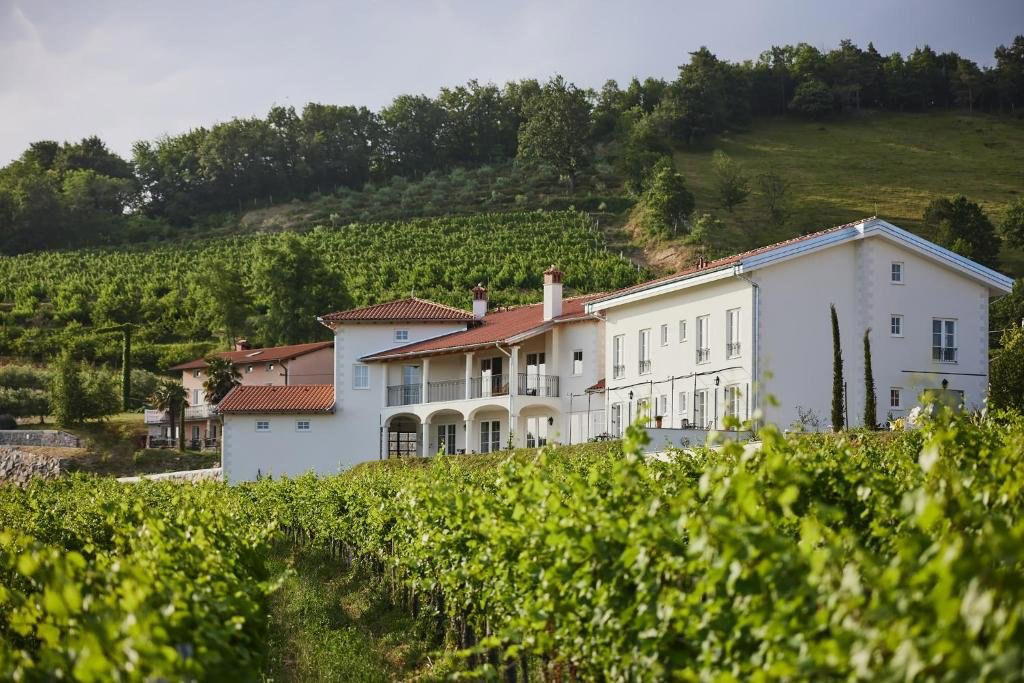
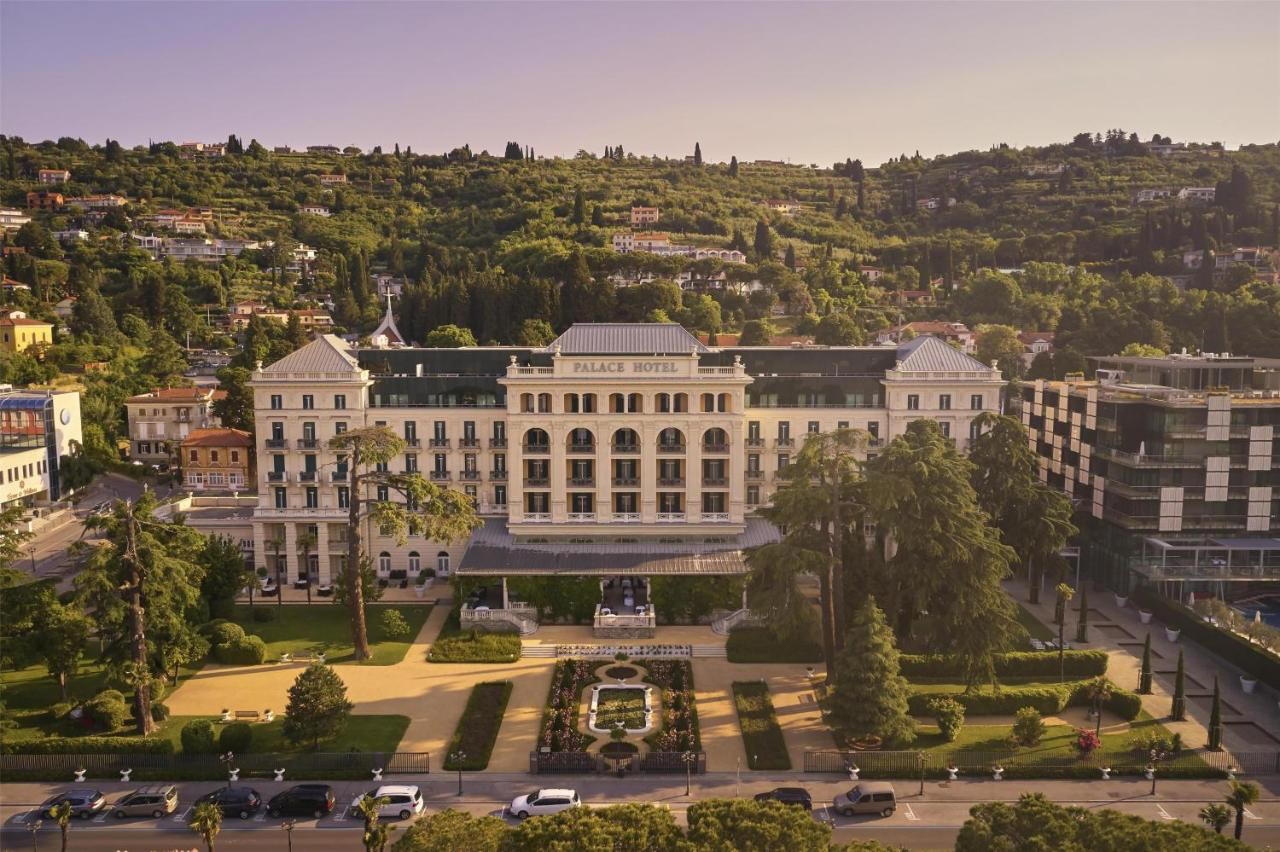
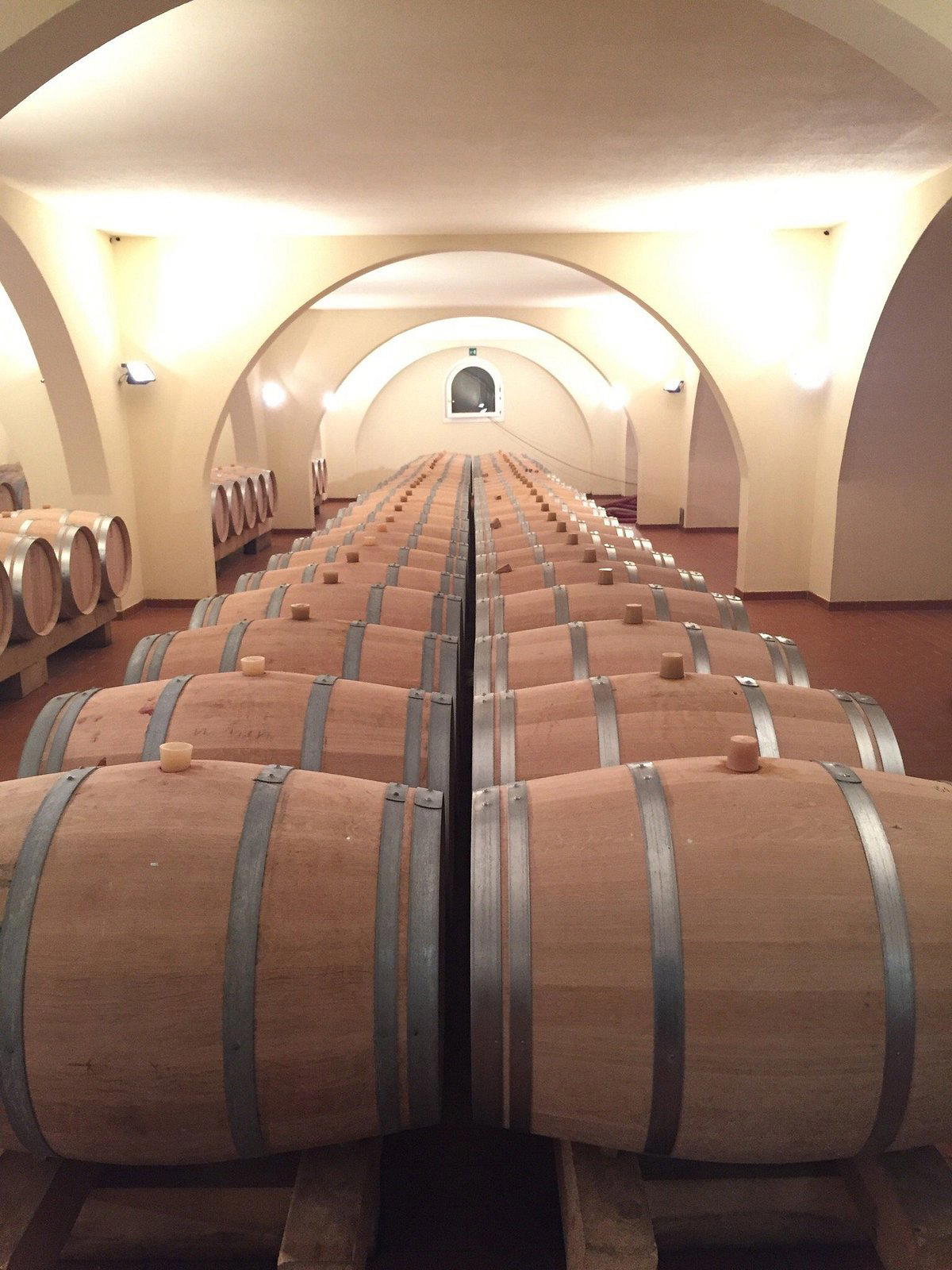
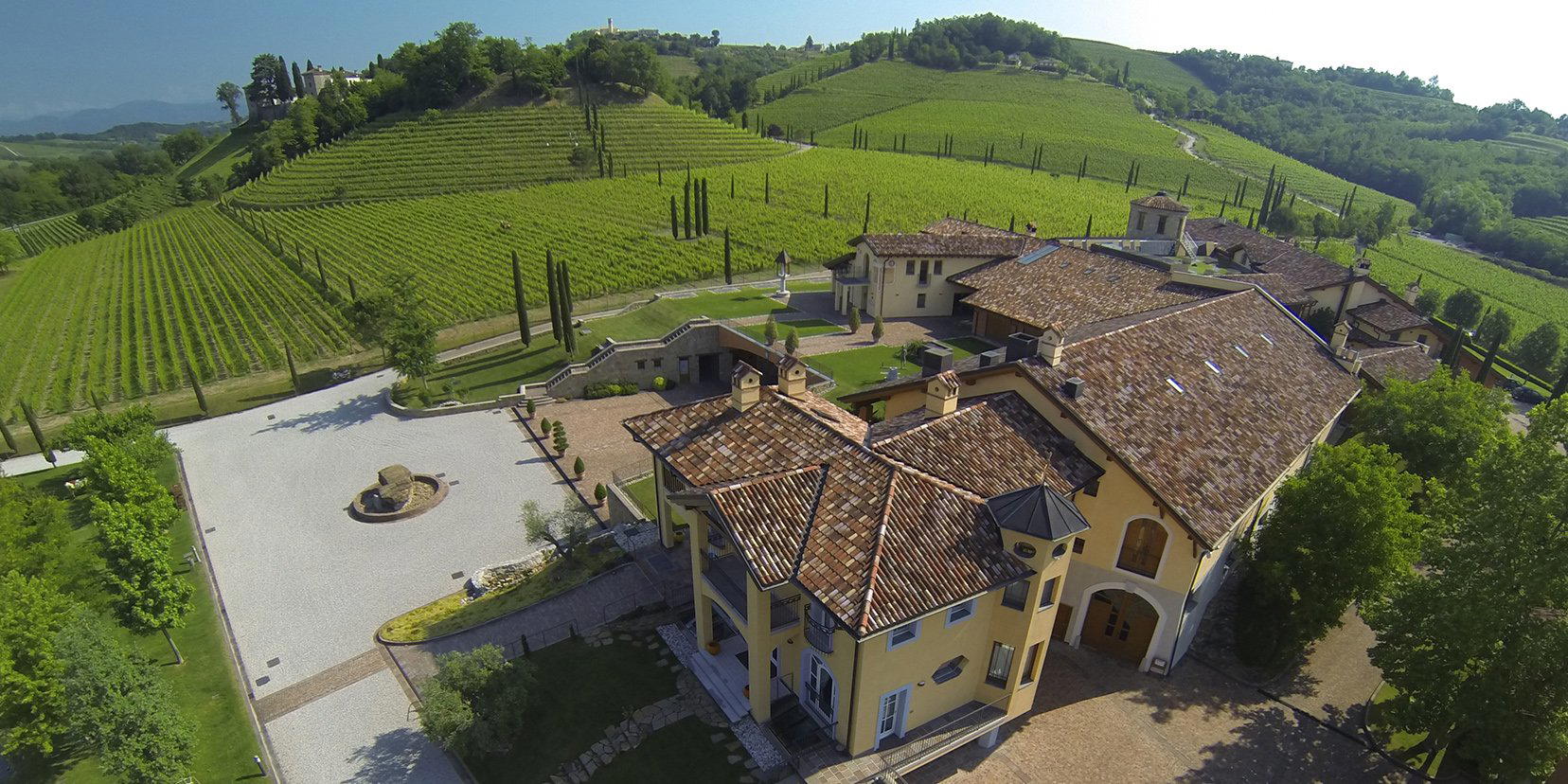
Warm and friendly atmosphere with rustic elegance, large green outdoor areas, terrace, and porch for relaxed dining.