Maurizios Fischhalle
Maurizios Fischhalle serves Italian Seafood & Mediterranean cooking at Josef Stanislaus Albach-Gasse 4A, 7000 Eisenstadt, Austria, with a quiet, casual setup suited to lunch or dinner.
Pearl is the En Primeur Club membership app — saves, bookings, and concierge access live there. Same editors, same standards.
- Address
- Josef Stanislaus Albach-Gasse 4A, 7000 Eisenstadt, Austria
- Phone
- +436769222348
- Directions
- Get directions
 Saves & bookings on Pearl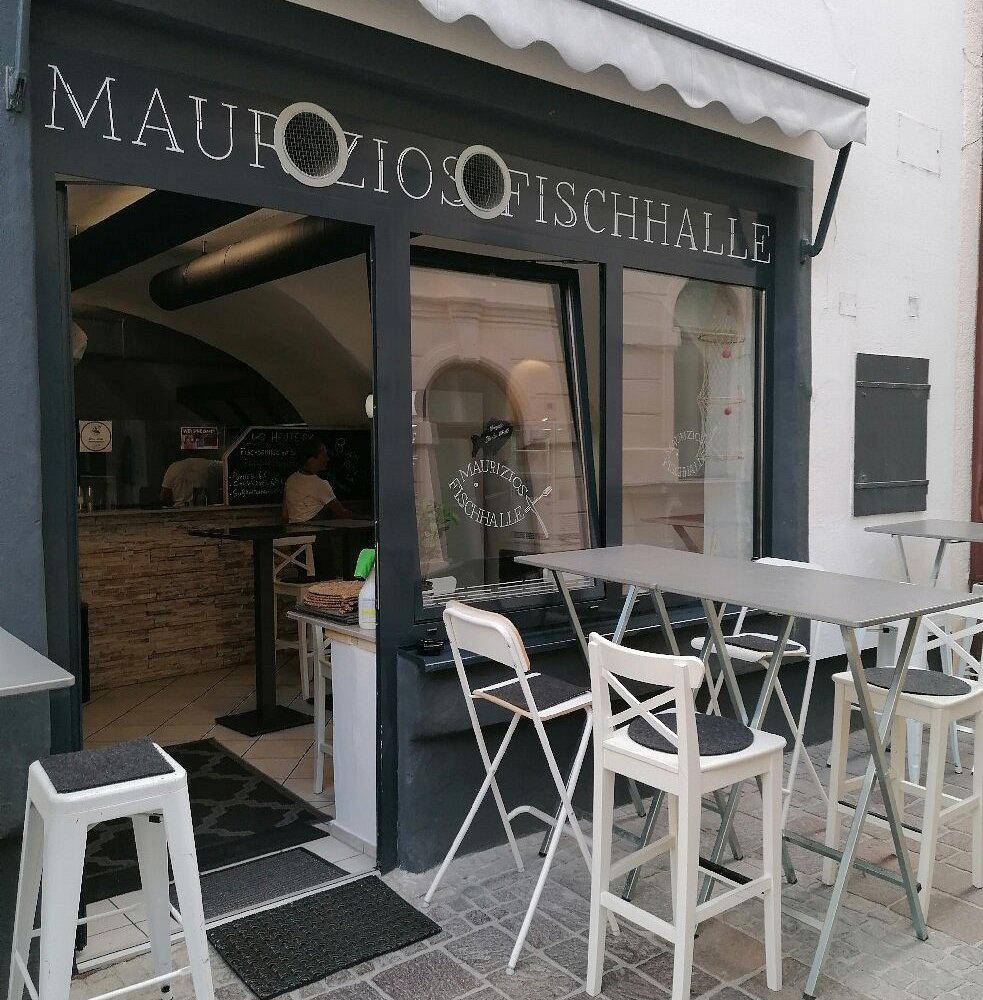
Fish, in a Capital Built for Wine
Eisenstadt is, above almost everything else, a wine town. The Burgenland capital sits at the eastern edge of the Leithagebirge, flanked by Blaufränkisch vineyards and producers whose bottles travel to Vienna auction tables and beyond. That context makes a dedicated fish restaurant here an editorial curiosity worth taking seriously. Most regional dining in this pocket of Austria orients around game, lake fish from the Neusiedlersee basin, and the pork-forward cooking that anchors Austrian provincial tables. Maurizios Fischhalle, on Josef Stanislaus Albach-Gasse in the old town core, reads as a deliberate counter-programme to that regional default.
Where the Produce Argument Begins
The case for a fish-specialist operation in Burgenland rests on geography as much as ambition. The Neusiedlersee, Austria's largest lake and a UNESCO-listed body of water, lies fewer than ten kilometres from the centre of Eisenstadt. That proximity puts pike, zander, carp, and perch into the regional supply chain with a freshness that restaurants further west in Austria cannot match without refrigerated logistics. The Fischhalle name itself signals a market-hall register: the German term carries associations with harbour-front trading, with the direct movement of fish from water to slab, and with a certain no-ceremony approach to sourcing that distinguishes working fish halls from fine-dining seafood rooms.
In Central Europe, the Fischhalle model occupies a distinct tier between casual fish-and-chip informality and the elaborate plated seafood of tasting-menu houses. It places sourcing transparency at the centre of its proposition. The argument is that the fish quality, handled with skill but not theatrical intervention, is reason enough to come. That argument has particular weight in a region like Burgenland, where the lake economy has shaped cooking for centuries and where regulars tend to know the difference between Neusiedlersee zander and farmed alternatives.
Internationally, the comparison is instructive. The sourcing-led approach that defines serious fish restaurants in coastal markets, from the market-table format of Barcelona's waterfront to the precision procurement behind Le Bernardin in New York City, translates inland primarily when a reliable proximate source exists. Burgenland has that source. The Neusiedlersee provides both the ecological credibility and the culinary material for a fish-forward programme that does not need to import its identity from elsewhere.
The Room and the Approach
The address on Josef Stanislaus Albach-Gasse places Maurizios Fischhalle in the older residential-commercial grain of Eisenstadt, away from the tourist circuits around Schloss Esterházy. Arriving on foot through the quiet streets of the 7000 postal district, the setting suggests a neighbourhood address rather than a destination dining room: the kind of place where the regulars arrive early, know what they want, and the table-turnover rhythm is set by the food rather than a reservation system calibrated to maximise covers.
Fish-specialist restaurants in mid-sized Central European cities tend to run on this model. The menu reflects what came in that morning more than it reflects a fixed seasonal programme, and the kitchen's credibility comes from the consistency of its sourcing relationships rather than from the length of its wine list or the altitude of its design budget. That operational logic creates a specific kind of dining experience: one where the conversation at the table often turns to the fish itself, its origin, its condition, and the relatively minimal work done between the water and the plate.
Eisenstadt in the Austrian Dining Conversation
Austria's recognised fine dining is concentrated in Vienna, Salzburg, and the Alpine west. The arc from Steirereck im Stadtpark in Vienna through Döllerer in Golling an der Salzach and Obauer in Werfen draws the critical attention, with further recognition extending to Alpine rooms like Griggeler Stuba in Lech, Stüva in Ischgl, and Gourmetrestaurant Tannenhof in Sankt Anton am Arlberg, and to creative operators elsewhere such as Ikarus in Salzburg, Kräuterreich by Vitus Winkler in Sankt Veit im Pongau, Schwarzer Adler in Hall in Tirol, Restaurant 141 by Joachim Jaud in Mieming, and Ois in Neufelden. Burgenland sits largely outside that critical map, with the notable exception of Taubenkobel in Schützen am Gebirge, which has built a Michelin-recognised profile around the region's produce.
That critical gap means Eisenstadt's restaurant scene operates without the ambient pressure of starred competition. Restaurants like Landhaus Bacher in Mautern an der Donau and Atelier Fischer in Sankt Gilgen demonstrate that serious water-adjacent cooking exists across Lower Austria and the Salzkammergut outside the recognised metropolitan circuits. Artis in Graz similarly operates in a regional capital that sits outside Vienna's gravity, drawing its dining identity from local producers rather than imported frameworks.
Maurizios Fischhalle occupies an analogous position in Eisenstadt: a fish-focused address in a wine-oriented city, making an argument about sourcing proximity that the local geography genuinely supports. For anyone routing through Burgenland for the wine country, including the vineyards around Rust and the Leithaberg DAC corridor, a meal anchored in Neusiedlersee fish rather than another Pannonian meat dish is a reasonable pivot that the region's own culinary logic can support. For broader context on where Maurizios Fischhalle fits within the city's dining options, our full Eisenstadt restaurants guide maps the choices across categories and price points.
Planning Your Visit
Eisenstadt is accessible from Vienna in under an hour by road, and the town is compact enough to cover the distance from any central point to the Albach-Gasse address on foot. The address at Josef Stanislaus Albach-Gasse 4A provides the physical anchor; the rest of the planning logistics are worth confirming at source.
How Maurizios Fischhalle Eisenstadt compares with similar nearby venues.
| Venue | Cuisine | Price |
|---|---|---|
| Taubenkobel | Modern Austrian, French Contemporary | €€€€ |
| Ziegelwerk Gasthaus | Regional Cuisine | €€ |
Continue exploring
More in Eisenstadt
Restaurants in Eisenstadt
Browse all →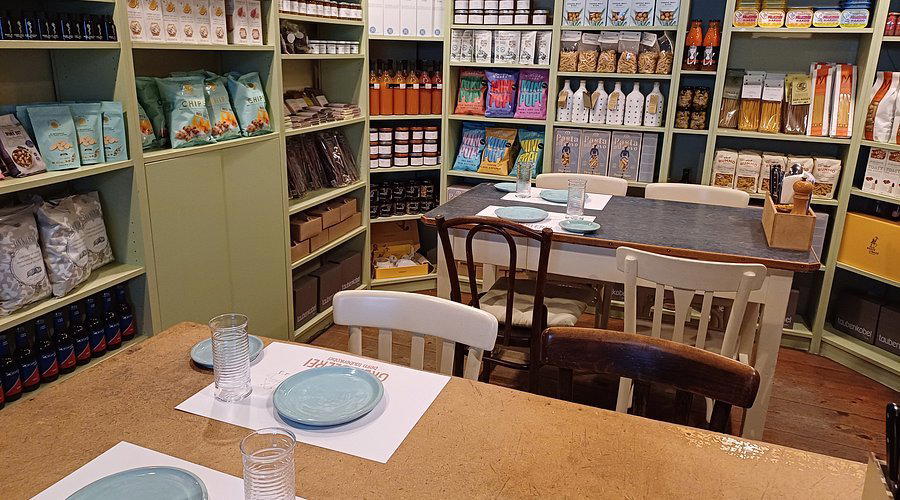
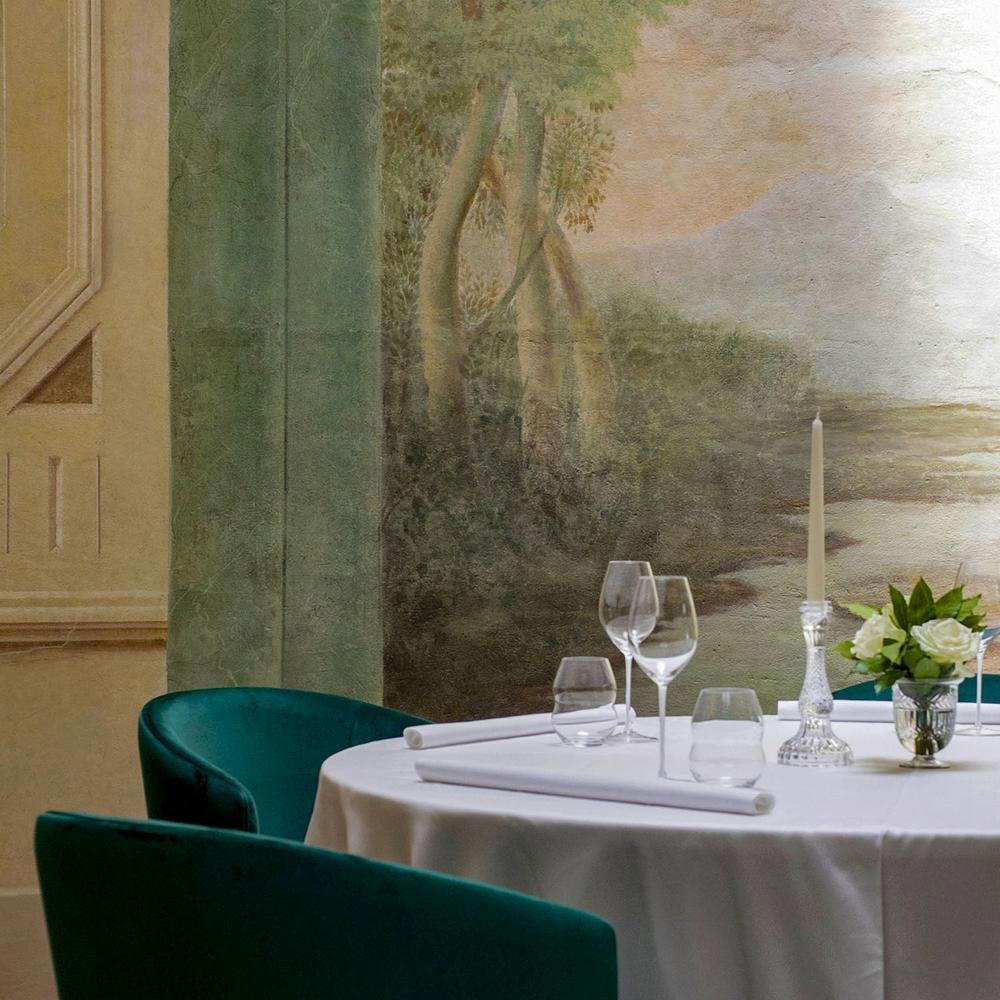
![[aend] restaurant in Vienna](https://cdn.enprimeurclub.com/storage/v1/object/public/images/locations/recsVyRkMfzCxPmp0/hero2.jpg?width=3840&quality=75)
Bars in Eisenstadt
Browse all →

Hotels in Eisenstadt
Browse all →
At a Glance
- Cozy
- Intimate
- Date Night
- Casual Hangout
- Standalone
Current opening hours
- Monday
- Closed
- Tuesday
- 10 AM–6 PM
- Wednesday
- 10 AM–6 PM
- Thursday
- 10 AM–6 PM
- Friday
- 10 AM–6 PM
- Saturday
- 10 AM–6 PM
- Sunday
- Closed
Hours can change for holidays and private events. Last verified .
Cozy and inviting atmosphere well-suited for romantic dinners or gatherings with friends.
Know Before You Go
- Getting there
- Josef Stanislaus Albach-Gasse 4A, 7000 Eisenstadt, Austria