

Star Wine List · Forbes Recommended
Vienna's first luxury hotel, open since 1870 on the Ringstrasse, Grand Hotel Wien occupies a position at the intersection of imperial history and contemporary hospitality. Its wine program earned Star Wine List recognition in 2026, placing it among the city's most serious hotel cellars. For those orienting themselves along the Ring, this address carries the weight of 150 years of Viennese social life.

Pearl is the En Primeur Club membership app — saves, bookings, and concierge access live there. Same editors, same standards.
- Address
- Kaerntner Ring 9
- Phone
- 43-1-515-800
- Website
- grandhotelwien.com
- Directions
- Get directions
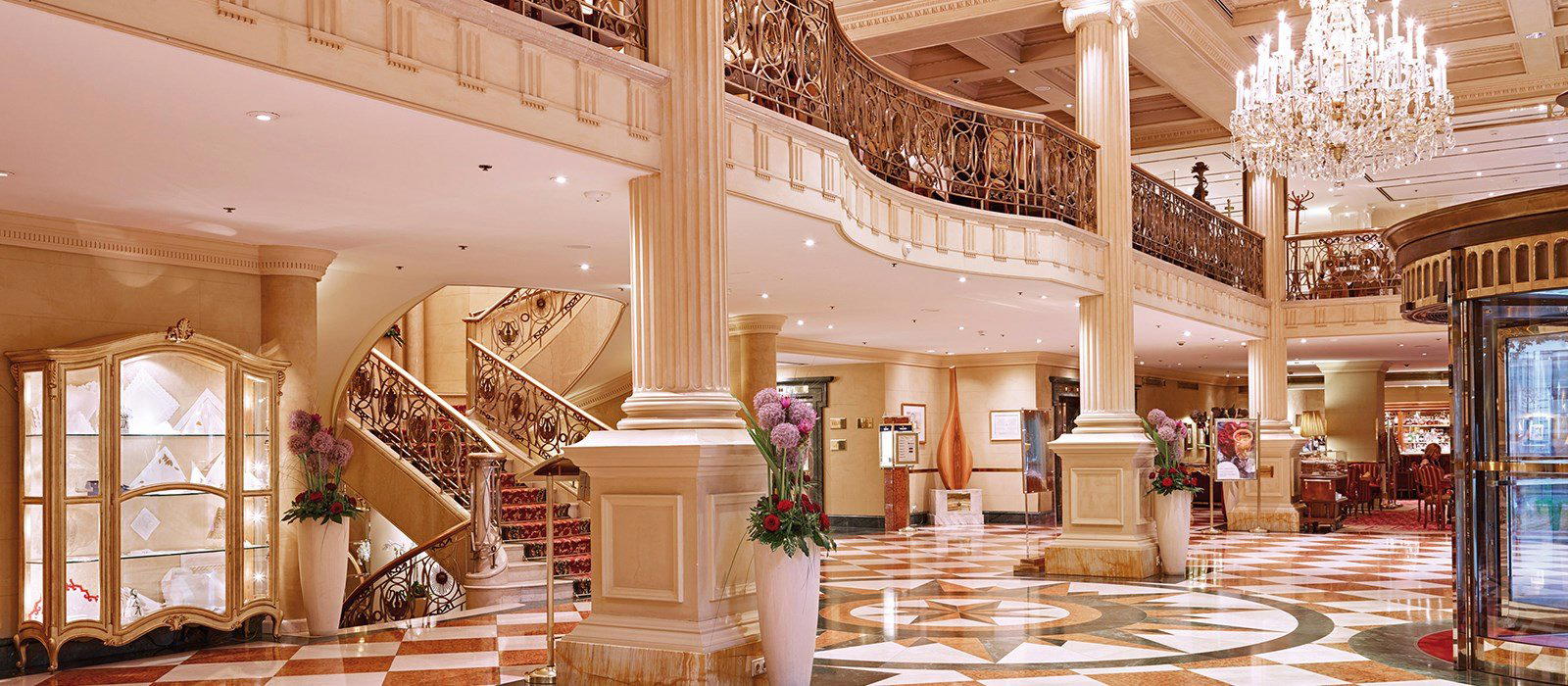
The Ringstrasse Standard, Set in 1870
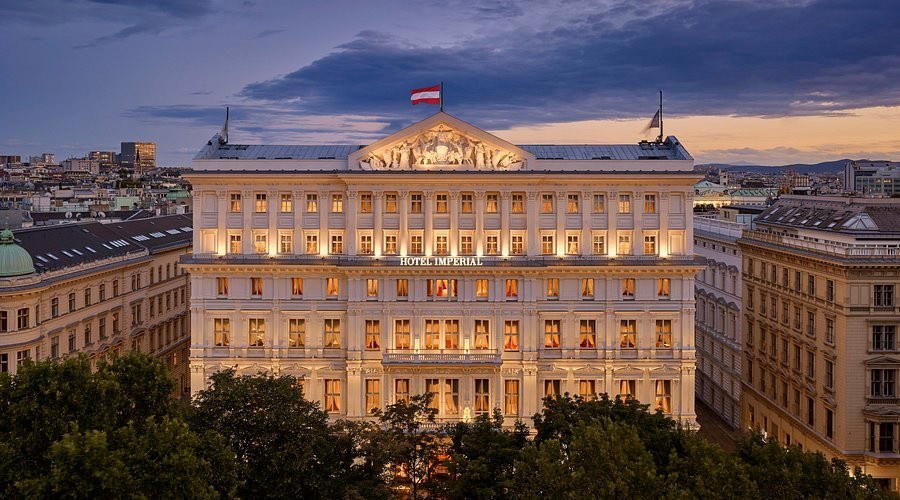
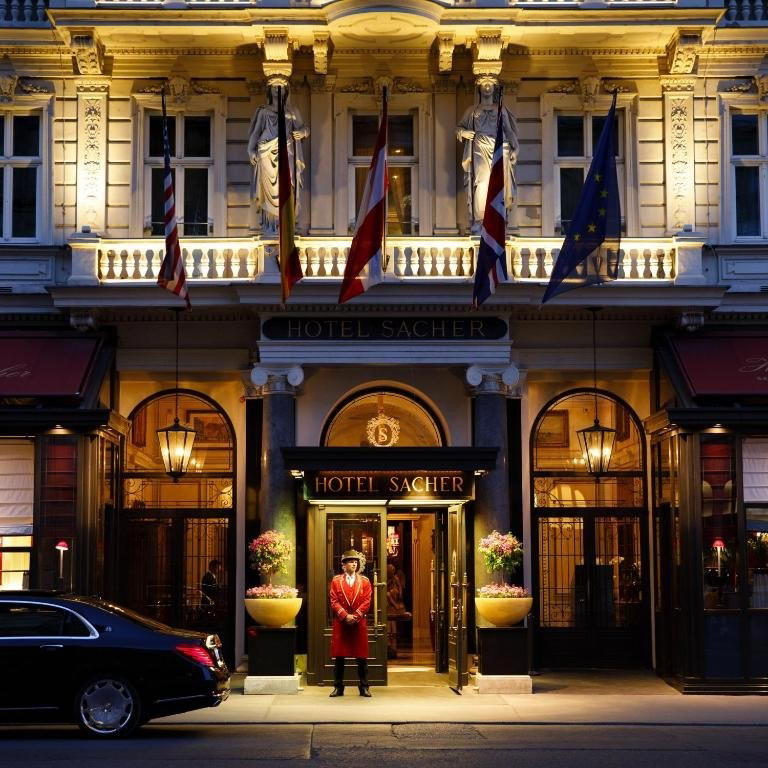
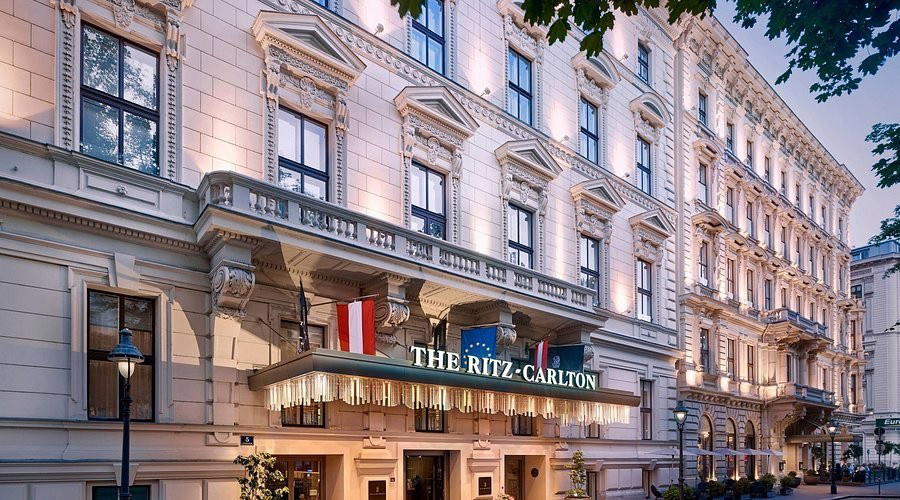
The Kaerntner Ring has a way of announcing itself before you reach it. The boulevard was conceived as a statement of imperial ambition, and the buildings that line it were selected to reinforce that message. Grand Hotel Wien, at number nine, opened in 1870 as the city's first purpose-built luxury hotel, at a moment when Vienna was still mid-construction on its grandest architectural project. To arrive on foot from the Staatsoper, or by car along the Ring, is to approach a building that was already functioning as the city's social center before the Kunsthistorisches Museum had opened its doors. That historical positioning is not incidental: it shapes how the property competes today, against peers like Hotel Sacher Wien and Hotel Imperial, both of which draw authority from the same Habsburg-era weight.
Vienna's Luxury Hotel Tier: Where Grand Hotel Wien Sits
Vienna's leading hotel tier has become more crowded and more differentiated over the past decade. Properties like Rosewood Vienna and Park Hyatt Vienna represent the international-brand wave that arrived with polished global playbooks and significant renovation investment. On the opposite end of the spectrum, design-led independents like Hotel Sans Souci Wien and The Amauris Vienna have built strong followings on atmosphere and editorial identity rather than scale. Grand Hotel Wien occupies a third position: the grand-dame category, where institutional longevity and physical address on the Ring are the primary credentials. In this cohort, the comparison set is narrow. Almanac Palais Vienna and the 25hours Hotel Vienna at MuseumsQuartier serve different traveller profiles entirely. The Ring address functions as a differentiator that no renovation budget can replicate.
The Wine Program as Editorial Argument
Hotel wine lists in Vienna tend to follow predictable patterns: a solid Austrian section anchored by Grüner Veltliner and Riesling from the Wachau and Kamptal, a broad European selection padded with recognizable Bordeaux and Burgundy names, and a by-the-glass offering that rarely surprises. The properties that break from that template are worth tracking. Grand Hotel Wien's wine program earned Star Wine List recognition in 2026, a credential awarded by a specialist publication that assesses depth, curation, and value across a defined methodology rather than simply rewarding length. In the context of a Ringstrasse hotel, where wine lists are often assembled to impress rather than to educate, that recognition carries a specific editorial signal: the list is built with intent.
Austrian wine has a strong argument for being the most underappreciated serious wine category in Europe. The country produces Rieslings from steep terraced vineyards that rival Mosel in precision, Grüner Veltliners with structural complexity that ages far longer than most drinkers expect, and a growing body of ambitious red wine from the Burgenland that draws comparisons to Burgundy without borrowing its vocabulary. A hotel wine program that takes this seriously, rather than defaulting to international brands, is making an argument about identity as much as hospitality. The Star Wine List recognition suggests Grand Hotel Wien is making that argument. For a city that produced its own wine culture centuries before Napa or Champagne became international reference points, that matters.
Reading a Hotel Through Its Public Spaces
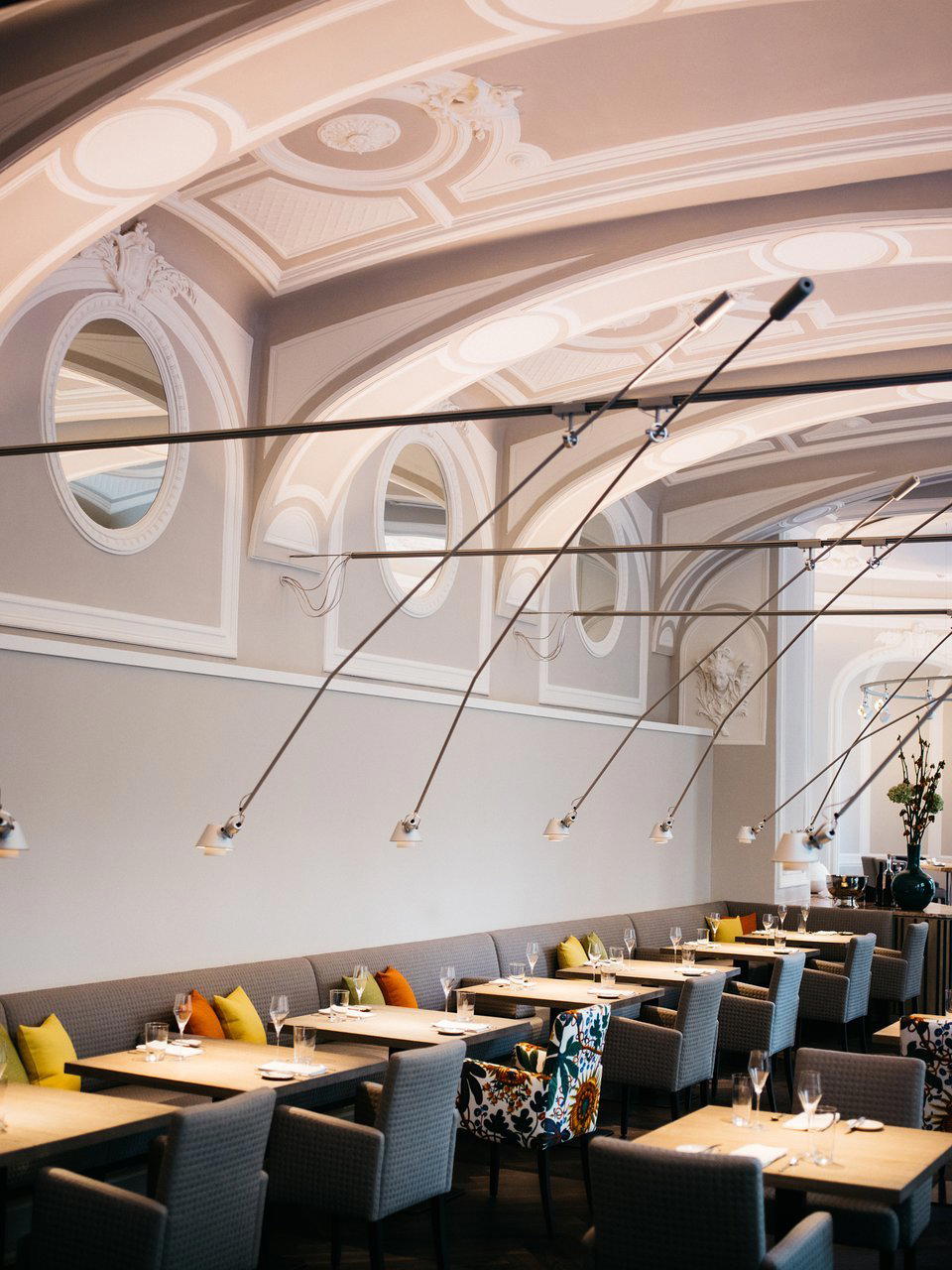
The editorial angle on any grand hotel's menu architecture applies equally to its physical program: the way a property structures its public spaces reveals what it understands about hospitality. Grand hotels from this era were designed around a hierarchy of rooms, each calibrated for a different register of social interaction. The lobby functioned as theatre. The bar was for proximity and conversation at a different tempo than the dining room. The restaurant carried the formal weight of the house.
That layered spatial logic is harder to sustain today, when hotels compete against standalone restaurants and bars that can focus entirely on a single room. The grand-dame properties that manage it well, where the bar genuinely competes with the city's cocktail programs and the restaurant holds its own against Vienna's serious dining scene, tend to do so by committing to the logic of each space rather than softening it into a generic luxury experience. The wine recognition at Grand Hotel Wien points toward at least one room where that commitment appears to be active.
The Ringstrasse in Broader Austrian Context
For visitors building an itinerary around Austria's hotel landscape, the Kaerntner Ring address is a specific kind of anchor. It places you within walking distance of the Staatsoper, the Kunsthistorisches Museum, and the Naschmarkt, with the first Ring tram stop close enough to reach the Belvedere without a taxi. That practical positioning is part of what made this block Vienna's luxury center in 1870, and it has not depreciated. Travellers extending into the rest of Austria from Vienna have a range of strong options: Rosewood Schloss Fuschl in Hof bei Salzburg anchors the Salzburg region, while the alpine west offers properties ranging from Grand Tirolia Kitzbühel to Hotel Almhof Schneider in Lech. Wellness-focused travellers have a strong case for Alpen-Wellness Resort Hochfirst in Obergurgl or Aktiv & Wellnesshotel Bergfried in Tux. Mountain resort options extend further to DAS EDELWEISS in Grossarl, LEADING Hotel Hochgurgl in Hochgurgl, and Naturhotel Waldklause in Längenfeld. Lakeside options include Hotel Schloss Seefels in Techelsberg and Falkensteiner Schlosshotel Velden in Velden am Wörthersee. City options include Schloss Mönchstein in Salzburg, Hotel Schwarzer Adler Innsbruck, and Chalet Untersberg in Grodig. For international comparisons, the structural parallels to Grand Hotel Wien's grand-dame positioning appear in properties like The Fifth Avenue Hotel in New York City and Aman Venice, or at a higher price point, Aman New York. Our full Vienna restaurants and hotels guide maps the broader competitive set.
Planning Your Stay
Grand Hotel Wien sits at Kaerntner Ring 9, on the section of the Ring closest to the Staatsoper and within a short walk of the first district's main concentration of museums and concert venues. For visitors arriving by air, Vienna International Airport connects to the city center via the City Airport Train (CAT) to Wien Mitte, with a direct U-Bahn connection from there. The property's 1870 founding places it among the oldest continuously operating luxury hotels in Central Europe, a tenure that translates into physical familiarity with the Ring's seasonal rhythms: the opera season running October through June drives the highest demand periods, while August tends to offer more availability. Booking well in advance for any stay aligned with the opera calendar is the practical baseline. For broader context on how this address fits Vienna's current hotel scene, see our Vienna city guide.
Side-by-Side Snapshot
Comparable venues nearby, for context on price, style, and recognition.
| Venue | Cuisine | Price | Awards | Notes |
|---|---|---|---|---|
| Grand Hotel WienThis venue — the venue you are viewing | Classic Viennese luxury with timeless elegance | $300–500 | Star Wine List · Forbes Recommended | Not listed |
| Do&Co Hotel Vienna | Chic contemporary design hotel in well-known Haas-Haus architecture | Not listed | La Liste Top Hotels · Design Hotels Member | Innere Stadt |
| Mandarin Oriental, Vienna | Historic luxury with modern bespoke design | $500–750 | 2 Michelin Keys · Star Wine List | Staatsoper |
| The Ring Hotel | casual luxury boutique in historic Ringstrasse palace | Not listed | 2 Michelin Keys · La Liste Top Hotels | Staatsoper |
| Grand Ferdinand Vienna | Modern luxury in historic Ringstrasse building | Not listed | Michelin Selected · Mr & Mrs Smith Seal of Approval | Staatsoper |
| SO/ Vienna | Avant-garde luxury hotel rooted in fashion and design, blending contemporary architecture with artistic expression. | $300–500 | Michelin Selected | Innere Stadt |
Recognition history
Dated appearances from independent guides and award organizations, with the underlying list record or original source where available.
Star Wine List
Star Wine List
Forbes Recommended
Forbes
Continue exploring
More in Vienna
Hotels in Vienna
Browse all →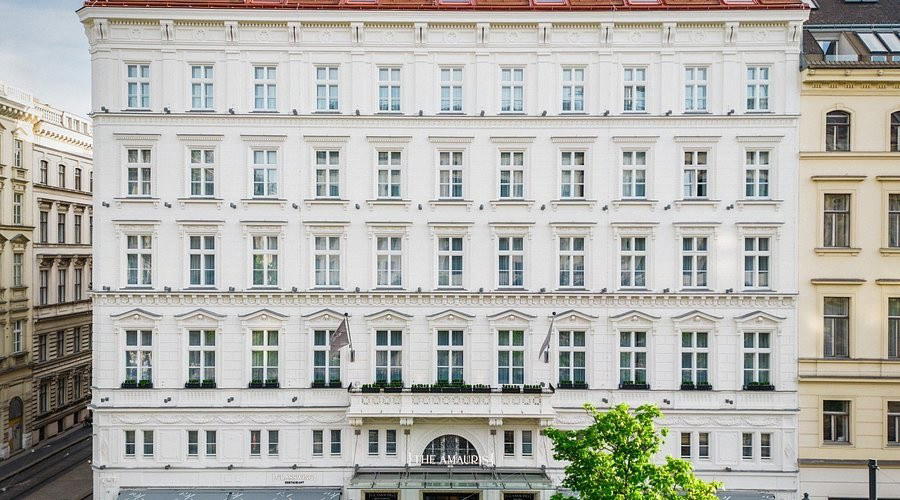
Bars in Vienna
Browse all →
Restaurants in Vienna
Browse all →
Details
- Elegant
- Classic
- Sophisticated
- Ornate
- Romantic Getaway
- Business Trip
- Anniversary
- Historic Building
- Terrace
- Panoramic View
- Spa
- Fitness Center
- Room Service
- Concierge
- Wi Fi
- Sauna
- Street Scene
- Skyline
- Wheelchair Accessible
- Elevator
- Step Free Entrance
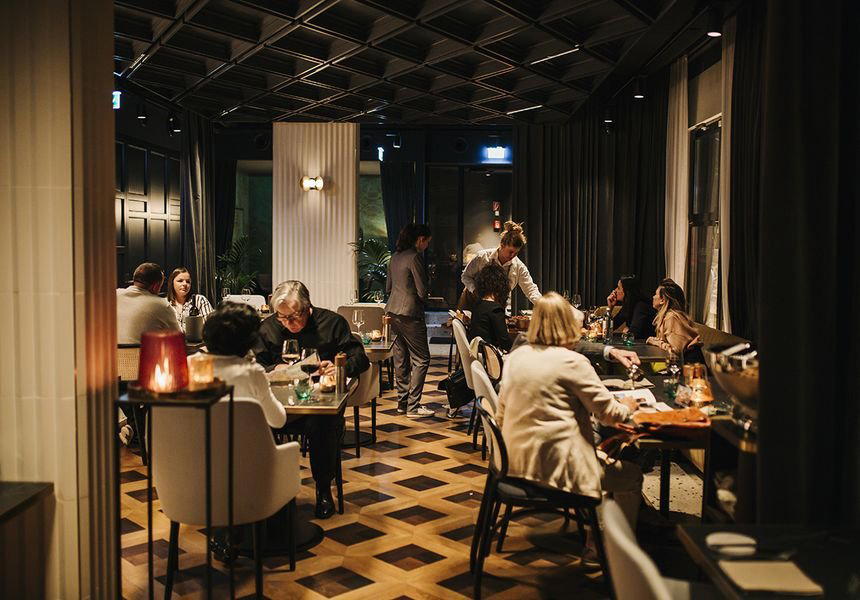
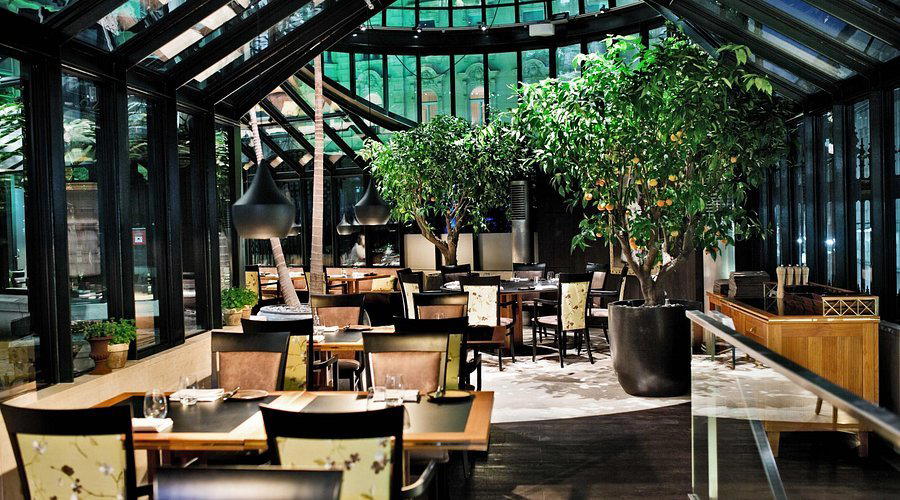
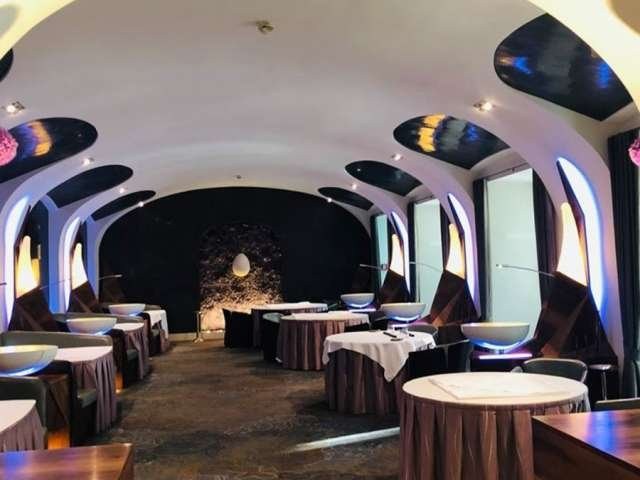
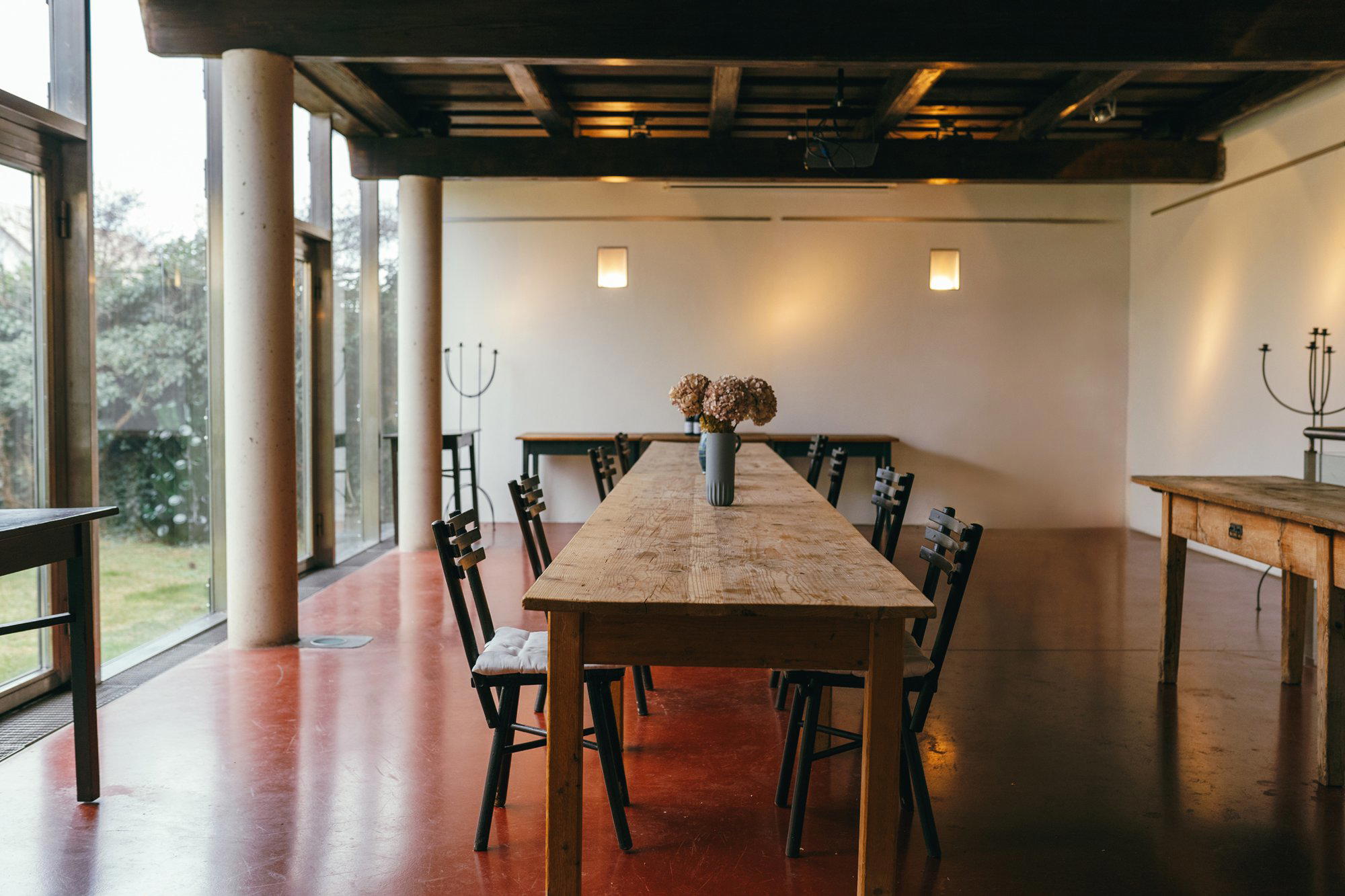
Elegant Viennese atmosphere with soft lighting, damask wallpaper, stucco details, and quiet comfort from soundproofed, double-glazed rooms.