Maunakea Marketplace
Maunakea Marketplace sits at the heart of Honolulu's Chinatown, drawing locals and visitors alike to its dense cluster of food stalls, produce vendors, and imported goods. The market operates as among the more concentrated expressions of the neighborhood's pan-Asian character, where Filipino, Vietnamese, Chinese, and Hawaiian food traditions converge under one roof. For anyone tracing Honolulu's street food culture, it remains a primary reference point.
Pearl is the En Primeur Club membership app — saves, bookings, and concierge access live there. Same editors, same standards.
- Address
- 1120 Maunakea St, Honolulu, HI 96817
- Phone
- +18084419757
- Directions
- Get directions
 Saves & bookings on Pearl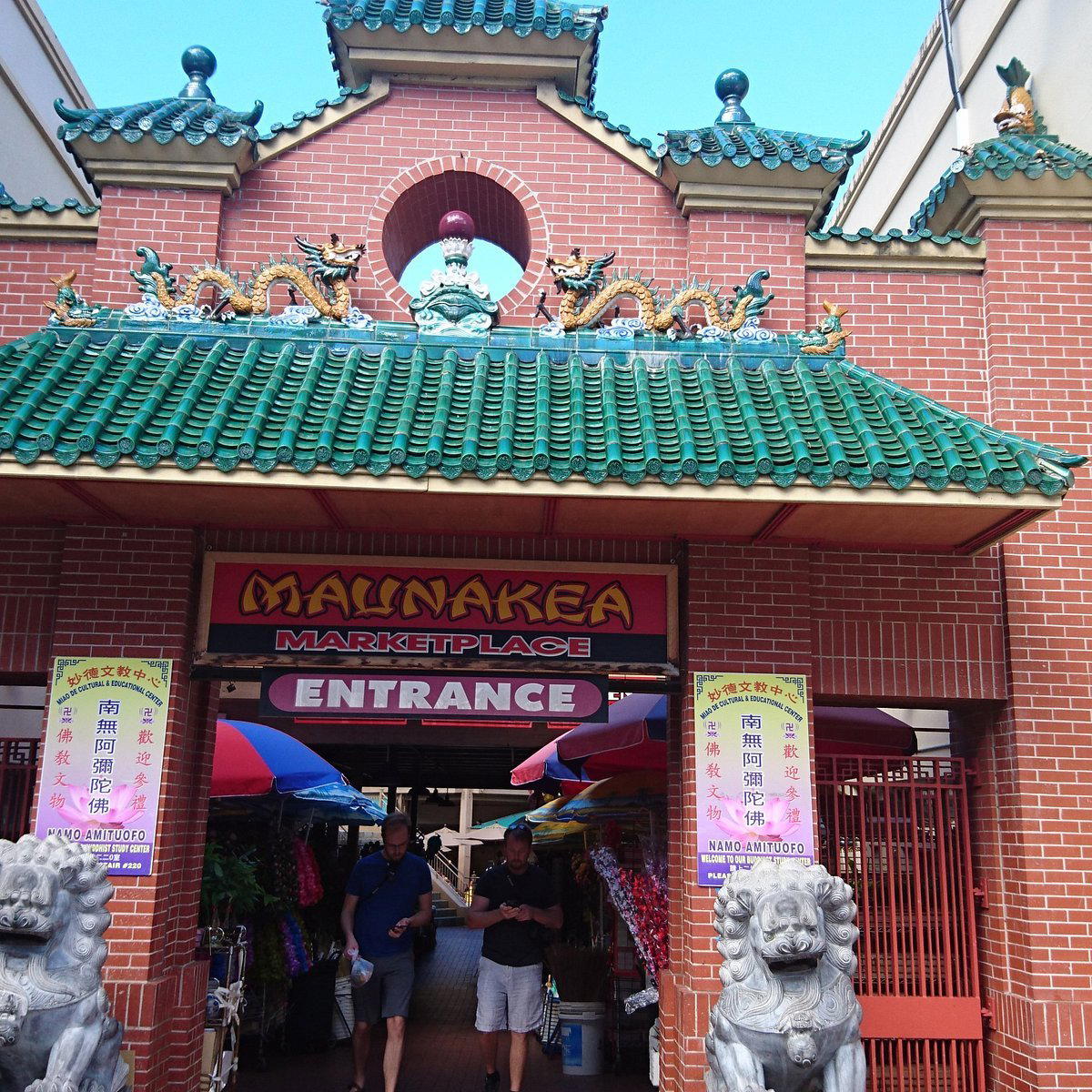
Where Chinatown's Food Culture Concentrates
Honolulu's Chinatown is one of the oldest in the United States, and Maunakea Street has long been its commercial spine. The block surrounding 1120 Maunakea St carries the sensory density that defines the neighborhood: dried goods spilling onto sidewalks, vendors calling out in Cantonese and Ilocano, the smell of roasting meats cutting through humid morning air. The Marketplace itself functions less like a curated food hall and more like a living document of the immigrant communities that have shaped Oahu's food culture over more than a century. Coming here for a family lunch means choosing a table in that longer history, not just a seat at a food stall.
A Pan-Asian Market in a City That Has Largely Moved Upmarket
Honolulu's dining scene has bifurcated sharply over the past decade. On one side sit polished New American rooms like Fête (New American) and destination-format venues like 53 By The Sea, where tasting menus and sweeping harbor views frame a certain kind of special-occasion meal. On the other side, places like Maunakea Marketplace hold ground as the city's connective food tissue: affordable, multigenerational, and rooted in the everyday rather than the ceremonial. That distinction matters when thinking about what kind of occasion you are marking. A milestone birthday dinner at a white-tablecloth room and a family gathering at a market stall carry different meanings, and Chinatown's food culture has always excelled at the latter.
At a national level, the market's peer group is not the fine-dining rooms that tend to anchor EP Club coverage. Venues like The French Laundry in Napa, Le Bernardin in New York City, or Alinea in Chicago represent the formal, tasting-menu tier of American dining. Maunakea Marketplace operates at the opposite end of that spectrum intentionally, offering the kind of communal, counter-service eating that those rooms cannot replicate and would not attempt to. Understanding where it sits in that wider picture helps calibrate expectations in both directions.
The Occasion Argument for a Market Meal
There is a specific kind of occasion that a market format handles better than any tasting menu: the multi-generational family gathering where consensus on cuisine is impossible. Honolulu has a significant Filipino, Chinese, Korean, Vietnamese, and Hawaiian population, and Maunakea Marketplace reflects that mix across its stalls. A table can simultaneously hold pork adobo, bánh mì, roast duck over rice, and shave ice without anyone negotiating a single menu. For family reunions, birthday lunches where the guest of honor grew up in Chinatown, or simply the first meal with relatives arriving from elsewhere in the Pacific, that flexibility is the occasion itself.
The Chinatown neighborhood also provides context that enriches any visit framed as a celebration. The surrounding blocks contain lei shops, herbal medicine vendors, and produce markets that have supplied Honolulu's restaurants for generations. Planning a morning visit around the market and the wider street lets the occasion unfold across a few hours. Compare that format with a luau structure like Ahaaina Luau, where the occasion is pre-packaged, or with the more intimate celebration format at 855-ALOHA. Each represents a different theory of what a special meal in Honolulu should feel like.
How Chinatown Fits Into Honolulu's Broader Dining Map
For visitors building an itinerary across Honolulu's neighborhoods, Chinatown occupies a distinct place in the city's food geography, best suited to casual group meals rather than formal occasions. It is the place for the meal that tells you something true about the city, where the food is priced for residents rather than tourists and the vendor relationships are measured in decades. That character is increasingly rare in American cities, where market formats have often been converted into premium food hall concepts aimed at the same demographic as the fine-dining rooms nearby.
Honolulu's other high-commitment dining options, including 3660 On the Rise, offer a more structured setting for occasions that require a private table and a wine list. But the market format has its own logic for celebrations: lower financial stakes mean more guests, more dishes tried across the table, and a meal that sprawls in the way that genuine gatherings tend to do.
For context on how other American cities have addressed similar market formats within broader food cultures, the San Francisco model is instructive. Lazy Bear in San Francisco represents the curated communal-table experience at the opposite price point. Other cities have produced their own versions of the formal-occasion spectrum: Providence in Los Angeles, Addison in San Diego, Atomix in New York City, Blue Hill at Stone Barns in Tarrytown, The Inn at Little Washington in Washington, Single Thread Farm in Healdsburg, Emeril's in New Orleans, and 8 1/2 Otto e Mezzo Bombana (Hong Kong) in Hong Kong. None of them are competing with what a Chinatown market offers, which is precisely the point.
Planning Your Visit
The restaurant is located at 1120 Maunakea St in Honolulu's Chinatown district, within walking distance of downtown and accessible from most Waikiki hotels by a short drive or rideshare. Morning visits tend to align with the freshest produce and the active vendor presence, particularly on weekends when the surrounding street market expands. The market operates on a cash-forward, counter-service model across most stalls, so arriving with small bills is practical. There is no booking process for the market itself; the format is walk-in by design. For visitors timing a Honolulu trip around food, the cooler months between November and March reduce the ambient heat that can make extended indoor market browsing less comfortable in summer. See our full Honolulu restaurants guide for broader itinerary context across the city's neighborhoods.
Comparable Options
Comparable venues nearby, for context on price, style, and recognition.
| Venue | Cuisine | Price | Notes |
|---|---|---|---|
| Maunakea MarketplaceThis venue — the venue you are viewing | Asian Food Court | $ | Not listed |
| Alicia's Market | Hawaiian Poke & Plate Lunches | $ | Kalihi Kai |
| Shichimusubi | Japanese Musubi | $ | Waikiki |
| Maguro Brothers | Fresh Japanese Sashimi & Poke | $ | Chinatown |
| Honolulu Coffee | Hawaiian Bakery Cafe | $$ | Ala Moana |
| Maui Brewing Co. Waikiki | Island-Inspired American Gastropub | $$ | Waikiki |
At a Glance
- Lively
- Trendy
- Casual Hangout
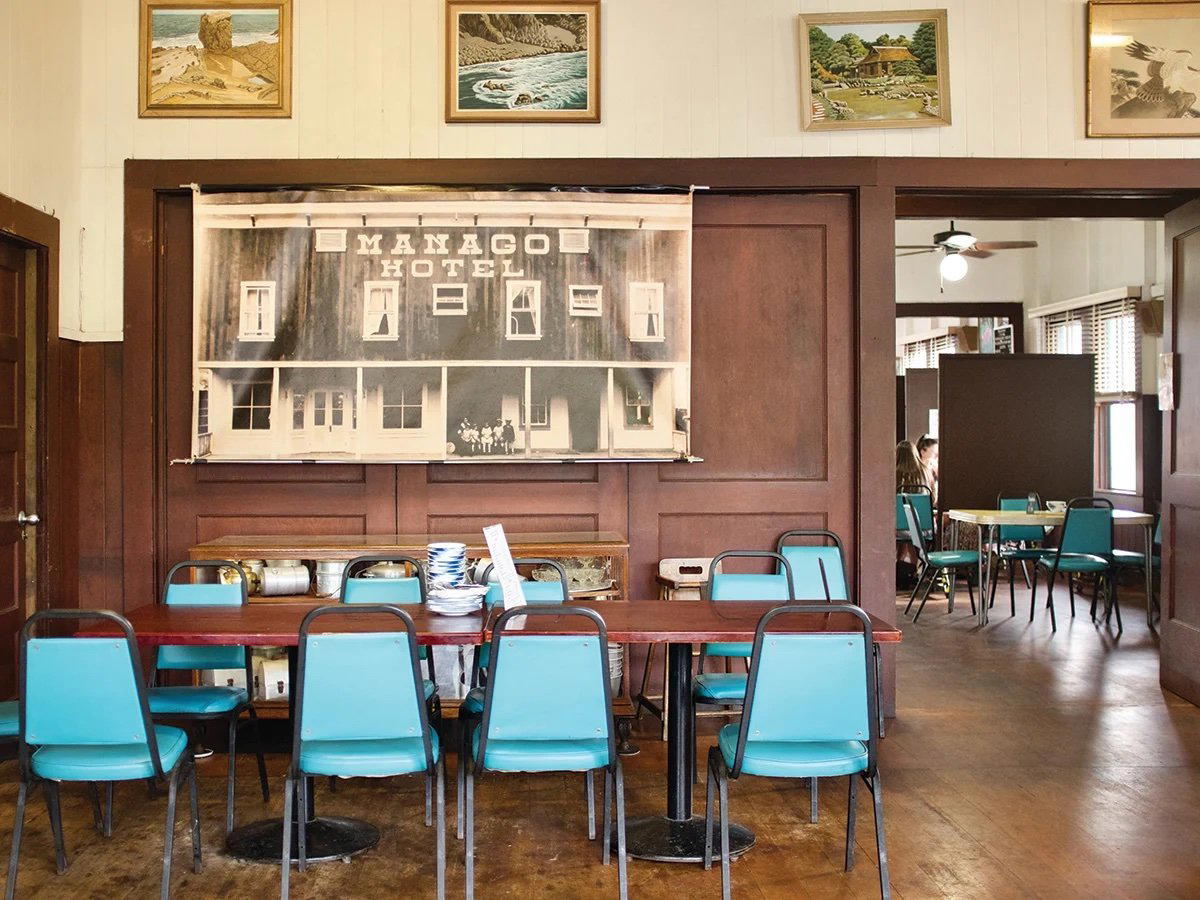
- Historic Building
Current opening hours
- Monday
- 7 AM–3:30 PM
- Tuesday
- 7 AM–3:30 PM
- Wednesday
- 7 AM–3:30 PM
- Thursday
- 7 AM–3:30 PM
- Friday
- 7 AM–3:30 PM
- Saturday
- 7 AM–3:30 PM
- Sunday
- 7 AM–3:30 PM
Hours can change for holidays and private events. Last verified .
Bustling, street-market atmosphere reminiscent of Asian cities like Bangkok and Hong Kong with diverse vendor stalls.