Miminashi
Miminashi brings an izakaya-informed format to downtown Napa, occupying a distinct niche in a dining scene otherwise dominated by Californian and French fine dining. The menu architecture reads like a studied argument for Japanese pub cooking as a serious dinner destination, not a sidebar to the valley's wine country circuit. Located at 821 Coombs St, it operates as a counterpoint to the region's tasting-menu orthodoxy.
- Address
- 821 Coombs St, Napa, CA 94559
- Directions
- Get directions
Downtown Napa's Izakaya Argument
Miminashi is a modern Japanese izakaya in downtown Napa, at 821 Coombs St, with a price tier around $60 per person. Napa's restaurant identity has long been shaped by a single gravitational pull: wine-country fine dining, with The French Laundry and The Restaurant at Auberge du Soleil anchoring the upper end of a scene that prizes formal progression and cellar depth. Against that backdrop, a Japanese pub-format restaurant at 821 Coombs Street in downtown Napa reads as a deliberate editorial statement. Miminashi is not an outlier by accident. The izakaya model, small plates, communal pacing, sake and whisky alongside wine, represents a structural alternative to the tasting-menu orthodoxy that otherwise defines dining ambition in this valley.
The broader shift matters here. Across American cities, Japanese pub cooking has moved from ethnic-food-court status to a format that serious operators deploy as a vehicle for culinary argument. Atomix in New York City demonstrates how Korean fine-dining can reframe an entire cuisine's positioning; the izakaya format is doing something analogous for Japanese food in wine-country contexts, where the default register has historically been either sushi-counter formality or casual roll-and-tempura familiarity. Miminashi occupies the productive middle ground.
How the Menu Is Structured, and What That Reveals
The logic of an izakaya menu is fundamentally different from either a prix-fixe progression or an à la carte list built around protein anchors. Dishes are designed to arrive in overlapping sequences, to share surface area at the table, and to accumulate meaning through combination rather than through individual showcase. This is a format that rewards groups willing to order broadly and eat laterally across the menu rather than drilling down into a single main course.
In practice, that structure also serves as a filter for the room's temperature. Tables that order three or four dishes and eat linearly tend to miss the format's point. The kitchen's argument, whatever it is on a given evening, lives in the accumulation: a grilled skewer next to a dressed salad next to something braised, all sharing the table simultaneously. Venues building around this logic, from Lazy Bear in San Francisco to Smyth in Chicago, have shown that non-linear menu formats can generate serious critical attention when the kitchen's underlying technique supports the ambition.
The Californian context adds a productive tension. Napa's ingredient access is among the more favorable in the country, proximity to the Bay Area's farm networks, Central Valley produce, and Pacific seafood puts premium raw material within close reach. An izakaya format filtering those ingredients through Japanese technique and seasoning philosophy produces a register that has no direct peer in the valley. Kenzo approaches Japanese fine dining from a different angle, with kaiseki structure and a dedicated wine program; Miminashi's pub-format approach is a distinct proposition.
Where Miminashi Sits in Napa's Dining Architecture
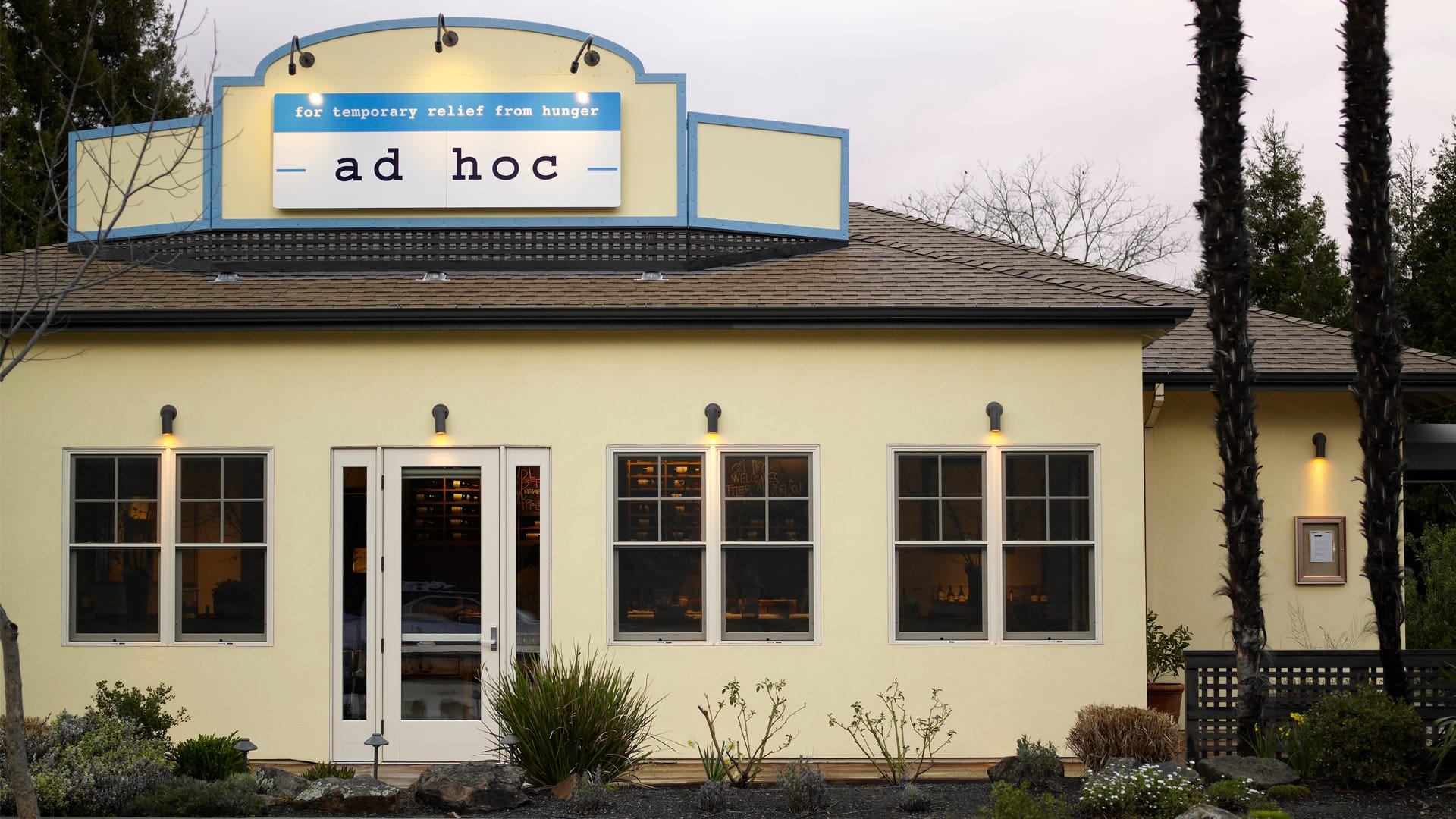
Downtown Napa has developed into a distinct dining zone, separate from the highway-fronting restaurant clusters of St. Helena or the resort bubble of Rutherford. The Coombs Street address places Miminashi within walking distance of the Oxbow Public Market and the city's more urban restaurant fabric, a neighborhood that has attracted operators interested in year-round local trade rather than purely seasonal tourist capture. Ad Hoc and Alexis Baking Company are part of the same downtown ecosystem, each addressing a different price point and format.
Within that context, Miminashi addresses a gap. The valley's dominant mode is either tasting-menu formality at significant price points or casual-American comfort. The izakaya register, sociable, drink-forward, portion-flexible, fills a space that the wine-country format has historically left open. Comparable operations in other American cities confirm the format's viability: Emeril's in New Orleans and Frasca Food & Wine in Boulder each demonstrate how a strong regional dining scene can support a format-defined restaurant that operates outside the local default mode.
The wine list question is worth noting separately. In Napa, any serious restaurant carries an implied obligation to engage with the valley's output. An izakaya program that leans into sake, Japanese whisky, and shochu alongside Napa Cabernet and Chardonnay is threading a needle, serving the town's wine identity while asserting that the format has its own drink logic. How that balance is maintained in practice affects whether the restaurant reads as a genuine hybrid or a Japanese concept in wine-country drag.
Planning a Visit
Miminashi sits at 821 Coombs St in downtown Napa, walkable from the main riverfront strip and accessible without a car for visitors staying in the city center. For wine-country itineraries built around the valley's heavier hitters, The French Laundry, Single Thread Farm in Healdsburg, or Auberge du Soleil, Miminashi functions as a format contrast rather than a direct alternative: a lower-formality evening that doesn't require the same advance planning or commitment to a single long meal. Visitors building a broader West Coast dining itinerary might consider it alongside Providence in Los Angeles, Addison in San Diego, or Blue Hill at Stone Barns in Tarrytown as part of a wider picture of how American restaurants are engaging with non-European cooking traditions.
Reputation Context
Comparable venues nearby, for context on price, style, and recognition.
| Venue | Cuisine | Price | Notes |
|---|---|---|---|
| MiminashiThis venue — the venue you are viewing | Modern Japanese Izakaya | $$$ | Not listed |
| Grace's Table | Global Comfort Bistro | $$$ | Downtown Napa |
| Morimotos | Modern Japanese Fusion with Omakase | $$$$ | Downtown Napa Riverfront |
| Carabao | Modern Filipino | $$$ | Napa Valley |
| BOA Steakhouse | Modern American Steakhouse | $$$$ | Downtown Napa |
| A16 Napa | Southern Italian Wood-Fired | $$$ | downtown Napa |
Continue exploring
More in Napa
Restaurants in Napa
Browse all →
Bars in Napa
Browse all →
Hotels in Napa
Browse all →
At a Glance
- Modern
- Trendy
- Elegant
- Date Night
- Casual Hangout
- Special Occasion
- Open Kitchen
- Sake Program
- Craft Cocktails
- Local Sourcing
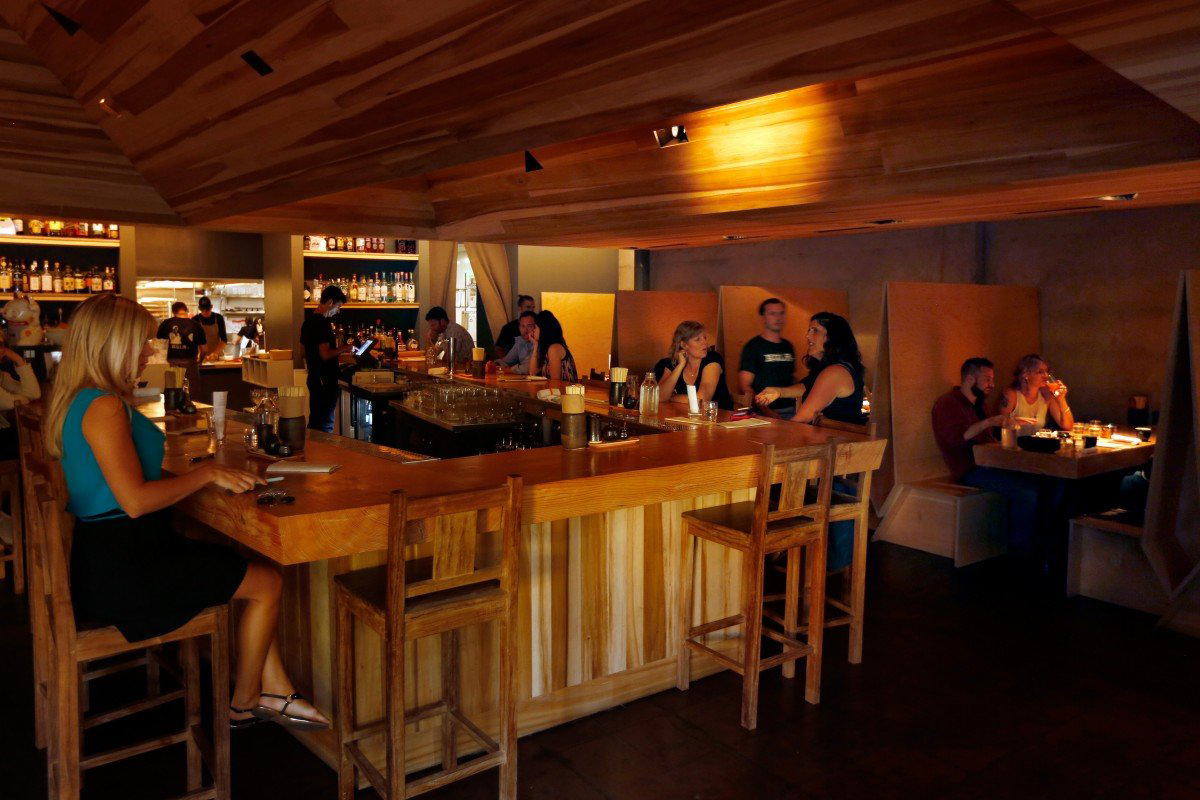
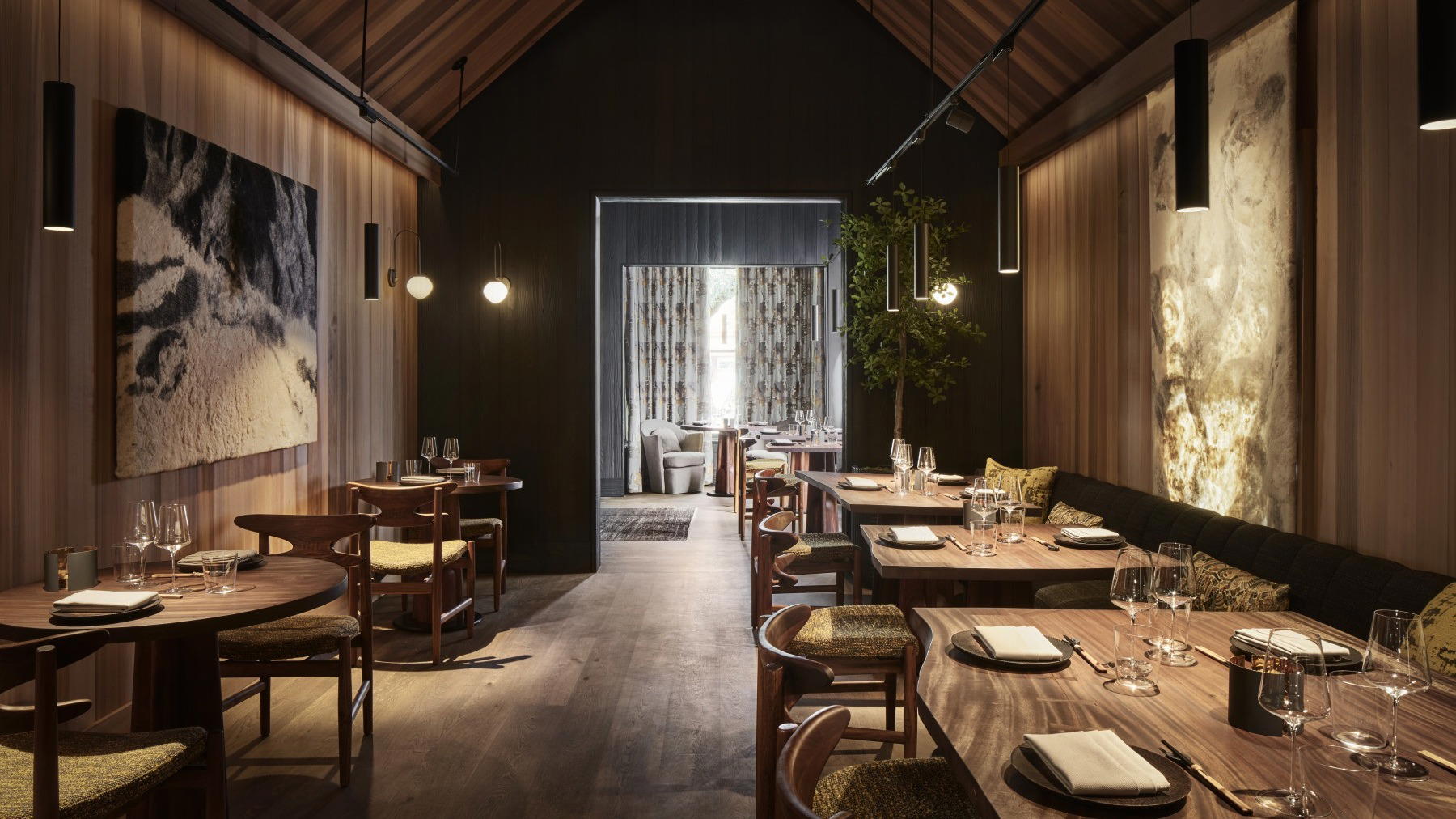
Beautifully designed interior with 20-foot ceilings covered in multifaceted poplar wood resembling interconnecting pagodas, open kitchen bar, and warm, sophisticated atmosphere.