Matsuyama Shabu House
Matsuyama Shabu House on Buchanan Street sits inside Japantown's most concentrated block of traditional Japanese dining, where shabu-shabu occupies a different tier from the neighborhood's ramen and izakaya options. The format centers communal hot-pot cooking at the table, a practice that rewards patience and places the quality of the broth and the sourcing of the protein at the center of the experience.
Pearl is the En Primeur Club membership app — saves, bookings, and concierge access live there. Same editors, same standards.
- Address
- 1726 Buchanan St, San Francisco, CA 94115
- Phone
- +14156587656
- Website
- opentable.com
- Directions
- Get directions
 Saves & bookings on Pearl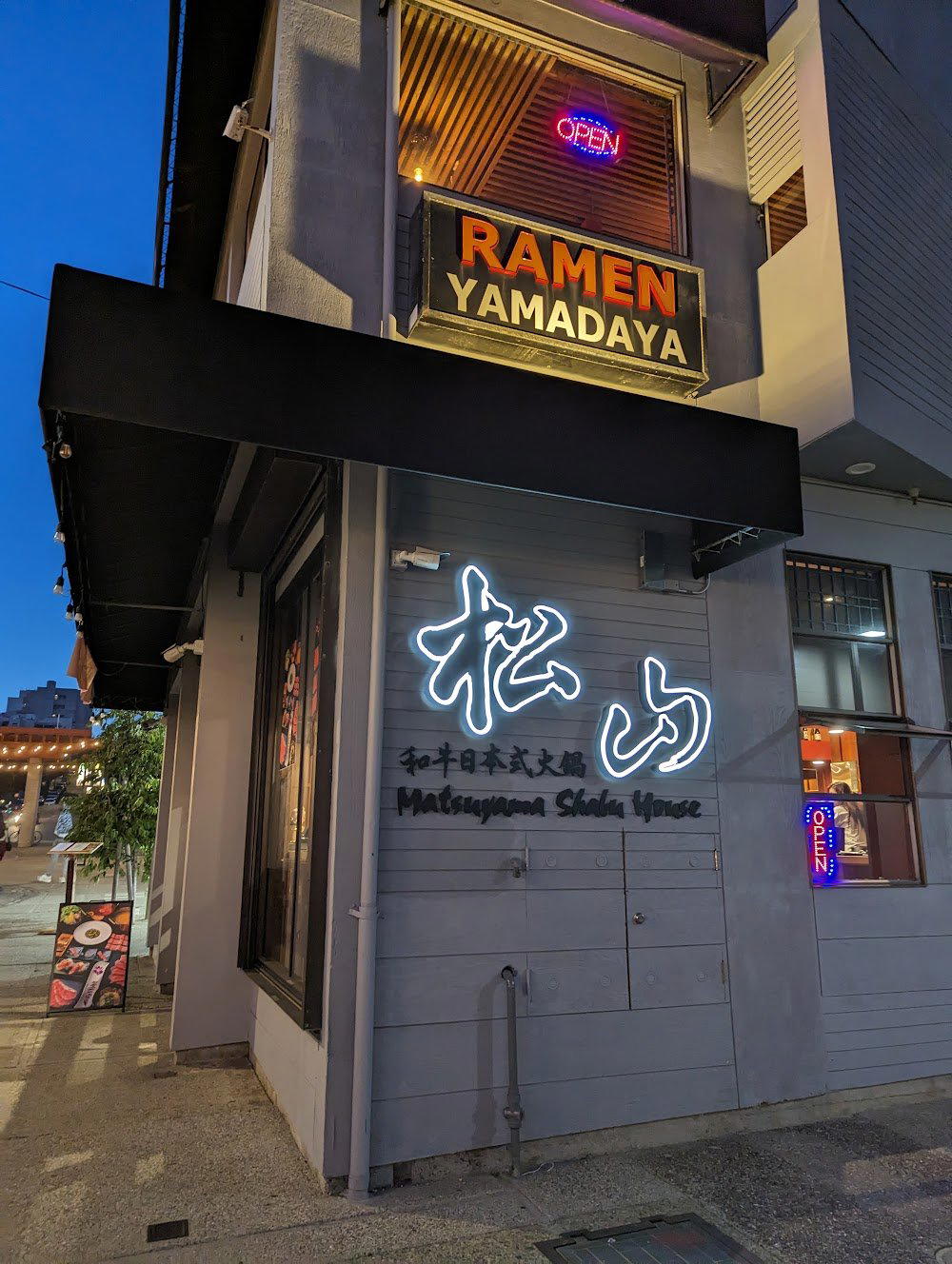
Where Japantown's Hot-Pot Tradition Holds Its Ground
San Francisco's Japantown has always operated on a different logic from the city's broader dining scene. While the rest of San Francisco's restaurant culture has tilted hard toward chef-driven tasting menus and the kind of credentialed cooking that earns coverage in national publications, Lazy Bear, Atelier Crenn, and Benu pulling the city's dining identity toward contemporary fine dining, Japantown has largely resisted that pull. The neighborhood around Post and Buchanan Streets maintains a dining character rooted in Japanese-American community life rather than culinary spectacle, and that distinction matters when you're placing Matsuyama Shabu House in its proper context.
Shabu-shabu, the Japanese hot-pot format in which thin-sliced meat and vegetables are swished through simmering broth at the table, is a format built around participation rather than presentation. It sits at an interesting remove from the omakase and kaiseki traditions that attract most international attention to Japanese fine dining. Where those formats position the kitchen as the authority and the diner as recipient, shabu-shabu reverses that dynamic. The pacing is yours. The cook is you. What the restaurant controls is the quality of the broth, the precision of the meat slicing, and the depth of the dipping sauces, the infrastructure, in other words, rather than the performance.
Buchanan Street, where Matsuyama Shabu House operates at number 1726, is the pedestrian spine of Japantown's most walkable block. It is not a destination for the city's dining press in the way that Quince or Saison are, but it functions as a reliable anchor for a different kind of eating: communal, unhurried, and grounded in a tradition that predates California's current obsession with provenance storytelling.
The Format and What It Demands of You
The shabu-shabu format creates a particular kind of dining room atmosphere that is difficult to replicate in other contexts. Tables center on individual or shared induction burners, the broth arriving at a low simmer and maintained throughout the meal. Conversation flows differently when the act of cooking is shared between the people at the table, there is a practical rhythm to it, a rotation of attention between the pot and the plate, that tends to slow the meal down in ways that feel deliberate rather than sluggish.
In the broader American context, shabu-shabu has been slower to develop the kind of critical vocabulary that surrounds, say, ramen or omakase sushi. Atomix in New York City represents the upper end of Korean fine dining's assimilation into the American premium tier; shabu-shabu occupies a quieter position, more neighborhood-anchored, less frequently the subject of the kind of national editorial attention that follows tasting-menu culture. That relative lack of noise is part of its appeal for the people who seek it out.
What separates a strong shabu-shabu restaurant from a mediocre one is almost entirely about sourcing and broth construction. The protein, typically wagyu or premium domestic beef, though pork and seafood variations are common, needs to be cut thin enough to cook in seconds without drying out. The kombu-based dashi that forms the broth's foundation should carry umami depth without asserting itself over the protein. The dipping sauces, typically a sesame-based gomadare and a citrus ponzu, serve as the seasoning layer that the diner controls. When all of those elements are well-executed, the format produces a meal that rewards attention in a way distinct from almost any other dining category.
Japantown's Position in San Francisco's Broader Dining Conversation
San Francisco's dining identity in 2024 is still shaped largely by the Michelin tier: the city holds a dense concentration of starred restaurants relative to its size, and venues like Benu and Atelier Crenn pull the city's reputation upward in the global rankings. That pressure creates a two-speed restaurant economy: the internationally recognized tier and everything else, with relatively little critical infrastructure for the middle ground where Japantown's dining mostly operates.
That dynamic is not distinctive to San Francisco. The French Laundry in Napa and Single Thread Farm in Healdsburg anchor the northern Bay Area's fine dining reputation, while venues further down the prestige ladder in the same region often operate without the external validation that drives reservation pressure. Similarly, across American cities, neighborhood-anchored Japanese restaurants tend to be evaluated by their regulars rather than by critics, a form of trust that is harder to quantify but no less real. Venues like Providence in Los Angeles and Addison in San Diego operate inside credentialed fine-dining frameworks; the shabu-shabu tradition occupies different territory.
For visitors coming to San Francisco specifically for the high-end tasting menu circuit, Lazy Bear, Saison, the Michelin-tracked rooms, Japantown represents a genuinely different register. The neighborhood's restaurants are not competing in that tier, and they are not trying to. They are serving a community and a tradition, and the Buchanan Street block in particular has maintained that character through decades of change in the surrounding city.
How to Approach the Meal
Hot-pot dining rewards preparation. Arriving with a clear sense of how you want to sequence the meal, lighter items into the broth first, fattier proteins later as the broth deepens in flavor, makes a material difference in the experience. The kombu and dashi base absorbs each successive ingredient, so the broth you finish with is richer and more complex than the one you started with. This is a feature, not a side effect, and it is why shabu-shabu tends to be better when the table isn't rushed.
For context on how communal hot-pot formats compare globally, it is worth noting that the Korean and Chinese equivalents, jeongol and hot pot respectively, have developed strong American followings in cities with large East Asian populations. San Francisco, with its established Japantown and significant Japanese-American community, has maintained shabu-shabu as a distinct format rather than letting it blur into the broader hot-pot category.
For visitors building a wider San Francisco itinerary, Blue Hill at Stone Barns in Tarrytown, Le Bernardin in New York City, Alinea in Chicago, Emeril's in New Orleans, Bacchanalia in Atlanta, The Inn at Little Washington, and 8½ Otto e Mezzo Bombana in Hong Kong
Planning Your Visit
Address: 1726 Buchanan St, San Francisco, CA 94115. Reservations are recommended. Dress code: casual. Budget: About $30 per person. Hours: Mon: 4-9 PM; Tue: Closed; Wed: 4-9 PM; Thu: 4-9 PM; Fri: 12-9:30 PM; Sat: 12-10 PM; Sun: 12-9 PM.
Compact Comparison
Comparable venues nearby, for context on price, style, and recognition.
| Venue | Cuisine | Price | Notes |
|---|---|---|---|
| Matsuyama Shabu HouseThis venue — the venue you are viewing | Pacific Heights, Japanese Shabu-Shabu | $$ | Not listed |
| Miyabi Sushi 2 Go | North Beach, Japanese Sushi | $$ | Not listed |
| Nojo Ramen Tavern | Not listed | $$ | Hayes Valley, Modern Chicken Paitan Ramen Izakaya |
| Okoze | Russian Hill, Japanese Sushi and Seafood | $$ | Not listed |
| Echigo Home cook | Mission, Japanese Sushi and Izakaya | $$ | Not listed |
| iza | Lower Haight, Authentic Japanese Ramen | $$ | Not listed |
Continue exploring
More in San Francisco
Restaurants in San Francisco
Browse all →
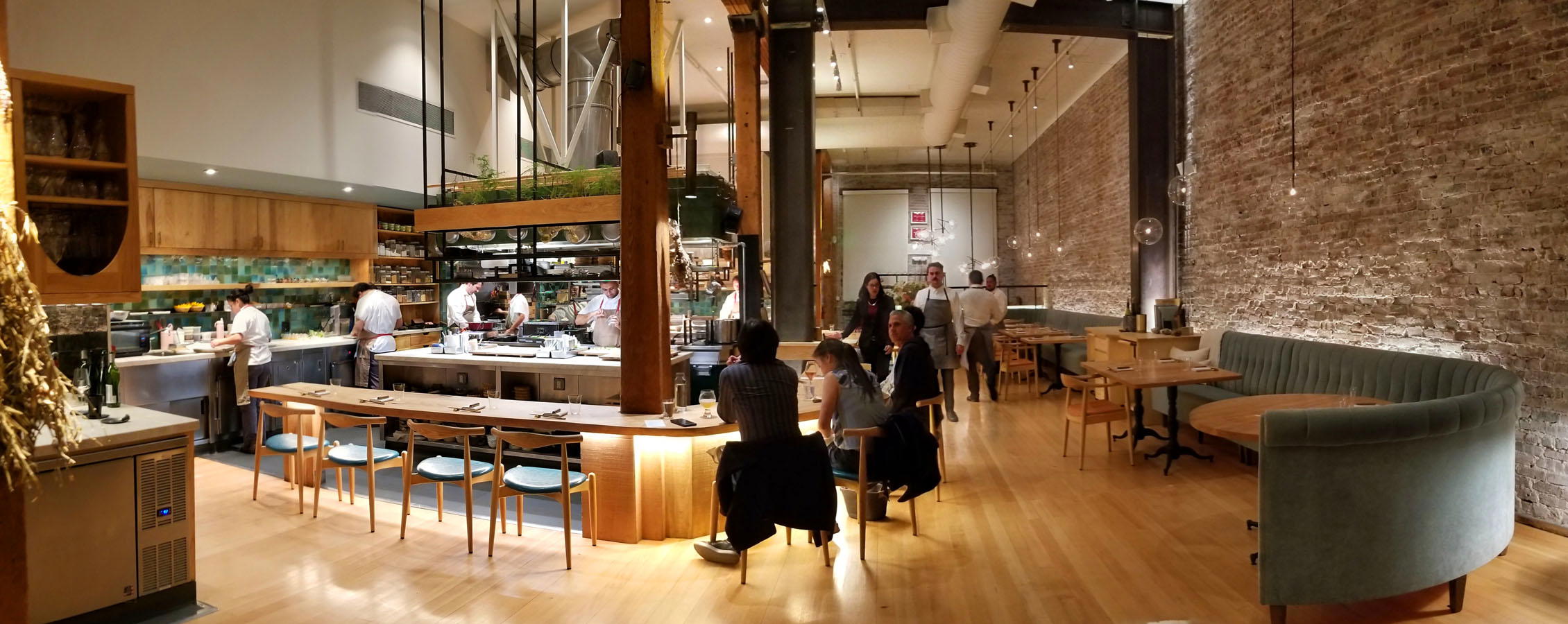
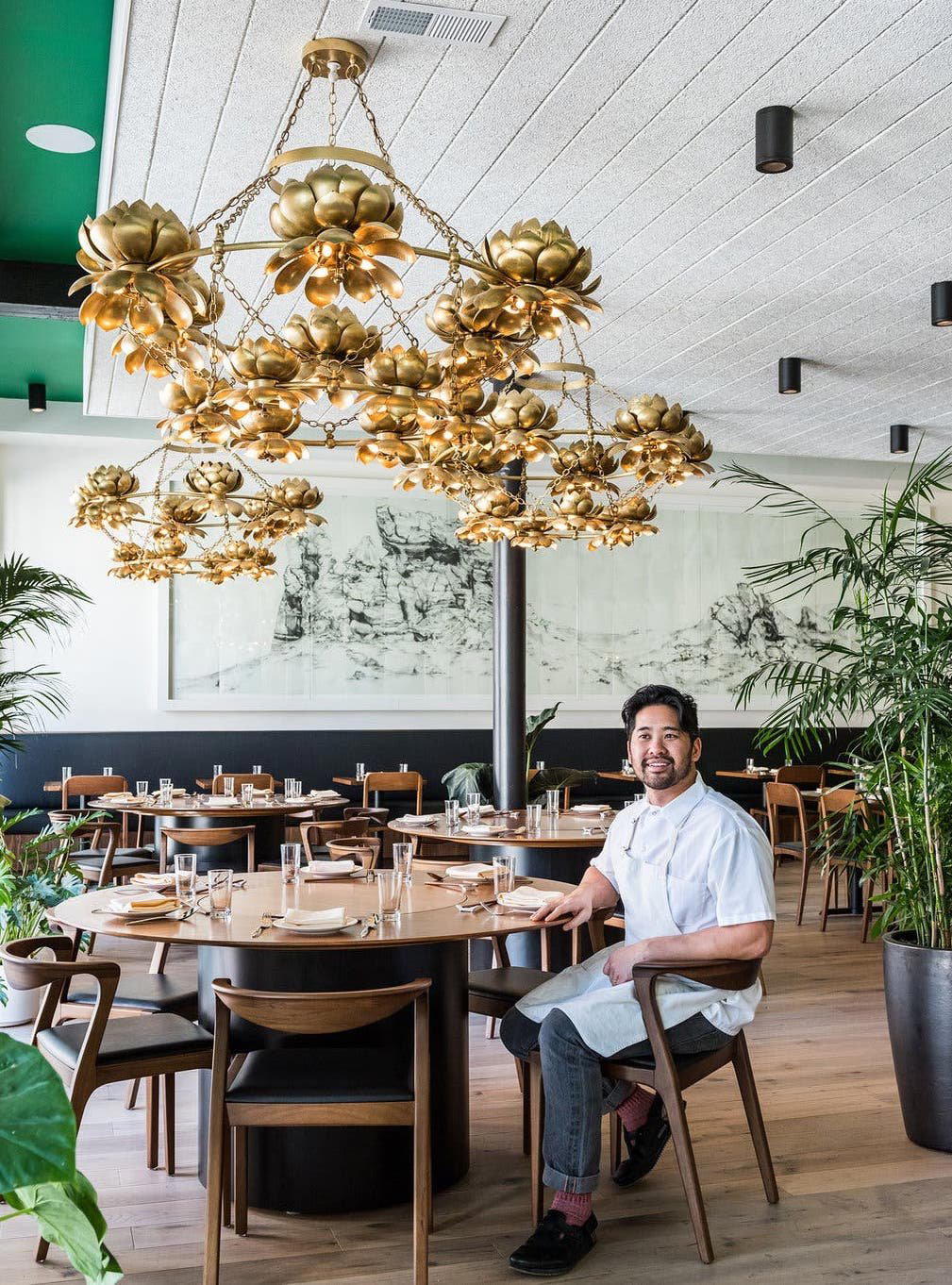
Bars in San Francisco
Browse all →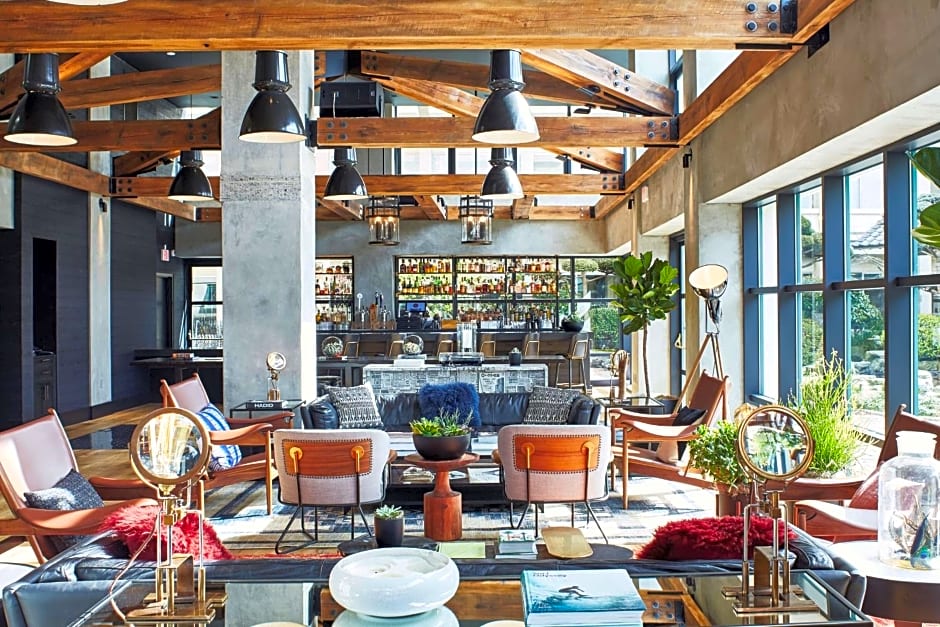
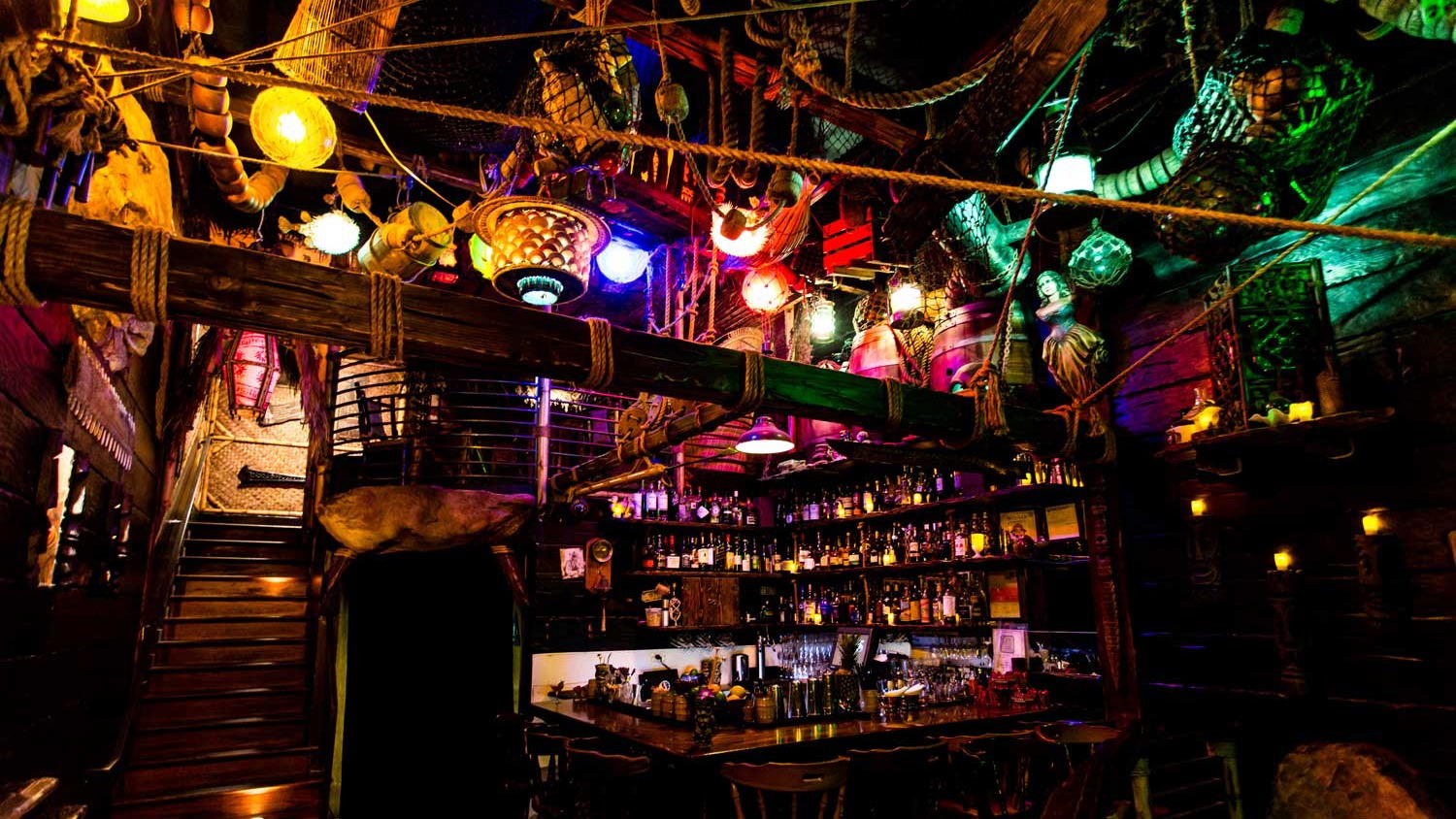
Hotels in San Francisco
Browse all →
At a Glance
- Cozy
- Group Dining
- Casual Hangout
- Special Occasion
- Open Kitchen
- Sake Program
Current opening hours
- Monday
- 4–9 PM
- Tuesday
- Closed
- Wednesday
- 4–9 PM
- Thursday
- 4–9 PM
- Friday
- 12–9:30 PM
- Saturday
- 12–10 PM
- Sunday
- 12–9 PM
Hours can change for holidays and private events. Last verified .
Cozy and inviting warmth with moderate noise, ideal for gatherings.