Nojo Ramen Tavern
On Franklin Street in Hayes Valley, Nojo Ramen Tavern occupies a corner of San Francisco's mid-tier dining scene where Japanese comfort food meets neighbourhood bar culture. The format is casual and counter-friendly, positioning it well below the city's Michelin-chasing omakase tier and closer to the kind of ramen house that rewards regulars over reservation-hunters.
Pearl is the En Primeur Club membership app — saves, bookings, and concierge access live there. Same editors, same standards.
- Address
- 231 Franklin St, San Francisco, CA 94102
- Phone
- (415) 896-4587
- Website
- nojosframen.com
- Directions
- Get directions
 Saves & bookings on Pearl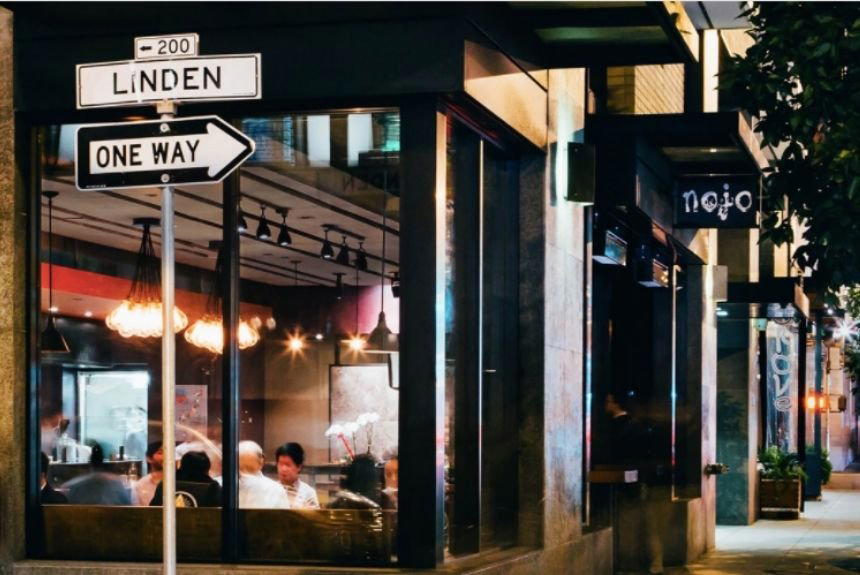
Franklin Street and the Ramen Bar Format
Hayes Valley has spent the past decade threading a line between neighbourhood local and destination dining, and Franklin Street sits at the quieter residential edge of that tension. The ramen tavern format, low lighting, counter seating, bowls arriving quickly without ceremony, reads differently here than it would in the Tenderloin or the Richmond, where Japanese comfort food has deeper roots. At 231 Franklin, Nojo Ramen Tavern occupies that gap: a room that signals ease rather than occasion, where the point is the bowl in front of you and the drink alongside it, not the booking lead time or the omakase progression.
San Francisco's ramen scene has matured considerably over the past fifteen years, moving from a handful of Japantown stalwarts to a spread of operators across every price tier and neighbourhood. The mid-range tavern format, full bar, noodle-led menu, walk-in friendly, now competes against a wider field than it did even five years ago. Nojo sits in that middle tier, positioned neither against the quick-serve chains nor the premium tasting-counter ramen experiments that have appeared briefly in the city. It is a neighbourhood option that happens to draw from further afield, which is a reasonable definition of success in this format.
How the Meal Moves
The logic of a ramen tavern meal is different from the progression you'd track at, say, Lazy Bear or Atelier Crenn, where the kitchen controls arc and pacing in deliberate sequence. Here the structure is self-directed, and the sequence matters more than most casual diners realise. The standard move in a well-run ramen tavern is to start with lighter, sharper items, pickled vegetables, edamame, small cold plates, before the main bowl arrives and resets the temperature of the meal. Ordering out of that sequence, letting the broth appear before you've had anything to wake the palate, flattens the experience.
The broth itself is where Japanese ramen culture concentrates its craft. Whether tonkotsu, shio, shoyu, or miso-based, the bowl is a product of long reduction and careful seasoning balance, a tradition that has more in common with French stock technique than the quick-cook soups it superficially resembles. At venues in this format, the drink alongside the bowl matters too: cold beer or a simple highball cuts through rich pork-based broths in a way that heavier wine pairings cannot. The tavern element of the name is functional, not decorative.
This sequenced approach, small plates, then bowl, then something cold and sweet if the kitchen runs dessert, mirrors what you'd find in a well-ordered izakaya, and it's worth understanding before you sit down. The format rewards those who slow the ordering down rather than consolidating everything into one round. It also rewards repeat visits: a ramen menu read once yields a fraction of what three or four visits across different broth styles reveal.
Where Nojo Sits in the San Francisco Context
San Francisco's dining scene is often discussed at its extremes: the three-Michelin-star tier represented by Benu at the leading, and the city's deeply embedded taqueria and dim sum culture at the other end. The mid-range casual-Japanese tier is less frequently mapped, but it is where most of the city's daily restaurant traffic actually runs. Nojo competes in that middle band alongside a range of Japanese-inflected operators, none of whom are working at the price point of Quince or Saison.
That positioning has advantages. Walk-in availability on quieter weeknights is more realistic than at the city's booking-heavy fine-dining tier. The price exposure per head is lower, which makes the risk of a meal that doesn't fully land more forgivable. And Hayes Valley itself, bookended by the symphony on Van Ness and the boutique retail stretch further west, generates consistent foot traffic from theatre-goers, local residents, and visitors who've already exhausted the Embarcadero dining circuit.
For context on how mid-range Japanese tavern dining compares nationally, the format has deeper penetration in Los Angeles (where Providence anchors a fine-dining tier and ramen bars fill the casual brackets below it), New York (where Atomix represents Korean fine dining at the leading while ramen and izakaya formats run independently), and Chicago (where Alinea's experimental tier coexists with a growing Japanese casual scene). San Francisco's version of this split tilts slightly more expensive at the casual level than its peers, reflecting broader real estate and labour costs in the Bay Area.
Planning Your Visit
| Venue | Format | Price Tier | Booking Lead Time | Leading For |
|---|---|---|---|---|
| Nojo Ramen Tavern | Casual ramen tavern | Mid-range (unconfirmed) | Walk-in likely available | Neighbourhood bowl, bar setting |
| Lazy Bear | Progressive American dinner party | $$$$ | Weeks to months ahead | Tasting menu occasion |
| Benu | Fine dining, French-Chinese | $$$$ | Weeks ahead | High-end special occasion |
| Atelier Crenn | Modern French tasting menu | $$$$ | Months ahead | Milestone dining |
| Quince | Italian contemporary | $$$$ | Weeks ahead | Refined Italian occasion |
Hayes Valley is walkable from the Civic Center BART station, a practical detail for visitors coming from downtown or the Mission. Street parking on Franklin is available but competes with evening theatre traffic on nights when the Symphony or Opera is running. The neighbourhood's compact restaurant cluster means pre- or post-dinner options are plentiful within a short walk.
For reference points further afield, the progression from casual ramen to high-end Japanese formats is visible in how cities like New York and Chicago have built out their Japanese dining tiers, a trajectory San Francisco is still mid-way through completing. Comparable destination-driven approaches to regional American dining appear at Single Thread Farm in Healdsburg and The French Laundry in Napa, though both operate at an entirely different scale of ambition and price.
Recognition Snapshot
Comparable venues nearby, for context on price, style, and recognition.
| Venue | Cuisine | Price | Notes |
|---|---|---|---|
| Nojo Ramen TavernThis venue — the venue you are viewing | Modern Chicken Paitan Ramen Izakaya | $$ | Not listed |
| Matsuyama Shabu House | Japanese Shabu-Shabu | $$ | Pacific Heights |
| The Roll | Authentic Japanese Sushi and Futomaki | $$ | South of Market |
| Sushi Taka | DIY Sushi Rolls | $$ | Financial District |
| Men Oh Tokushima Ramen | Authentic Tokushima Ramen | $$ | :none |
| Mikaku Restaurant | Authentic Japanese Sushi and Sashimi | $$ | Union Square |
Continue exploring
More in San Francisco
Restaurants in San Francisco
Browse all →
Bars in San Francisco
Browse all →
Hotels in San Francisco
Browse all →
At a Glance
- Modern
- Trendy
- Cozy
- Date Night
- Casual Hangout
- After Work
- Open Kitchen
- Sake Program
- Craft Cocktails
Current opening hours
- Monday
- Closed
- Tuesday
- 5–9 PM
- Wednesday
- 5–9 PM
- Thursday
- 5–9 PM
- Friday
- 11:30 AM–2:30 PM, 5–9:30 PM
- Saturday
- 11:30 AM–2:30 PM, 5–9:30 PM
- Sunday
- 11:30 AM–2:30 PM, 4–8 PM
Hours can change for holidays and private events. Last verified .
Sophisticated yet approachable izakaya atmosphere with creamy, umami-rich ramen that comforts on foggy days.