
Matoba gives Suzuka a serious sukiyaki and shabu-shabu address rather than another casual local table. Its Tabelog 100 - Hot Pot - 2024 selection, private-room format, and beef-led pricing put it in a different bracket from everyday Suzuka restaurants, with a clearer reason to plan a meal around hot pot technique and sourcing.
Pearl is the En Primeur Club membership app — saves, bookings, and concierge access live there. Same editors, same standards.
- Address
- 1 Chome-25-15 Yabase, Suzuka, Mie 513-0036, Japan
- Phone
- +81 59-382-0345
- Website
- matoba-net.co.jp
- Directions
- Get directions
 Saves & bookings on Pearl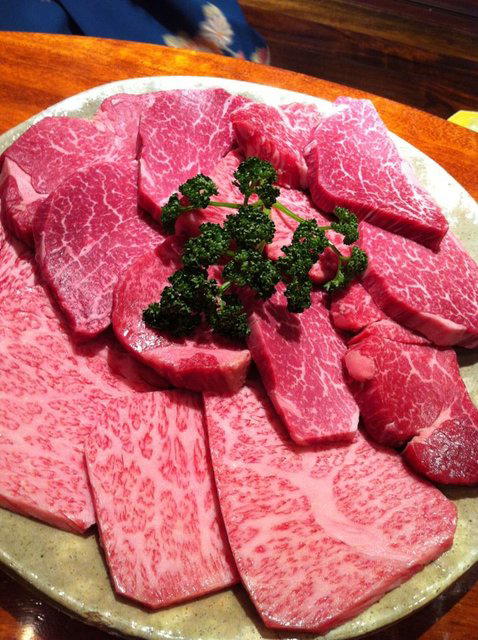
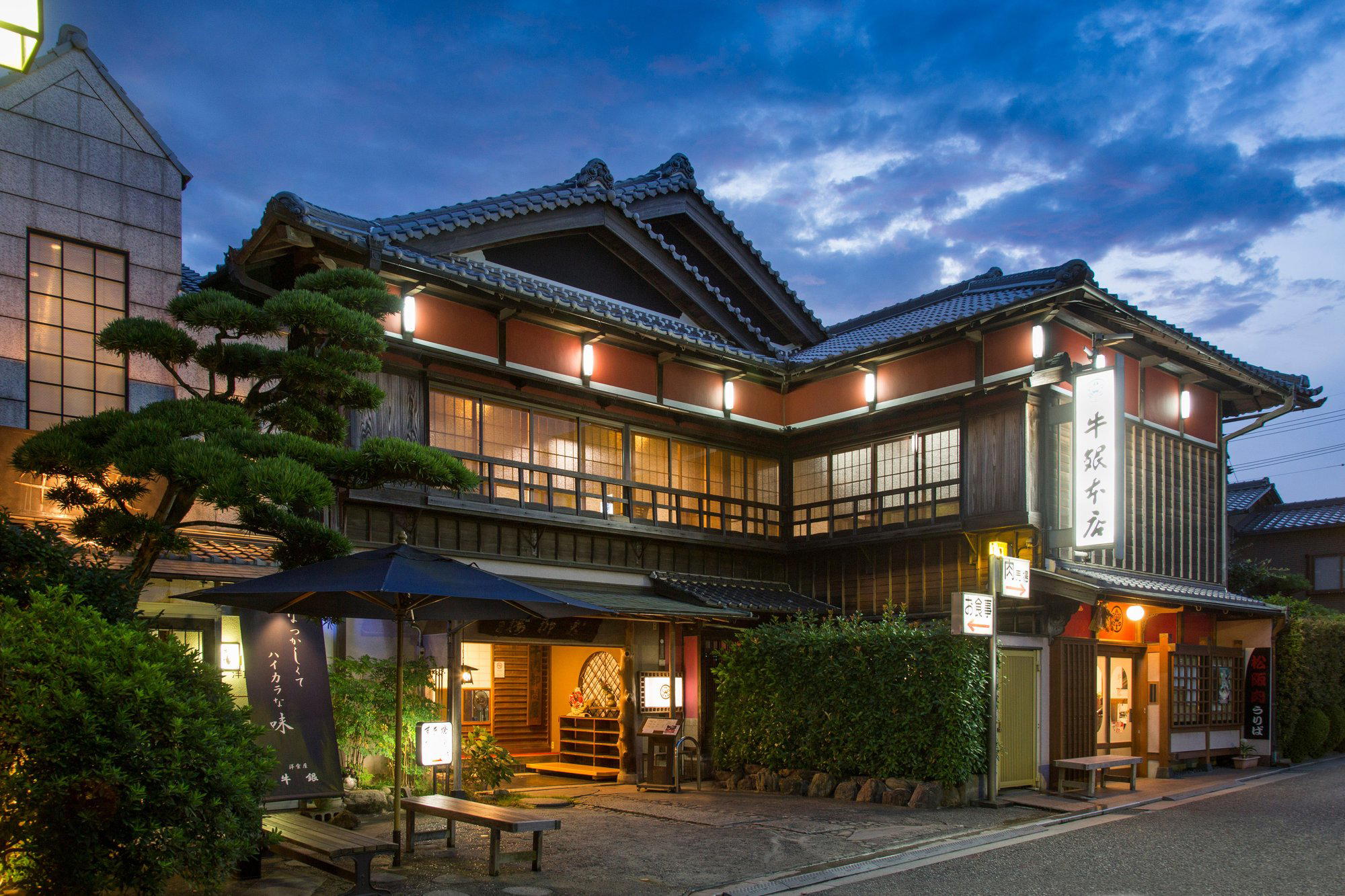
Approaching a serious hot pot restaurant in a smaller Japanese city feels different from arriving at a counter in Ginza or a hotel dining room in Kyoto. The room matters, but the real signal is the rhythm: groups settling in, beef arriving as the centre of the meal, and the table becoming the point of service. In Suzuka, where much of the dining map is casual and practical, Matoba belongs to a narrower category: destination sukiyaki and shabu-shabu built around beef, private-room dining, and a price tier that asks diners to treat the meal as an occasion.
That context is the useful way to read the restaurant. Suzuka is not short on approachable local dining, from Porco and SUKA-SUKA to トラットリア ヤマカワ, but hot pot at this level operates by another logic. Sukiyaki and shabu-shabu are ingredient-led formats: sauce, broth, timing, and service can refine the meal, yet the quality of the beef sets the ceiling. Matoba’s placement in Tabelog 100 - Hot Pot - 2024 is the trust signal here, not a decorative badge. It places the restaurant within a national conversation about Japanese hot pot specialists rather than only within Suzuka’s neighbourhood restaurant circuit.
Beef-led hot pot in a city better known for practical dining
Sukiyaki and shabu-shabu reward restraint. Unlike kaiseki, where progression and seasonality carry the intellectual weight, these formats are built around repetition with small shifts: fat, heat, dipping sauce, vegetables, rice, and the social pace of the table. The distinction between a competent hot pot meal and a serious one often comes from sourcing discipline. Beef dishes sit alongside sukiyaki and shabu-shabu in Matoba’s listed categories, which matters because the restaurant is not treating hot pot as a generic winter comfort format. It is positioning beef as the reason for the visit.
That has consequences for value. Dinner sits in the JPY 10,000 to JPY 14,999 range, while lunch is listed at JPY 3,000 to JPY 3,999. In Suzuka terms, that is a clear step above casual peers such as Porco and SUKA-SUKA, both listed in lower everyday dining brackets. The comparison is not about Italian versus hot pot; it is about intent. A diner choosing Matoba is paying for a more formal beef-centred meal, with the table and service format doing some of the work that a counter, wine list, or tasting menu might do elsewhere.
For travellers building a broader Japan itinerary, that distinction can be useful. Kamakura has beef-focused specialists such as -Grilled beef Sukiyaki- KAMAKURA TANUKIAN 鎌倉 たぬき庵 in Kamakura, while urban dining searches might pull toward places as varied as . 鮪と炭火焼き うお炭 秋葉原店 in Tokyo.cafe in Osaka.know in Kumamoto, (Shoku) Vietnam in Kawasaki, [Curry Senmon Ten] Maruyama Kyoju. in Sapporo, [ki:] in Kyoto, and #肉といえば松田 奈良本店 in Kashihara. Matoba’s appeal is more specific: regional hot pot dining with enough recognition to justify leaving the default casual list.
Private rooms shift the meal toward conversation, not spectacle
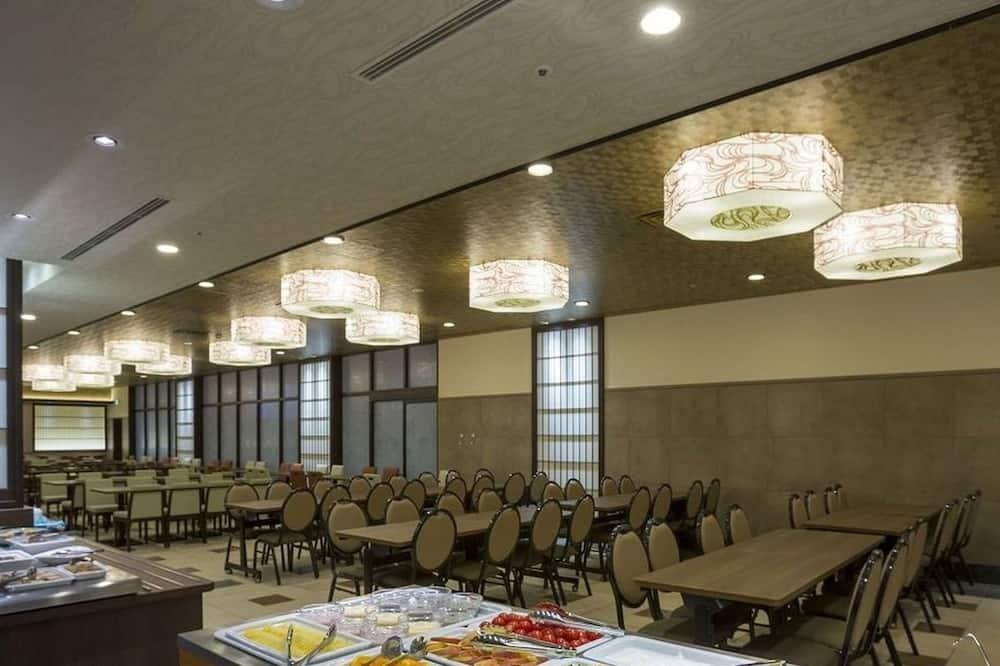
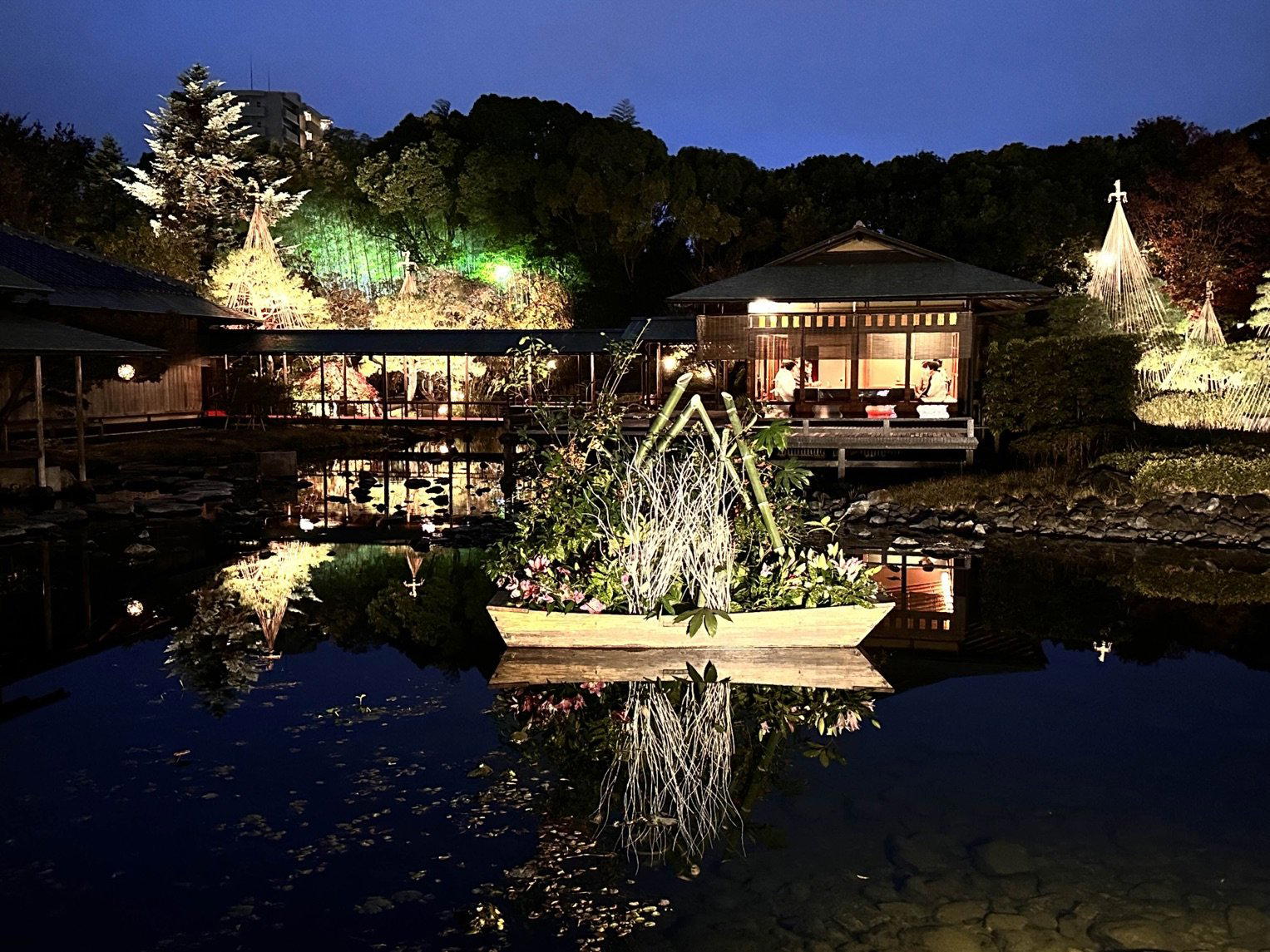
Private rooms are available for parties of 2, 4, 6, and 8, which says a great deal about the experience. This is not a high-turnover counter built for solo precision or a room designed around open-kitchen theatre. The format suits conversation, small celebrations, family meals, and business-adjacent dining where privacy has value. Non-smoking status also matters in a hot pot setting, where aroma is part of the room’s character and smoke would muddy the experience.
The service pattern makes the restaurant more useful for groups than for diners chasing a fast regional stop between trains. Reservations are available, parking is available, and the nearest station is Suzuka Station, listed at 229 meters away. Those details make the restaurant unusually practical for a regional hot pot meal: accessible by rail, workable by car, and structured for planned dining rather than impulse eating. Payment is also easier than at many traditional regional restaurants, with major credit cards and electronic money accepted, though QR code payments are not accepted.
Hours follow a split lunch-and-dinner rhythm on most days, with Tuesday closed. That split reinforces the value question. Lunch gives access to the same beef-led category at a lower spend, while dinner moves into the occasion bracket. The smarter choice depends on the trip: lunch fits a Suzuka stopover; dinner makes more sense when the meal is the anchor of the evening.
Where Matoba fits in a Suzuka itinerary
Suzuka’s dining scene is easier to understand when divided by purpose. There are casual local restaurants for low-pressure meals, midrange places for a neighbourhood night out, and a smaller group of venues that justify advance planning because they express a specific Japanese dining tradition. Matoba sits in that last group. The Tabelog 100 - Hot Pot - 2024 selection gives it external recognition, but the stronger editorial point is category clarity: sukiyaki, shabu-shabu, and beef dishes are not side notes here; they define the meal.
For readers mapping the city beyond one dinner, start with Our full Suzuka restaurants guide, then treat the rest of the trip by mood rather than checklist. Our full Suzuka hotels guide helps with overnight planning, while Our full Suzuka bars guide, Our full Suzuka wineries guide, and Our full Suzuka experiences guide cover the surrounding structure of a stay. For international readers cross-referencing Japanese dining abroad, Jōdo Saké Bar in Los Angeles and Onigiri Time in Pasadena show how different the category becomes once it leaves Japan.
The editorial case for Matoba is simple: choose it when beef sourcing and the grammar of Japanese hot pot matter more than novelty. It is not the cheapest way to eat in Suzuka, and that is precisely the point. The restaurant occupies the planned-meal tier, where private rooms, recognized hot pot specialization, and a higher dinner spend combine into a focused regional experience.
Snapshot
Comparable venues by cuisine and price in the same metro.
| Venue | Cuisine | Price | Notes |
|---|---|---|---|
| Matoba | Traditional Japanese Sukiyaki & Shabu-Shabu | $$$ | Yabase |
| Porco | Yoshoku (Japanese-style Western cuisine) | $$ | Hiratacho |
| SUKA-SUKA | Indonesian Restaurant | $$ | Hiratacho |
| トラットリア ヤマカワ | Italian Trattoria | $$$ | Hiratacho |
| Matsugen (松玄 恵比寿) | Handmade Soba Noodles | $$$ | Ebisu |
| 立喰 鮨となり | Standing Sushi | $$$ | Azabujuban |
Recognition history
Dated appearances from independent guides and award organizations, with the underlying list record or original source where available.
Tabelog 100 #26 · No. 26
Tabelog · Tabelog 100 - Hot Pot - 2024
At a Glance
- Classic
- Elegant
- Quiet
- Intimate
- Date Night
- Group Dining
- Celebration
- Special Occasion
- Business Dinner
- Private Dining
- Standalone
- Beer Program
- Sake Program
- Local Sourcing
Current opening hours
- Monday
- 11 AM–3 PM, 5–10 PM
- Tuesday
- Closed
- Wednesday
- 11 AM–3 PM, 5–10 PM
- Thursday
- 11 AM–3 PM, 5–10 PM
- Friday
- 11 AM–3 PM, 5–10 PM
- Saturday
- 11 AM–3 PM, 5–10 PM
- Sunday
- 11 AM–3 PM, 5–10 PM
Hours can change for holidays and private events. Last verified .
Traditional, calm, and private, with a refined Japanese atmosphere suited to unhurried meals and group gatherings.