
Porco puts Suzuka’s yoshoku tradition into a compact, practical frame: Japanese-style Western cooking at everyday prices, with Tabelog 100 Yoshoku WEST 2025 recognition giving it a clear trust signal beyond local word of mouth. The appeal is not ceremony; it is a small-room, no-smoking, family-friendly format that treats familiar Western forms as part of everyday Japanese dining.
Pearl is the En Primeur Club membership app — saves, bookings, and concierge access live there. Same editors, same standards.
- Address
- 三重県鈴鹿市算所3-9-38 豊永ビル 1F
- Phone
- +81593896811
- Website
- tabelog.com
- Directions
- Get directions
 Saves & bookings on Pearl
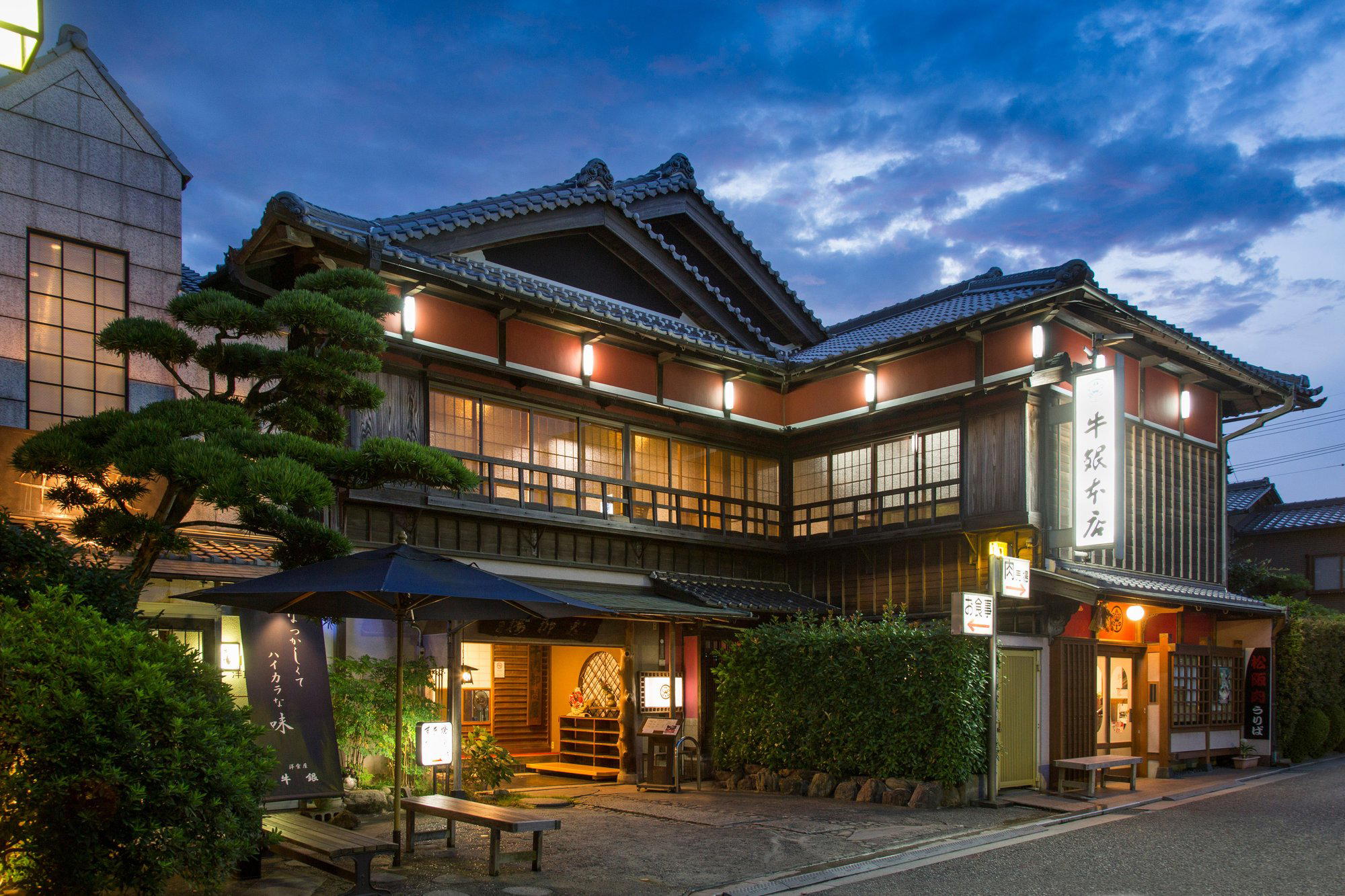
A yoshoku room in a regional Japanese city rarely announces itself with grandeur. The cues are smaller: a ground-floor address, compact dining room, counter seats and tables, and regulars who treat Western-style dishes not as imported novelty but as weekday comfort. In Suzuka, that matters. The city’s dining character is practical rather than theatrical, shaped by station-area restaurants, family meals, and prices far below Kyoto or Tokyo’s tasting-menu economy. Porco belongs to that tradition: yoshoku as local habit, not museum piece.
Yoshoku has always meant adaptation. Japan took European and American forms, then rewrote them through rice, sauces, frying technique, set-meal structure, and domestic dining-room needs. The result is neither strictly French nor Italian, but a Japanese category with Western grammar, judged by execution rather than novelty. Porco’s selection for Tabelog 100 Yoshoku WEST 2025 is therefore the useful signal: among Kansai and western Japan yoshoku addresses, it has enough consistency and local pull to stand out in a crowded, comfort-driven genre.
Yoshoku in Suzuka works when the sourcing feels local, not ornamental
The ingredient question in yoshoku differs from haute cuisine. It is less about naming a farm at the table than handling everyday materials with discipline. Sauces need depth without heaviness, fried items need timing, meat and vegetables must read as dinner rather than decoration, and rice or sides have to make sense on the plate. The category rewards cooks who make familiar components feel deliberate.
That is why small regional yoshoku restaurants can reveal more than polished metropolitan versions. In Suzuka, the customer base can distinguish routine from careful cooking, while the price ceiling ties the room to repeat local use. Porco’s published budgets place it in an accessible bracket, closer to everyday dining than special-occasion formality. That makes the Tabelog recognition more interesting: the praise attaches to a restaurant in a modest price band, not one leaning on luxury cues.
For travellers building a Suzuka food day, nearby contrasts help. Matoba occupies a higher spend category, while SUKA-SUKA sits in a similar accessible range. トラットリア ヤマカワ points toward Italianate dining rather than Japanese-style Western cooking. Porco’s value is anchoring a specific Japanese genre within the city’s casual restaurant map.
A small room changes the meal's pace
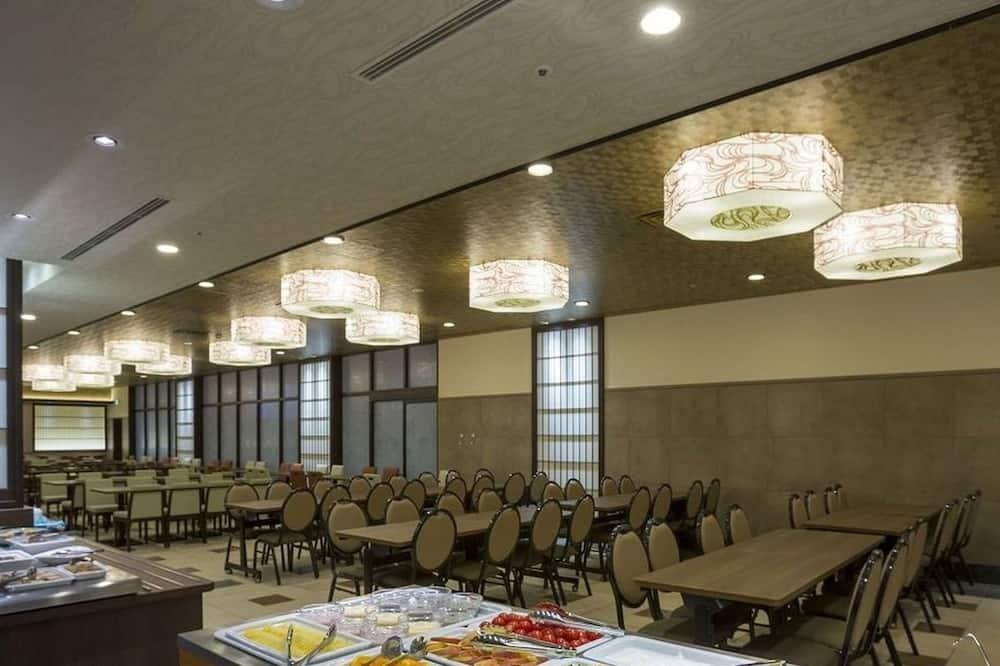
Capacity is part of the experience. With 20 seats, including counter and table seating, the room is built for contained service rather than a sprawling dining hall. That scale suits yoshoku, where food depends on timing and heat management as much as recipes. It also changes the social register. A counter seat feels quick and direct; a table works for friends or family, especially given the child-friendly listing. The stroller note is practical: this is a small restaurant, so families should plan with space in mind.
The format also places Porco apart from destination restaurants built around chef biography or luxury theatre. No chef narrative is needed. The relevant context is yoshoku’s durability: a cuisine that survives because it fits Japanese daily life. Restaurants in this genre are judged by whether they turn recognizable staples into dependable meals, not by announcing a personal philosophy. Porco’s no-smoking policy, absence of private rooms, and compact seating reinforce the reading: a direct dining room, not a private salon.
In western Japan, Tabelog’s 100-list selections often show how deeply local taste shapes national categories. Sushi counters or kaiseki rooms may travel through prestige language; yoshoku travels through repeat demand. Selection for the 2025 WEST list gives Porco a stronger editorial reason to enter a Suzuka itinerary, especially for diners interested in Japanese food beyond ramen, sushi, and tempura. It also reminds us that Western influence in Japan did not remain foreign; it became local enough to have regional benchmarks.
How to place it in a Suzuka itinerary
Porco suits travellers who want one Suzuka meal grounded in Japanese everyday dining yet carrying external recognition. It should not be framed as a luxury detour or long-form tasting-menu booking. The better frame is a focused yoshoku stop: compact room, accessible pricing, and a category that rewards appetite over ceremony.
The location near Hiratacho station matters in Suzuka, where dining often clusters around practical transport nodes rather than postcard districts. Visitors comparing options can use Our full Suzuka restaurants guide for broader mapping, then pair the meal with nearby stay and evening research through Our full Suzuka hotels guide and Our full Suzuka bars guide. Suzuka is not a wine-tourism city like Yamanashi or Nagano, but broader planning pages such as Our full Suzuka wineries guide and Our full Suzuka experiences guide help place the restaurant within a fuller trip rather than a single-table chase.
For readers extending the same research across Japan and beyond, the useful comparison is not cuisine similarity but editorial function: how modest formats carry serious local value. That lens connects Porco with specialist Japanese listings such as -Grilled beef Sukiyaki- KAMAKURA TANUKIAN 鎌倉 たぬき庵 in Kamakura. 鮪と炭火焼き うお炭 秋葉原店 in Tokyo.cafe in Osaka.know in Kumamoto, (Shoku) Vietnam in Kawasaki, [Curry Senmon Ten] Maruyama Kyoju. in Sapporo, [ki:] in Kyoto, and #肉といえば松田 奈良本店 in Kashihara. Overseas, the same EP Club logic can apply to tightly defined Japanese formats such as Jōdo Saké Bar in Los Angeles and Onigiri Time in Pasadena: the point is not scale, but whether a narrow food idea is executed with enough clarity to justify the stop.
The verdict is simple: Porco is the Suzuka yoshoku address to note when the goal is a local, compact, award-recognised meal rather than a high-spend occasion. Its appeal sits in the friction between modest format and category authority, often where Japan’s regional dining is sharpest.
Comparable Spots, Quickly
Comparable venues by cuisine and price in the same metro.
| Venue | Cuisine | Price | Notes |
|---|---|---|---|
| Porco | Yoshoku (Japanese-style Western cuisine) | $$ | Hiratacho |
| SUKA-SUKA | Indonesian Restaurant | $$ | Hiratacho |
| トラットリア ヤマカワ | Italian Trattoria | $$$ | Hiratacho |
| Matoba | Traditional Japanese Sukiyaki & Shabu-Shabu | $$$ | Yabase |
| Ide Shoten (井出商店) | Traditional Wakayama Ramen | $$ | Tanakamachi |
| Rishiri Ramen Miraku | Hokkaido Rishiri Ramen | $$ | Kutsugata, Rishiri Island |
Recognition history
Dated appearances from independent guides and award organizations, with the underlying list record or original source where available.
Tabelog 100 #78 · No. 78
Tabelog · Tabelog 100 - Yoshoku - WEST - 2025



At a Glance
- Cozy
- Classic
- Family
- Casual Hangout
- Group Dining
- Solo
- After Work
- Standalone
Small, non-smoking yoshoku restaurant with about 20 seats, combining counter and table seating in a relaxed, classic Western-style Japanese setting that feels cozy and friendly for families and casual meals.