
SUKA-SUKA brings Indonesian cooking into Suzuka’s small but varied restaurant conversation, a city better known to travellers for motorsport than regional dining depth. Its 2024 Tabelog 100 selection for Asian and ethnic cuisine in WEST Japan gives it a useful external marker, while its moderate lunch and dinner budgets keep the experience grounded rather than ceremonial.
Pearl is the En Primeur Club membership app — saves, bookings, and concierge access live there. Same editors, same standards.
- Address
- 三重県鈴鹿市算所5-12-5
- Phone
- +819099438233
- Website
- tabelog.com
- Directions
- Get directions
 Saves & bookings on Pearl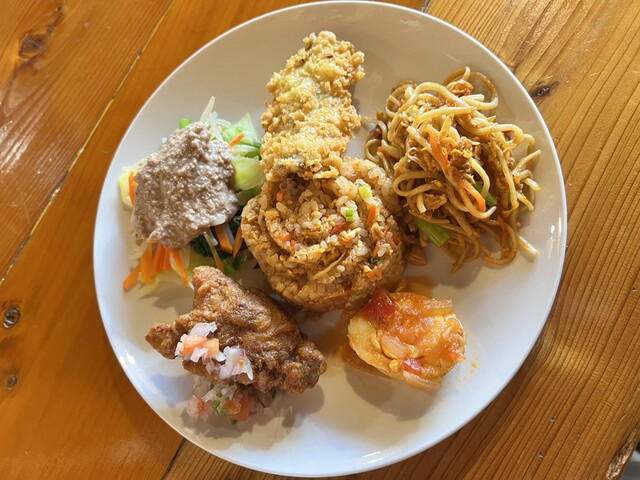
Approaching a neighbourhood Indonesian restaurant in Suzuka changes the scale of the meal before the first order is placed. This is not the theatre of a metropolitan tasting counter or the expense-account rhythm of a resort dining room. The appeal sits in a more everyday register: a room built for friends, smoke-free dining, and cooking that brings Southeast Asian seasoning into a Japanese regional city where the restaurant map is often dominated by local staples, Italian comfort, yakiniku, and casual drinking food.
Suzuka’s dining identity is shaped by movement. The city draws visitors for the circuit, but its restaurants serve residents first, which makes any serious Indonesian address more interesting than novelty alone. In regional Japan, Asian and ethnic cooking often succeeds when it adapts to local dining habits without flattening the cuisine into generic spice. SUKA-SUKA’s inclusion in the 2024 Tabelog 100 for Asian cuisine and ethnic cuisine in WEST Japan places it inside that narrower conversation: not merely a convenient option near Hiratacho, but a recognised example of Indonesian cooking outside the large-city gravity of Osaka, Kyoto, or Nagoya.
Indonesian cooking measured against Suzuka's local dining habits
Indonesian food in Japan tends to work through balance rather than force. Heat, sweetness, aromatics, coconut, fermented seasoning, rice, and grilled or stewed proteins all have to fit a dining culture that values set meals, shareable plates, and clear value. The category rewards kitchens that understand sourcing as much as seasoning: produce, rice, poultry, seafood, and pantry ingredients need to carry the rhythm of Indonesian food while remaining intelligible to local regulars.
That ingredient question is what separates this address from a simple “ethnic food” detour. In Suzuka, where restaurants such as Porco and トラットリア ヤマカワ point toward the city’s appetite for approachable Italian formats, Indonesian cooking has to make a different case: spice as structure, not decoration. Against a higher-spend local reference such as Matoba, the distinction is also economic. SUKA-SUKA sits in a casual bracket, so the test is not luxury polish but consistency, depth of pantry, and whether the cooking can feel specific without requiring a special-occasion frame.
The Tabelog 100 selection matters here because regional ethnic restaurants rarely receive the same English-language attention as sushi counters or kaiseki rooms. A 2024 WEST Japan listing gives outside readers a filter for a category that can be hard to judge from afar. It also suggests that the restaurant is being read within a broader Kansai-adjacent field of Asian dining, not only as a Suzuka neighbourhood choice.
A casual room with recognition behind it
The room’s public signals are practical rather than ceremonial: non-smoking, private-room-free, suitable for groups of friends, and set up for everyday payment methods rather than a cash-only pilgrimage. Those details matter because they define the pace. This is the kind of restaurant where the cooking can carry interest without the rigid choreography of an omakase counter or the formality of a prix fixe room.
For travellers, the value lies in reading SUKA-SUKA as part of Suzuka’s broader food ecology. The city is not trying to mimic Tokyo’s density or Kyoto’s heritage dining codes. Its stronger meals often come from category specialists serving a local audience: Italian kitchens, meat restaurants, curry counters, and independent Asian rooms with enough identity to be noticed beyond the city line. The restaurant’s opening date in 2013 gives it a longer operating history than many trend-driven ethnic dining rooms, and that longevity strengthens the case for taking the address seriously.
Ingredient sourcing is not publicly itemised in the manner of a farm-driven tasting menu, so the editorial point is category-based rather than supplier-specific. Indonesian restaurants in Japan are judged by how they handle the pantry: sambal heat, spice pastes, rice, coconut richness, fried or grilled textures, and the sweet-savoury tension that can disappear when the food is softened for general audiences. The 2024 recognition suggests that, within its field, this kitchen has cleared that bar more convincingly than a routine local curry-and-rice substitute.
How to place it in a Suzuka itinerary
For a visitor building a Suzuka plan, this is a dining choice for the middle of the trip rather than the grand finale. It works when the day calls for flavour, informality, and a sense of the city beyond circuit-adjacent convenience. Those planning a wider restaurant sweep should use Our full Suzuka restaurants guide to map it against local Japanese dining, Italian rooms, and higher-spend counters. For the rest of the stay, Our full Suzuka hotels guide, Our full Suzuka bars guide, Our full Suzuka wineries guide, and Our full Suzuka experiences guide give the city a fuller frame than a single meal can provide.
The wider Japanese dining map also helps explain the restaurant’s role. Travellers comparing regional specialism across the country might look at -Grilled beef Sukiyaki- KAMAKURA TANUKIAN 鎌倉 たぬき庵 in Kamakura. 鮪と炭火焼き うお炭 秋葉原店 in Tokyo.cafe in Osaka.know in Kumamoto, (Shoku) Vietnam in Kawasaki, [Curry Senmon Ten] Maruyama Kyoju. in Sapporo, [ki:] in Kyoto, and #肉といえば松田 奈良本店 in Kashihara. Outside Japan, Jōdo Saké Bar in Los Angeles and Onigiri Time in Pasadena show a different question altogether: how Japanese foodways travel, adapt, and become local elsewhere.
The editorial verdict is clear: choose the restaurant when Suzuka needs a meal with sharper regional identity than a generic casual dinner, but without the cost or ceremony of a destination counter. Its value is not spectacle. It is the presence of a recognised Indonesian kitchen in a city where that category remains a smaller, more revealing part of the dining scene.
Snapshot
Comparable venues by cuisine and price in the same metro.
| Venue | Cuisine | Price | Notes |
|---|---|---|---|
| SUKA-SUKA | Indonesian Restaurant | $$ | Hiratacho |
| Porco | Yoshoku (Japanese-style Western cuisine) | $$ | Hiratacho |
| Matoba | Traditional Japanese Sukiyaki & Shabu-Shabu | $$$ | Yabase |
| トラットリア ヤマカワ | Italian Trattoria | $$$ | Hiratacho |
| Walden Woods Kyoto | Minimalist Coffee Roastery Cafe | $$ | Shimogyo-ku |
| Ult Coffee Roasters | Specialty Coffee Roasters | $$ | Kyomachibori |
Recognition history
Dated appearances from independent guides and award organizations, with the underlying list record or original source where available.
Tabelog 100 #18 · No. 18
Tabelog · Tabelog 100 - Asian cuisine / Ethnic cuisine - WEST - 2024




At a Glance
- Cozy
- Lively
- Classic
- Casual Hangout
- Group Dining
- Standalone
- Beer Program
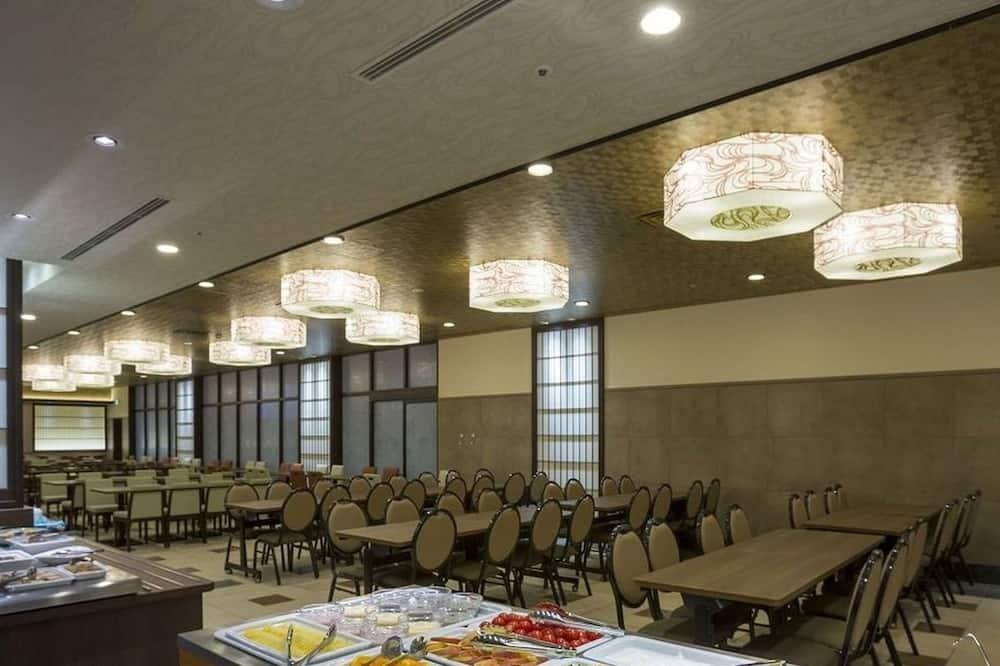
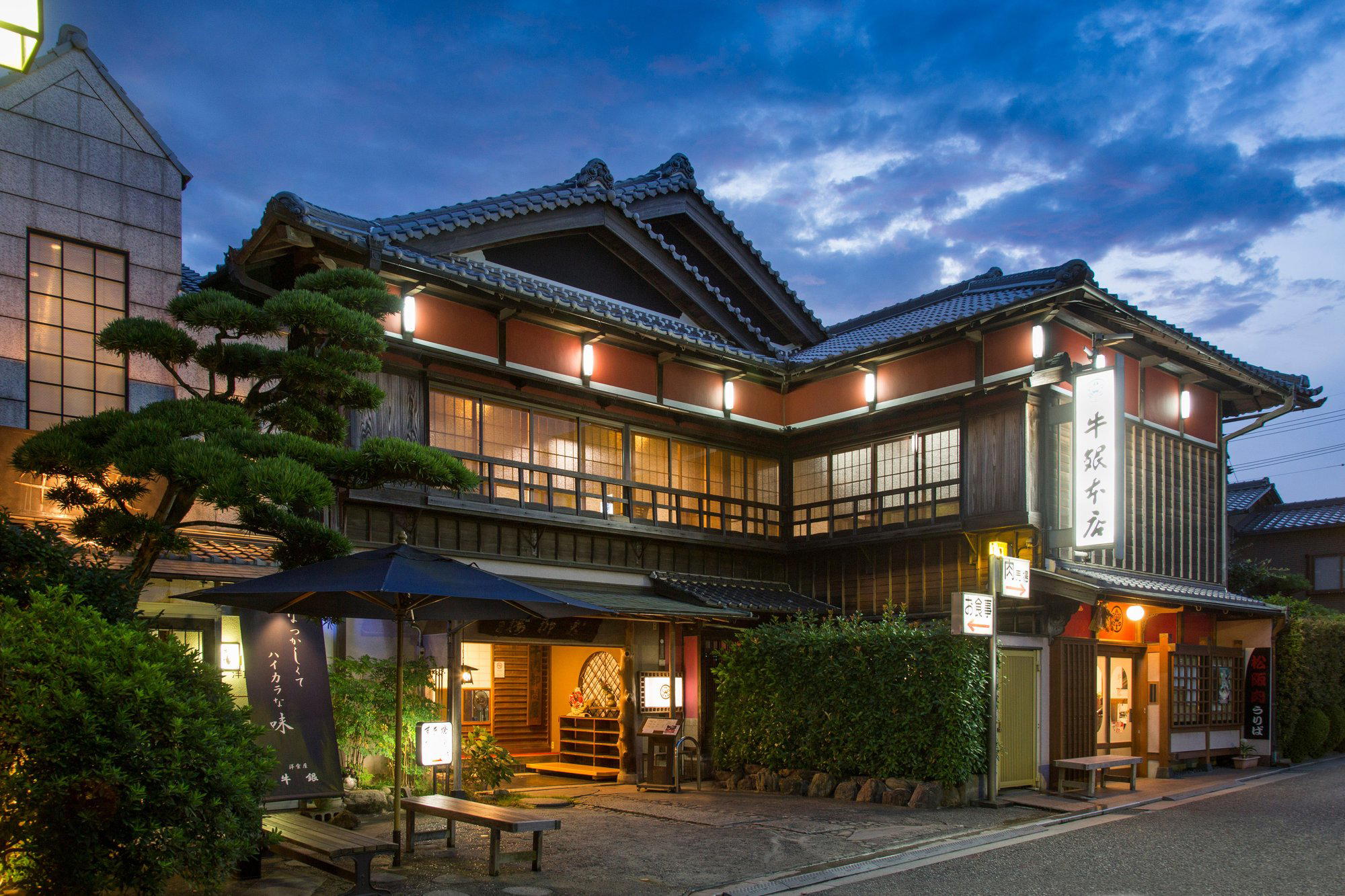
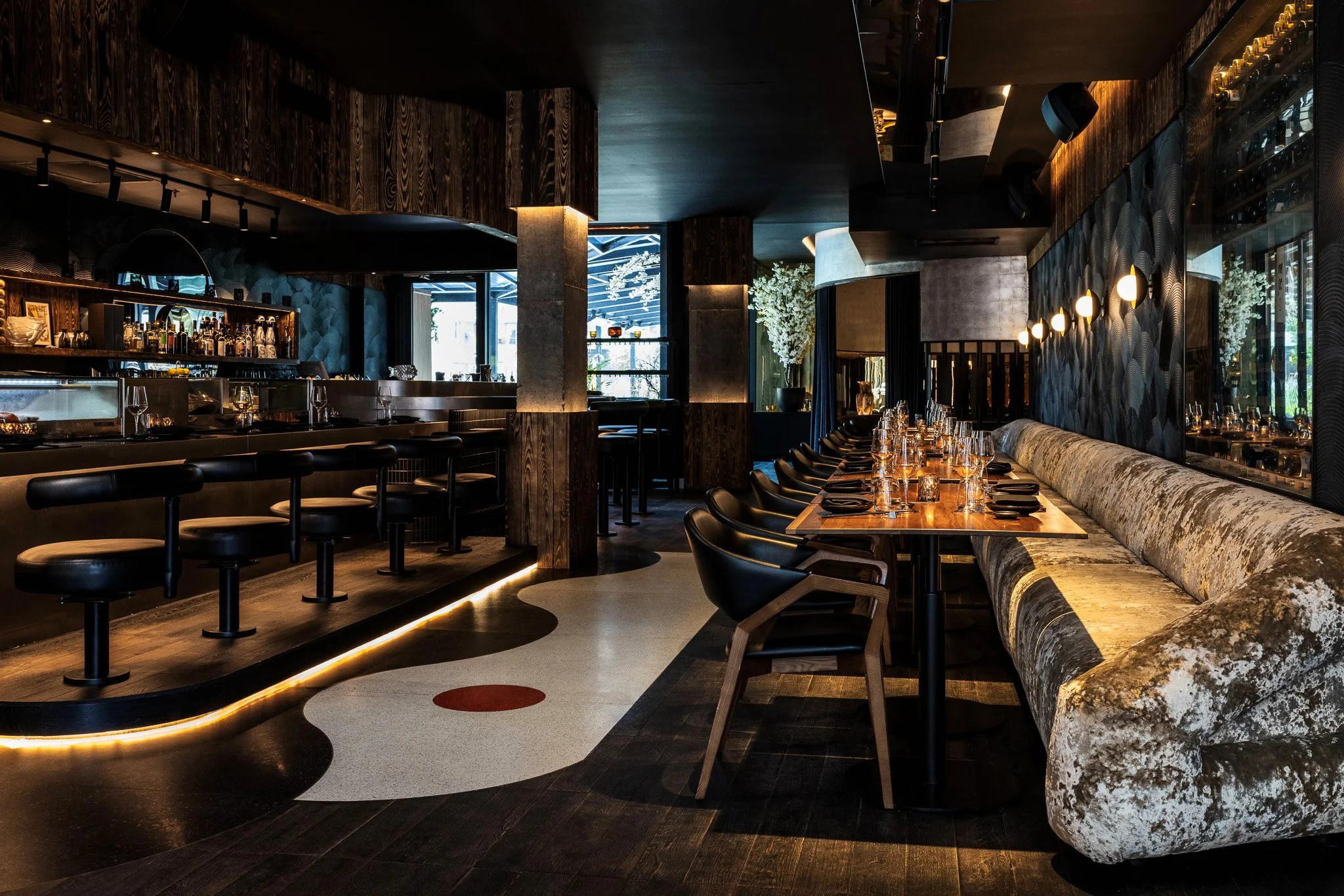
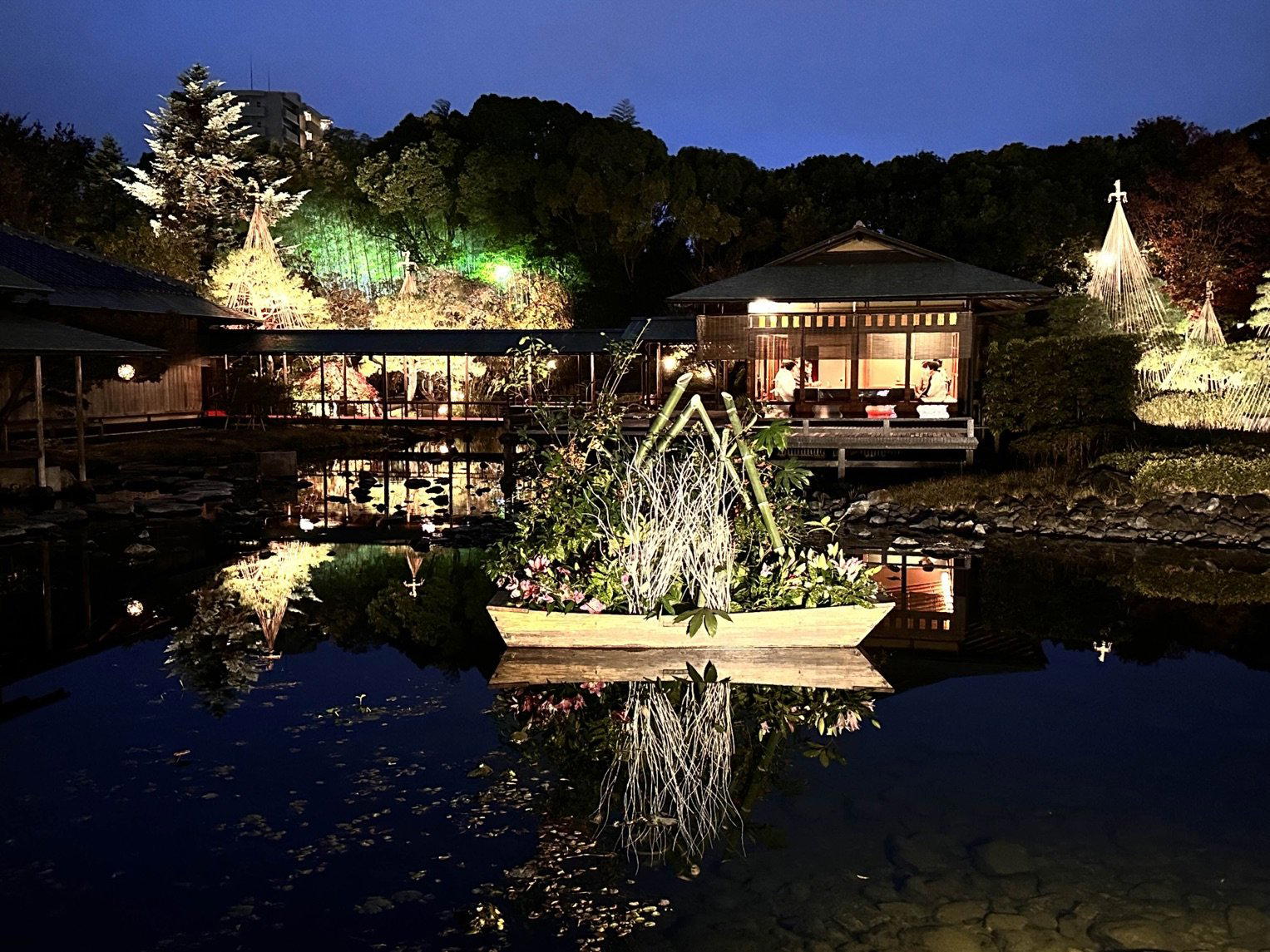
Guest reviews describe a warm, atmospheric, authentic Indonesian setting with an exotic exterior and a comfortable dining room.