Matarkjallarinn sits at Aðalstræti 2 in the oldest part of central Reykjavik, placing it at the intersection of the city's Viking-era archaeology and its contemporary dining scene. The address alone signals a different kind of gravity from the newer restaurant clusters around Laugavegur. Visitors looking to understand how Reykjavik eats at the serious end of the market will find this address worth examining alongside the city's other destination restaurants.
Pearl is the En Primeur Club membership app — saves, bookings, and concierge access live there. Same editors, same standards.
- Address
- Aðalstræti 2, 101 Reykjavík, Iceland
- Phone
- +354 558 0000
- Website
- matarkjallarinn.is
- Directions
- Get directions
 Saves & bookings on Pearl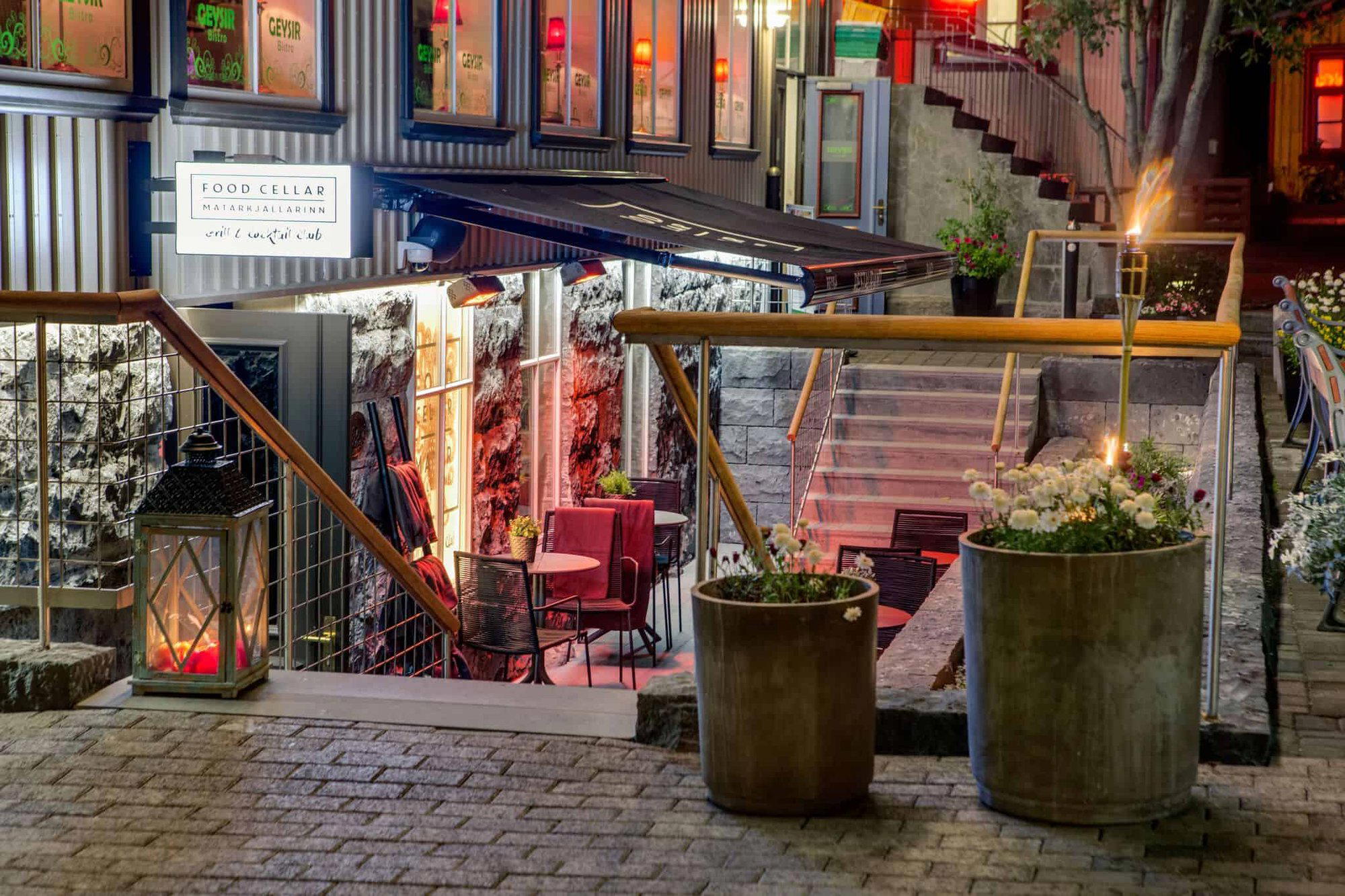
Aðalstræti and What the Address Means
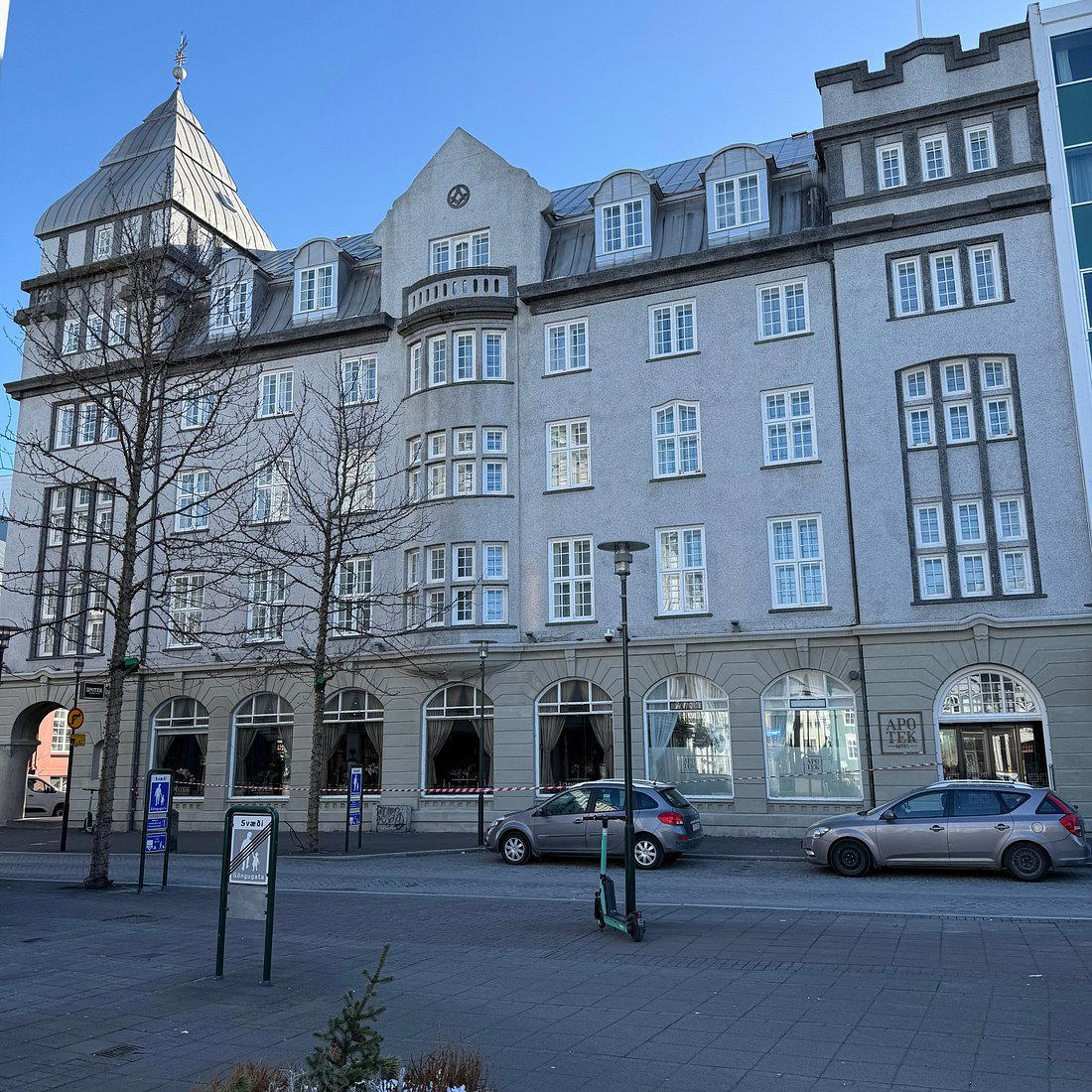
Aðalstræti is not simply Reykjavik's oldest street — it is where the city's dining identity becomes legible in physical form. The road runs through the 871±2 Settlement Exhibition, where excavated longhouse ruins sit beneath glass in the pavement, and the surrounding block has absorbed that archaeological weight into its built character. Restaurants that anchor themselves here are operating in a different register from the Laugavegur corridor, where newer openings compete for foot traffic from the tourist stream. Aðalstræti tilts toward locals, toward history, and toward a quieter kind of civic seriousness. Matarkjallarinn at number 2 sits at the top of that street, occupying space that carries more accumulated context than almost any other dining address in the capital.
That geographic positioning matters more than it might in other cities. Reykjavik's restaurant scene is small enough that location still carries cultural signal. The city has fewer than 400,000 people in its greater metropolitan area, which means the dining tier at the serious end — the places Icelanders themselves mark as destinations rather than conveniences, is correspondingly compact. Aðalstræti 2 is the kind of address that enters local shorthand, the kind that locals give to visitors as a coordinate rather than a name.
The Scene Reykjavik Has Built
Iceland's premium dining tier has developed faster in the last fifteen years than most outside observers anticipated. The combination of geothermal agriculture, a North Atlantic fishing tradition that produces lamb, cod, and skyr with genuine regional character, and a small population of chefs who trained in Copenhagen, Paris, and New York and then returned, has created a restaurant scene with legitimate culinary claims. DILL in Reykjavík established the international benchmark for New Nordic cooking in Iceland, and the restaurants that followed it have had to define themselves in relation to that reference point, either building on the same tradition or diverging from it in ways that require a clear position.
The city's dining options now spread across a range of registers. At the casual end, Bæjarins Beztu Pylsur remains the most-discussed single item in Reykjavik food conversation, a pylsa counter that has operated for decades and holds a specific place in the civic identity of the city. At the other end, the tasting-menu format that arrived with New Nordic has been adapted, refined, and in some cases deliberately complicated. Between those poles, places like Bergsson Mathús, Bon Restaurant, and Brút occupy the middle tier, where the cooking is serious but the format is less formal. Amma Don has positioned itself in a different culinary conversation altogether. The question for any new entrant at Aðalstræti 2 is which of these conversations it is joining, and how it earns standing within it.
What the Location Demands
Restaurants in historic city centers carry an implicit obligation that newer builds in redeveloped districts do not. The physical environment sets an expectation: the stonework, the low ceilings, the proximity to genuine archaeological remains all prime the visitor for a particular kind of experience. When a space delivers against that priming, when the food and the room and the service read as coherent with the history around them, the effect compounds. When it doesn't, the dissonance is harder to ignore than it would be in a neutral space.
Iceland's culinary identity gives a restaurant at this address specific material to work with. Skyr, lamb from upland farms, Arctic char, hand-harvested sea herbs, dried fish, and the smoked and cured traditions that predate refrigeration by centuries are all available as primary ingredients or as conceptual framing. The leading Icelandic restaurants, including Moss in Grindavík and the Chef's Table at Moss Restaurant, have demonstrated that lava-field geography and North Atlantic provenance can anchor cooking that reads internationally without losing its regional specificity. A restaurant at Aðalstræti 2 is positioned, whether deliberately or not, in the same conversation.
Planning a Visit to Aðalstræti
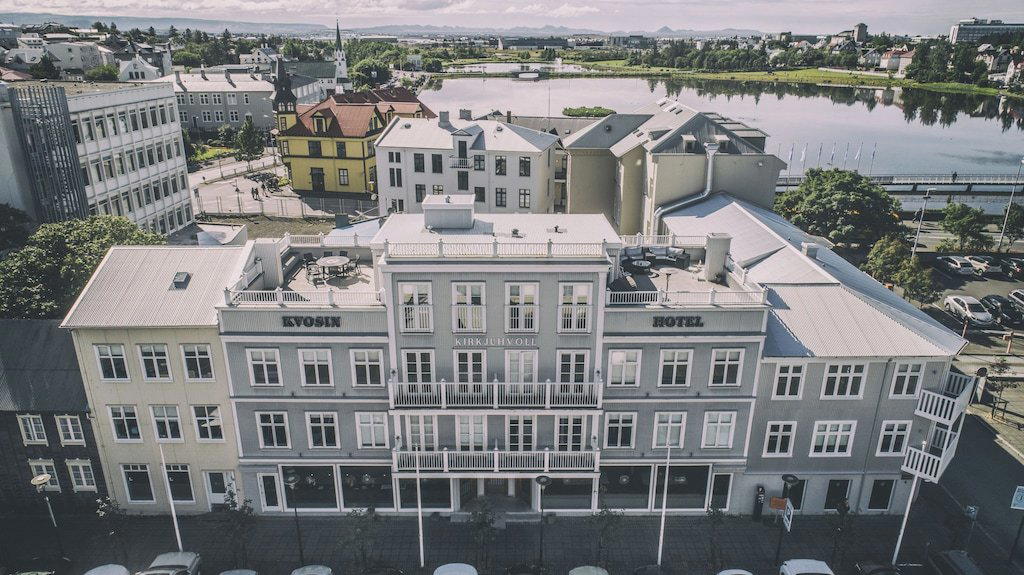
The address sits within walking distance of most central Reykjavik accommodation, making it logistically direct for visitors staying in the 101 postal district. The surrounding block is compact and navigable on foot; the Settlement Exhibition is immediately adjacent, making an evening at this address a natural pairing with an afternoon visit to the ruins beneath the street. Visitors arriving during the winter months should account for the compressed daylight window, Reykjavik in January operates on four to five hours of usable outdoor light, which tends to concentrate evening dining earlier than in summer, when the midnight sun extends the social calendar well past eleven. For visitors building a wider Iceland itinerary, the Aðalstræti block serves as a sensible anchor point from which to range outward: Friðheimar in Reykholt and Fjöruborðið in Stokkseyri represent the regional dining tradition within day-trip range, while Strikið in Akureyri anchors the north. For those connecting through Keflavik, Malai-Thai in Keflavik and Von Mathús-Bar in Hafnarfjörður are worth noting en route. For a broader orientation to where Matarkjallarinn sits within the capital's full dining picture, our full Reykjavik restaurants guide maps the scene by neighbourhood and register. For international reference points, the kind of place-driven, produce-led cooking that Nordic destinations have refined shares a commitment to sourcing and precision with restaurants like Le Bernardin in New York City, Lazy Bear in San Francisco, and Emeril's in New Orleans, even where the culinary traditions diverge. Nesjavallavirkjun in Selfoss offers a further point of comparison for those exploring Iceland's geothermal dining formats.
Continue exploring
More in Reykjavík
Restaurants in Reykjavík
Browse all →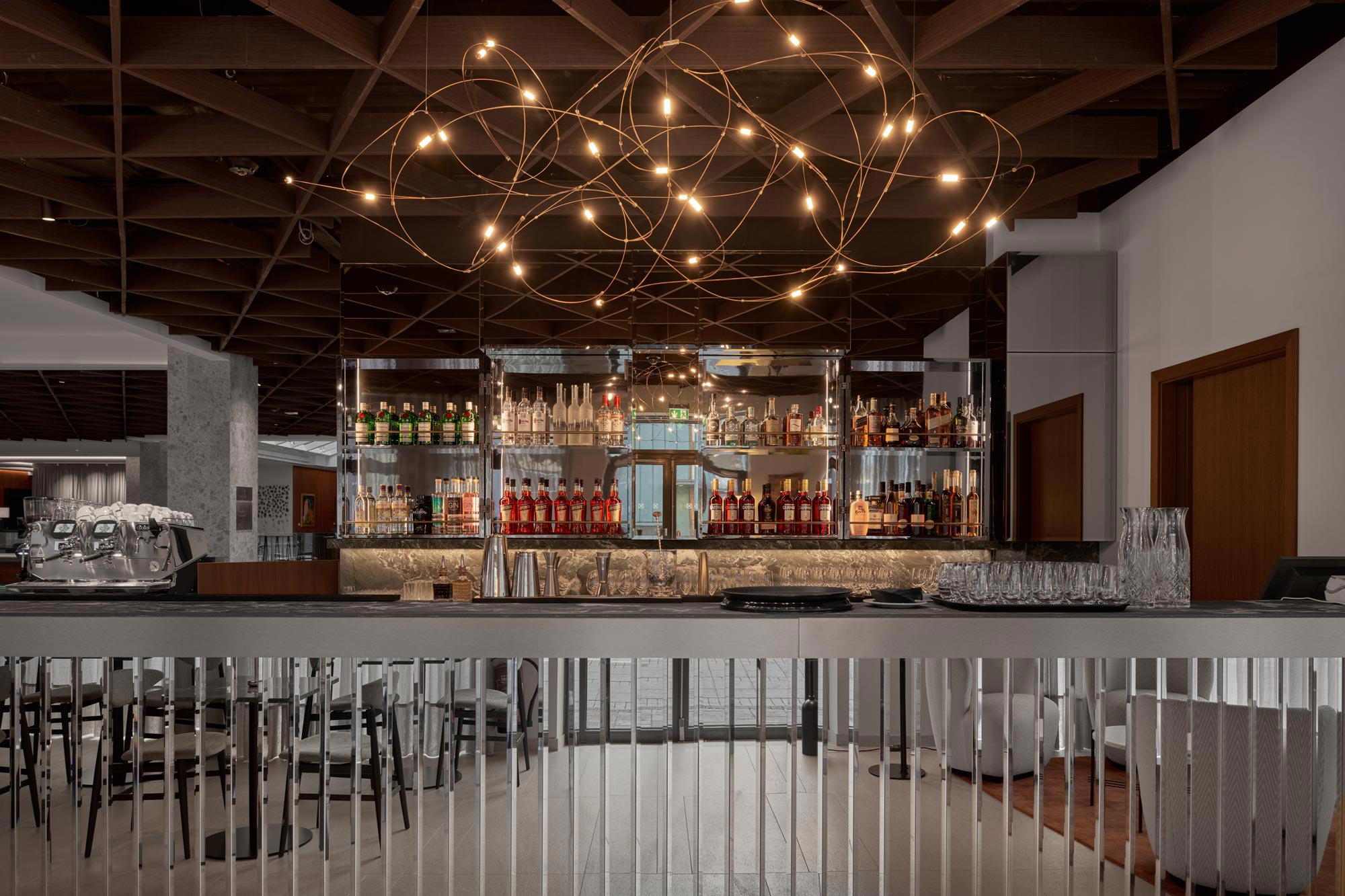
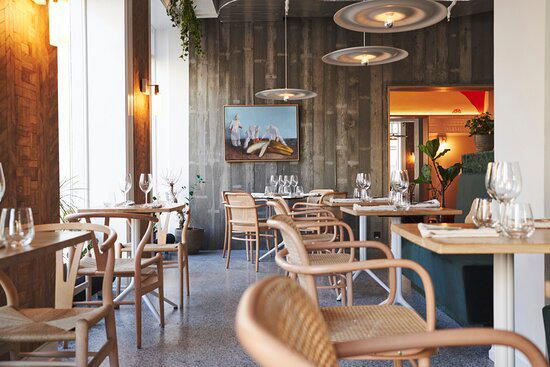
Bars in Reykjavík
Browse all →
At a Glance
- Cozy
- Elegant
- Date Night
- Special Occasion
- Group Dining
- Live Music
- Historic Building
- Craft Cocktails
- Local Sourcing
Current opening hours
- Monday
- Closed
- Tuesday
- 11:30 AM–2:30 PM, 5–10 PM
- Wednesday
- 11:30 AM–2:30 PM, 5–10 PM
- Thursday
- 11:30 AM–2:30 PM, 5–10 PM
- Friday
- 11:30 AM–2:30 PM, 5–10:30 PM
- Saturday
- 5–10:30 PM
- Sunday
- Closed
Hours can change for holidays and private events. Last verified .
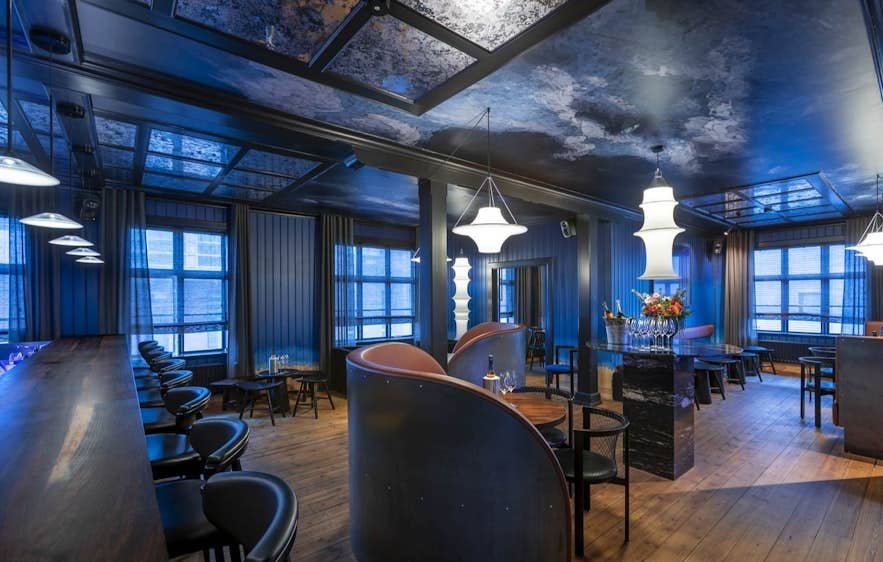
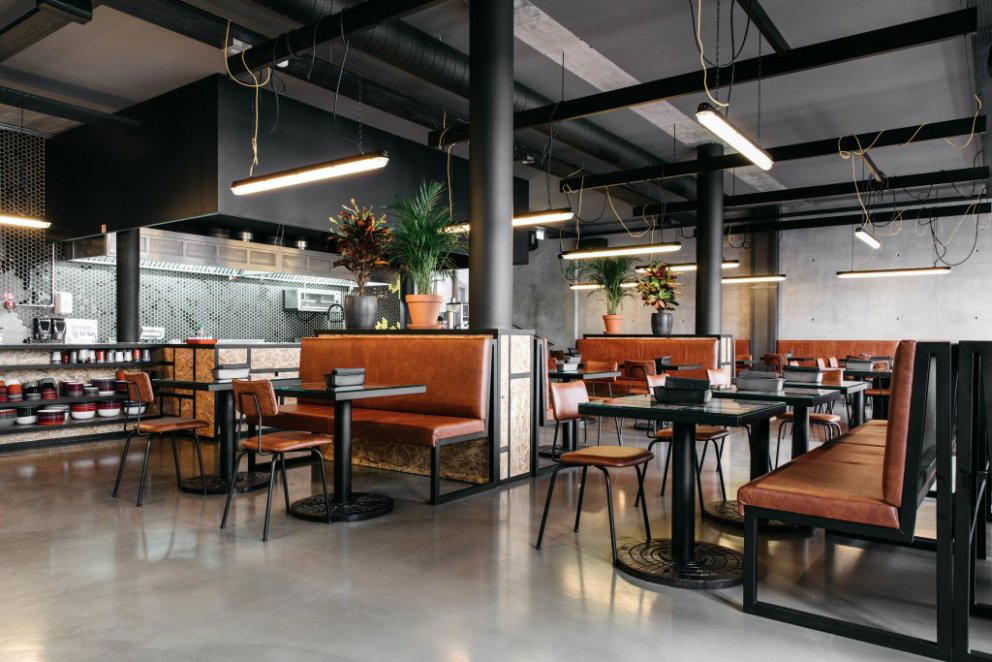
Cozy and elegant atmosphere in a historic cellar with live dinner music creating a soulful dining experience.
Know Before You Go
- Getting there
- Aðalstræti 2, 101 Reykjavík, Iceland