
Tabelog 100 #64
Our verdict
Masudaya puts Kagurazaka’s hot-pot tradition in a practical, reputation-led frame: sukiyaki, shabu shabu, and bento rather than theatrical tasting-menu dining. Its selection for Tabelog 100 Hot Pot 2024 gives the address a clear critical signal within Tokyo’s crowded Japanese restaurant field, especially for diners weighing neighborhood character against formal fine dining.

Pearl is the En Primeur Club membership app, where members save venues, book tables and use the concierge.
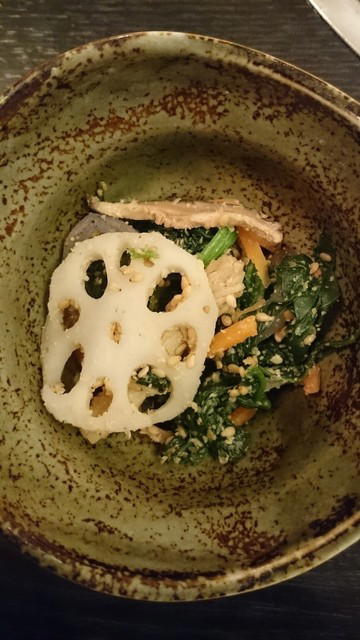
The menu
What to order
- Sukiyaki (Japanese sweet soy hotpot)
- Shabu shabu (Japanese hotpot)
- Daily bento boxes
- Croquettes
- Fried chicken
Tokyo rewards a slower approach than its glassier dining images suggest. Away from the city’s most spectacle-driven restaurant conversations, the appeal often shifts toward evening rooms built for conversation rather than performance. In that setting, hot pot has a particular logic: it is social, table-centered, and resistant to the counter-seat intensity that defines so much of the city’s sushi and kappo attention economy.
Masudaya belongs to that quieter category. The cooking is framed around sukiyaki, shabu shabu, and lunch bento, a lineup that places it inside a Japanese comfort-and-occasion tradition rather than the tasting-menu tier. The useful signal is critical reception: selection for Tabelog 100 Hot Pot 2024 puts it among a curated group of sukiyaki and shabu shabu addresses, with a Tabelog score of 3.58. In Tokyo, where scores tend to move conservatively and specialist categories are crowded, that recognition matters more than decorative language.
Tokyo hot pot with a reputation signal
Tokyo’s premium dining conversation often defaults to omakase counters, kaiseki rooms, and French-influenced dégustation formats. Hot pot runs on a different rhythm. Sukiyaki and shabu shabu are less about isolated chef performance and more about pacing, sharing, and the quality of the table format. That makes the category harder to assess from a distance; awards and category-specific lists become useful filters because they compare like with like rather than forcing hot pot into a fine-dining hierarchy it does not need.
The Tokyo setting sharpens the point. The city carries multiple dining identities at once: smaller rooms, Japanese formats, after-work meals, and polished destination dining can all sit within the same itinerary. Within that context, a hot-pot specialist reads as part of the city’s social dining infrastructure. The format is naturally suited to groups of two or more, which suits sukiyaki and shabu shabu better than solo dining anyway. It is a meal type where the table is the unit of experience.
Price also helps place the restaurant correctly. Dinner sits in the JPY 6,000 to JPY 7,999 range, while lunch is listed below JPY 999. Against comparison venues in Tokyo, it occupies a clear lane: distinct from Agezuki, EL BUEY, Kohaku, Ichiu, and jiubar, and best understood through its own sukiyaki, shabu shabu, and bento listing.
How to read the room, the format, and the category
Hot pot in Tokyo is often misunderstood by visitors who judge restaurants through chef-name visibility, tasting-menu length, or international guide badges. Here, the more revealing questions are practical and cultural: Is the restaurant category-specific? Does it appear in a hot-pot recognition list rather than a general-interest ranking? Does the room support a shared meal rather than a quick individual plate? Masudaya answers those questions with a focused category listing and Tabelog 100 Hot Pot 2024 recognition.
There is also a useful restraint in what is being sold. The available information points less toward destination-only staging and more toward the kind of everyday Tokyo dining infrastructure where the format matters as much as the ceremony. For travelers, the important planning lesson is simple: treat the meal as a shared hot-pot booking rather than as a chef-driven tasting counter. That keeps expectations aligned with the category and avoids asking sukiyaki or shabu shabu to behave like another kind of restaurant altogether.
The drinks question is best approached with the same restraint. The strongest facts here are not a pairing program or a personality-led wine list, but the category itself: sukiyaki, shabu shabu, and bento. These are formats that can support a casual evening without turning the meal into a sommelier-led exercise. The point is not maximal ceremony; it is a hot-pot table in Tokyo with enough recognition to separate it from the long middle of undifferentiated listings.
For readers mapping a wider Tokyo itinerary, Masudaya pairs better with city-led eating than with a single trophy reservation day. Nearby and related Tokyo pages are best approached as part of a broader city search rather than as direct substitutes, since Masudaya’s strongest identity is its hot-pot category. Broader planning sits in Our full Tokyo restaurants guide, with adjacent city coverage in Our full Tokyo hotels guide, Our full Tokyo bars guide, Our full Tokyo wineries guide, and Our full Tokyo experiences guide.
Where it fits for a Tokyo dining plan
The strongest case for this address is not luxury in the international sense. It is category clarity. Tokyo can make even simple decisions feel over-specified: sushi counter or kappo, yakitori or tempura, ramen queue or hotel dining room. Hot pot offers a different answer, especially when dinner can remain grounded without becoming casual by default. The Tabelog 100 Hot Pot 2024 selection gives the meal a reputation anchor, while the price band keeps it out of the city’s most expensive Japanese dining tier.
Travelers building a Japan-wide food route can use it as a Tokyo hot-pot reference point before looking outward to other regional and city dining formats. Those comparisons are most useful when kept broad: Masudaya is not trying to stand in for every Japanese comfort-food category, nor does it need to compete with unrelated destination dining. Its value is clearer when read within the hot-pot lane and judged against other Tokyo dining options generically rather than against restaurants with different purposes.
The editorial read is simple: choose this for Tokyo atmosphere, a shared hot-pot format, and a clear category award, not for chef mythology or international luxury cues. It is a Tokyo meal that makes sense when the evening calls for Japanese comfort with enough critical validation to justify choosing it over a random city listing.
Frequently asked questions
Where is Masudaya located?
Tokyo.
What's the price range at Masudaya?
Pricing at Masudaya is listed as Dinner: JPY 6,000 - JPY 7,999; Lunch: - JPY 999.
What time does Masudaya open and close?
Specific opening hours for Masudaya are not provided in the available venue facts.
What is Masudaya known for?
Masudaya is known for sukiyaki, shabu shabu, and bento in Tokyo, with Tabelog 100 Hot Pot 2024 recognition and a Tabelog score of 3.58.
Reputation First
Side-by-side context: comparable cuisine and price.
| Venue | Cuisine | Price | Awards | Notes |
|---|---|---|---|---|
| MasudayaThis venue (the venue you are viewing) | Traditional Sukiyaki & Shabu-Shabu | $50–100 | Tabelog 100 #64 | Not listed |
| tonkatsu.jp表参道 | Premium Tonkatsu Specialist | $20–30 | Tabelog 100 #86 | Omotesando |
| 麺処くるり 市ヶ谷本店 | Miso Ramen Specialist | $10–20 | Not listed | Ichigaya |
| Toyama Shiroebitei (富山白えび亭) | Toyama White Shrimp Tempura Bowls | $20–30 | Not listed | Marunouchi |
| Ogura (おぐ羅) | Traditional Oden and Yakitori Izakaya | $30–50 | Not listed | Nihonbashi |
| 鮨・四季創作 心陽 (こはる) | Fresh Sushi & Seafood Bowls | $10–20 | Not listed | Harajuku / Kita-Sando |
Recognition history
Dated appearances from independent guides and award organizations, with the underlying list record or original source where available.
Tabelog 100 #64 · No. 64
Tabelog · Tabelog 100 - Hot Pot - 2024
Continue exploring
More in Tokyo
Restaurants in Tokyo
All restaurants in Tokyo →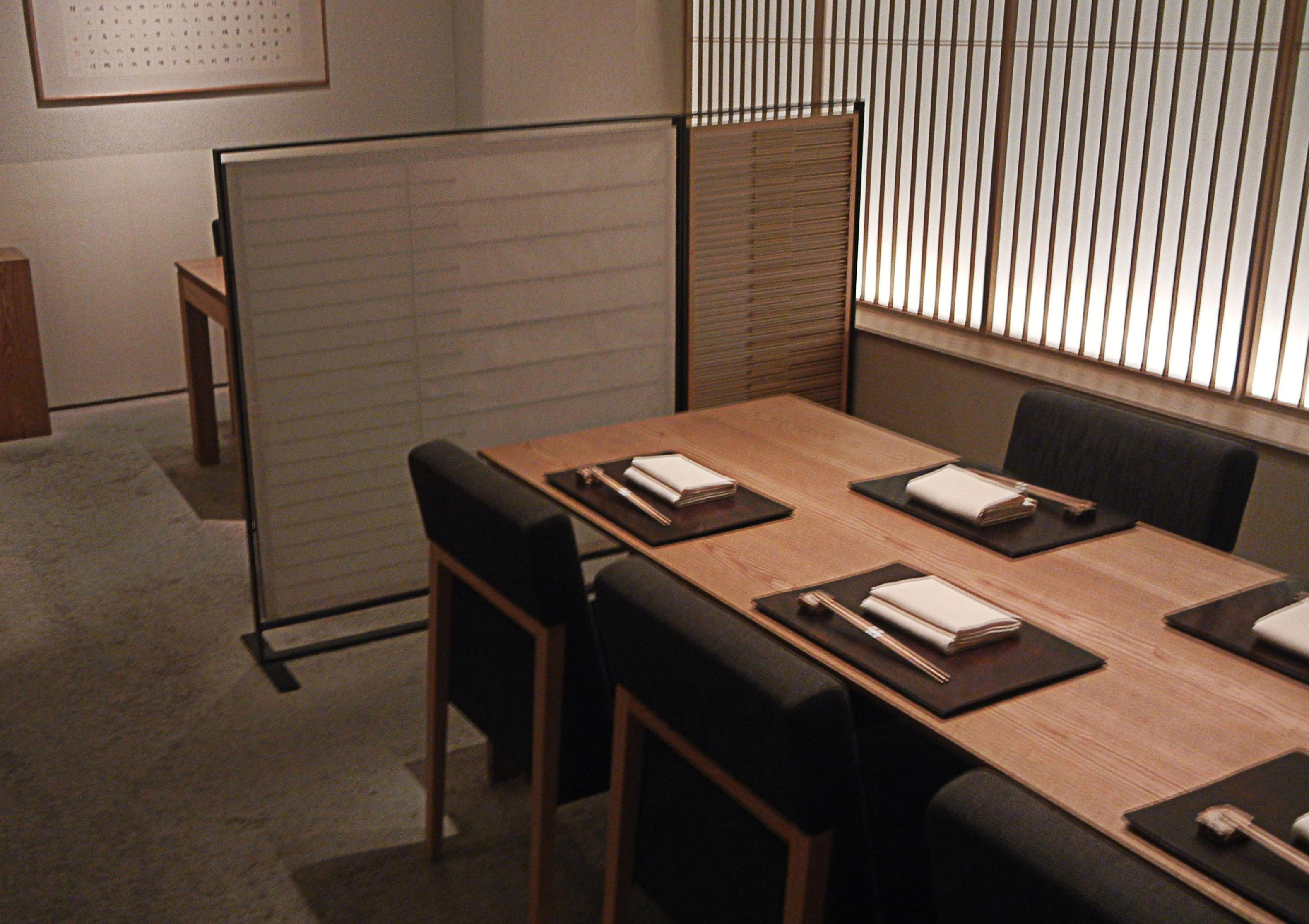

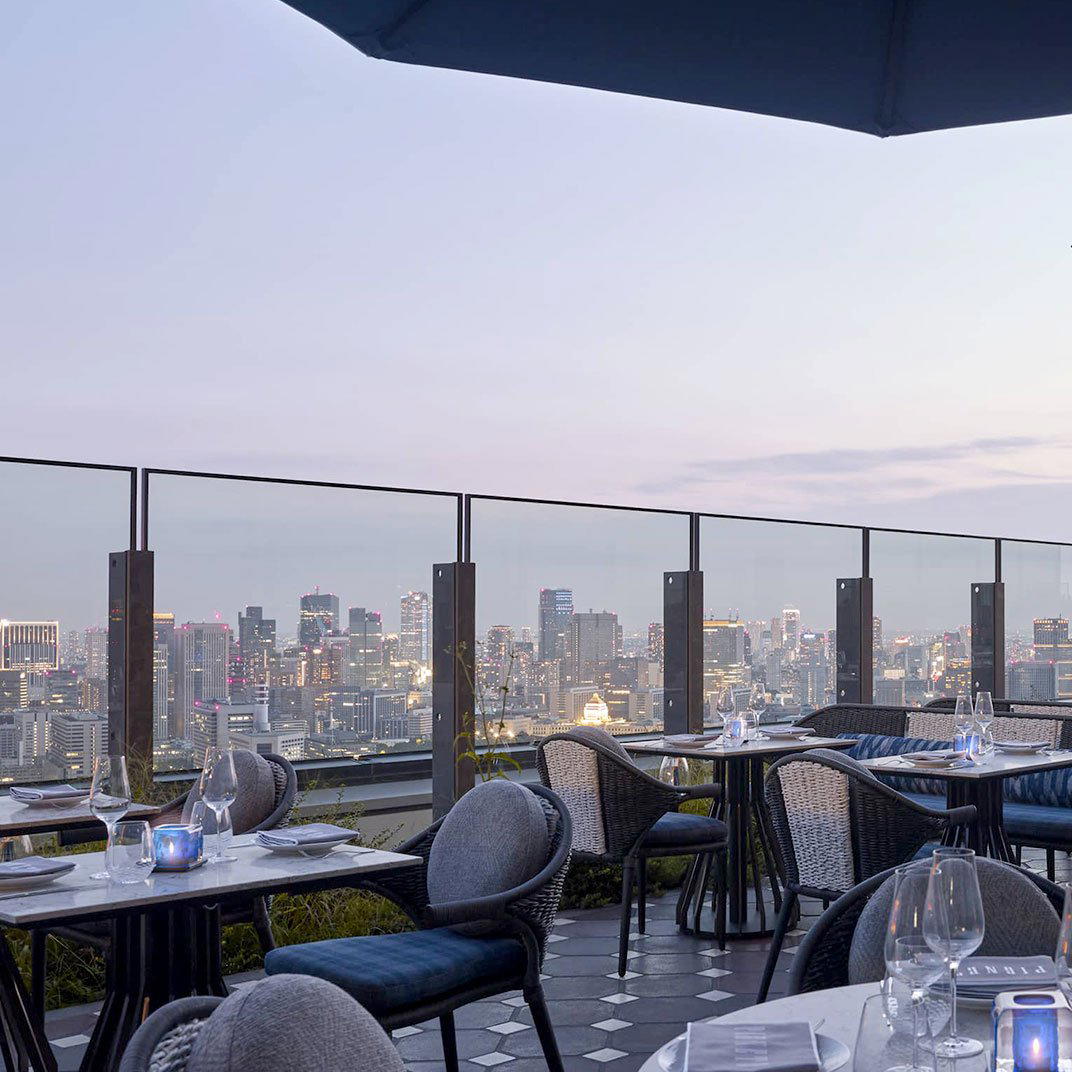

Bars in Tokyo
All bars in Tokyo →



Details
- Classic
- Cozy
- Group Dining
- After Work
- Casual Hangout
- Business Dinner
- Standalone
- Sake Program
- A La Carte
- Family Style
- Sake
- Shochu
- Wine
Current opening hours
- Monday
- 10:30 AM–1 PM, 6–9:30 PM
- Tuesday
- 10:30 AM–1 PM, 6–9:30 PM
- Wednesday
- 10:30 AM–1 PM, 6–9:30 PM
- Thursday
- 10:30 AM–1 PM, 6–9:30 PM
- Friday
- 10:30 AM–1 PM, 6–9:30 PM
- Saturday
- 6–9 PM
- Sunday
- Closed
Hours can change for holidays and private events. Hours as of .
Traditional, compact Japanese hotpot shop with simple classic interiors and sunken seating, a relaxed, non‑smoking atmosphere, and a cozy, local feel suited to small groups of friends.