Massara On Park
Massara On Park occupies a considered position on East 26th Street in the Flatiron district, drawing from the sourcing-led tradition that has reshaped New York's Italian dining tier over the past decade. The address places it close to Madison Square Park and the dense corridor of restaurants that run between Gramercy and NoMad, where ingredient provenance and format discipline increasingly define the competitive conversation.
 Discover on Pearl
Pearl is the En Primeur Club membership app — saves, bookings, and concierge access live there. Same editors, same standards.
- Address
- 48 E 26th St, New York, NY 10010
- Phone
- +16462120913
- Website
- massara.nyc
Where Flatiron's Italian Dining Has Landed
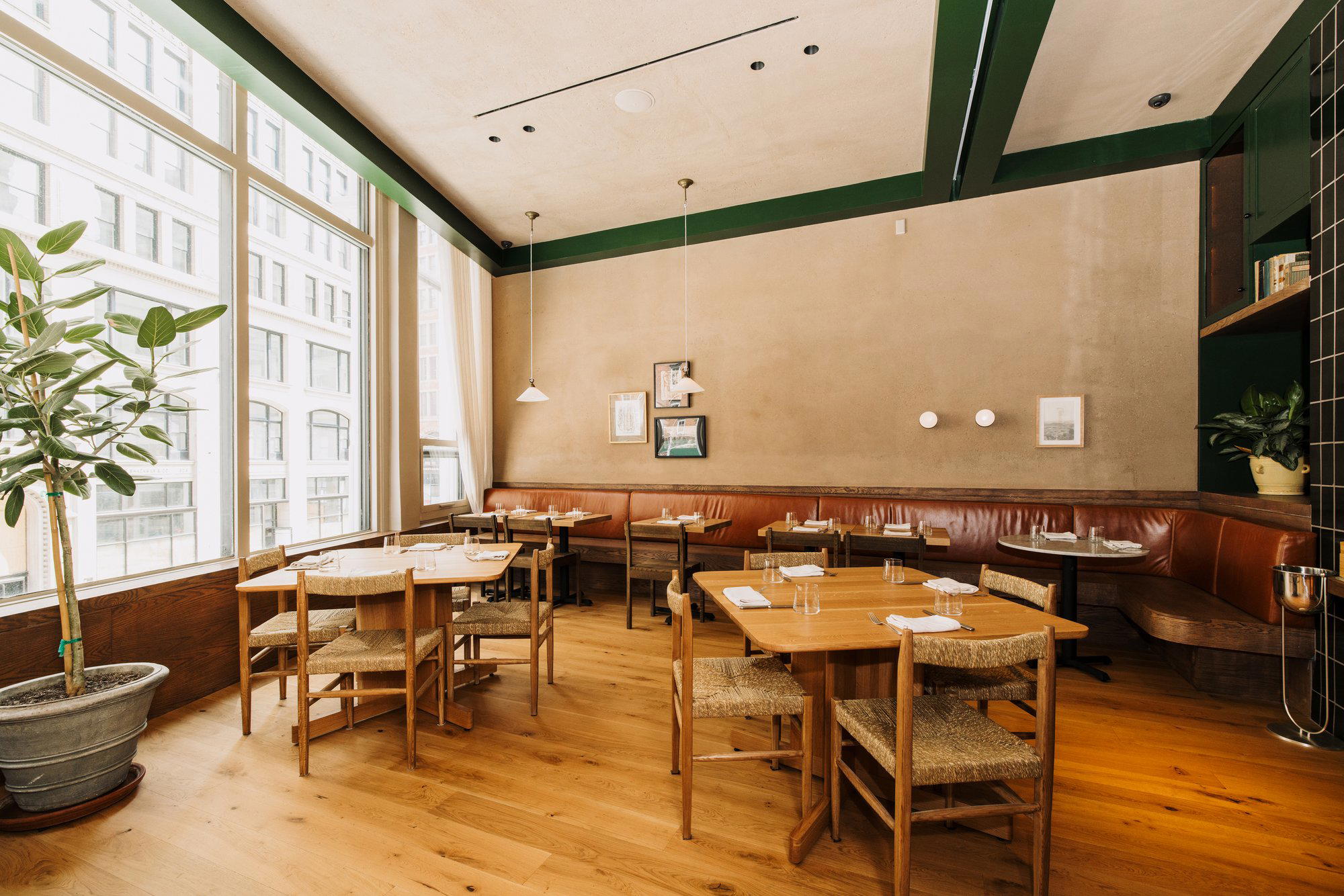
New York's Italian restaurant category has undergone a slow but consequential split over the past fifteen years. On one side sit the red-sauce institutions and the white-tablecloth expense-account rooms that survived on tradition and loyalty. On the other, a younger cohort of kitchens has reframed what Italian cooking in the city can mean: tighter sourcing networks, seasonal menus with hard limits on what travels and what doesn't, and a compositional restraint that owes as much to the produce as to the technique. Massara On Park, at 48 East 26th Street, is a Modern Campania Italian restaurant in Flatiron, New York City.
East 26th between Park and Madison sits inside a corridor that has developed real dining density over the past decade, anchored by Madison Square Park to the north and framed by the Gramercy and NoMad neighbourhoods pressing in from either side. The area draws a lunch crowd that rewards precision and an evening crowd that tends to stay longer. Restaurants in this band compete less on spectacle and more on consistency of execution and the integrity of what they put on the plate.
The Sourcing Argument
Italian cooking, at its most serious, is fundamentally an argument about ingredients. The canonical preparations, a pasta dressed in nothing but aged cheese and rendered fat, a fish cooked with olive oil and herbs, a vegetable given heat and time, succeed or fail almost entirely on what was sourced and how recently. This is the tradition Massara On Park is entering, and it is a demanding one.
New York has the infrastructure to support high-end sourcing at a level few American cities can match. The Greenmarket at Union Square, a fifteen-minute walk from East 26th Street, runs year-round and connects kitchens to Hudson Valley farms, Long Island fisheries, and upstate dairy operations. The broader tristate region supplies heritage grains, foraged produce, and small-batch cured meats that have become standard reference points for kitchens working in this mode. Restaurants like Blue Hill at Stone Barns in Tarrytown established the template for American farm-to-table seriousness, and that benchmark has raised expectations across the city's ingredient-led dining tier, including for Italian kitchens that might once have relied on imported products alone.
The conversation about sourcing has also gone international in instructive ways. Kitchens drawing on Italian tradition now navigate a choice: lean into domestic product and seasonal availability, import the specific Italian ingredients that have no credible domestic substitute, or find a productive tension between both. The strongest rooms in this category tend to hold a clear position on that question rather than hedging. Where Massara On Park falls on that spectrum will be a primary signal of its editorial identity as it develops its track record.
The Flatiron Competitive Set
The immediate peer group for a sourcing-led Italian room in this part of Manhattan is more competitive than the neighbourhood's relative calm might suggest. New York's dining scene, even at the upper-middle tier below the stratospheric price points of Masa or Per Se, rewards specificity and punishes vagueness. Rooms that succeed in this band tend to have a defined point of view on format, a sourcing story they can substantiate on the plate, and a service register that matches the price expectation without tipping into formality.
Across American cities, the sourcing-led fine-casual Italian format has proven durable. Operations like Single Thread Farm in Healdsburg have demonstrated how rigorous ingredient provenance can anchor an entire dining identity, while restaurants in adjacent categories, such as Providence in Los Angeles for seafood and Bacchanalia in Atlanta for Southern-inflected market cooking, have shown how sourcing discipline translates across formats and regions. The Italian version of this argument is arguably the most legible to a broad dining public, given how embedded the idea of regional Italian provenance already is in food culture.
In New York specifically, the upper register of the restaurant category is anchored by rooms like Le Bernardin for classical French seafood and Atomix and Jungsik New York for Korean fine dining. Italian cooking at the serious end occupies a different position in that hierarchy: it tends to prize warmth and accessibility over the formal remove that some multi-course tasting rooms project. That accessibility, when executed well, is a competitive advantage rather than a concession.
How to Approach a Visit
East 26th Street is walkable from the 6 train at 28th Street or the N and R at 28th Street on Broadway, both a short distance from the restaurant's front door. The Flatiron location means midday and early evening hours tend to fill with neighbourhood professionals, while later sittings draw a more diverse mix.
Comparison points worth holding in mind include Emeril's in New Orleans for the American chef-driven restaurant that built its identity on regional ingredient stories, and Lazy Bear in San Francisco for a format that committed hard to a sourcing and community-led ethos and found a loyal audience for it. Alinea in Chicago and The French Laundry in Napa represent the ceiling of American fine dining ambition, and Addison in San Diego and The Inn at Little Washington demonstrate how format discipline sustains a room over decades. Internationally, 8 1/2 Otto e Mezzo Bombana in Hong Kong and Alain Ducasse at Louis XV in Monte Carlo illustrate how Italian and French fine dining traditions travel and adapt to new contexts.
Where It Fits
Comparable venues nearby, for context on price, style, and recognition.
| Venue | Cuisine | Price | Awards | Notes |
|---|---|---|---|---|
| Massara On ParkThis venue — the venue you are viewing | Modern Campania Italian | $$$ | , | |
| Dante NYC | Modern Italian Aperitivo Bar | $$$ | , | Greenwich Village |
| A Pasta Bar | Modern Italian Pasta Bar | $$$ | , | SoHo-Little Italy-Hudson Square |
| Arte Cafe | Upscale Italian with Artisanal Pizzas | $$$ | , | Upper West Side-Lincoln Square |
| Lucciola | Fine Dining Italian | $$$ | , | Upper West Side (Central) |
| Sotto la Luna | Modern Italian Neapolitan Pizza | $$$ | , | Astoria (Central) |
Continue exploring
More in New York City
Restaurants in New York City
Browse all →
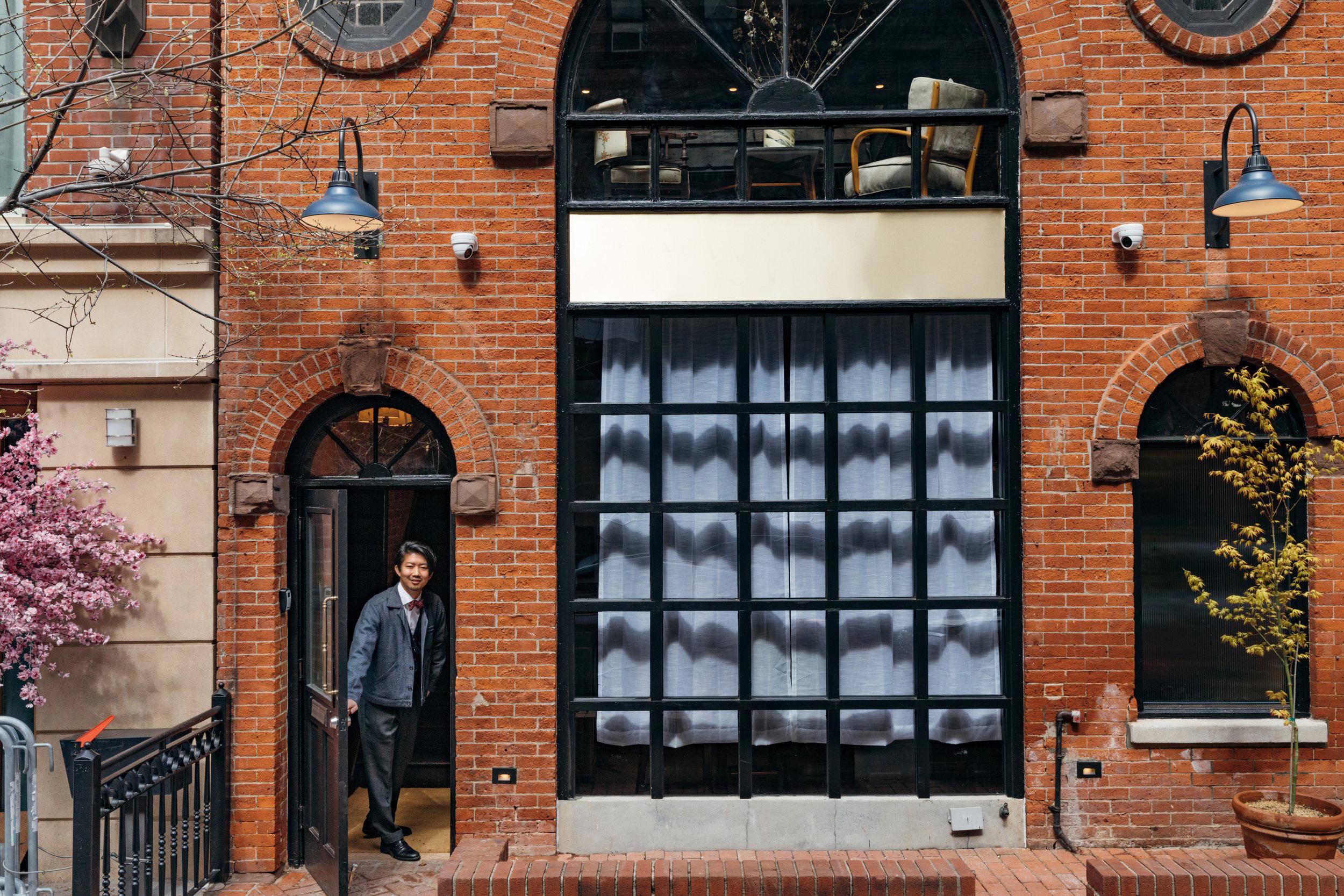
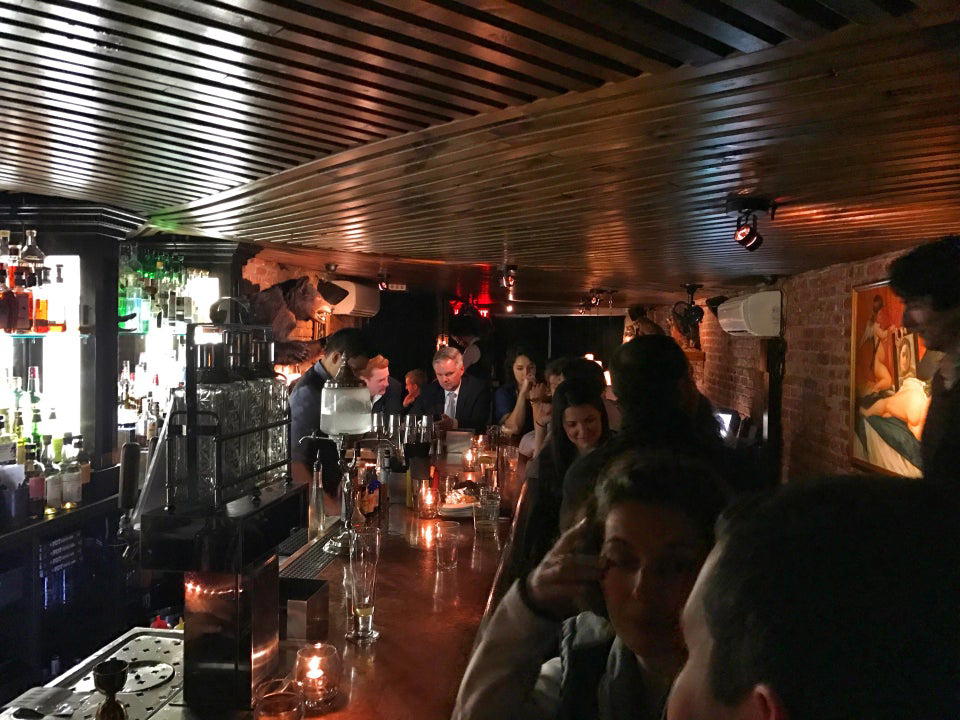
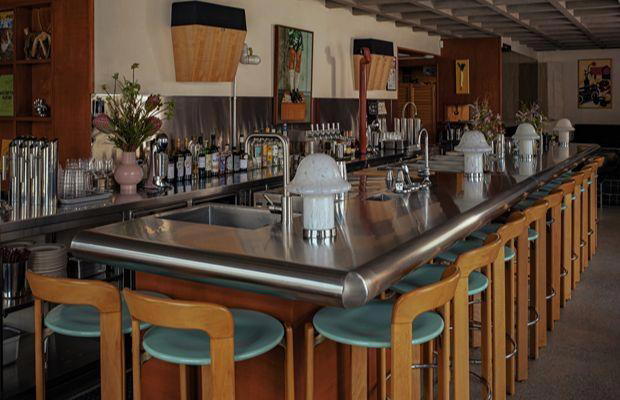
Bars in New York City
Browse all →
Hotels in New York City
Browse all →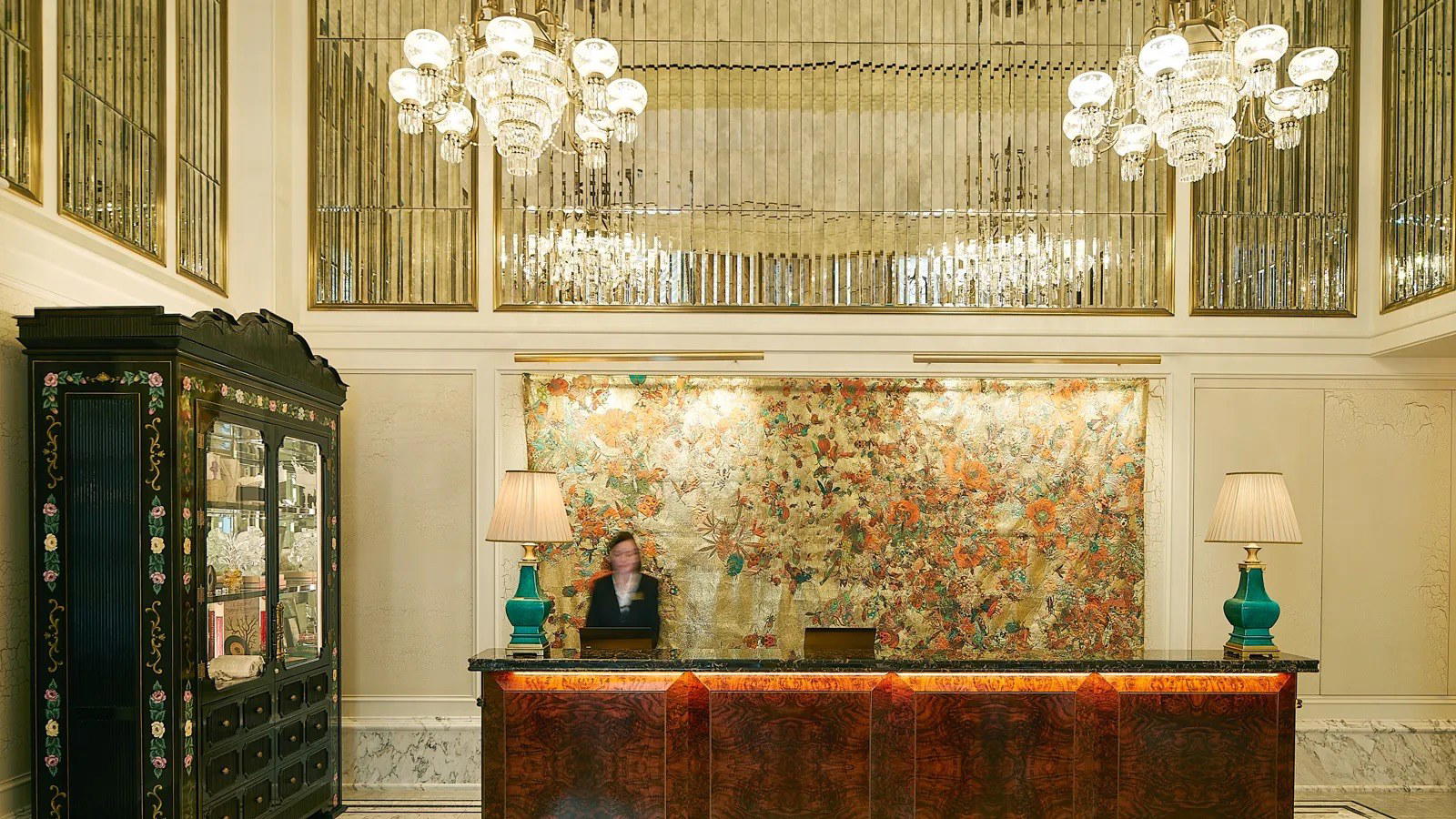


At a Glance
- Elegant
- Sophisticated
- Lively
- Date Night
- Special Occasion
- Open Kitchen
- Craft Cocktails
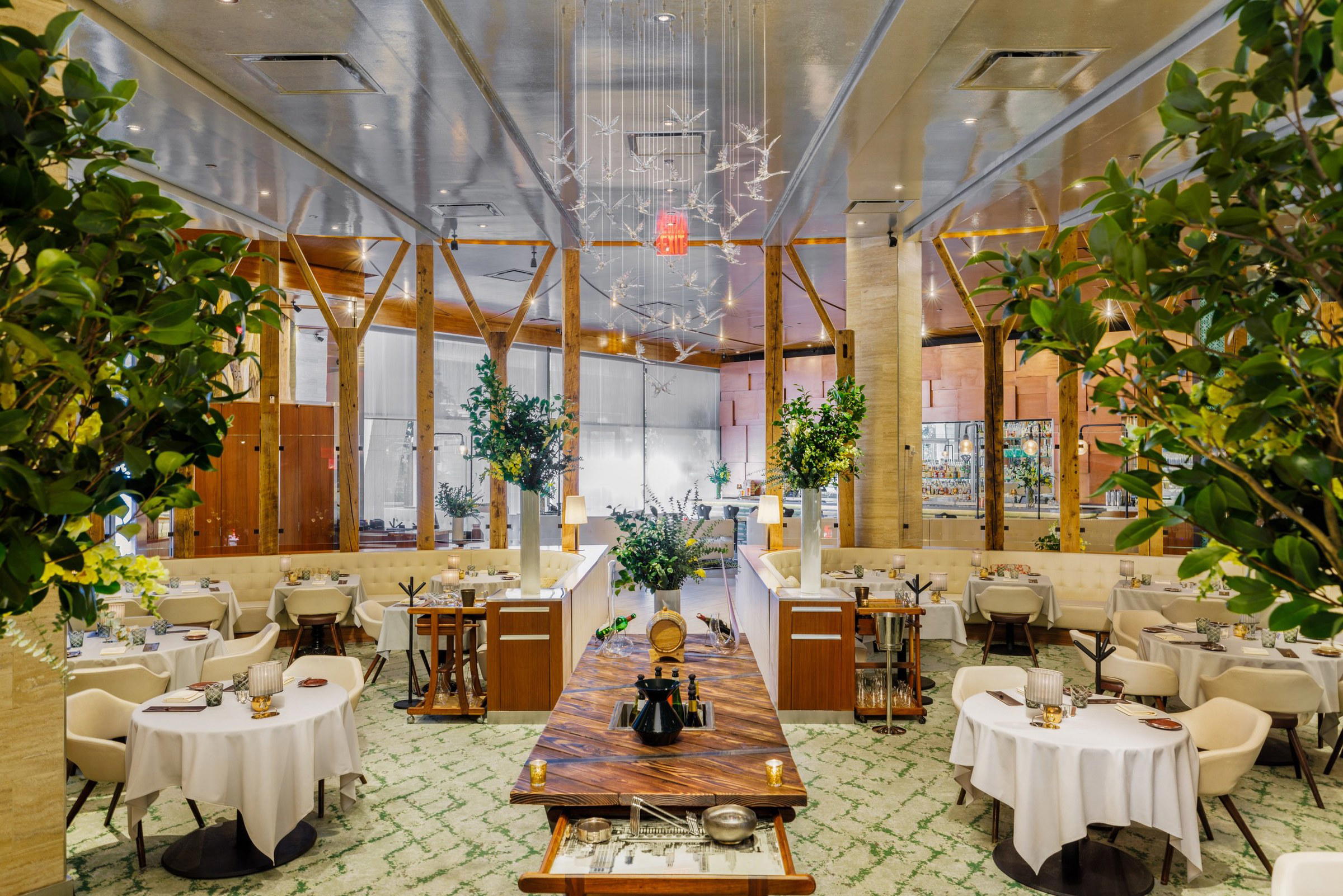
Vibrant and elegant atmosphere highlighting clever Southern Italian cooking in a modern setting.