A Pasta Bar
Our verdict
"An Italian-style pasta bar in the middle of downtown Manhattan? Sign us up, per favore. Menu highlights at A Pasta Bar include cacio e pepe, 24-karat gold-flecked squid ink spaghetti, and wine. Lots and lots of wine. Do this one for the ‘gram."

Pearl is the En Primeur Club membership app, where members save venues, book tables and use the concierge.

The menu
What to order
- Chiocciole Al Ragu
- Spaghetti Quattro Pomodori
- Tonnarelli Cacio e Pepe
The Ingredient Argument Behind a Single-Focus Menu
The narrower a menu's focus, the more exposed its sourcing becomes. A restaurant anchored around pasta, its architecture, its texture, its sauce compatibility, has nowhere to hide if the flour, the eggs, or the water are wrong. This is the defining pressure of single-subject Italian cooking in New York, a city where the competition for ingredient credibility is fierce and where diners in 2024 are increasingly attentive to provenance. The broader American dining movement toward supply-chain transparency, visible at farm-anchored destinations like Blue Hill at Stone Barns in Tarrytown and Single Thread Farm in Healdsburg, has reached pasta kitchens as much as it has tasting-menu temples.
In Italian culinary tradition, pasta quality is a function of grain variety, milling freshness, egg yolk ratio, and the hands that shape it. A kitchen that commits to hand-rolled or hand-cut pasta daily is making an implicit sourcing argument: that the raw material is worth the labor differential. The bar format compounds this. A counter or bar configuration, by compressing the service theater into a smaller footprint, directs the diner's attention toward the plate and the process rather than the room. It is a format that has proliferated in serious Italian cooking across American cities precisely because it suits the transparency that ingredient-led kitchens want to project.
Where A Pasta Bar Sits in New York's Italian Dining Tier
New York's Italian restaurant spectrum runs from red-sauce institutions with decades of neighborhood loyalty to modernist tasting menus that treat pasta as a single course in a longer Italian-inflected progression. A Pasta Bar occupies a distinct position in that range: a focused, pasta-centric concept in a SoHo address, operating at a price and format point that separates it from casual trattoria dining without competing directly against the multi-course Italian fine dining tier.
A Pasta Bar's competitive frame is the mid-to-upper casual Italian niche: a guest choosing between it and a neighborhood osteria, or a visiting diner deciding whether a pasta-focused concept justifies a detour from the city's broader fine dining options. The SoHo location reinforces this positioning. The neighborhood draws international visitors alongside local regulars, which means a pasta bar at this address is effectively communicating to a global audience accustomed to regional Italian specificity.
The comparison that matters most for A Pasta Bar is not with Le Bernardin or Jungsik New York, but with the wave of single-subject Italian concepts that have opened across American cities in recent years. Across the country, kitchens with a similarly disciplined approach, whether at Alinea in Chicago's broader modernist context or at the farm-to-table rigor of Providence in Los Angeles, have demonstrated that a narrow menu mandate, when executed with sourcing discipline, can sustain serious critical and commercial attention. The pasta-bar format is one expression of that broader trend.
The Format and What It Demands
A bar or counter format for pasta changes the service contract with the guest. Unlike a full-service dining room, where the pacing is managed across multiple courses and the room absorbs the wait, a counter configuration asks the kitchen to perform in view and asks the diner to engage with that performance. It shortens the distance between production and consumption, which is both a feature and a constraint. The format works when the kitchen has the confidence, and the sourcing depth, to let the pasta itself carry the evening.
Across Italian dining broadly, this approach has precedent in the pasta bars of Bologna and the laboratori of Emilia-Romagna, where fresh pasta production is a public act and the quality of the raw ingredients is the default conversation. Transplanting that model to a SoHo address involves a translation: the New York diner brings different expectations around pacing, natural wine, and small-plate structure, and the most successful pasta-focused concepts in American cities have learned to negotiate that translation without losing the sourcing integrity that makes the format compelling in the first place. SoHo's dining rooms fill quickly on weekend evenings, and counter-format restaurants in particular move at their own pace, so arriving with time to settle is advisable. Those planning a broader New York dining itinerary will find additional context in our full New York City restaurants guide.
For travelers building a wider American itinerary around serious food, the networks that connect A Pasta Bar's pasta-forward ethos to ingredient-led kitchens elsewhere are visible at Emeril's in New Orleans, Lazy Bear in San Francisco, Addison in San Diego, The French Laundry in Napa, The Inn at Little Washington, and Bacchanalia in Atlanta. For the European reference point on Italian fine dining at its most formal, 8 1/2 Otto e Mezzo Bombana in Hong Kong and Alain Ducasse at Louis XV in Monte Carlo represent the upper tier of the format's competitive international context.
Frequently asked questions
What dish is A Pasta Bar famous for?
What is the ideal way to book A Pasta Bar? If advance reservations are available, securing one ahead of arrival is advisable for dinner. For the current booking method, whether that is a reservation platform or walk-in policy, checking directly with A Pasta Bar before your visit will give you the most accurate picture.What is the standout thing about A Pasta Bar?
How does A Pasta Bar handle allergies?
Is a meal at A Pasta Bar worth the investment?
Does A Pasta Bar make its pasta in-house, and how does that affect the dining experience?
Awards and Standing
A short peer table to compare basics side-by-side.
| Venue | Cuisine | Price | Awards | Notes |
|---|---|---|---|---|
| A Pasta BarThis venue (the venue you are viewing) | Modern Italian Pasta Bar | $50–100 | Not listed | Not listed |
| Le Bernardin | French Seafood Fine Dining | $300–500 | 3 Michelin Stars · World's 50 Best #13 | French, Seafood |
| Atomix | Modern Korean Tasting Menu | $300–500 | 2 Michelin Stars · World's 50 Best #7 | Modern Korean, Korean |
| Masa | Traditional Japanese Omakase | $500+ | 2 Michelin Stars · World's 50 Best #27 | Sushi, Japanese |
| Per Se | French Fine Dining Tasting Menu | $300–500 | 3 Michelin Stars · World's 50 Best #40 | French, Contemporary |
| Jungsik New York | Modern Korean Fine Dining | $200–300 | 3 Michelin Stars · World's 50 Best #18 | Progressive Korean, Korean |
Continue exploring
More in New York City
Restaurants in New York City
All restaurants in New York City →
Bars in New York City
All bars in New York City →





Details
- Elegant
- Lively
- Modern
- Trendy
- Date Night
- Special Occasion
- Open Kitchen
- Craft Cocktails
- Farm To Table
- A La Carte
- Prix Fixe
- Vegetarian Friendly
- Vegan Options
Current opening hours
- Monday
- 5–11 PM
- Tuesday
- 5–11 PM
- Wednesday
- 5–11 PM
- Thursday
- 5–11 PM
- Friday
- 12–11:30 PM
- Saturday
- 12–11:30 PM
- Sunday
- 12–11 PM
Hours can change for holidays and private events. Hours as of .
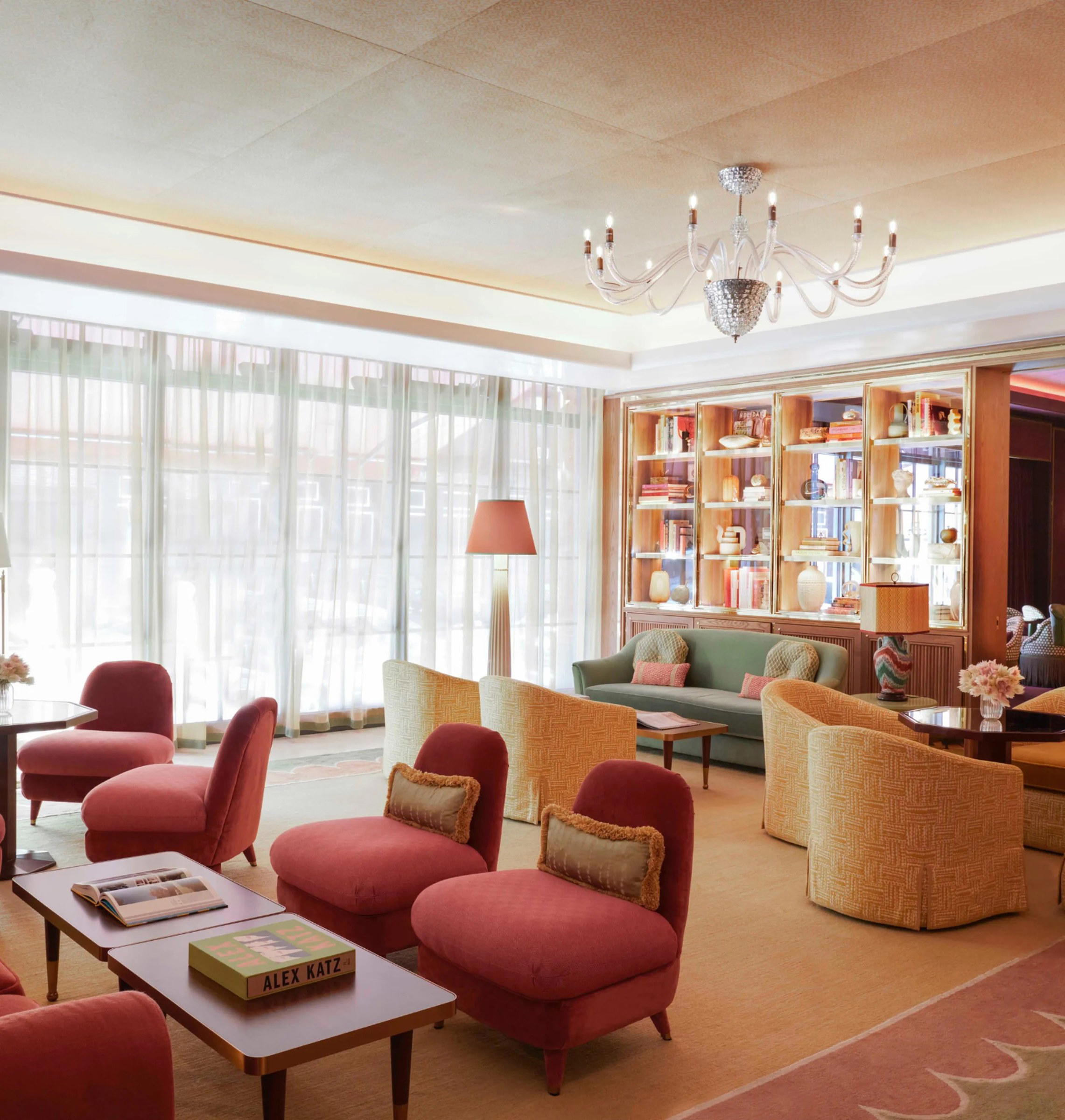
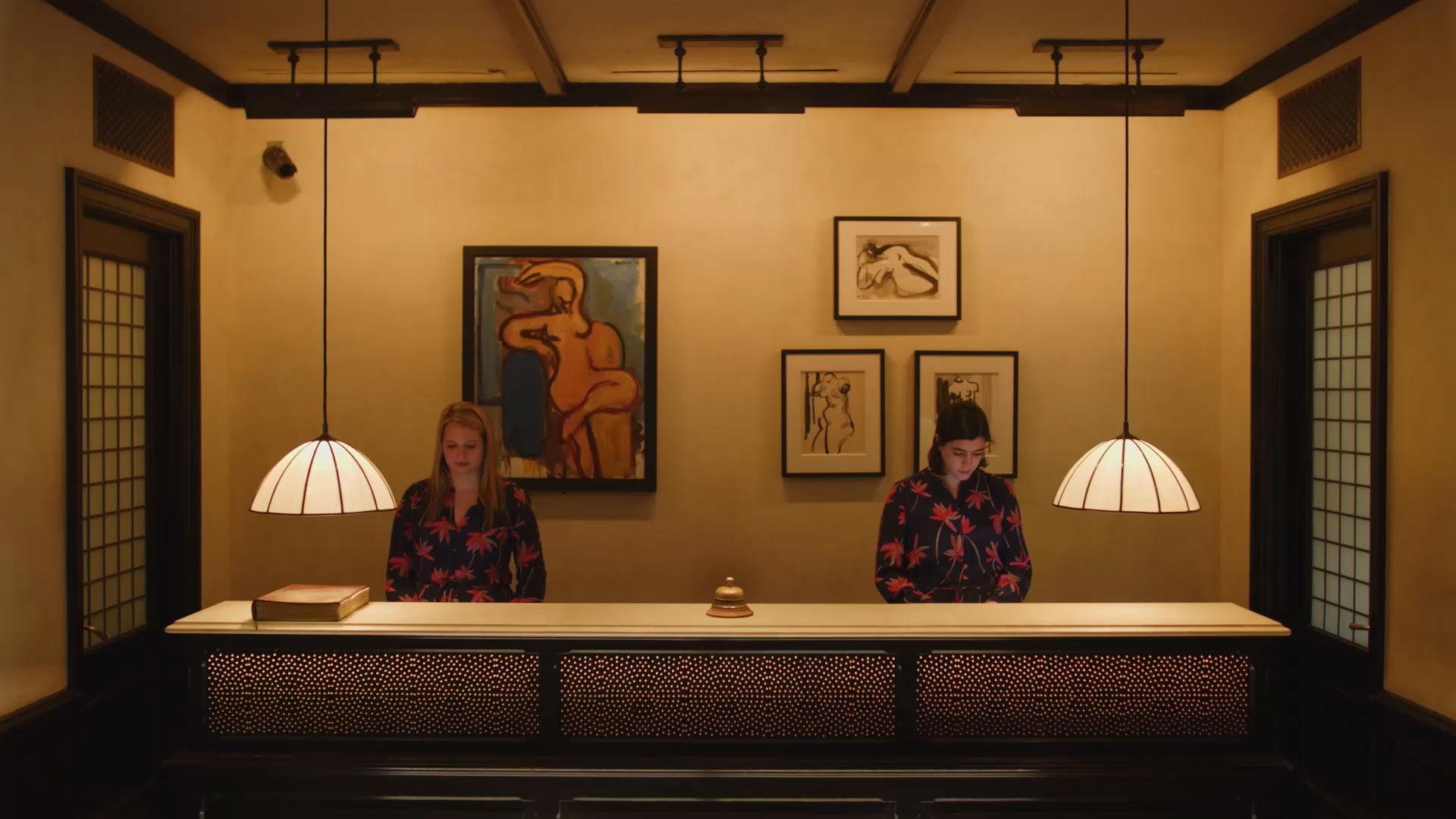
Refined yet lively atmosphere with contemporary décor, elegant open-air kitchen, and warm hospitality.