Tabelog 100 #6
Our verdict
Yamanekoken serves Traditional Japanese Kaiseki & Omakase at 1 Chome-5-17 Marunouchi, with formal, leisurely dinner service and Tabelog 100 #6 recognition in 2025.

Pearl is the En Primeur Club membership app, where members save venues, book tables and use the concierge.
The menu
What to order
- Puffer fish soup
- Mishima beef
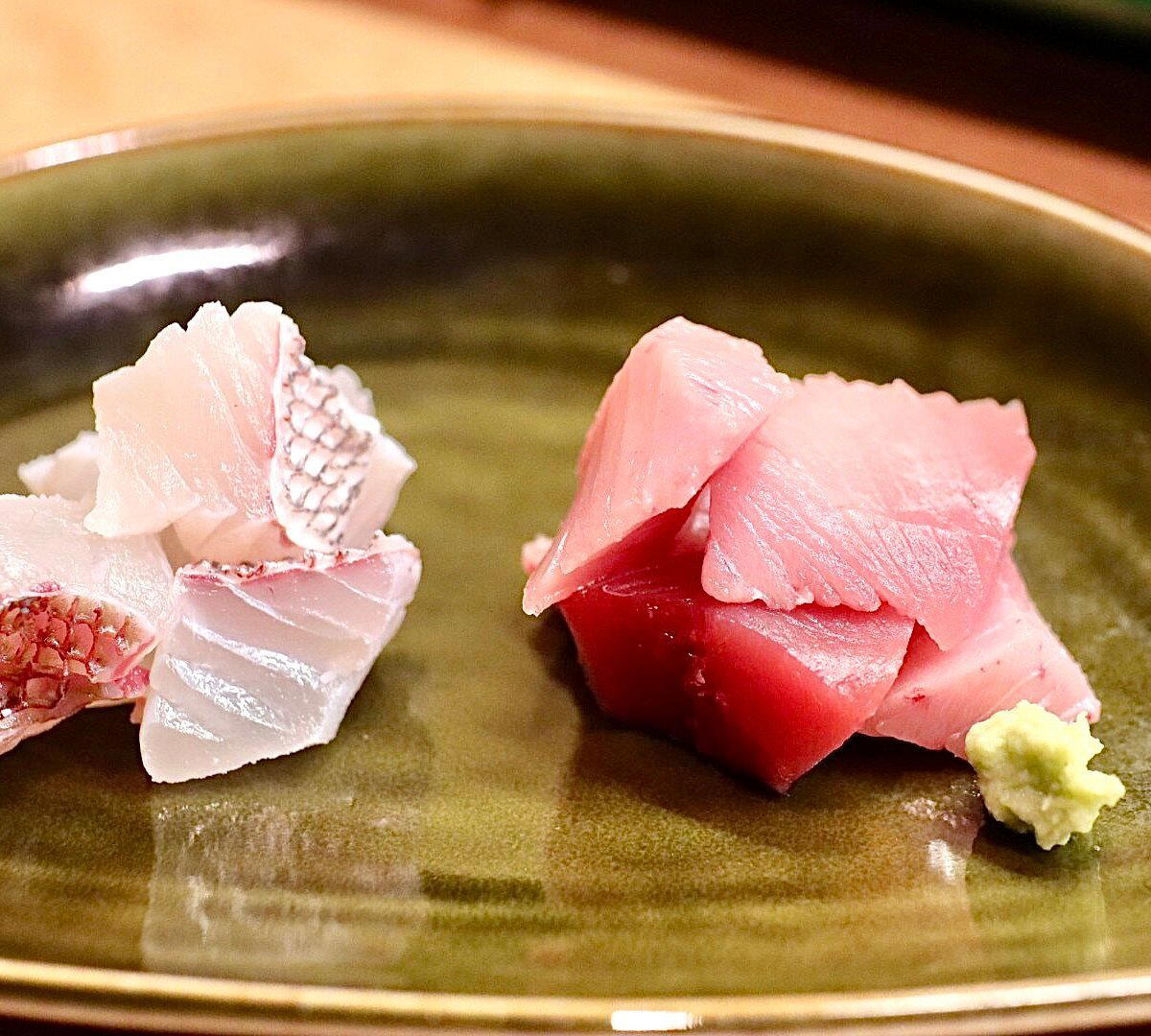
- Sea urchin sashimi
- Foie gras
- Aomori lamb
Marunouchi After Dark: The Neighbourhood That Regulars Claim as Their Own
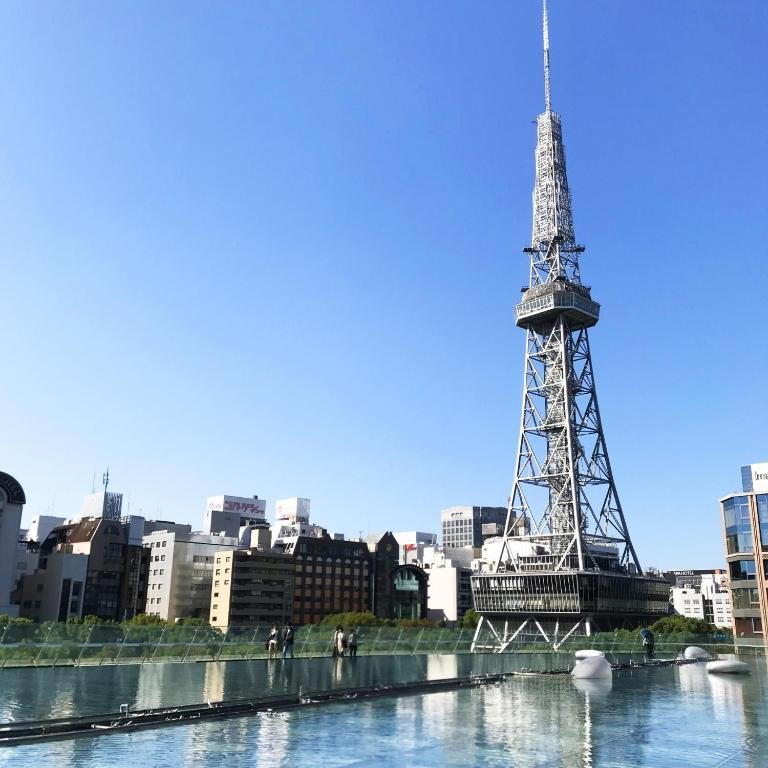
The Marunouchi district of Naka Ward sits at the administrative core of Nagoya, a few minutes' walk from the castle grounds and the city's main business corridors. By early evening, the streets quieten in a way that central Osaka or Tokyo rarely allow. It is the kind of setting that selects for a particular diner: one who already knows where they are going, has been before, and does not need a lit sign or a queue outside to feel confident in the choice. Yamanekoken occupies this territory, in a city that has historically asked visitors to work a little harder to find its leading tables.
Nagoya's restaurant culture has long operated at one remove from the national conversation. The city's own culinary dialect, centred on dishes like hitsumabushi and miso-braised katsu, absorbs most of the attention, while the finer, quieter rooms accumulate loyal local followings without much outside noise. That pattern is visible across the Nagoya dining scene: venues like Atsuta Horaiken (あつた蓬莱軒 本店) draw on deep civic tradition, while a separate tier of more intimate rooms operates largely on recommendation and repeat business. Yamanekoken belongs to the latter cohort.
What the Regulars Know
The clearest signal of a room's standing in Japan is not its awards page or its press clippings. It is the composition of the dining room on a Tuesday. Venues in Nagoya that survive on tourism or novelty tend to concentrate their business on weekends and public holidays. Rooms with a core of regulars hold differently: the service rhythm is calibrated to guests who do not need explanation, the pacing is faster or slower depending on who has come in, and the kitchen reads the room rather than executing a fixed script.
This dynamic is particularly pronounced in Japanese dining, where the relationship between a regular guest and a small kitchen can extend across years or decades. What keeps people returning is rarely a single dish or a spectacular room. It is the accumulation of small reliabilities: a greeting that acknowledges the gap since the last visit, a portion adjusted without being asked, a course that appears because something came in that morning and the kitchen remembered a preference. These are not things that appear on a menu or in a review. They are the unwritten curriculum of a room that has earned its regulars.
Nagoya's position on the Tokaido shinkansen corridor, between Tokyo and Osaka, means that serious diners passing through have options at both ends of the spectrum. Counters in Tokyo like Harutaka and kaiseki rooms in Kyoto like Gion Sasaki set a high bar for what small, focused rooms can deliver. Nagoya's leading rooms compete in that context without necessarily advertising against it. The city also supports a range of Italian and French crossover cooking: Bacio, Chez Kobe, and cucina Wada each occupy distinct positions in that spectrum, alongside Cucina Italiana Gallura, which works across culinary registers. Yamanekoken operates in a parallel lane, drawing from a different tradition and a different clientele.
The Marunouchi Address and What It Implies
An address in Chome-5-17 Marunouchi is not a destination address in the way that a Ginza or a Gion location might be. There is no foot traffic to harvest, no cluster of comparable rooms to anchor a dining itinerary around. A venue that operates here does so because its guests come specifically for it, not because they were passing. That structural condition shapes everything: the noise level, the seat count, the relationship between kitchen and floor, and the implicit contract with anyone who walks in for the first time.
Across Japan, this kind of address pattern shows up in rooms that prioritise repeat business over discovery. It appears in Fukuoka at places like Goh, in Osaka at HAJIME, and in smaller cities where the dining culture is dense but not conspicuous. In Nara, akordu operates on a similar logic: a room that requires a decision to visit rather than a chance encounter. The geography of Japanese serious dining is full of these addresses, and Marunouchi in Nagoya is a credible entry in that register.
Placing Yamanekoken in the Nagoya Tier
Nagoya's dining tier for small, focused rooms sits below the density of Tokyo or Kyoto but above what most international visitors expect. The city has its own Michelin-tracked ecosystem, and several rooms in the Naka Ward area have accumulated recognition over the past decade. Comparison venues in the same general corridor, including rooms focused on French technique and Italian produce sourcing, suggest that Nagoya's upper-mid tier is more competitive than its national profile implies.
Rooms at this level in Japanese cities tend to share certain operational characteristics: limited seating, reservation-led business, and a menu logic that responds to seasonal availability rather than a fixed card. The guest who arrives with prior knowledge of how to engage with that format, what to order first, how to pace the evening, extracts substantially more from the experience than one who arrives cold. That gap is what regulars exploit, and it is what gives rooms like Yamanekoken their particular character.
For readers building a broader Japan itinerary, the context extends nationally. Venues like 三本木 川魚製 in Nanao, 夕伏山乃 in Sapporo, 湖畔荘 in Takashima, and 庄羽屋 in Nishikawa Machi all represent the same logic: rooms defined by their guest relationships and local specificity rather than national visibility. Birdland in Sakai follows a comparable pattern in Osaka's orbit. Internationally, the tradition of room-that-rewards-the-regular has its own reference points: Le Bernardin in New York and Atomix each, in different ways, maintain a core of guests who extract more from the format than first-timers can.
Planning a Visit
Marunouchi is accessible from Nagoya Station in under ten minutes by the Tsurumai or Sakura-dori subway lines, with the closest stop placing visitors a short walk from the Chome-5-17 address. For anyone combining this with wider Nagoya dining, the full Nagoya restaurants guide maps the city's ranges and neighbourhoods in more detail. Given the venue's position in a quiet business district rather than a dining corridor, arriving with a confirmed reservation is advisable; the address does not lend itself to walk-in exploration in the way that more commercial blocks do. For travellers arriving via shinkansen from Tokyo or Kyoto, Nagoya sits roughly midpoint on the route, making it a viable dinner stop on a single-night itinerary rather than requiring a dedicated trip.
Frequently asked questions
Where is Yamanekoken located?
Yamanekoken is located at 1 Chome-5-17 Marunouchi, Naka Ward, Nagoya, Aichi 460-0002, Japan, Nagoya.
Is Yamanekoken suitable for solo diners visiting Nagoya?
Small rooms in Marunouchi, Naka Ward tend to be structured around counter or intimate table configurations rather than large group formats, which makes them well-suited to solo or two-person visits. Yamanekoken's location at 1 Chome-5-17 Marunouchi places it close to the Tsurumai and Sakura-dori subway lines, making it straightforward to reach from central Nagoya without a car. Solo diners looking to sit alongside the regular local crowd, rather than in a tourist-oriented room, will find the Marunouchi district the right part of the city to look.
What dish is Yamanekoken famous for?
Specific menu details for Yamanekoken have not been publicly documented in available editorial coverage. What the Marunouchi address and the composition of the dining room suggest is a focused, tightly edited kitchen rather than a broad menu, the kind of room where a small number of dishes are repeated precisely rather than rotated for novelty. Contacting the venue directly before visiting is the clearest way to understand the current kitchen focus.
How far ahead should I plan for Yamanekoken?
The address at 1 Chome-5-17 Marunouchi is not a walk-in destination, which reinforces the case for planning ahead. Reaching out directly through local concierge channels is advisable if the venue's own booking contact is not readily available.
What's the standout thing about Yamanekoken?
In Nagoya's dining scene, where small focused rooms in administrative districts like Marunouchi operate largely below the radar of international food media, Yamanekoken's consistent local patronage is itself a signal. The Naka Ward address places it within ten minutes of Nagoya Station by subway, accessible enough to draw professionals from the city's business core without relying on tourist traffic to fill seats. That dynamic, a room sustained by repeat local custom rather than destination press, is relatively uncommon at Nagoya's more serious dining tier.
Price and Positioning
Comparable venues nearby, for context on price, style, and recognition.
| Venue | Cuisine | Price | Awards | Notes |
|---|---|---|---|---|
| YamanekokenThis venue (the venue you are viewing) | Traditional Japanese Kaiseki & Omakase | $50–100 | Tabelog 100 #6 | Not listed |
| Kappo Yabushita | Traditional Japanese Kappo | $100–150 | Tabelog 100 #60 | Naka, Traditional Japanese Kappo |
| Shutei Nawa | Japanese Izakaya Seafood | $50–100 | Tabelog 100 #61 | Higashi, Japanese Izakaya Seafood |
| Maruko | Traditional Wagyu Sukiyaki & Shabu‑shabu | $30–50 | Tabelog 100 #90 | Naka, Traditional Wagyu Sukiyaki & Shabu‑shabu |
| ふじ原 | Seasonal Japanese Kaiseki | $100–150 | Tabelog 100 #71 | Higashi, Seasonal Japanese Kaiseki |
| Kamisono | Japanese Kaiseki Omakase | $50–100 | Tabelog 100 #29 | Higashi, Japanese Kaiseki Omakase |
Recognition history
Dated appearances from independent guides and award organizations, with the underlying list record or original source where available.
Tabelog 100 #6 · No. 6
Tabelog · Tabelog 100 - Innovative / Creative cuisine - 2025