
A Tabelog Bronze Award winner (2025 and 2026) in Nagoya's Chikusa ward, Kyoaji Motoi operates as a reservation-only kaiseki house that extends Kyoto culinary tradition through an emphasis on seasonal fish. Dinner runs JPY 20,000–29,999; lunch from JPY 10,000–14,999. The 26-seat room in Kakuozan includes both counter and private room options, with five evenings of service per week.
Pearl is the En Primeur Club membership app — saves, bookings, and concierge access live there. Same editors, same standards.
- Address
- 1 Chome-58 Nishiyama Motomachi, Chikusa Ward, Nagoya, Aichi 464-0063, Japan
- Phone
- +81 52-750-5942
- Website
- kyoaji-motoi.com
- Directions
- Get directions
 Saves & bookings on Pearl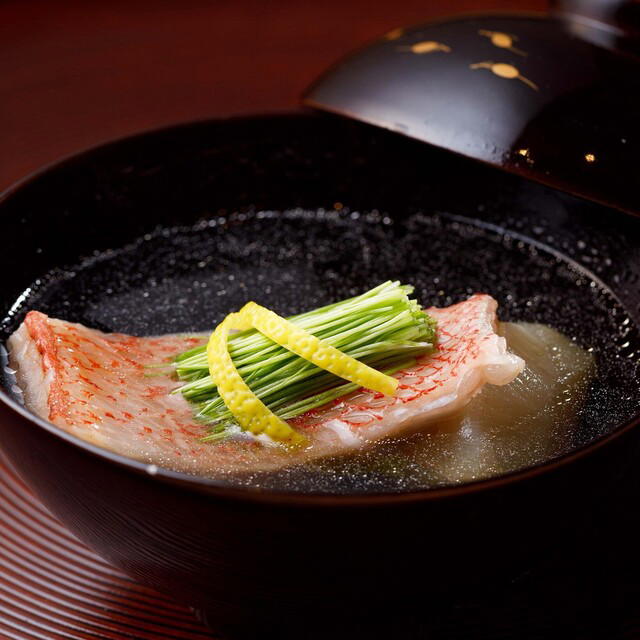
Kakuozan and the Quiet End of Nagoya's Dining Map
Nagoya's most-discussed restaurant addresses tend to cluster around Sakae and the Nishiki corridor, where density of foot traffic and proximity to hotels make commercial sense. Kakuozan operates by different logic. The neighbourhood, about eight minutes' walk from Exit 1 of Kakuozan Subway Station, is residential and low-rise, with a reputation built around independent galleries, coffee shops, and the Tokugawa family mausoleum nearby. It is not where you stumble across a serious kaiseki counter. It is where you go because you have already decided.
Kyoaji Motoi sits in this context as a house restaurant, a physical format that signals something about the experience before any food arrives. The building does not announce itself with signage scaled for passing trade. The three parking spaces next to the restaurant suggest a clientele arriving with intent, not improvising an evening. Tabelog reviewers consistently tag the location as a retreat-style setting, which, in the vocabulary of Japanese dining culture, means the surroundings are treated as part of the meal's pacing rather than incidental to it.
For visitors orientating around Nagoya's broader restaurant geography, the Kakuozan placement separates Kyoaji Motoi from the kaiseki cluster in central Nagoya and aligns it instead with the city's neighbourhood-based, appointment-only dining tradition — a smaller cohort than the tourist-facing options, and one where the reservation itself marks the experience as deliberate.
Kyoto Cuisine Practised Outside Kyoto
Kyo-ryori, Kyoto cuisine, is defined less by a single ingredient or technique than by a set of priorities: seasonal produce sourced with precision, dashi built to a specific clarity, presentation that follows the logic of the tea ceremony's influence on aesthetics. Practising it outside Kyoto carries its own editorial statement. The city is not there to provide automatic context through its temples and market stalls. The ingredients must travel, or be sourced locally with equivalent care, and the cuisine must justify itself on its own terms rather than borrowing atmosphere from its place of origin.
Nagoya has its own culinary identity, centred on miso katsu, hitsumabushi eel, and a preference for richer, darker flavours than either Tokyo or Kyoto norms. A kaiseki house rooted in Kyoto tradition therefore occupies a distinct position in the city's dining ecosystem — not competing with Nagoya's signature formats but offering an alternative register entirely. For diners seeking that register, the options are limited, which is part of why Kyoaji Motoi's Tabelog score of 4.03 and its repeated selection for the Tabelog Japanese Cuisine EAST Top 100 (2023 and 2025) carry weight. Inclusion in that list requires peer-reviewed standing across a competitive field that includes serious kaiseki houses in Tokyo and across the Kanto and Tokai regions.
The venue's Tabelog description specifies an emphasis on fish, which within kaiseki practice points to a program built around seasonal seafood coursing: sashimi selections, simmered preparations, and grilled courses that shift with what the market offers. The sake program is noted as a particular focus, with nihonshu selection given specific attention, consistent with a kaiseki operation where the beverage pairing is treated as a structural element of the meal rather than an optional supplement.
The Room and How It Works
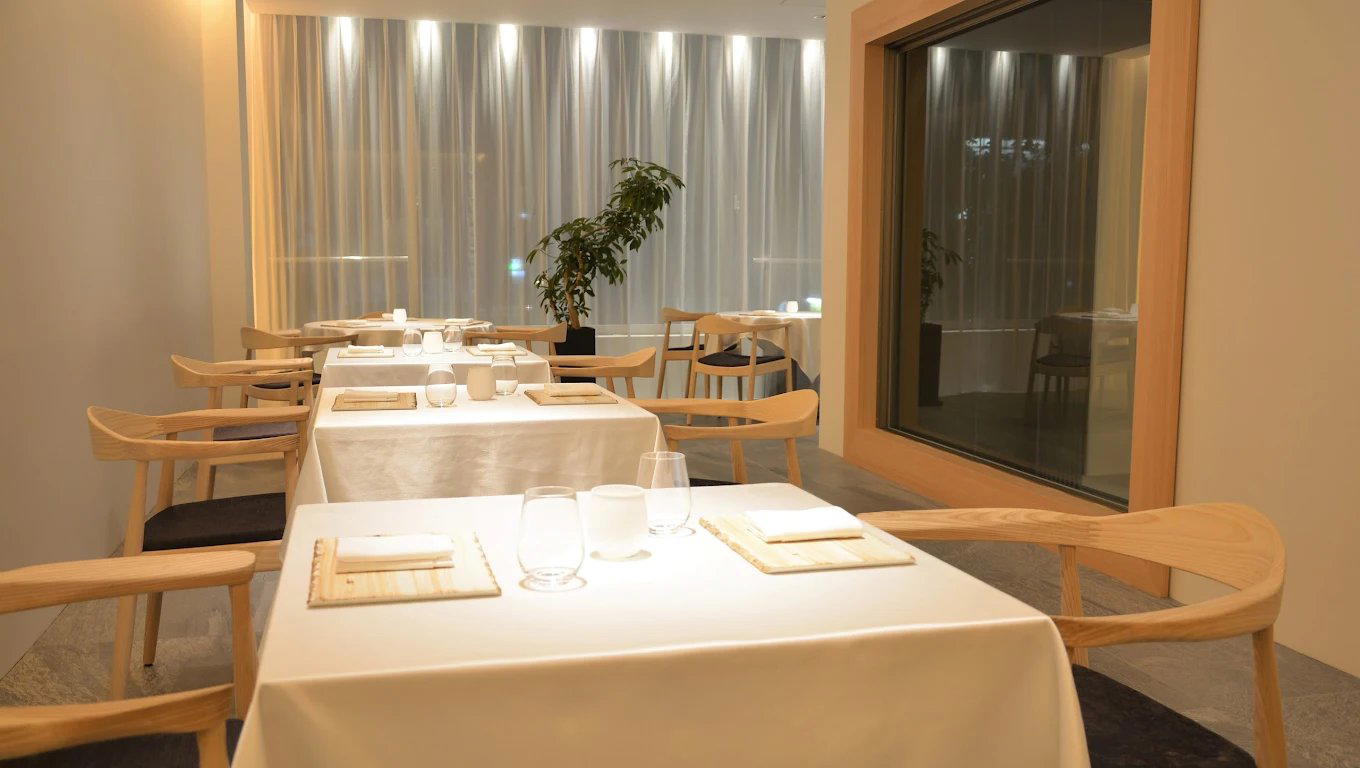
At 26 seats total, Kyoaji Motoi sits in the mid-sized range for a serious kaiseki room. The configuration divides into 13 counter seats and 12 table seats, with private rooms available for groups of two, four, six, or eight. The counter is the canonical position for kaiseki in Japan, the vantage point from which the preparation sequence is most legible, and where the pacing of service is felt most directly. The table seating and private rooms extend the venue's utility to business occasions, which Tabelog reviewers specifically recommend as the appropriate context, and to larger groups for whom the counter format would be impractical.
The room is entirely non-smoking. Credit cards are accepted across major networks (Visa, Mastercard, JCB, Amex, Diners), which is worth noting for international visitors since some traditional Japanese restaurants in this category remain cash-only. Electronic money and QR code payments are not accepted. Service runs Tuesday through Saturday, with lunch from 12:00 to 14:30 and dinner from 18:00 to 21:00; the restaurant is closed Sunday and Monday. All visits require advance reservation.
Dinner pricing falls in the JPY 20,000–29,999 range. Lunch runs JPY 10,000–14,999, a meaningful differential that positions the midday service as the more accessible entry point to the same kitchen, a pricing structure common among Kyoto-tradition kaiseki houses where the lunch format delivers a compressed version of the full seasonal program. Comparable kaiseki counters in Nagoya operating at this award level include Hachisen, which focuses specifically on Kyoto cuisine, and Kojitsu. For a different orientation entirely, Oryori Hisamatsu offers another Nagoya reference point in Japanese cuisine at a comparable tier.
Recognition and Where It Places the Restaurant
Kyoaji Motoi opened on 8 April 2021, meaning it earned its first Tabelog Top 100 selection (2023) within roughly two years of opening, an accelerated trajectory by the standards of traditional Japanese cuisine, where the review base typically builds slowly and critical standing follows years of operation. The Bronze Tabelog Award followed in 2025 and was renewed in 2026, placing the restaurant in a tier that, across the full Tabelog database, represents the upper single-digit percentage of all reviewed venues.
Across Japan, kaiseki in Kyoto tradition has produced significant critical recognition at venues including Gion Sasaki in Kyoto and Mitsuyasu in Kyoto, where the genre's conventions are sharpened by proximity to its source. What Kyoaji Motoi represents is a version of that tradition practised at distance, in a city whose own food culture pulls in a different direction, and recognised by the peer-review architecture of Tabelog's national awards as meeting the standard regardless of geography. For context on how Japanese cuisine is being practised across other major cities, HAJIME in Osaka, Harutaka in Tokyo, Goh in Fukuoka, 1000 in Yokohama, akordu in Nara, and Beppu Hirokado in Oita each represent distinct regional expressions worth mapping against Nagoya's own scene.
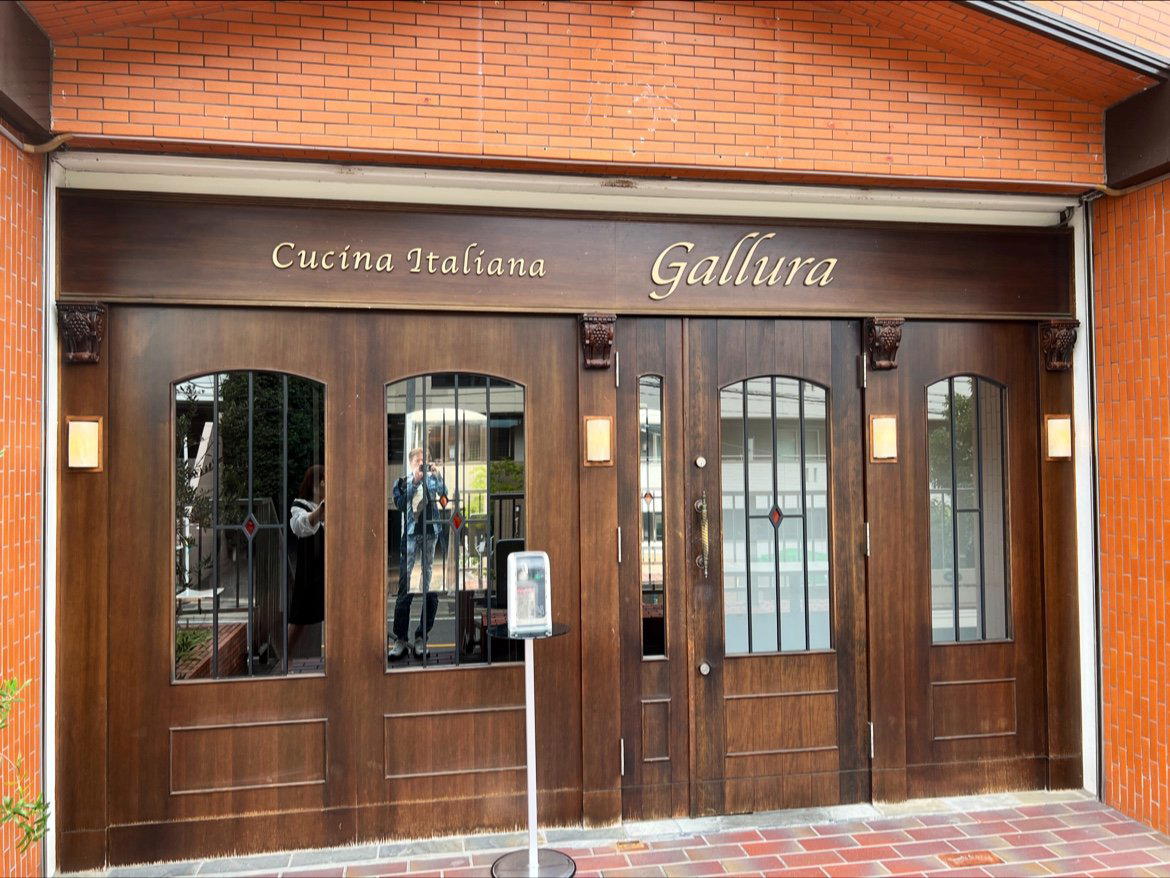
Within Nagoya, the fine dining tier also includes formats outside Japanese tradition: French Ryori Kochuten for French cuisine and Cucina Italiana Gallura on the Japanese-Italian axis. Mapping Kyoaji Motoi against those options clarifies its position: it is the most formally Japanese of the serious dinner options in the city, and among the most rooted in Kyoto precedent.
For a fuller picture of what Nagoya's dining, drinking, and hotel options look like across categories, EP Club's guides to Nagoya restaurants, Nagoya bars, Nagoya hotels, Nagoya wineries, and Nagoya experiences cover the city's full range.
Planning Your Visit
Reservations are required and should be secured in advance, particularly for weekend dinner slots given the restaurant's sustained Tabelog recognition and the private room configurations that limit overall capacity on any given evening. The restaurant's website at kyoaji-motoi.com is the primary reservation channel; phone enquiries can be made at +81-52-750-5942. For visitors arriving by rail, the walk from Kakuozan Subway Station Exit 1 is approximately eight minutes; three parking spaces are available directly adjacent to the restaurant for those arriving by car. The venue is fully non-smoking throughout.
How Kyoaji Motoi Nagoya compares with similar nearby venues.
| Venue | Cuisine | Price | Awards |
|---|---|---|---|
| Kyoaji Motoi | Japanese Cuisine | JPY 20,000 - JPY 29,999 JPY 10,000 - JPY 14,999 | Tabelog Bronze #217 (2026), Tabelog 100 #89 (2025) |
| Kojitsu | Japanese Cuisine | JPY 20,000 - JPY 29,999 JPY 10,000 - JPY 14,999 | Not listed |
| Oryori Hisamatsu | Japanese Cuisine | JPY 10,000 - JPY 14,999 JPY 6,000 - JPY 7,999 | Not listed |
| Higashiyama Ogata | Japanese Cuisine | JPY 30,000 - JPY 39,999 | Not listed |
| Mitsuyasu | Japanese Cuisine | ¥¥¥¥ | Not listed |
| Tsuru Yoshi | Japanese Cuisine | JPY 20,000 - JPY 29,999 JPY 6,000 - JPY 7,999 View spending breakdown | Not listed |
Recognition history
Dated appearances from independent guides and award organizations, with the underlying list record or original source where available.
Tabelog Bronze #217
Tabelog
Tabelog 100 #89 · No. 89
Tabelog · Tabelog 100 - Japanese cuisine - EAST - 2025
At a Glance
- Elegant
- Intimate
- Quiet
- Classic
- Special Occasion
- Date Night
- Celebration
- Chefs Counter
- Private Dining
- Historic Building
- Standalone
- Sake Program
- Local Sourcing
Current opening hours
- Monday
- Closed
- Tuesday
- 12–2:30 PM, 6–9 PM
- Wednesday
- 12–2:30 PM, 6–9 PM
- Thursday
- 12–2:30 PM, 6–9 PM
- Friday
- 12–2:30 PM, 6–9 PM
- Saturday
- 12–2:30 PM, 6–9 PM
- Sunday
- Closed
Hours can change for holidays and private events. Last verified .
Serene and refined atmosphere in a historic Japanese home with classic architectural details including musou-mado windows, kumiko lattice doors, and detailed ceiling designs.
Know Before You Go
- Getting there
- 1 Chome-58 Nishiyama Motomachi, Chikusa Ward, Nagoya, Aichi 464-0063, Japan