
We're Smart World 3 Radishes
Our verdict
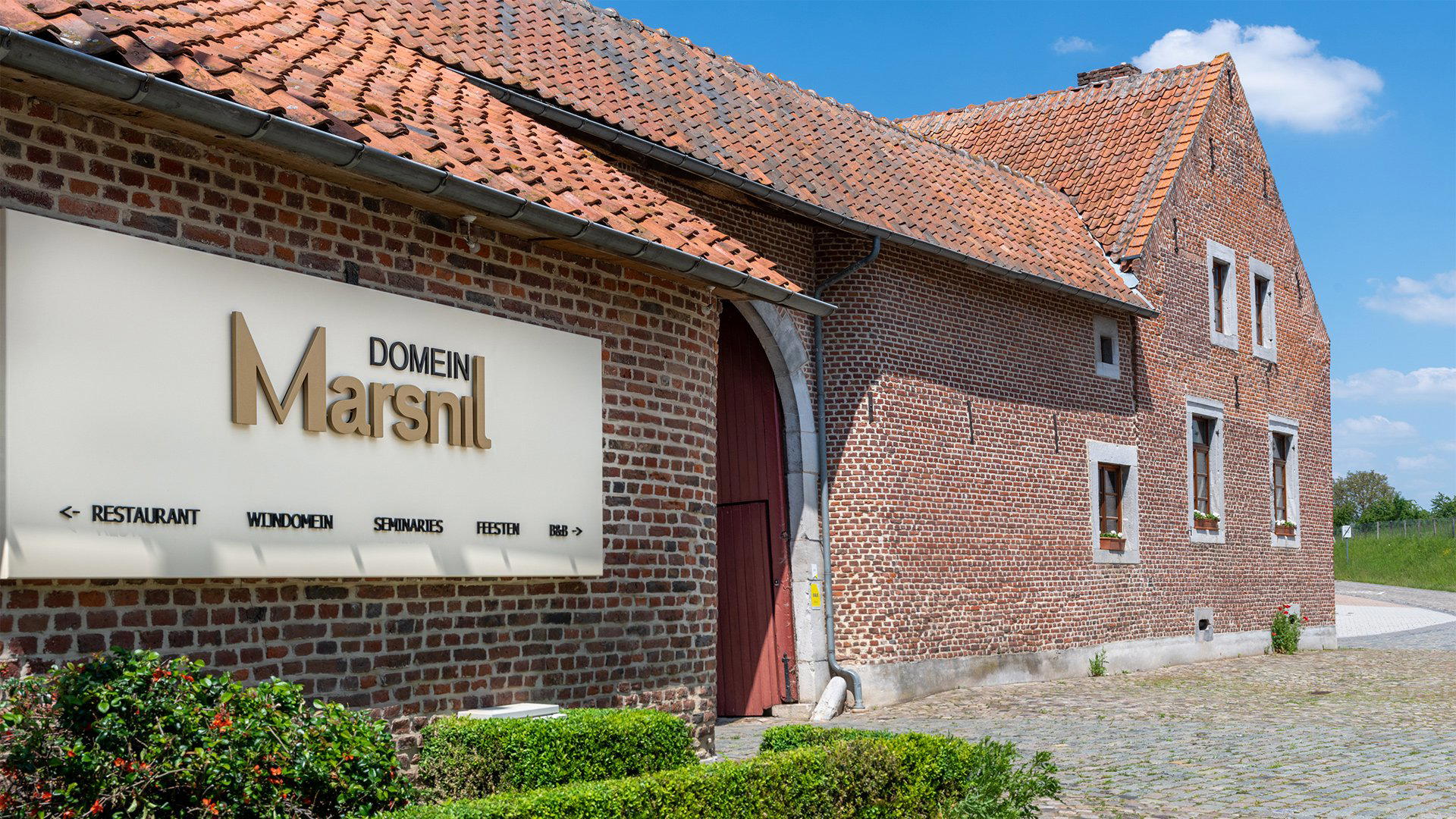
Marsnil opened in Heers in November 2017, planting itself firmly in the Haspengouw agricultural belt and drawing its identity from the region's fruit and vegetable abundance. Chef Frederik Cornelis builds combinations that feel genuinely regional rather than generically seasonal, pairing sea bass ceviche with pork belly or matching lamb stew to the root vegetables that define the local harvest. For Flemish Belgium's creative dining scene, this is a serious address.

Pearl is the En Primeur Club membership app, where members save venues, book tables and use the concierge.
Haspengouw on the Plate: What Drives Marsnil's Kitchen
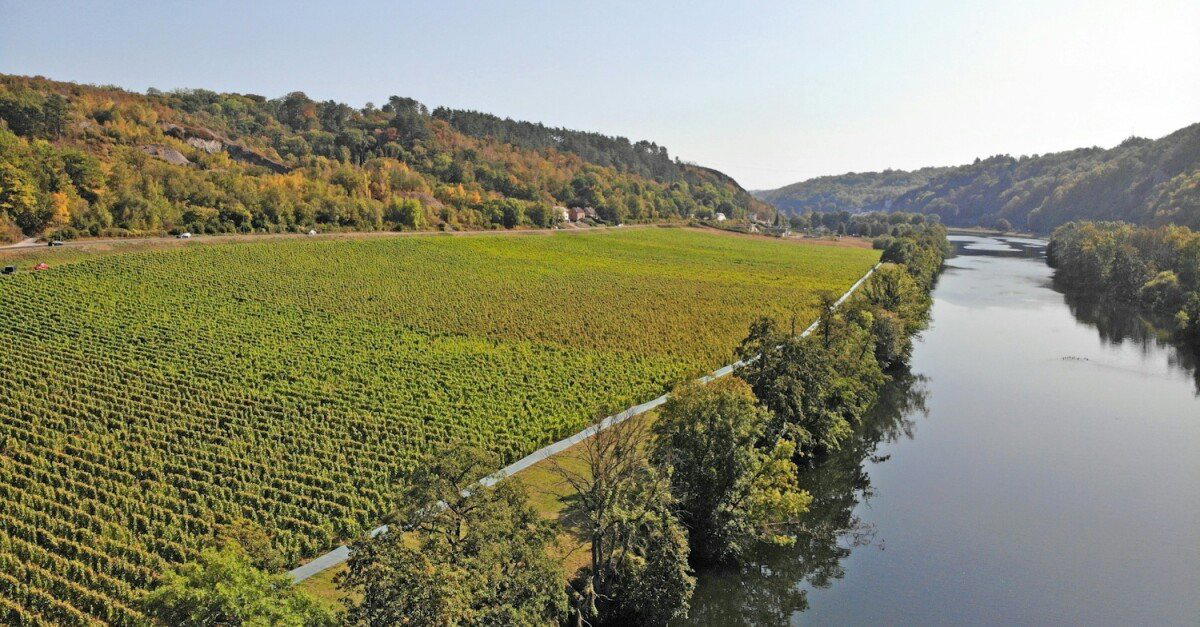
Belgium's most discussed creative restaurants tend to cluster in Ghent, Antwerp, and the Flemish coast. Places like Zilte in Antwerp and Boury in Roeselare draw the headlines, operating within urban culinary networks where suppliers, critics, and peers reinforce each other. Marsnil operates outside that ecosystem. Heers sits in the agricultural interior of the province of Liège, in the southern reaches of Haspengouw, one of Belgium's most productive fruit and vegetable zones. That geography is not incidental to what Marsnil does; it is the engine of the kitchen.
Haspengouw's agricultural identity runs deeper than most Belgian regions. The area's combination of loamy soil and continental micro-climate has made it Belgium's primary orchard country, producing apples, pears, cherries, and strawberries at scale alongside root vegetables that supply markets well beyond the province. For a restaurant opened in November 2017 on Batsheersstraat in the village of Heers, the region's larder is not a marketing concept to be gestured at; it is a practical, daily working reality. What grows nearby determines what appears on the menu, and the kitchen's creative decisions flow from that constraint rather than from trend-chasing.
The Creative Logic Behind the Combinations
The cooking at Marsnil operates in a register that has become increasingly visible across Belgian fine dining: regional produce used as the anchor for combinations that would read as provocative in more conservative kitchens. Matching pork belly with ceviche of sea bass sounds like a technique exercise, but the underlying argument is about texture and acidity rather than novelty for its own sake. The ceviche's citrus marinade cuts the fat of the belly in the way that fermentation or pickling might in a more classical Flemish preparation. The Haspengouw context adds a third variable: beetroot, with its earthiness and latent sweetness, grounds the dish in the region's soil without flattening the technique.
The lamb stew with carrots, leeks, and spring onions follows a different logic. This is not a reinvention of a classical braise; it is a classical braise executed with ingredients that happen to be grown locally, with the quality of the vegetable doing the work that stock reduction or cream might do elsewhere. This kind of cooking places Marsnil in a specific tradition within Belgian creative dining: one that trusts produce over elaboration, and that sees the region's agricultural output as the primary credential rather than the chef's biography or technique collection.
That approach aligns Marsnil with a broader movement in Belgian gastronomy, where chefs at places like De Jonkman in Sint-Kruis and Castor in Beveren have built menus around hyper-specific regional sourcing rather than pan-European luxury ingredients. The difference at Marsnil is the relative isolation of Heers itself, which means the sourcing relationship with Haspengouw's growers is not supplemented by the urban supplier networks available to city-based kitchens. What the region produces is what the kitchen works with.
Context in Belgium's Creative Dining Field
Frederik Cornelis opened Marsnil in November 2017 and was noted almost immediately for a style described as experimental and, at times, deliberately unexpected in its combinations. That description places the restaurant in a specific tier of Belgian creative dining: not the formal tasting-menu institutions like Hof van Cleve in Kruishoutem, and not the chef-driven creative formats of Willem Hiele in Oudenburg, but a restaurant where the creative impulse is channelled through a clear regional identity rather than through abstract technique or international reference points.
Belgium's €€€€-tier creative restaurants, including comparators like Cuchara in Lommel and restaurants of similar ambition across Flanders, tend to define themselves through tasting menu format and a wine list. For diners drawn to that model, places like Bartholomeus in Heist or L'Eau Vive in Arbre offer a useful point of comparison in terms of kitchen ambition operating outside major urban centres.
Getting to Heers and Placing the Visit
Marsnil sits at Batsheersstraat 35, in the municipality of Heers, which lies between Sint-Truiden and Tongeren in the Belgian province of Liège. The area is accessible by car from Liège in under 40 minutes and from Brussels in approximately 90 minutes, making it a viable destination for a dedicated dining trip rather than a convenient drop-in. Heers itself is a village rather than a gastronomic hub, so the visit to Marsnil requires planning: there is no surrounding dining district, no adjacent hotel strip, and no default fallback. Booking in advance is advisable given the kitchen's scale and the restaurant's position as the primary reason to visit the area. For accommodation, the Heers hotels guide covers the options in and around the municipality. Travellers looking to build a wider itinerary can draw on the full Heers restaurants guide, as well as resources for bars, wineries, and experiences in the region. For those building a broader Belgian dining itinerary, Bozar Restaurant in Brussels and d'Eugénie à Emilie in Baudour represent different registers of Belgian creative cooking worth pairing with a visit to this part of the country. For internationally-minded diners comparing the regional-sourcing model across a wider geography, the approach has parallels at seafood-focused houses like Le Bernardin in New York City and produce-driven American kitchens such as Emeril's in New Orleans, though the scale and format differ considerably.
Frequently asked questions
Is Marsnil okay with children?
Marsnil is a rural village restaurant in Heers with a kitchen built around experimental combinations, such as pork belly paired with sea bass ceviche or lamb stew anchored in Haspengouw vegetables. The format and pitch are aimed at adults engaging seriously with the food. Families with young children would likely find it a poor fit.
What's the overall feel of Marsnil?
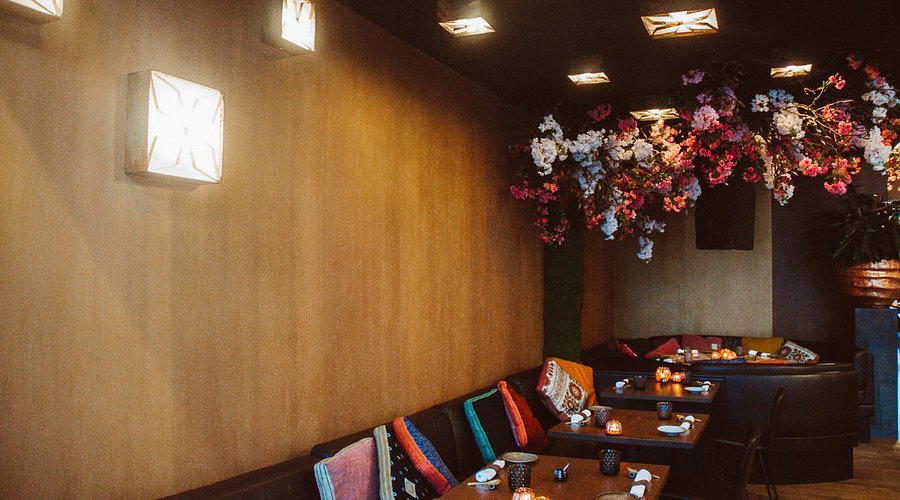
Frederik Cornelis opened in November 2017 in a small Haspengouw village with no surrounding gastronomic infrastructure. That setting is deliberate: the cooking draws directly on one of Belgium's largest fruit and vegetable regions, and the atmosphere reflects a restaurant confident enough in its kitchen to exist without a busy urban scene around it. Expect focused, ingredient-driven dining rather than a convivial neighbourhood room.
Has Marsnil won any awards?
Marsnil has received recognition including: Frederik Cornelis opened his restaurant in November 2017 and immediately stood out by his experimental and sometimes quirky creations. He pours his dishes with typical flavors from his Haspengouw region, one of the largest fruit and vegetab….
What's the must-try dish at Marsnil?
The pork belly and sea bass ceviche with beetroot is the combination that best defines what Cornelis is doing: Haspengouw produce used to bridge land and sea proteins in a way that shouldn't work on paper but represents the restaurant's stated creative logic. The lamb stew with carrots, leeks, and spring onions is the more grounded counterpoint to that register.
Side-by-Side Snapshot
Comparable venues nearby, for context on price, style, and recognition.
| Venue | Cuisine | Price | Awards | Notes |
|---|---|---|---|---|
| MarsnilThis venue (the venue you are viewing) | Seasonal Haspengouw Fine Dining | $50–100 | We're Smart World 3 Radishes | Not listed |
| Le Transvaal | French-Belgian Bistro | Not listed | We're Smart World 2 Radishes | Auderghem |
| Bougie | Modern French Bistro | $30–50 | Not listed | Het Dorp |
| Au Comte d'Harscamp | French-Belgian Fusion | $50–100 | Not listed | Rendeux |
| TIFFANY'S BY PASCAL | Contemporary Classical French-Belgian | $50–100 | Not listed | Maaseik |
| Le Chalet Du Parc | Modern French Bistro | $50–100 | Not listed | Spa |
Recognition history
Dated appearances from independent guides and award organizations, with the underlying list record or original source where available.
We're Smart World 3 Radishes
We're Smart World
Continue exploring
More in Heers
Restaurants in Heers
All restaurants in Heers →
Bars in Heers
Browse all →

Details
- Romantic
- Cozy
- Elegant
- Date Night
- Special Occasion
- Open Kitchen
- Terrace
- Local Sourcing
- Vineyard
- Set Menu
- Vegetarian Friendly
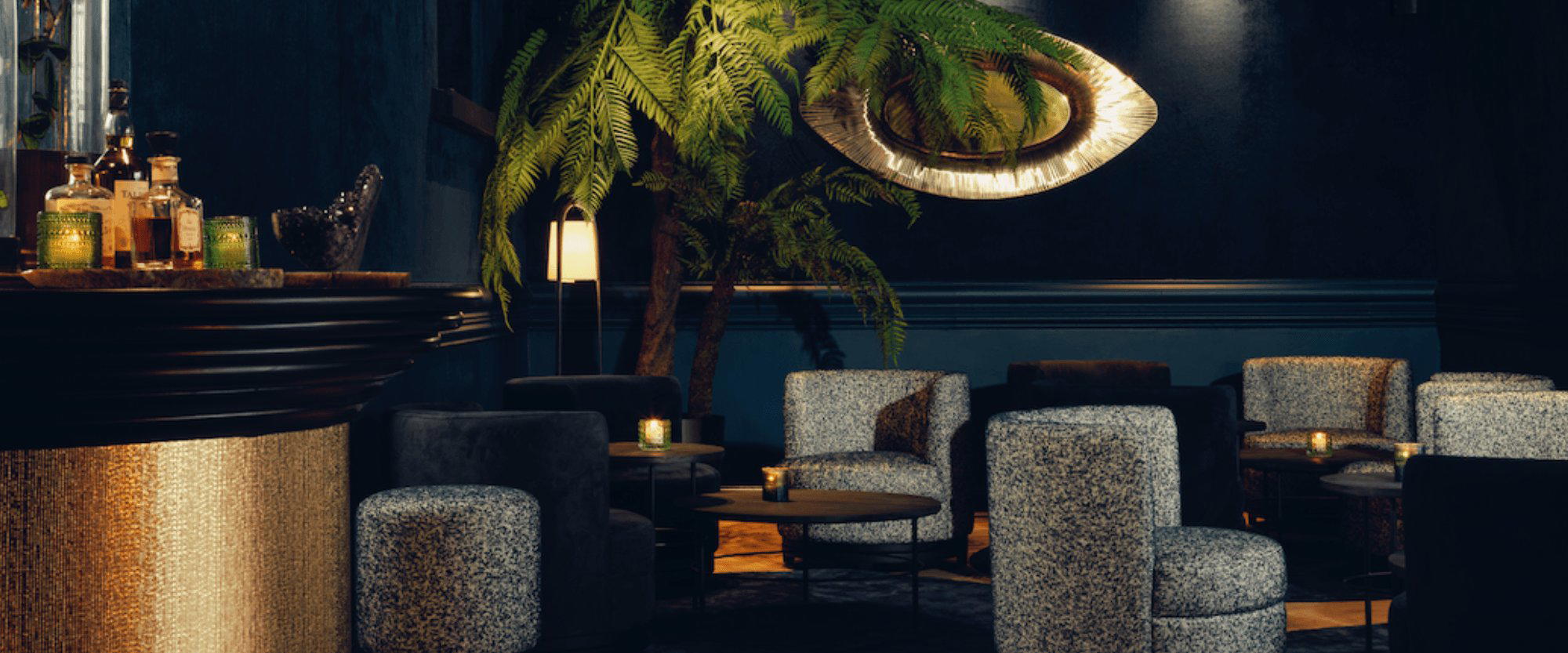
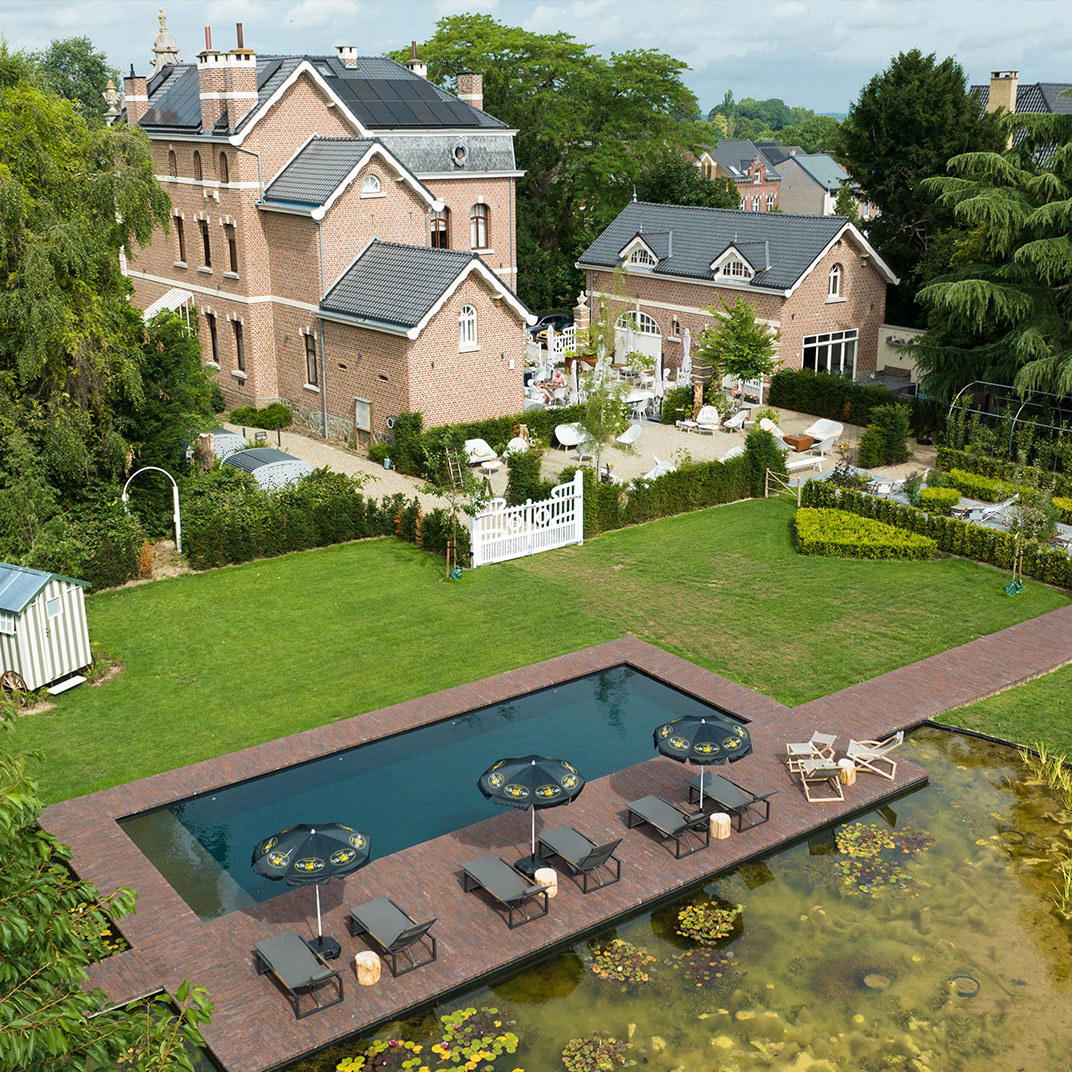
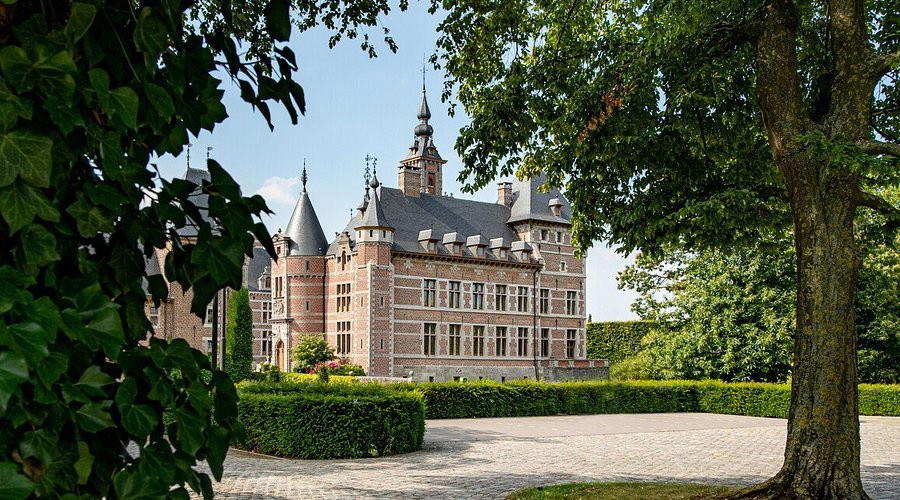
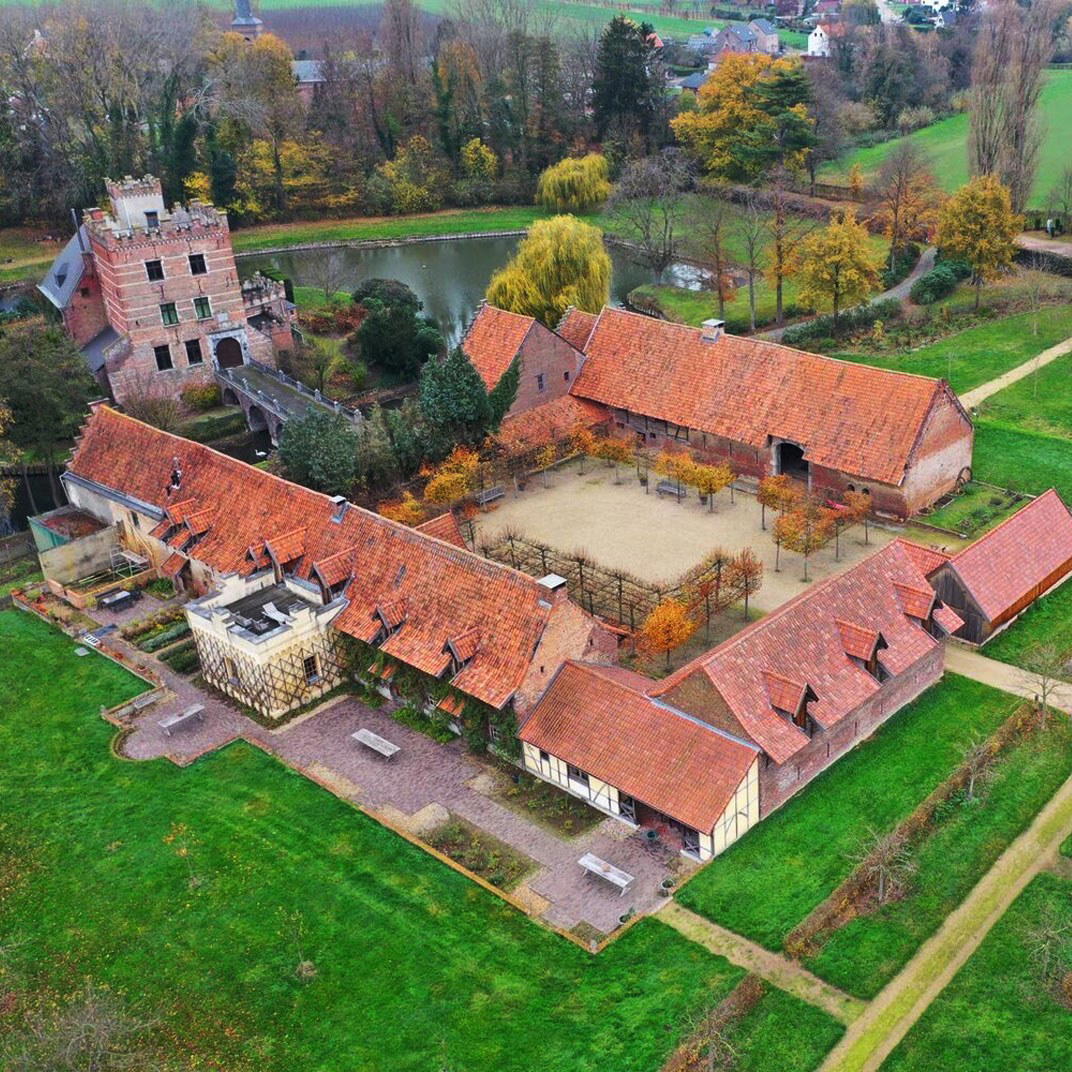
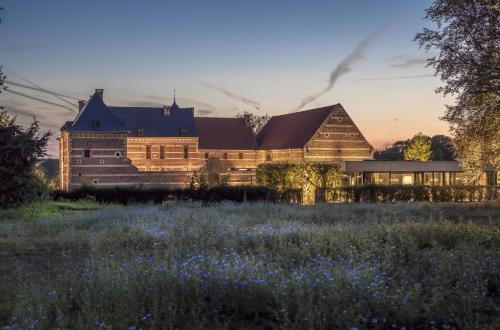
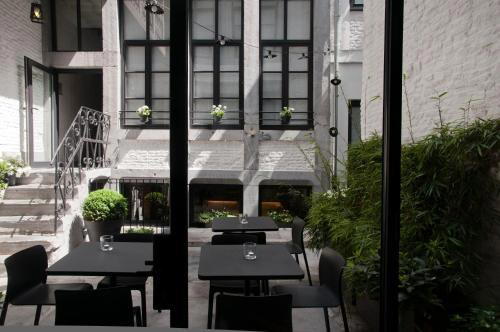
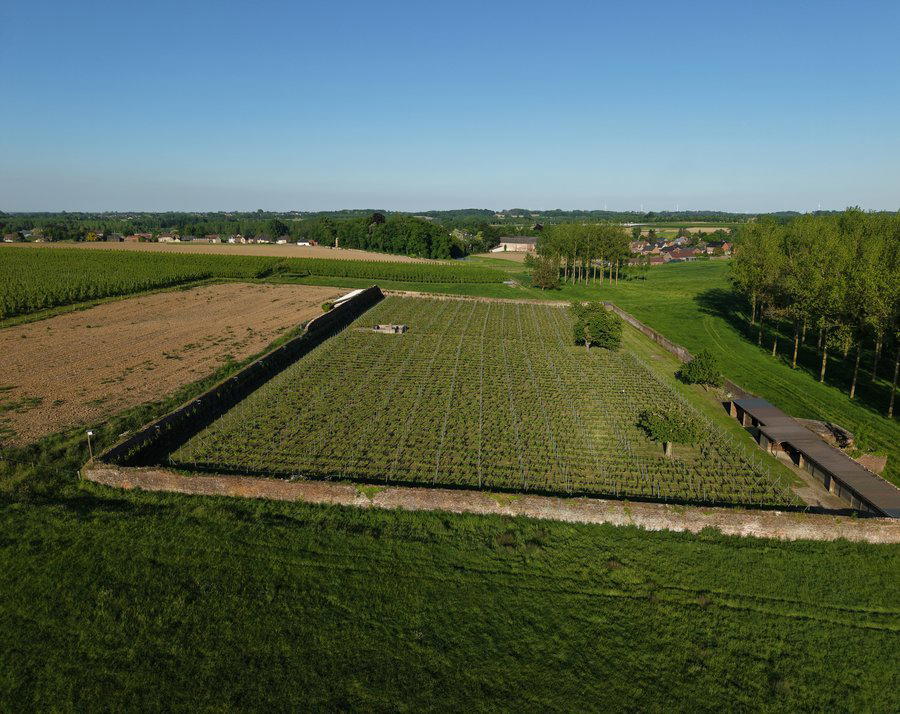
Harmonious, welcoming atmosphere in a restored historic farm setting with vineyard views, praised for its cozy and atmospheric dining environment.