Marrusch occupies a third-floor address on Innrain 25 in Innsbruck, positioning itself within a city whose dining scene has quietly consolidated around a handful of serious independent tables. With sparse public-facing data and limited press coverage, it operates on the quieter end of Innsbruck's restaurant spectrum, drawing attention through word of mouth rather than awards infrastructure.
Pearl is the En Primeur Club membership app — saves, bookings, and concierge access live there. Same editors, same standards.
- Address
- Innrain 25/3, 6020 Innsbruck, Austria
- Phone
- +4367761025888
- Website
- marruschinnsbruck.at
- Directions
- Get directions
 Saves & bookings on Pearl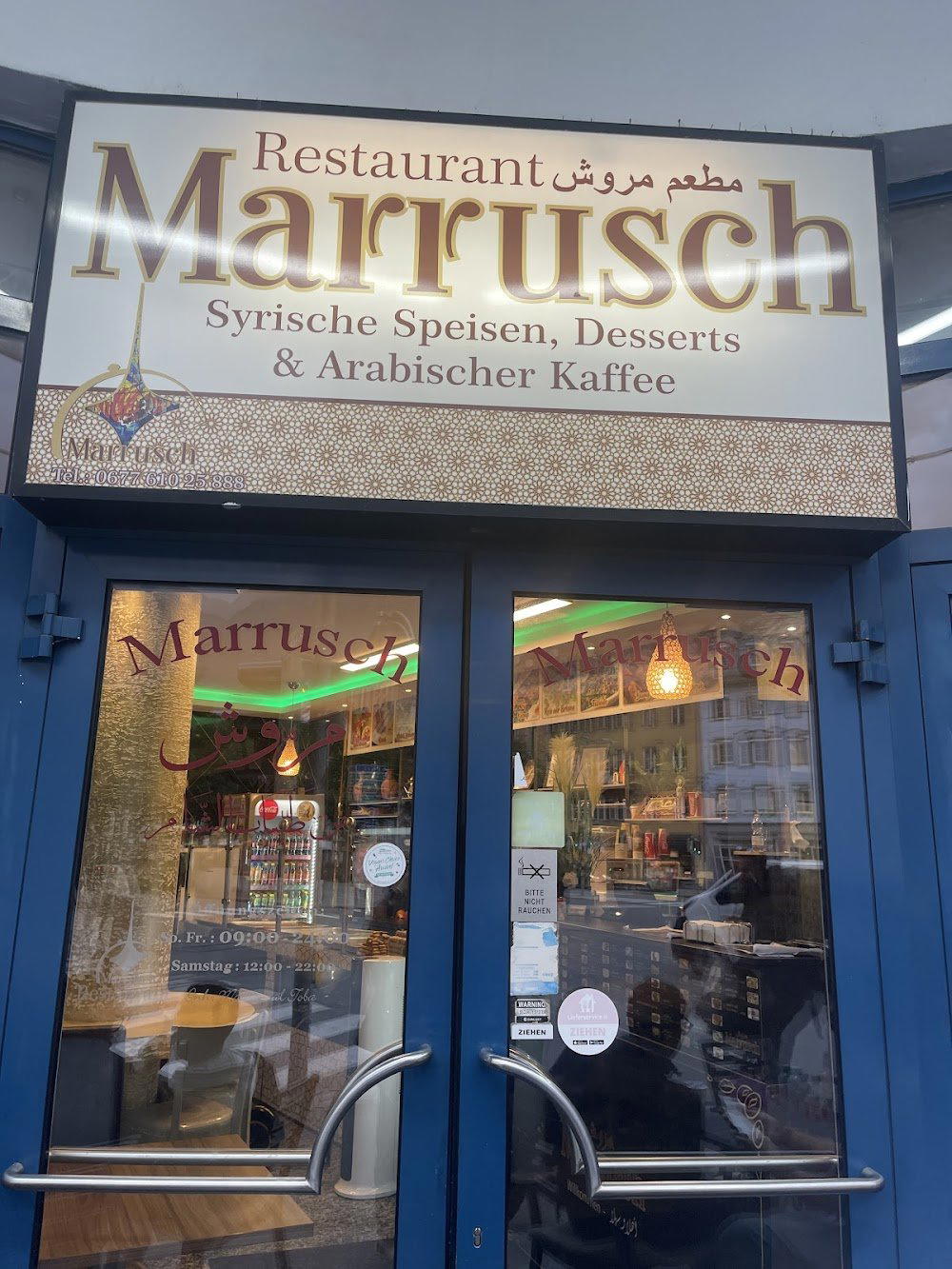
Innsbruck's Quieter Register
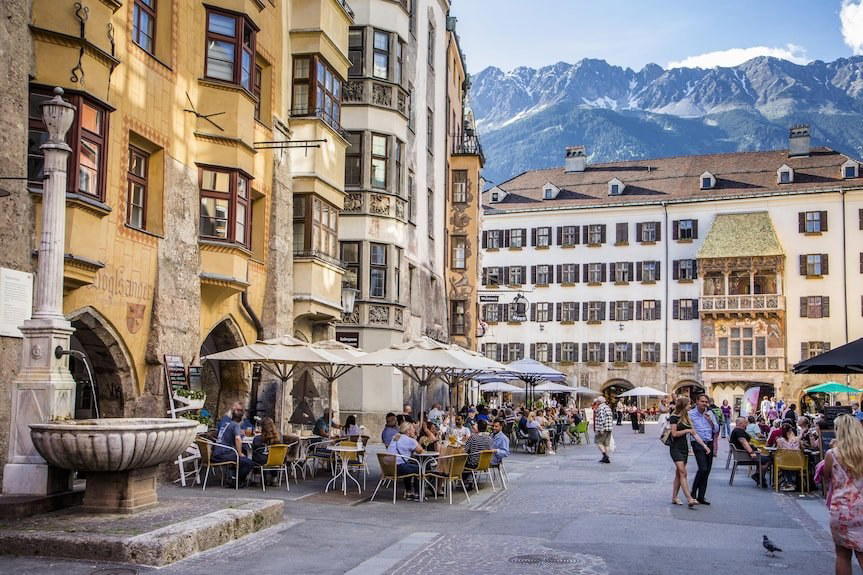
Innsbruck's restaurant scene divides more cleanly than most Alpine cities. At one end sit the resort-adjacent dining rooms that price against seasonal tourist traffic; at the other, a smaller cluster of city-facing independents that draw repeat custom from residents and the university corridor that runs along the Inn. Marrusch is a Syrian Middle Eastern restaurant at Innrain 25/3 in Innsbruck, and it occupies the latter category. The Innrain strip borders the river and connects the old town to the university district, which sets a particular ambient register: less polished than the pedestrian zone, more varied in what it attracts across a week. For a restaurant, that address signals a deliberate choice to court a local constituency rather than foot-traffic tourism.
That positioning matters for how you approach the booking. Restaurants along this corridor tend to operate on tighter schedules than their old-town counterparts, and the room sizes reflect neighbourhood scale rather than banquet ambition. Arriving without a reservation on a midweek evening is a different risk than it would be at a larger tourist-facing table. If Innsbruck dining is new to you, our full Innsbruck restaurants guide maps the broader scene by neighbourhood and price tier before you commit to a single table.
Where the Front-of-House Holds the Frame
Austrian dining's better independent rooms have shifted noticeably over the past decade toward a model where the front-of-house carries as much of the evening's weight as the kitchen. This is a pattern visible at the country's more discussed tables: at Steirereck im Stadtpark in Vienna, the floor team operates with a level of precision that functions as its own editorial statement, separate from what arrives on the plate. At Obauer in Werfen, decades of accumulated service culture mean regulars are handled with a familiarity that takes years to build. The underlying principle across these rooms is the same: a coordinated front-of-house doesn't merely deliver dishes, it sequences an experience and absorbs the gaps that any kitchen will inevitably produce across a full service.
For smaller independents at Marrusch's address tier, this dynamic is even more exposed. Without the volume that dilutes individual service moments, every table interaction carries more consequence. A knowledgeable recommendation from the floor on which direction to take through a menu, or a well-timed read of when a table wants to be left alone, shapes the memory of the evening more durably than it would in a room with thirty covers. The team dynamic at this scale is less about choreography and more about genuine attentiveness calibrated to each table's rhythm.
The Innsbruck Independent Tier
To understand where Marrusch sits competitively, it helps to sketch the comparable set. Innsbruck's mid-to-upper independent tier includes rooms that have made deliberate choices about format and price. Oniriq operates at the creative end of the spectrum, at a €€€€ price point that puts it in conversation with Western Austrian destination dining at places like Griggeler Stuba in Lech or Gourmetrestaurant Tannenhof in Sankt Anton am Arlberg. Das Schindler and Sitzwohl hold the €€€ bracket with seasonal and classic formats respectively. Lichtblick runs an international program at a more accessible price. Bonsai occupies a different format register entirely.
What distinguishes the independent tables from the tourist-facing rooms is not simply price but the degree to which the kitchen and floor operate as a coherent unit rather than separate departments executing a menu. At the better end of the Innsbruck independent tier, the sommelier's presence, when there is one, is integrated into the rhythm of the meal rather than appearing only when a wine list is handed across. That integration is harder to achieve at smaller volumes, which is precisely why it reads as a signal of seriousness when it works. Comparable dynamics appear in Austria's more discussed regional rooms: Ikarus in Salzburg operates with a formal team structure, while Kräuterreich by Vitus Winkler in Sankt Veit im Pongau and Ois in Neufelden show how a tighter operation can carry equivalent ambition with fewer hands.
Austrian Alpine Dining in a City Context
The pull between Alpine culinary tradition and contemporary urban dining is a tension that defines many of Innsbruck's more interesting rooms. The city's geography places it within easy reach of the kind of produce, dairy, and game that anchors the menus at rooms like Arzler Alm further up the slope. But a city address changes the expectation. Urban diners in Innsbruck, particularly along the university corridor, bring a different appetite, one that is less purely regional and more comparative in its references. The rooms that manage both threads, grounding themselves in local produce while reading international technique as a legitimate tool, tend to hold the durable local reputation.
This contrasts with purely international formats, which can feel misaligned when the Alpine larder is close enough to be the obvious foundation. Rooms like Landhaus Bacher in Mautern an der Donau or Döllerer in Golling an der Salzach have built sustained identities by working with regional ingredients at a level of precision that gives them a reason to exist that a generic international menu cannot provide. The same logic applies, at smaller scale, to city independents. Nearby tables worth considering in a fuller evening or afternoon in this part of the city include Al Fred, B-West, and Bistro Gourmand, each operating with a distinct format in the same general neighbourhood band.
Planning Your Visit
Innrain 25/3 is a third-floor address, which in practical terms means a building entry and a staircase rather than a street-level shopfront. In a district that sees mixed foot traffic across the day, this kind of address filters for intentional visitors. Marrusch's public-facing information is sparse. For context on how this table sits within Innsbruck's broader dining week, Restaurant 141 by Joachim Jaud in Mieming offers a point of comparison for the kind of deliberate, destination-oriented format that characterises Western Austria's serious independent rooms. If you're travelling from further afield and using Innsbruck as a base for comparing Austria's independent dining tier against the wider European field, the reference points extend well beyond the Alps: Le Bernardin in New York City and Atomix in New York City represent the kind of team-led, front-of-house-integrated format that the leading small rooms across Austria are, in their own register, working toward.
Price Lens
Comparable venues nearby, for context on price, style, and recognition.
| Venue | Cuisine | Price | Notes |
|---|---|---|---|
| MarruschThis venue — the venue you are viewing | Innrain, Syrian Middle Eastern | $$ | Not listed |
| the naked indigo | Innrain, Modern Vegetarian Bowls | $$ | Not listed |
| momoness | Innenstadt, Nepalese Momos | $$ | Not listed |
| Le Burger | DEZ, Premium American Burgers | $$ | Not listed |
| Le Murge | Not listed | $$ | Wilten, Authentic Apulian Italian Trattoria |
| Himalayan Nepali Kitchen | Innsbruck City Center, Authentic Nepali | $$ | Not listed |
Continue exploring
More in Innsbruck
Restaurants in Innsbruck
Browse all →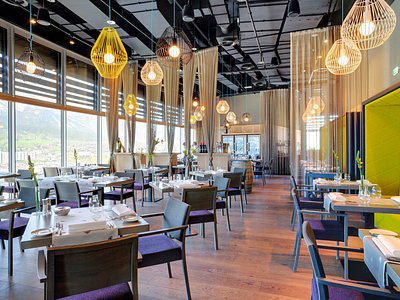
At a Glance
- Cozy
- Casual Hangout
Current opening hours
- Monday
- 10 AM–10 PM
- Tuesday
- 10 AM–10 PM
- Wednesday
- 10 AM–10 PM
- Thursday
- 10 AM–10 PM
- Friday
- 10 AM–10 PM
- Saturday
- 12–10 PM
- Sunday
- 12–10 PM
Hours can change for holidays and private events. Last verified .
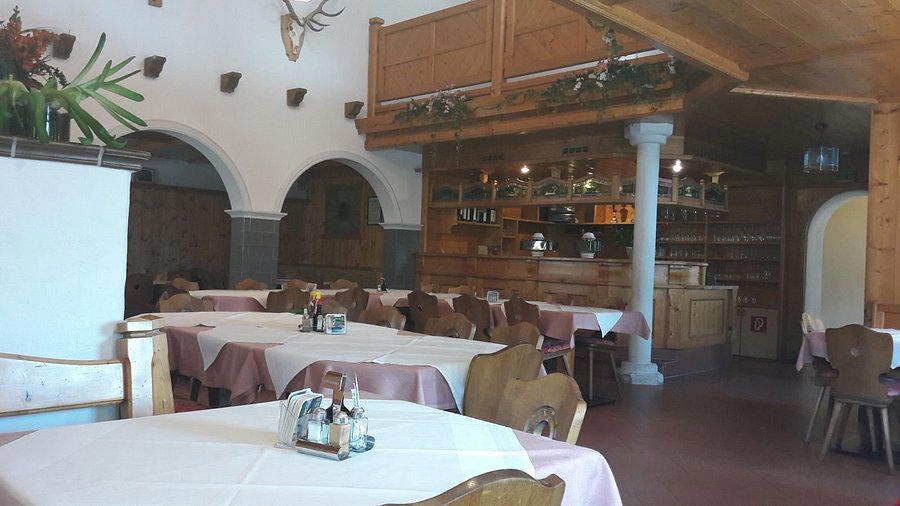
Unassuming and cozy surroundings with friendly service.