Our verdict
Marron sits on Molenstraat in Zulte, a Flemish commune that has quietly accumulated more serious kitchen talent per square kilometre than most Belgian cities three times its size. The address places it within a regional dining corridor where ingredient provenance and classical technique tend to carry more weight than spectacle. For visitors already planning a circuit through East Flanders, it warrants a place on the itinerary.

Pearl is the En Primeur Club membership app — saves, bookings, and concierge access live there. Same editors, same standards.
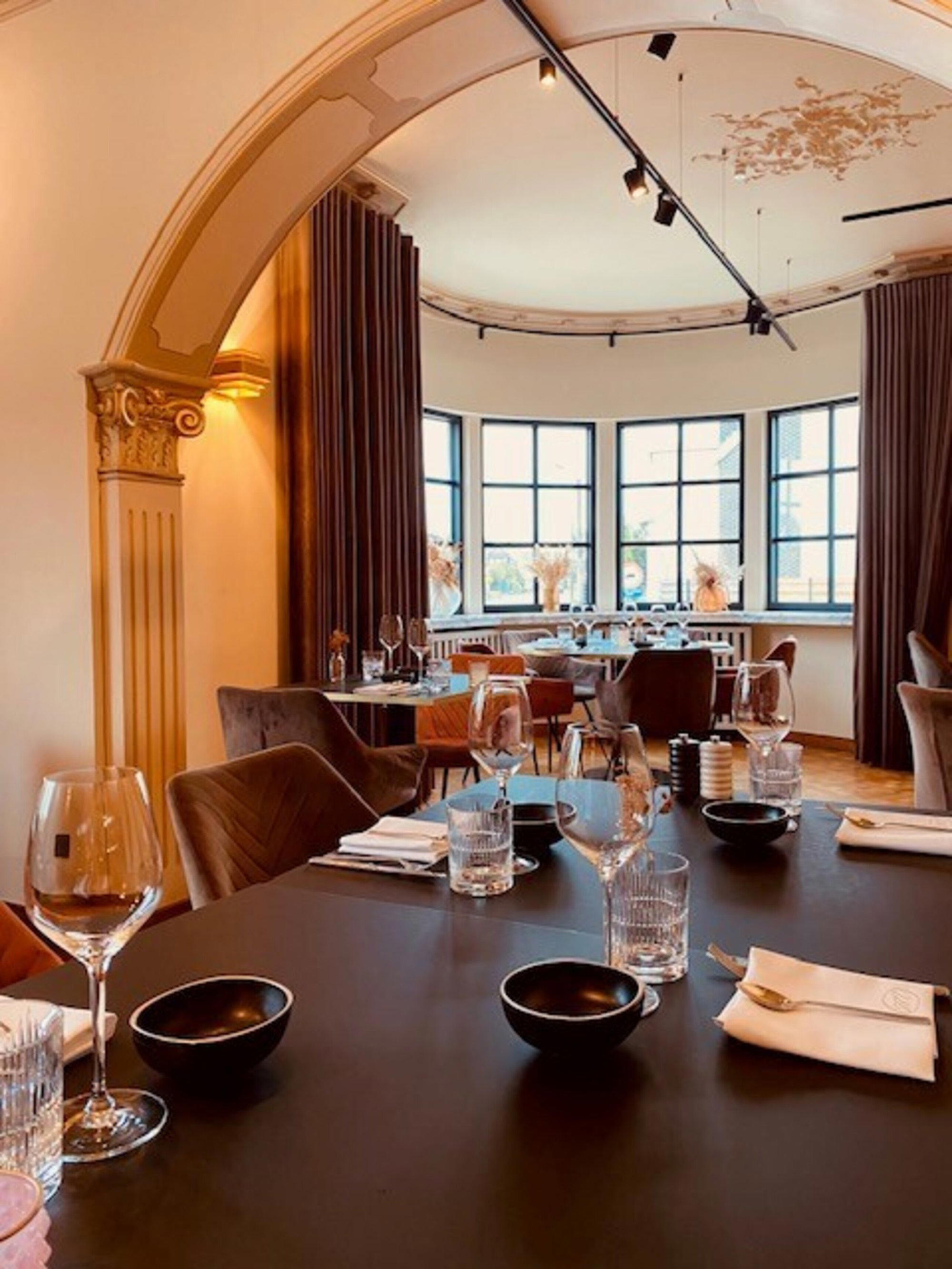
Where Zulte's Quiet Ambition Shows Up on a Plate
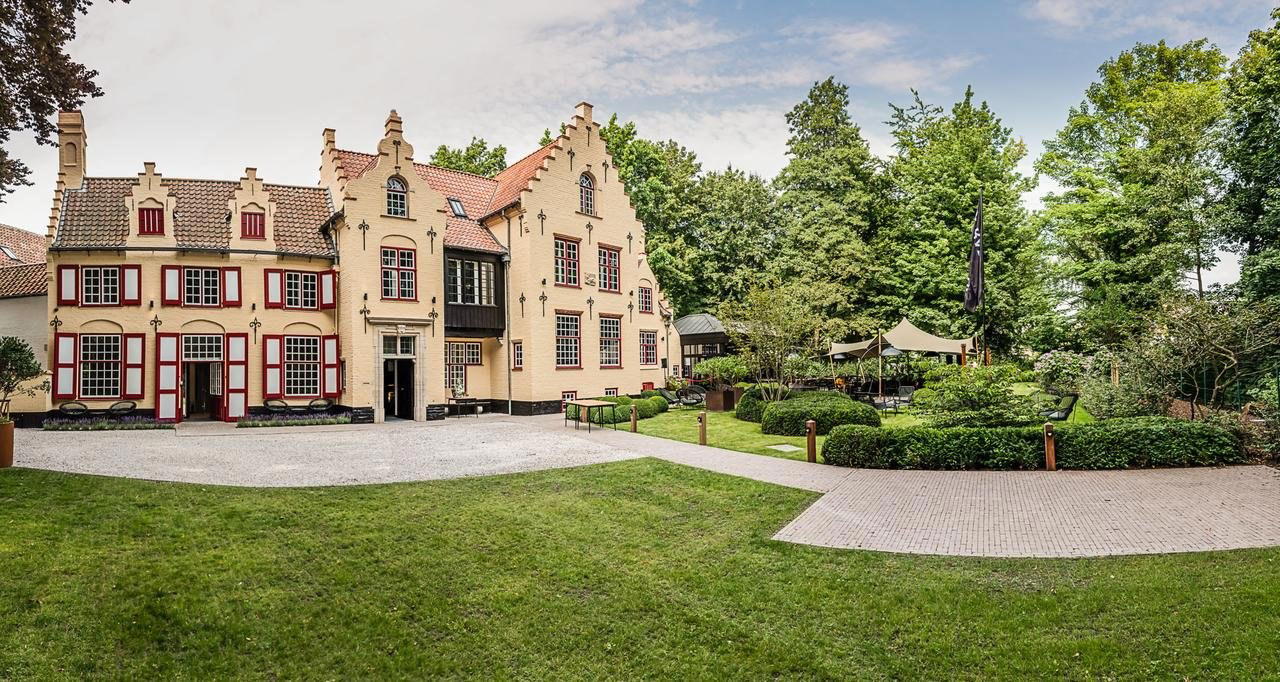
There is a particular kind of Flemish restaurant that announces nothing from the outside. The street frontage is plain, the signage restrained, and the building gives little away before you push open the door. Molenstraat 40 in Zulte fits that pattern precisely. The village itself sits in East Flanders, roughly between Ghent and Kortrijk, in a stretch of agricultural lowland where the landscape has supplied kitchens for centuries: river fish, game, brassicas grown heavy in the flat-field climate, dairy from farms close enough to supply fresh. That agricultural proximity is not incidental to how serious restaurants in this corridor think about their sourcing. It is the baseline assumption.
Zulte is not a dining destination in the way that a city brands itself. It is a commune of around 15,000 people that happens to sit at the intersection of several supply lines that matter to a certain kind of cook. The restaurants here, including Marron at Molenstraat 40, operate in a context where the distance between producer and plate is genuinely short, and where diners arriving from Ghent or further afield are typically doing so with purpose. You do not pass through Zulte on the way to somewhere else. You come because a specific address drew you. For a broader view of what the area currently offers, the full Zulte restaurants guide maps the local scene in more detail.
The Sourcing Argument That Defines East Flanders Dining
Belgium's most discussed restaurants tend to cluster in cities: Brussels has Bozar Restaurant and Le Chalet de la Forêt in Uccle; Antwerp has Zilte. But some of Belgium's most ingredient-focused cooking happens in smaller communes precisely because proximity to primary producers is easier to maintain outside urban supply chains. The Flemish kitchen tradition, running from classical French influence through to the current generation of creative-modern practitioners, has always leaned on what the North Sea coast and the interior agricultural belt provide. Operations like Willem Hiele in Oudenburg and Bartholomeus in Heist have built their identities around coastal and estuarine sourcing. Inland, the argument shifts toward river, field, and farm.
That inland sourcing logic applies to Zulte's position in the Leie river valley. The river has historically defined the texture of local cooking: freshwater fish, waterside game, the particular richness of soil that floods occasionally and drains slowly. Restaurants working in this tradition are not making an aesthetic choice about locality; they are responding to what is actually available within a short radius. Bachten De Leie, also in Zulte, represents the grills-and-meat strand of that same local supply logic. De Karper works a different register. Marron, at its Molenstraat address, sits within this cluster of addresses that give Zulte its disproportionate density of serious kitchens.
How Marron Fits the Regional Competitive Set
The comparison set for a restaurant at Marron's apparent positioning in Zulte runs toward the modern Flemish and creative French tier that has become Belgium's most internationally recognised dining category. Boury in Roeselare and De Jonkman in Sint-Kruis sit in the €€€€ bracket with Michelin recognition and a clear creative-Flemish identity. Hof van Cleve in Kruishoutem is the area's most decorated address, operating at a tier that few regional restaurants in any country reach. Kruishoutem is approximately ten kilometres from Zulte, which means the comparison is geographically honest, not a stretch.
Elsewhere in Belgium, the creative French-Asian crossover practiced by L'air du temps in Liernu and the classical French rigour at d'Eugénie à Emilie in Baudour represent different answers to the same underlying question: how does a Belgian restaurant at serious price points distinguish itself from the Franco-Belgian classical mainstream. Internationally, the fish-focused precision at Le Bernardin in New York City or the Korean-inflected tasting format at Atomix show how different markets are answering related questions about ingredient sourcing and technique. In the Flemish context, the answer has typically been: stay close to the producer, trust the season, let classical technique carry the weight.
Marron's address on Molenstraat places it in a village where that argument is being made by multiple kitchens simultaneously. The concentration matters. When several serious restaurants occupy the same small commune, they tend to raise collective standards because the supply relationships, the diner expectations, and the critical attention all compound. Castor in Beveren and La Durée in Izegem operate within the same West and East Flemish orbit, and the pattern holds: smaller towns, serious sourcing, fewer concessions to volume.
Planning a Visit to Zulte
Zulte is accessible by car from Ghent in under thirty minutes, and from Kortrijk in a similar window. Public transport connections exist but are limited, and the village's scale means that arriving by car is the practical default for most visitors. The surrounding area rewards a half-day or full-day itinerary: the Leie river valley between Ghent and Kortrijk has several addresses worth combining into a single circuit. La Table de Maxime in Our represents the kind of focused, single-destination cooking that justifies longer drives, and the same logic applies to what Zulte offers in concentration.
For Marron specifically, the address is Molenstraat 40, 9870 Zulte. Given the calibre of addresses in this part of Flanders and the dining culture that tends to accompany them, booking ahead is the reasonable assumption. Walk-in availability at restaurants operating at this level in Belgian villages is inconsistent at leading, and the approach of arriving without a reservation is a gamble that rarely pays off at the upper end of the market.
Frequently asked questions
Is Marron good for families?
Marron is located at Molenstraat 40 in Zulte, a quiet Flemish village setting that suits a relaxed meal rather than a lively family outing. The restaurant's apparent positioning within the creative Flemish dining tier suggests a focus on considered, course-driven eating. Families with older children interested in the food itself will find it a more natural fit than those with younger ones.
How would you describe the vibe at Marron?
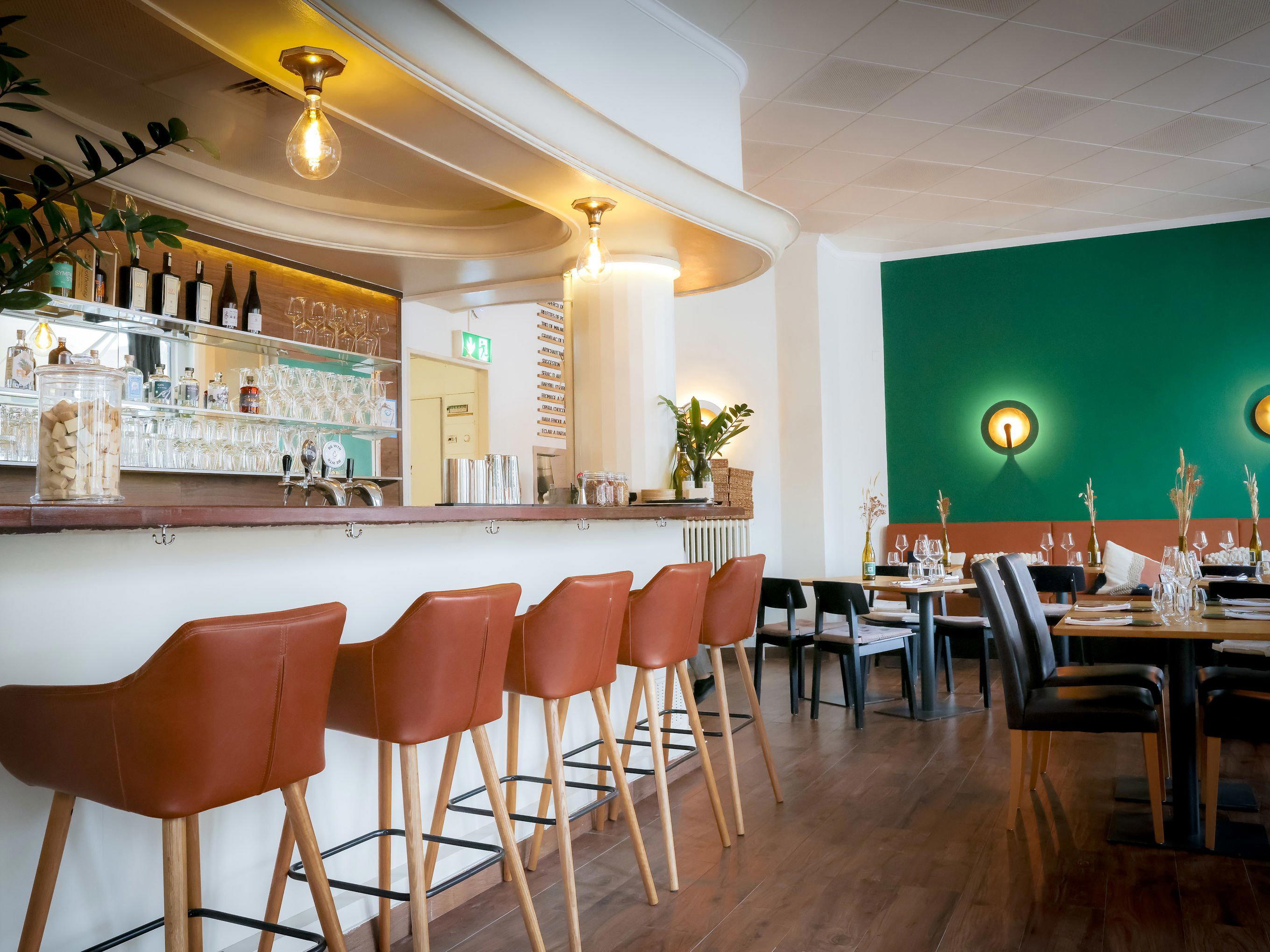
Marron follows a pattern common to serious Flemish restaurants: understated from the street, deliberate inside. The address on Molenstraat in Zulte places it away from urban noise, which tends to shape the pace and register of a meal there. Expect a room that lets the cooking do the announcing rather than the décor.
Is Marron worth the drive from Ghent to Zulte?
Zulte sits under thirty minutes from Ghent by car, making Marron a realistic destination rather than a significant detour. The restaurant occupies a position within the modern Flemish and creative French dining tier that has quietly developed outside Belgium's major cities. For anyone tracking what East Flanders is producing beyond Ghent's own scene, the distance is not the obstacle.
What's the must-try dish at Marron?
For accurate dish information, contacting the restaurant directly via their reservation channel is the most reliable route. What the regional context does indicate is that East Flanders restaurants at this positioning typically build menus around local produce and seasonal rhythm.
Where do I go for Marron?
Marron is located at Molenstraat 40, 9870 Zulte, Belgium, Zulte.
Can I walk in to Marron?
Restaurants operating at the creative Flemish tier in smaller villages like Zulte tend to run on reservations, given limited covers and demand that outpaces casual footfall. Booking ahead before making the drive from Ghent or Kortrijk is the practical approach.
In Context: Similar Options
Comparable venues nearby, for context on price, style, and recognition.
| Venue | Cuisine | Price | Awards | Notes |
|---|---|---|---|---|
| MarronThis venue (the venue you are viewing) | Modern Belgian Bistro | $50–100 | Not listed | Not listed |
| De Karper | Modern Belgian Seafood | Not listed | Not listed | Machelen |
| Bachten De Leie | Belgian Meats and Grills | Not listed | Michelin Plate | Zulte |
| Martino | Belgian Brasserie | $20–30 | Not listed | Binnenstad |
| Casanova | Belgian Seafood with Southern Touch | Not listed | Not listed | De Haan |
| Av. Paul Deschanel | Classic Belgian Brasserie | $20–30 | Not listed | Schaerbeek |
Continue exploring
More in Zulte
Restaurants in Zulte
All restaurants in Zulte →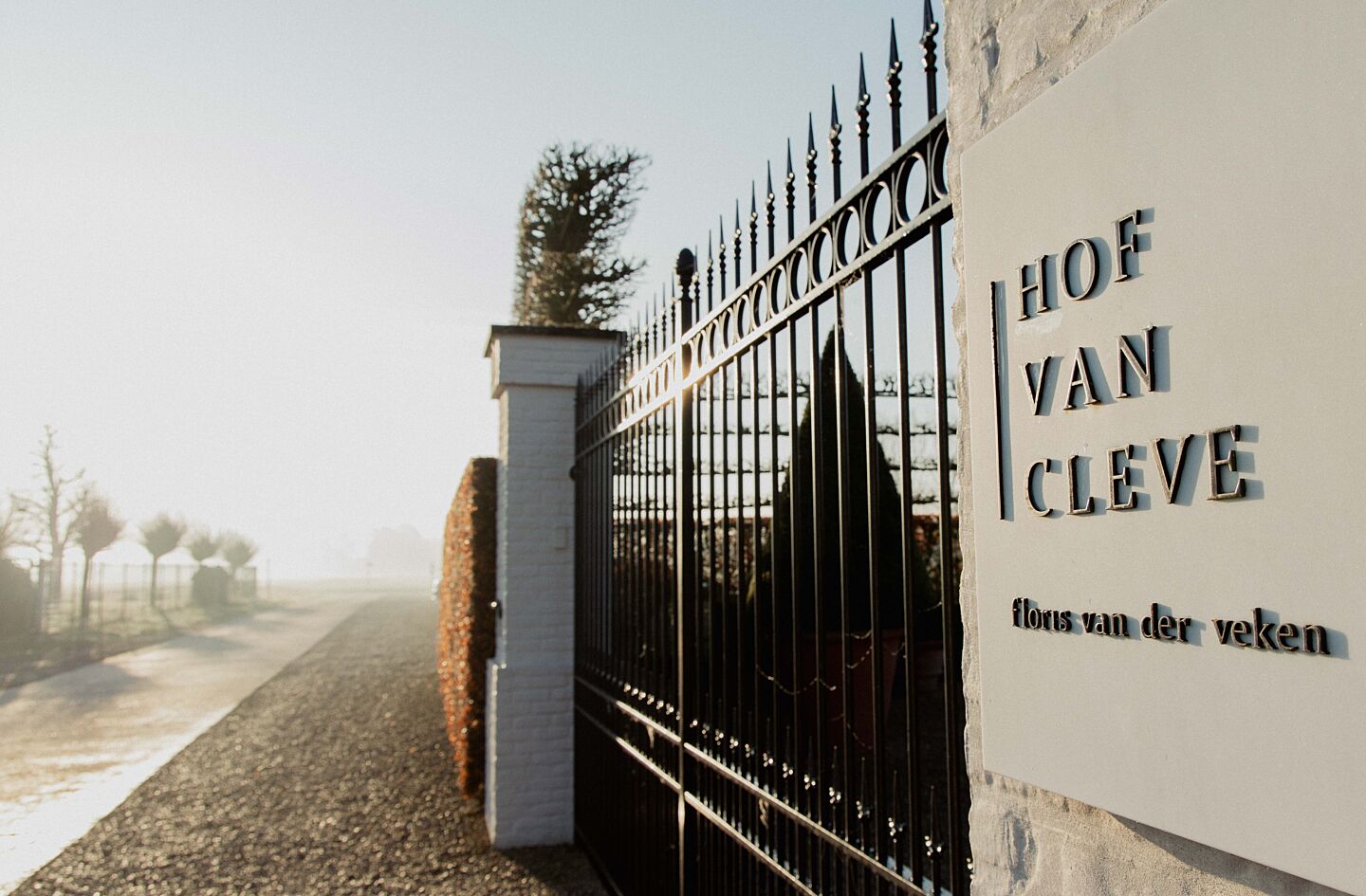

Details
- Cozy
- Elegant
- Date Night
- Family
- Terrace
- Extensive Wine List
- Local Sourcing
- A La Carte
- Vegetarian Friendly
Current opening hours
- Monday
- 12–2:30 PM, 6:30–9 PM
- Tuesday
- Closed
- Wednesday
- Closed
- Thursday
- 12–2:30 PM, 6:30–9 PM
- Friday
- 12–2:30 PM, 6:30–9 PM
- Saturday
- 6:30–9:30 PM
- Sunday
- 12–2:30 PM
Hours can change for holidays and private events. Last verified .
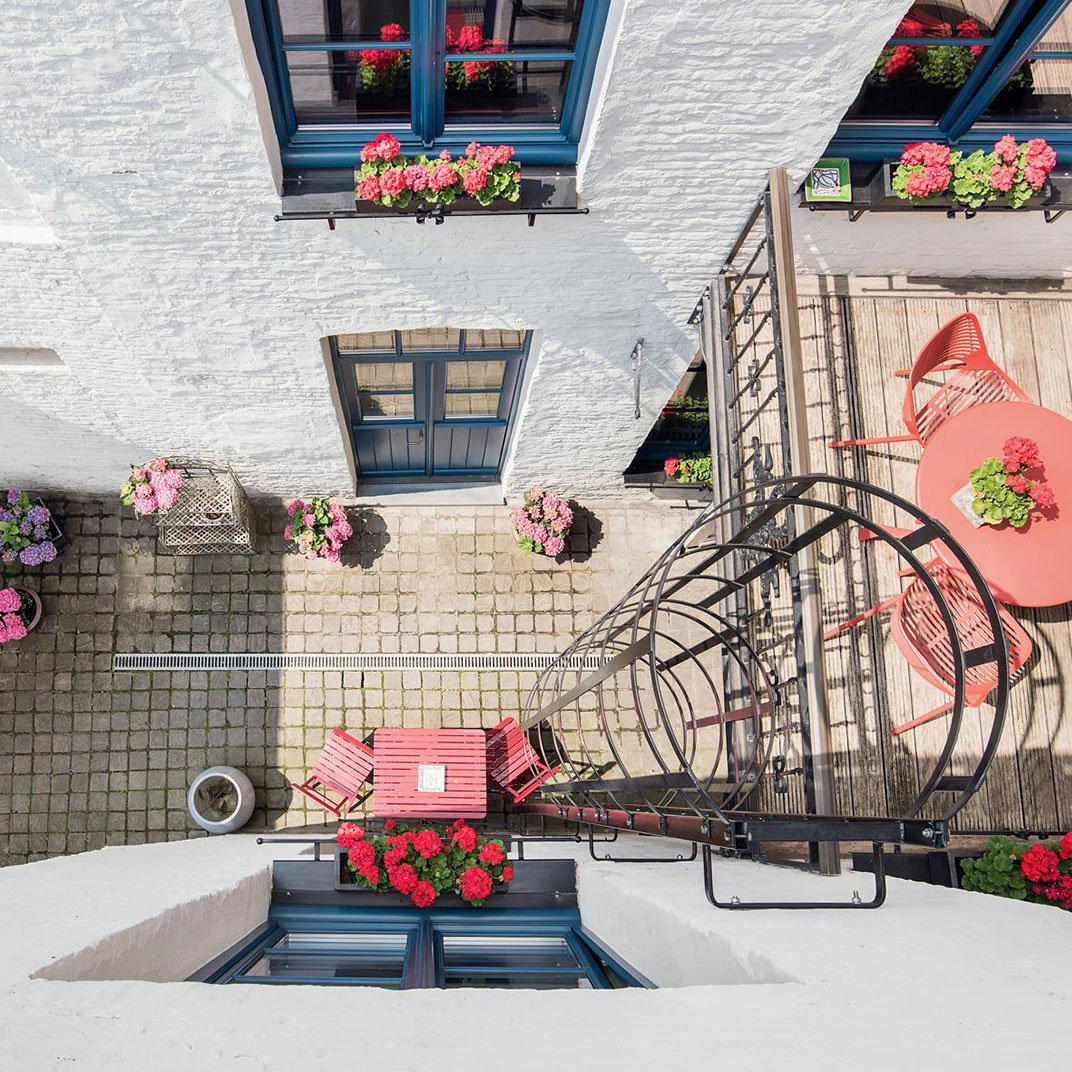
Cozy terrace in summer, pleasant decor, but poor indoor acoustics leading to noise issues.