De Karper sits on Karperstraat in Zulte, a small municipality in the East Flemish countryside where the restaurant tradition runs deeper than the tourist maps suggest. In a region where sourcing from the surrounding agricultural land shapes how kitchens operate, De Karper occupies a place in the local dining fabric that rewards those who pay attention to Belgian provincial cooking on its own terms.
Pearl is the En Primeur Club membership app — saves, bookings, and concierge access live there. Same editors, same standards.
- Address
- Karperstraat 16, 9870 Zulte, Belgium
- Phone
- +3293804262
- Website
- restaurantdekarper.be
- Directions
- Get directions
 Saves & bookings on Pearl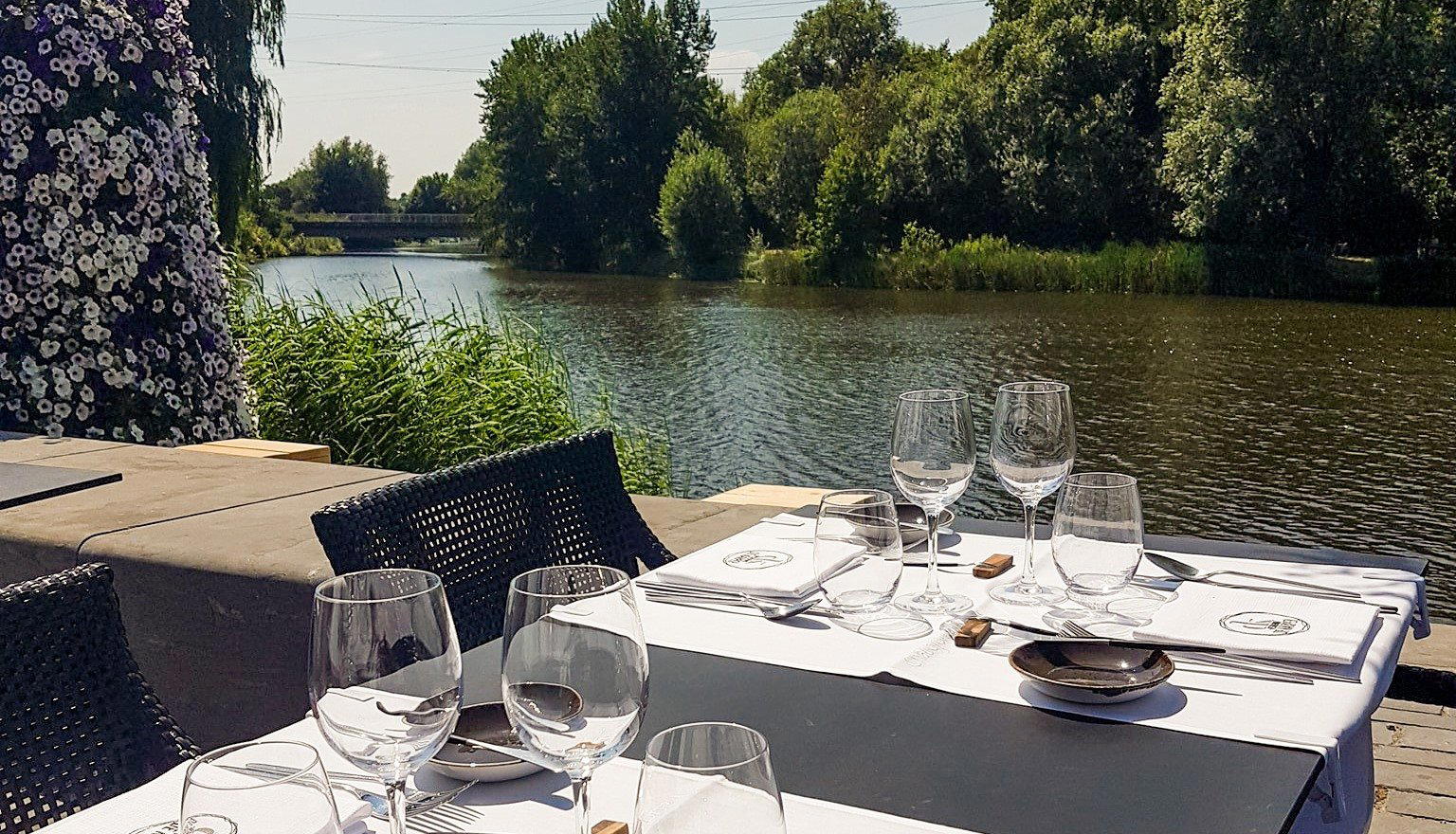
Where the Leie Valley Sets the Table
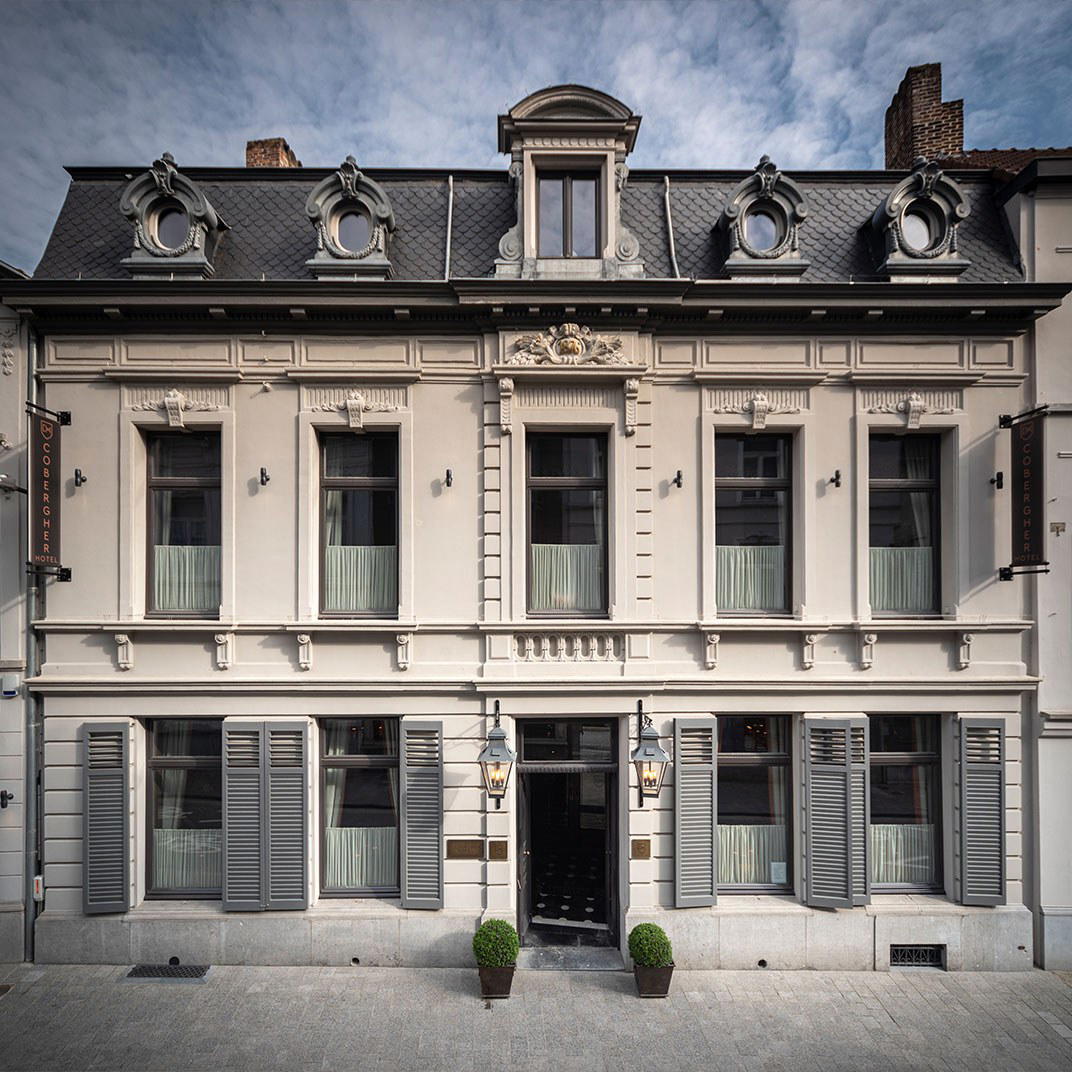
The approach to Zulte from Ghent or Kortrijk is through flat, agricultural East Flanders, the kind of countryside where the food on the plate is rarely more than a few kilometres from the field. This is not incidental to dining in the region. The municipalities along the Leie river have long supported a quieter tradition of Belgian table culture: smaller rooms, seasonal produce, cooking that answers to the land rather than to trend cycles. De Karper, on Karperstraat 16 in the village centre, sits within that tradition. The address itself signals something about what to expect: a residential street, a structure embedded in the community rather than isolated on a commercial strip.
De Karper is a restaurant in Zulte serving modern Belgian seafood. Belgium's restaurant culture has a notable provincial dimension that the capital's reputation tends to obscure. While Brussels draws attention to its grandes tables and Bozar Restaurant anchors urban fine dining, and while Antwerp's Zilte operates at a different scale of ambition, much of Flemish cooking has always lived in smaller towns. The East Flemish countryside around Zulte is part of that lineage: a place where a restaurant can hold genuine local authority without making claims to a national stage.
Sourcing in the Leie Region: What the Land Provides
The argument for ingredient-led cooking in this part of Flanders is geographic before it is philosophical. East Flanders produces hop, chicory, asparagus, and a wide range of garden vegetables on a scale that makes direct farm relationships structurally logical for any kitchen working in the area. The waterways of the Leie corridor historically supported freshwater fishing, and that heritage still shapes menus across the region's more traditional tables. A restaurant named De Karper, carp being the freshwater fish most closely associated with Belgian inland waterway cooking, carries an implicit statement about where it stands in relation to that history.
Carp has long occupied an ambivalent position in Belgian gastronomy: central to the inland fishing tradition but periodically sidelined as tastes shifted toward ocean fish. Its return to menus at serious Belgian tables over the past decade reflects a broader re-engagement with hyper-local, freshwater sourcing, a movement visible across Flemish kitchens from Willem Hiele in Oudenburg to more rural addresses in the interior. In that context, a restaurant in Zulte that takes the fish as its namesake is making a legible claim about provenance and regional specificity.
This is the editorial context that matters when reading the small-town Belgian dining scene. The venues that work at this scale, and there are several in Zulte alone, tend to derive their authority from proximity: to farms, to fishing traditions, to the households and producers that have supplied local cooking for generations. Bachten De Leie in the same municipality focuses on meats and grills from regional supply chains. Marron represents another node in Zulte's local dining circuit. The town, small as it is, sustains multiple serious addresses, which says something about the density of food culture in this part of East Flanders.
Zulte in the Wider Flemish Dining Picture
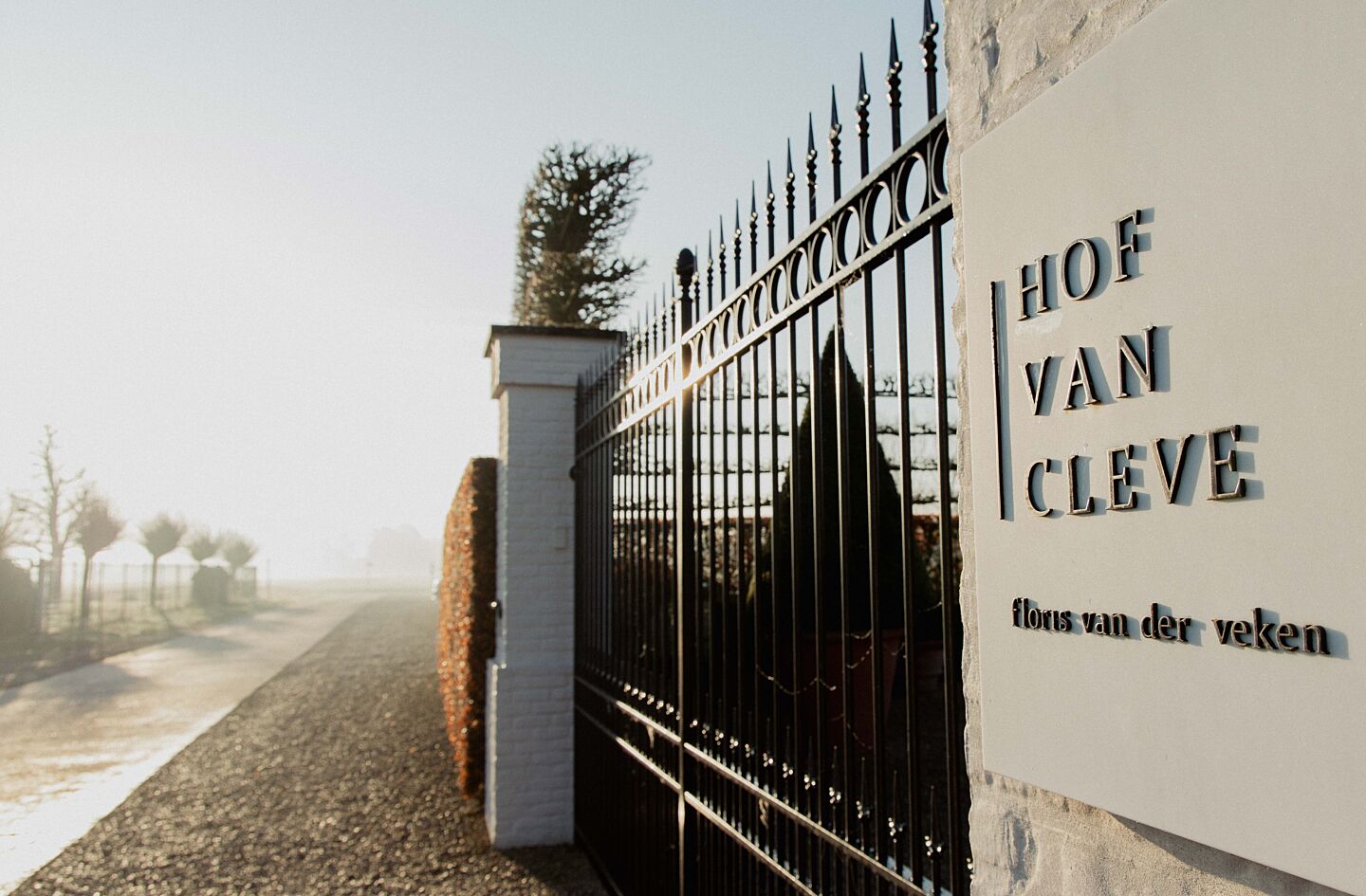
Flemish gastronomy's upper tier has become increasingly visible internationally, with Hof van Cleve in Kruishoutem operating just a few kilometres away as one of Belgium's most decorated tables, and Boury in Roeselare anchoring the West Flemish creative end of the spectrum. Vrijmoed in Ghent and La Durée in Izegem extend the creative Flemish tradition across the broader region. What this concentration demonstrates is that the countryside between Ghent and the coast is not a culinary afterthought to Belgium's cities: it is, in several respects, the origin point.
The restaurant does not operate at the same tier of international recognition as Hof van Cleve, but it is not trying to. Provincial Belgian dining functions on different terms: the authority is local, the relationship with regulars long-term, and the cooking answerable to what the surrounding land and water can genuinely supply. That model has produced particularly grounded, honest restaurant experiences available in Flanders, and it remains the framework through which smaller addresses in municipalities like Zulte are best understood. For comparison, venues operating at creative ambition levels comparable to Zulte's broader scene include Ralf Berendsen in Neerharen, Le Chalet de la Forêt in Uccle, De Jonkman in Sint-Kruis, and La Table de Maxime in Our.
Internationally, the provincial fine-dining model has analogues worth considering. Le Bernardin in New York built its reputation on rigorous sourcing discipline for a single protein category: fish. Lazy Bear in San Francisco operates a communal format grounded in hyper-regional American produce. The common thread is that specificity of sourcing, when it is genuine, produces a different kind of restaurant authority from technical ambition alone. Belgian provincial kitchens have understood this for considerably longer than most.
For anyone covering or planning a serious eating itinerary through East Flanders, Zulte warrants inclusion on its own terms. The full picture of what the municipality offers is in our full Zulte restaurants guide. Venues at the more experimental end of Belgian cooking, such as Cuchara in Lommel or d'Eugénie à Emilie in Baudour, offer useful contrast points for understanding where the restaurant's regional, grounded approach sits within the wider national picture.
Planning Your Visit
The restaurant is located at Karperstraat 16, 9870 Zulte, in the heart of the village. Zulte is accessible by road from Ghent (roughly 20 kilometres southwest) and from Kortrijk to the west. As with most smaller Belgian restaurant addresses operating outside major city centres, booking ahead is advisable, particularly at weekends when local demand from within the region tends to absorb available covers. Current hours, pricing, and booking contact details are best confirmed directly with the venue before visiting.
How It Stacks Up
Comparable venues nearby, for context on price, style, and recognition.
| Venue | Cuisine | Price | Awards | Notes |
|---|---|---|---|---|
| De KarperThis venue — the venue you are viewing | Modern Belgian Seafood | $$ | Not listed | Not listed |
| Marron | Modern Belgian Bistro | $$ | Not listed | Olsene |
| Bachten De Leie | Belgian Meats and Grills | $$$ | Michelin Plate | Zulte |
| Bistro De Boeie | Classic Belgian Bistro | $$ | Not listed | Centrum |
| De Vijfhoek | Traditional Belgian Bistro | $$ | Not listed | Sint-Katelijne-Waver |
| De Muizelmolen | Belgian Fine Dining | $$$ | Not listed | Hulste |
At a Glance
- Cozy
- Elegant
- Scenic
- Date Night
- Special Occasion
- Waterfront
- Terrace
- Extensive Wine List
- Waterfront
Current opening hours
- Monday
- Closed
- Tuesday
- Closed
- Wednesday
- 12–4 PM, 7–9:30 PM
- Thursday
- 12–4 PM, 7–9:30 PM
- Friday
- 12–4 PM, 7–9:30 PM
- Saturday
- 7–9:30 PM
- Sunday
- 12–4 PM, 7–9:30 PM
Hours can change for holidays and private events. Last verified .
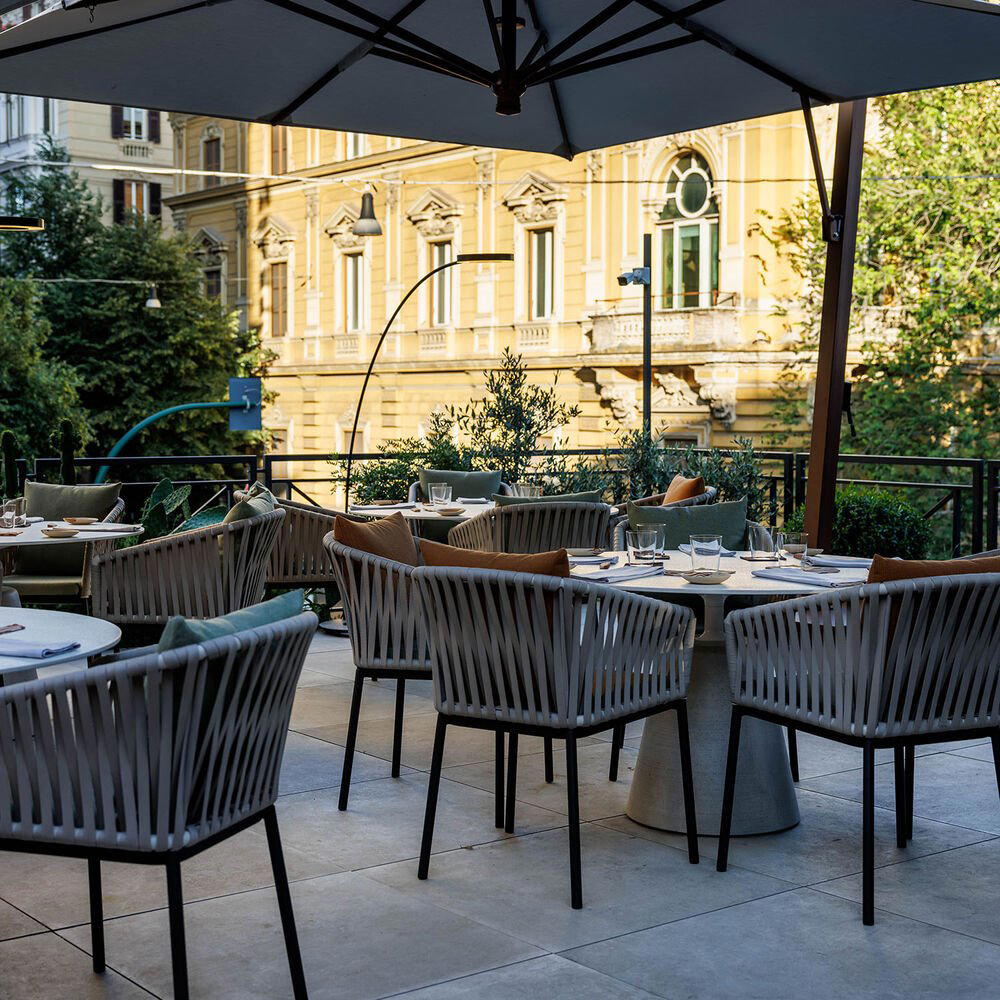
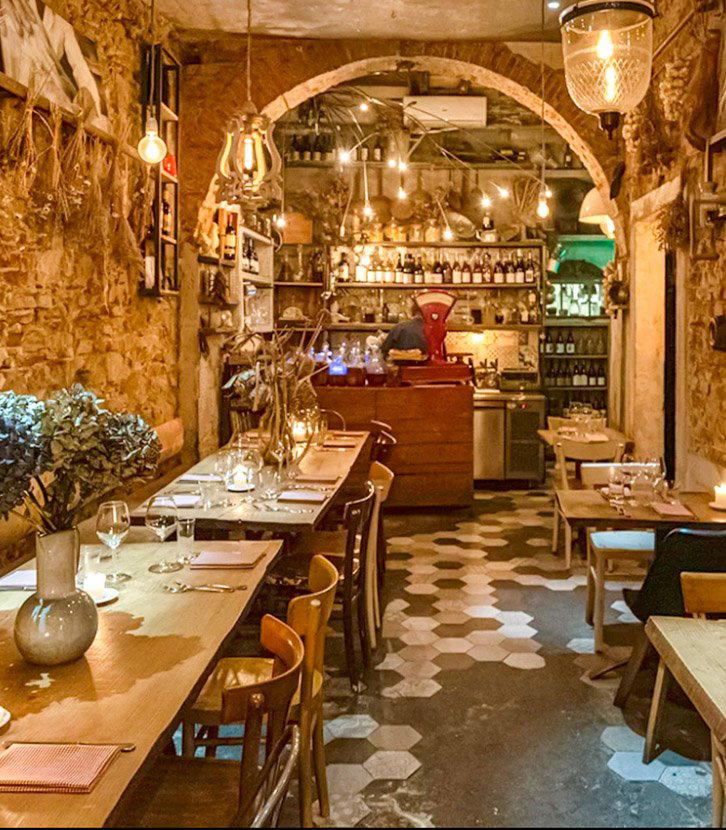
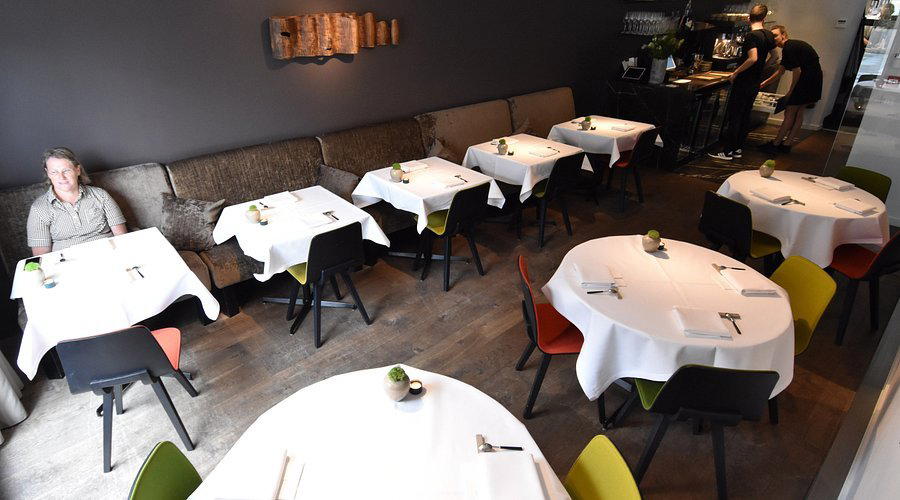
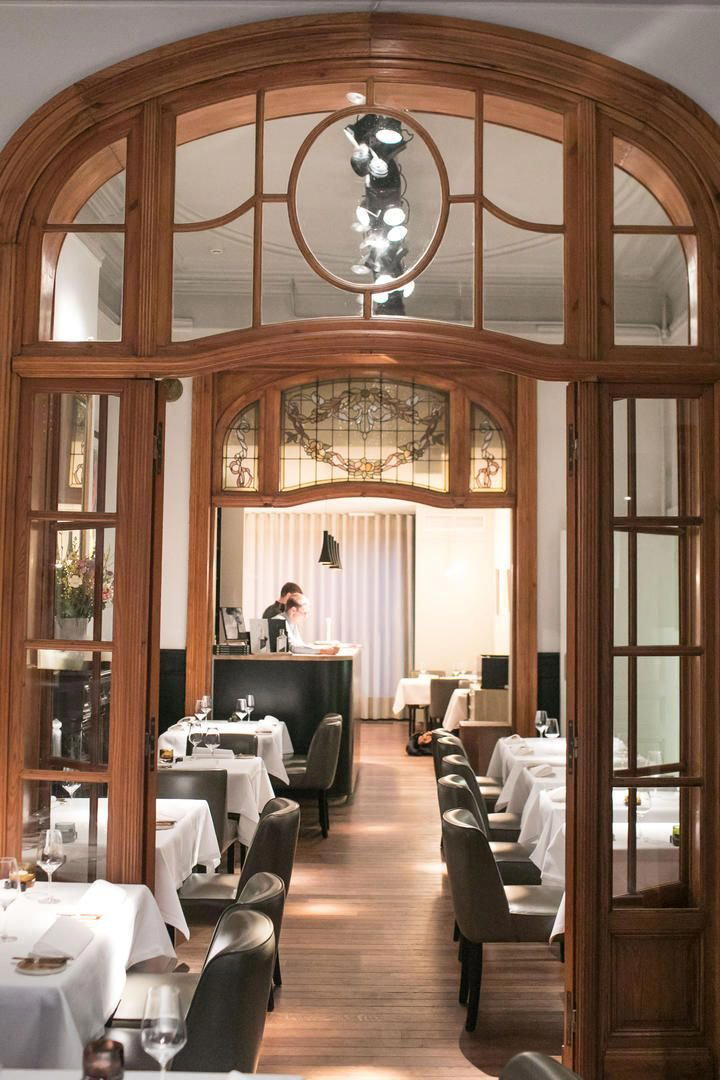
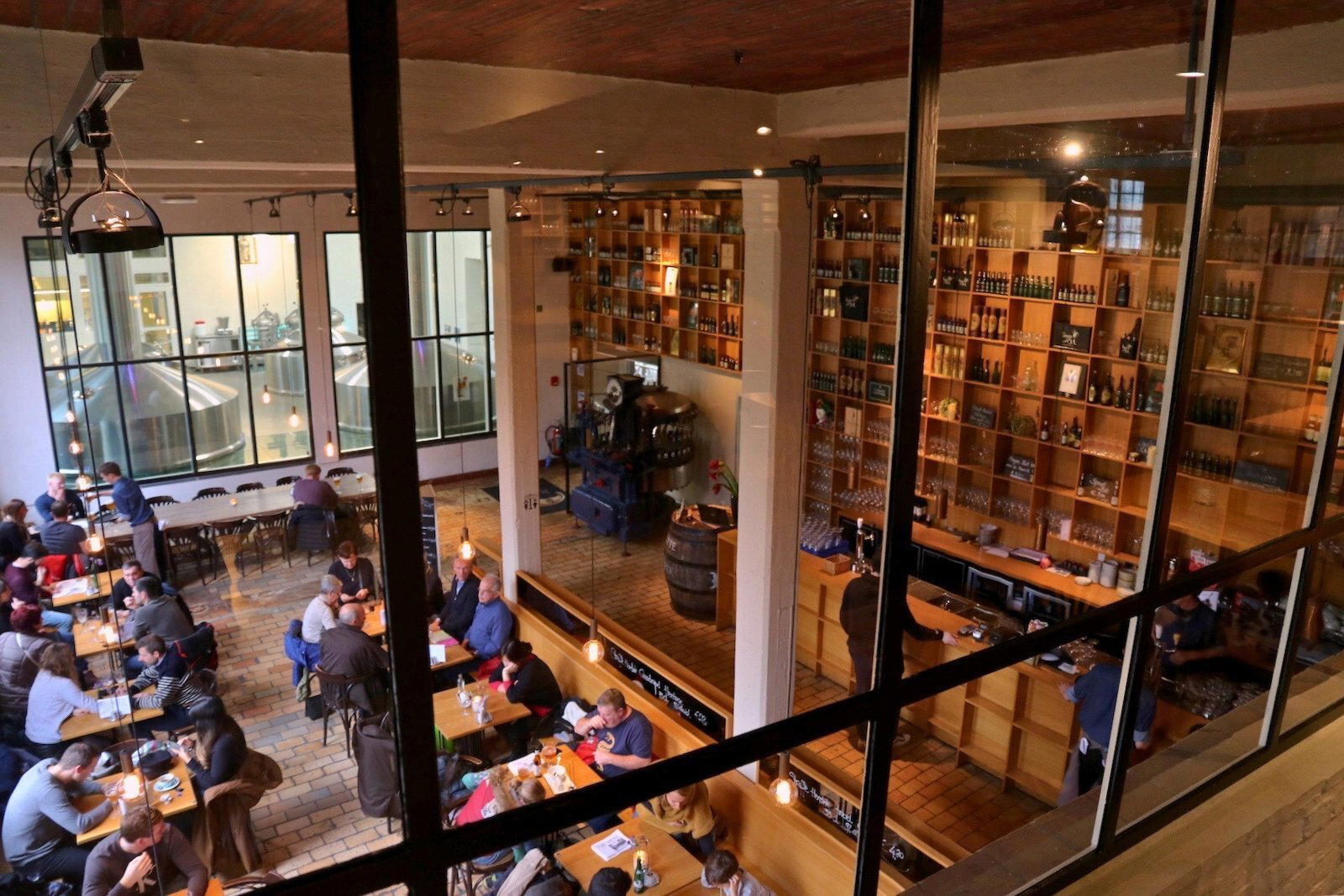
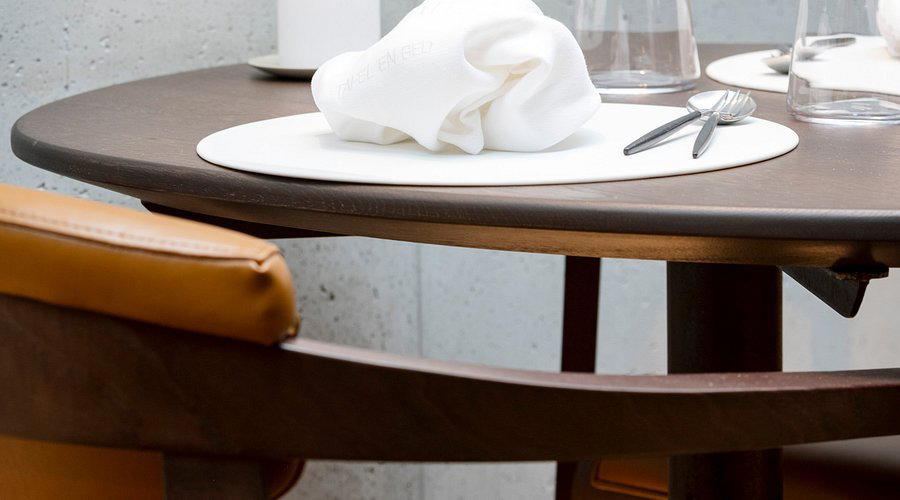
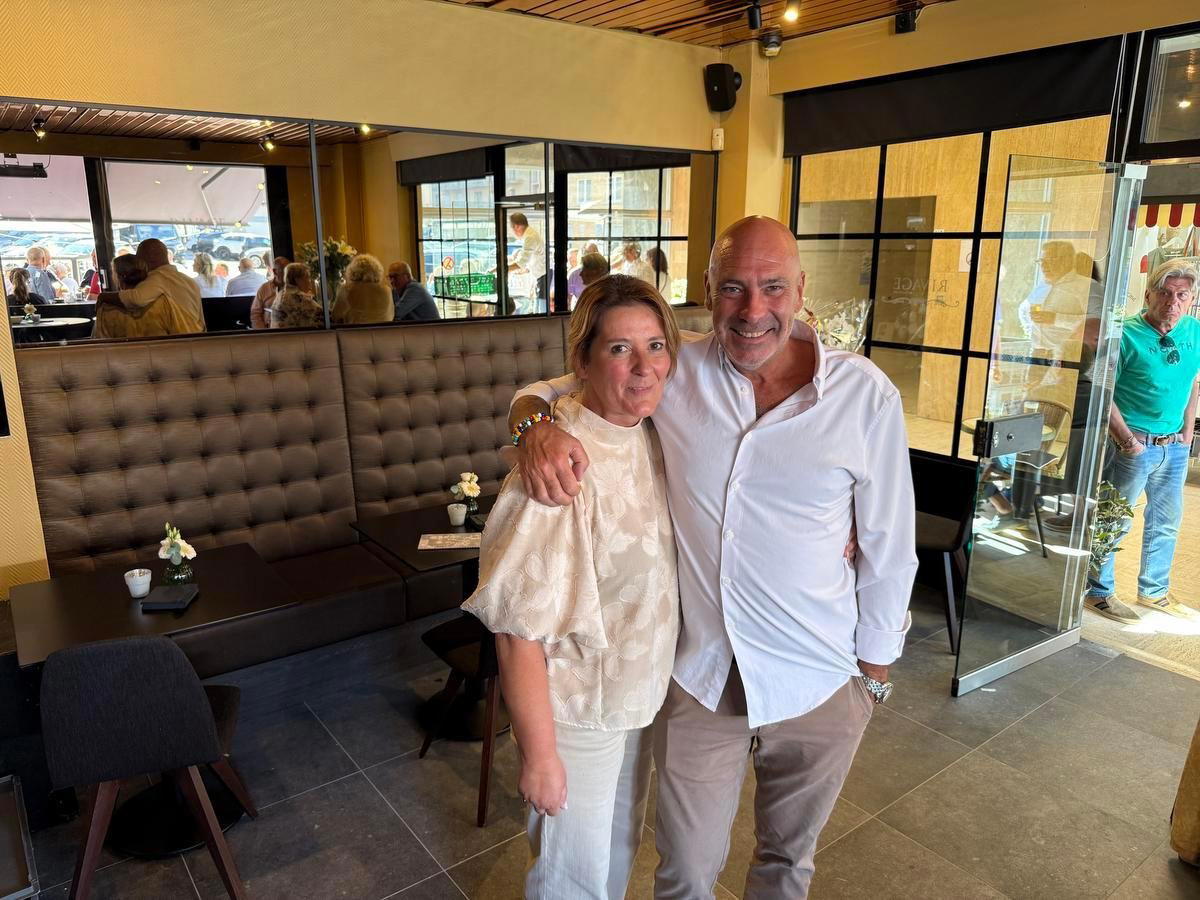
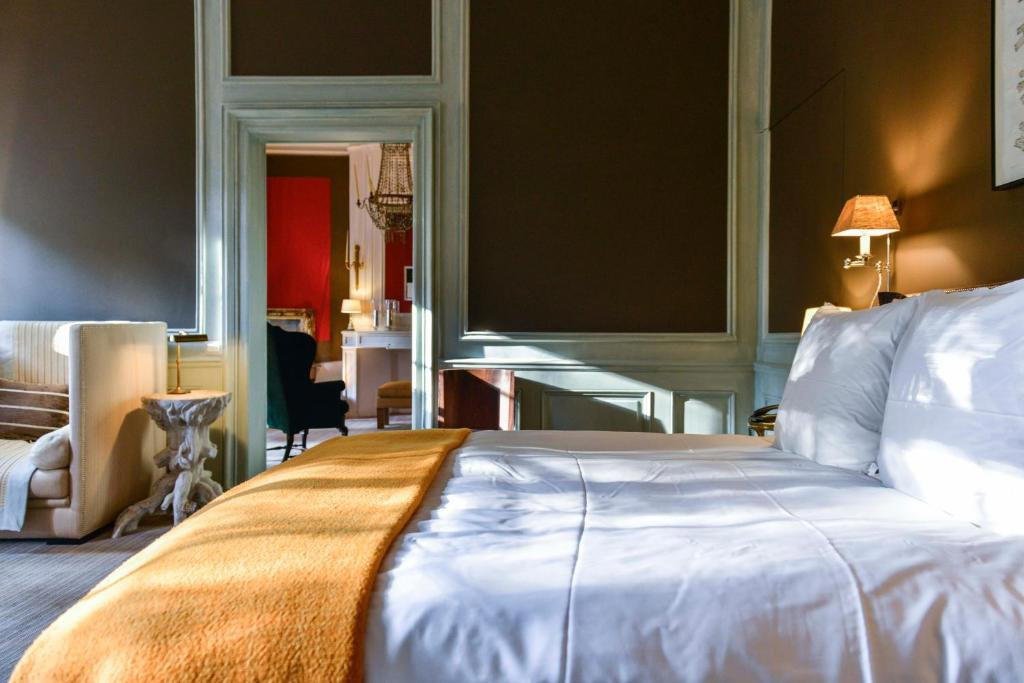
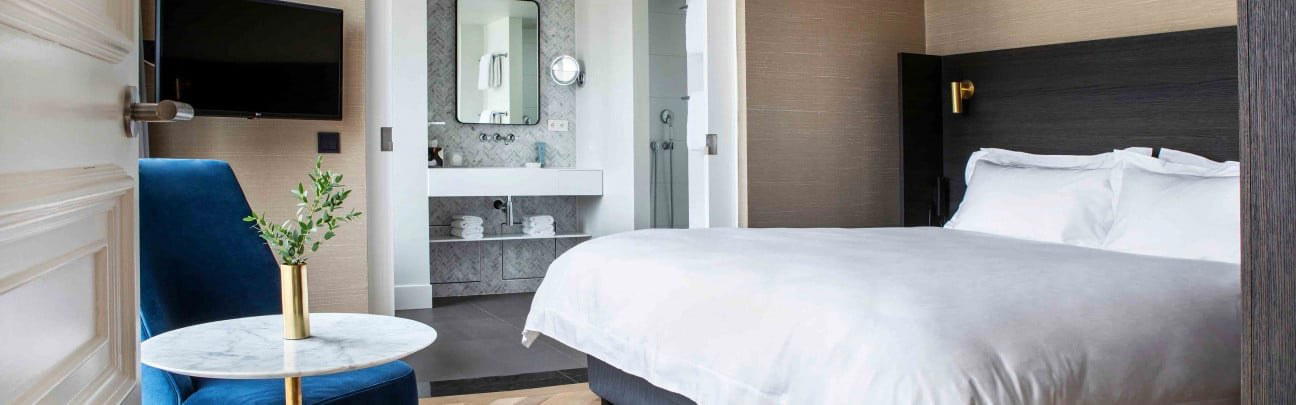
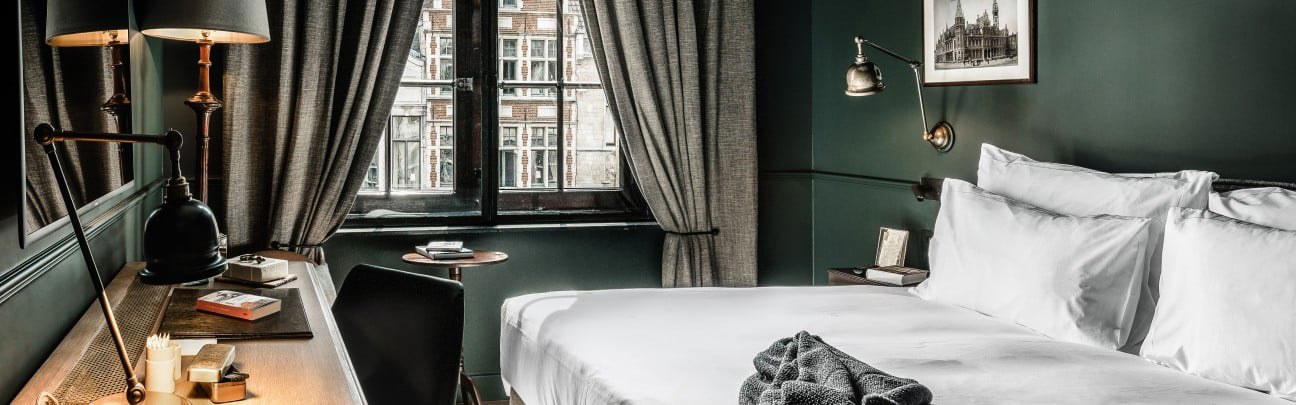
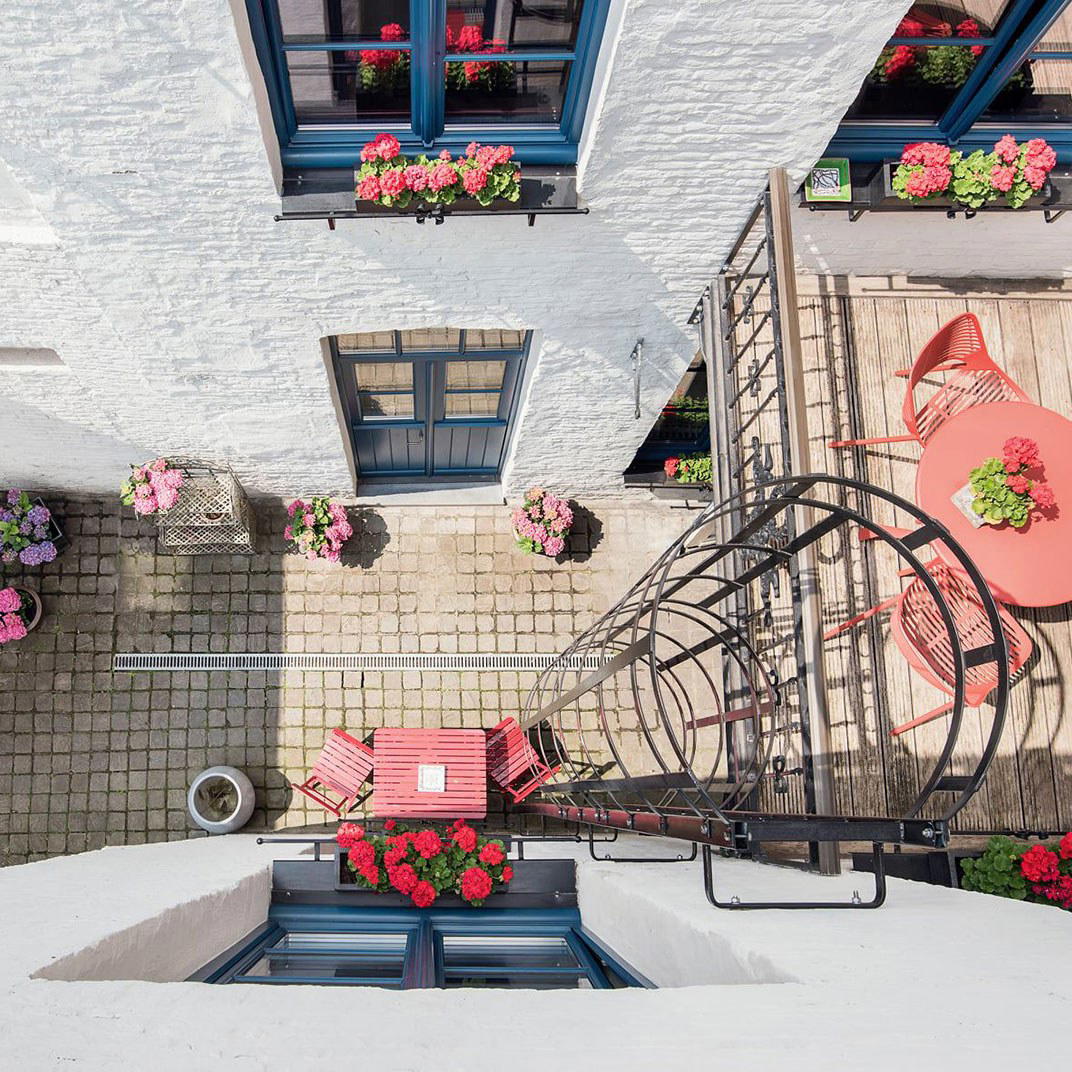
Cozy and stylish classic interior with a calm atmosphere, complemented by a pleasant terrace overlooking the river.