On De Haan's seafront promenade, Casanova occupies a position shaped by Belgium's West Flemish coast, where the sourcing question is rarely abstract, the North Sea is visible from the window. The restaurant sits within a compact resort town whose dining scene ranges from casual fish cafés to more considered tables, giving it a specific role in a small but genuinely food-conscious community.
Pearl is the En Primeur Club membership app — saves, bookings, and concierge access live there. Same editors, same standards.
- Address
- Zeedijk-De Haan 15, 8420 De Haan, Belgium
- Phone
- +3259234555
- Website
- casanova-dehaan.com
- Directions
- Get directions
 Saves & bookings on Pearl
The Promenade and What It Promises
De Haan's seafront has a particular quality that most Belgian coastal towns have lost to postwar development: low-rise Belle Époque architecture, a tram line that connects to Ostend and Knokke, and a building code strict enough to have preserved something close to the original resort character. The Zeedijk promenade, where Casanova sits at number 15, faces the North Sea directly. In that geography, ingredient sourcing is less a marketing decision than a practical one. The water that defines the view is also the water that defines what ends up on the plate at any serious table along this stretch of coast.
West Flanders produces a coastal dining tradition that differs meaningfully from the Michelin-dense inland Belgian scene anchored in cities like Ghent, Antwerp, and Roeselare. The coast tilts toward the catch: grey shrimp peeled by hand in towns like Nieuwpoort, sole from the Vlakte van de Raan, mussels from Zeeland just across the Dutch border, and razor clams that arrive in local fish markets with a frequency and freshness that inland restaurants spend more effort and money to replicate. For a restaurant on the Zeedijk, proximity to that supply chain is the founding condition of the menu, not an optional credential.
Where Casanova Sits in De Haan's Dining Scene
De Haan supports a small but layered restaurant scene relative to its population. The town operates primarily as a weekend and summer destination for Belgians from Brussels and the Flemish interior, which means its restaurants serve an audience with relatively high expectations and a clear reference point: the country's inland fine dining circuit. That circuit includes tables like Boury in Roeselare, Zilte in Antwerp, and Hof van Cleve in Kruishoutem, all operating in the upper tier of Belgian gastronomy with recognized credentials. Coastal restaurants are not typically competing in that bracket, but their clientele arrives having eaten there, which raises the implicit standard.
Within De Haan specifically, the restaurant comparison set includes Markt XI, which operates in the modern cuisine register at the €€€ price tier, alongside L'Espérance, Poincaré, and Yelo. This is a town where the dining options are genuinely curated rather than exhaustive, meaning each address carries a more distinct role than it might in a larger city. Casanova's position on the Zeedijk, facing the sea, gives it a natural orientation toward the coastal tradition rather than the modern-tasting-menu format that defines Markt XI's positioning.
The North Sea Sourcing Argument
Belgium's coastal sourcing story is less visible internationally than it deserves. The country's fishing fleet is small by European standards, but what it catches is high-quality and geographically specific. Flat fish from the shallow southern North Sea, particularly sole and plaice, have a texture and fat content shaped by the cold, tidal conditions of the Belgian coastal zone. Grey shrimp from this region have a protected geographic indication under EU law, which reflects both their distinct flavor profile and the artisanal catch method, small shrimp trawlers working close to shore, with the catch still sometimes sorted and peeled by hand. For a restaurant on the Zeedijk, the argument for using these ingredients over imported alternatives is not just culinary; it's geographic coherence.
This sourcing model differs from what you find at destination fish restaurants elsewhere in Europe. At the highest level of the genre, tables like Le Bernardin in New York City build their identity around sourcing from multiple coasts and importing precision. The Belgian coastal restaurant tradition works from a narrower, more local palette, which creates a different kind of discipline: the menu follows the season and the catch rather than the other way around. That constraint, when observed seriously, produces menus that change faster and more genuinely than most.
Context Beyond De Haan
The wider Belgian dining scene offers reference points that help calibrate expectations. Willem Hiele in Oudenburg, a short distance inland from the coast, has built a nationally recognized table on exactly this kind of hyper-local, fermentation-forward approach to West Flemish produce. Vrijmoed in Ghent and Bozar Restaurant in Brussels represent the more urban end of Belgian contemporary cooking. Elsewhere in the country, addresses like La Durée in Izegem, Cuchara in Lommel, Ralf Berendsen in Neerharen, d'Eugénie à Emilie in Baudour, and Le Chalet de la Forêt in Uccle demonstrate how varied Belgium's regional dining identity has become. That diversity makes the coastal tradition, rooted in proximity to a specific body of water, a distinct and coherent strand rather than a provincial consolation prize.
For readers comparing coastal destination dining internationally, the community-led, produce-driven format at this price and scale has parallels at places like Lazy Bear in San Francisco, where the sourcing argument shapes the format rather than decorating it.
Planning a Visit
De Haan is accessible by the coastal tram from Ostend, which connects to the national rail network, making it genuinely reachable without a car, the journey from Ostend central station takes around 20 minutes. The town's peak season runs from late June through August, when weekend tables at any address with a following will need advance planning. The shoulder seasons, particularly May and September, offer the same coastal landscape with a quieter register and, at fish-forward restaurants, often a stronger catch from waters that are less disrupted by recreational boat traffic. Zeedijk 15 is on the seafront itself, so orientation on arrival is direct.
Casanova recommends reservations. Hours: Mon, Tue, Fri, Sat, and Sun, 12 to 2 PM and 6 to 9 PM; closed Wed and Thu.
How It Stacks Up
Comparable venues nearby, for context on price, style, and recognition.
| Venue | Cuisine | Price | Awards | Notes |
|---|---|---|---|---|
| CasanovaThis venue — the venue you are viewing | Belgian Seafood with Southern Touch | $$ | Not listed | Not listed |
| Poincaré | Modern Belgian Bistro | $$ | Not listed | Wenduine |
| Yelo | Seasonal North Sea Seafood Fine Dining | $$$ | Not listed | Wenduine |
| L'Espérance | Refined French-Belgian Seasonal Tasting Menu | $$$$ | Not listed | De Haan |
| Markt XI | Modern Belgian Fine Dining | $$$$ | Michelin Plate | Klemskerke |
| De Verloren Hoek | Belgian Fusion Tapas | $$ | Not listed | St-anna |
At a Glance
- Romantic
- Elegant
- Cozy
- Scenic
- Date Night
- Special Occasion
- Waterfront
- Extensive Wine List
- Local Sourcing
- Waterfront
Current opening hours
- Monday
- 12–2 PM, 6–9 PM
- Tuesday
- 12–2 PM, 6–9 PM
- Wednesday
- Closed
- Thursday
- Closed
- Friday
- 12–2 PM, 6–9 PM
- Saturday
- 12–2 PM, 6–9 PM
- Sunday
- 12–2 PM, 6–9 PM
Hours can change for holidays and private events. Last verified .
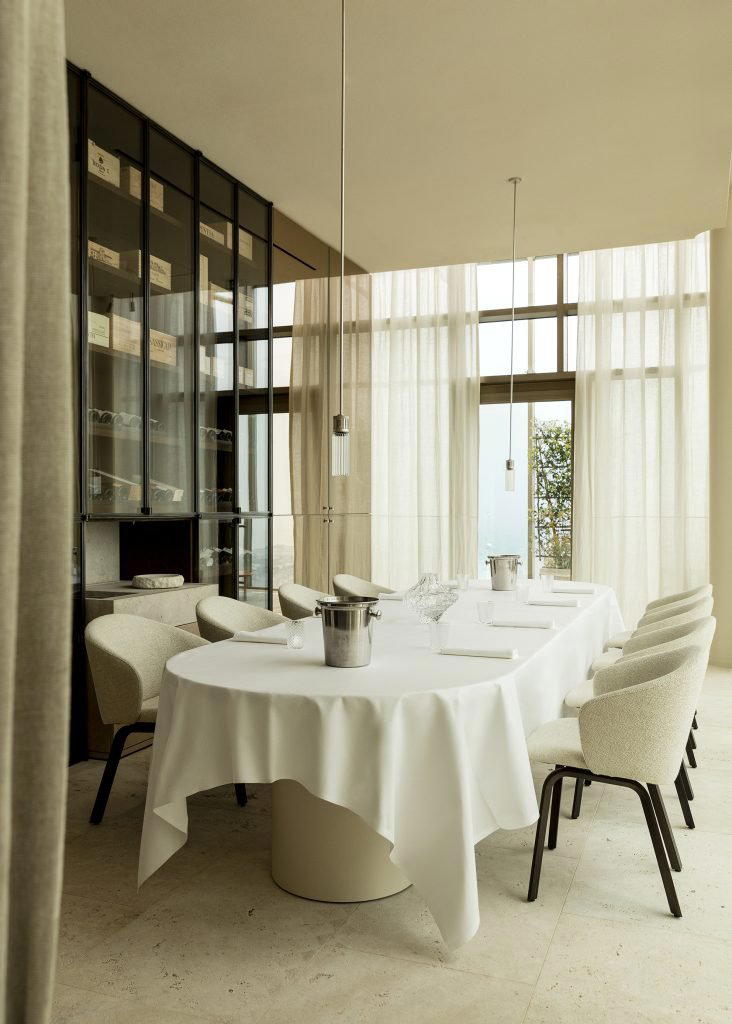
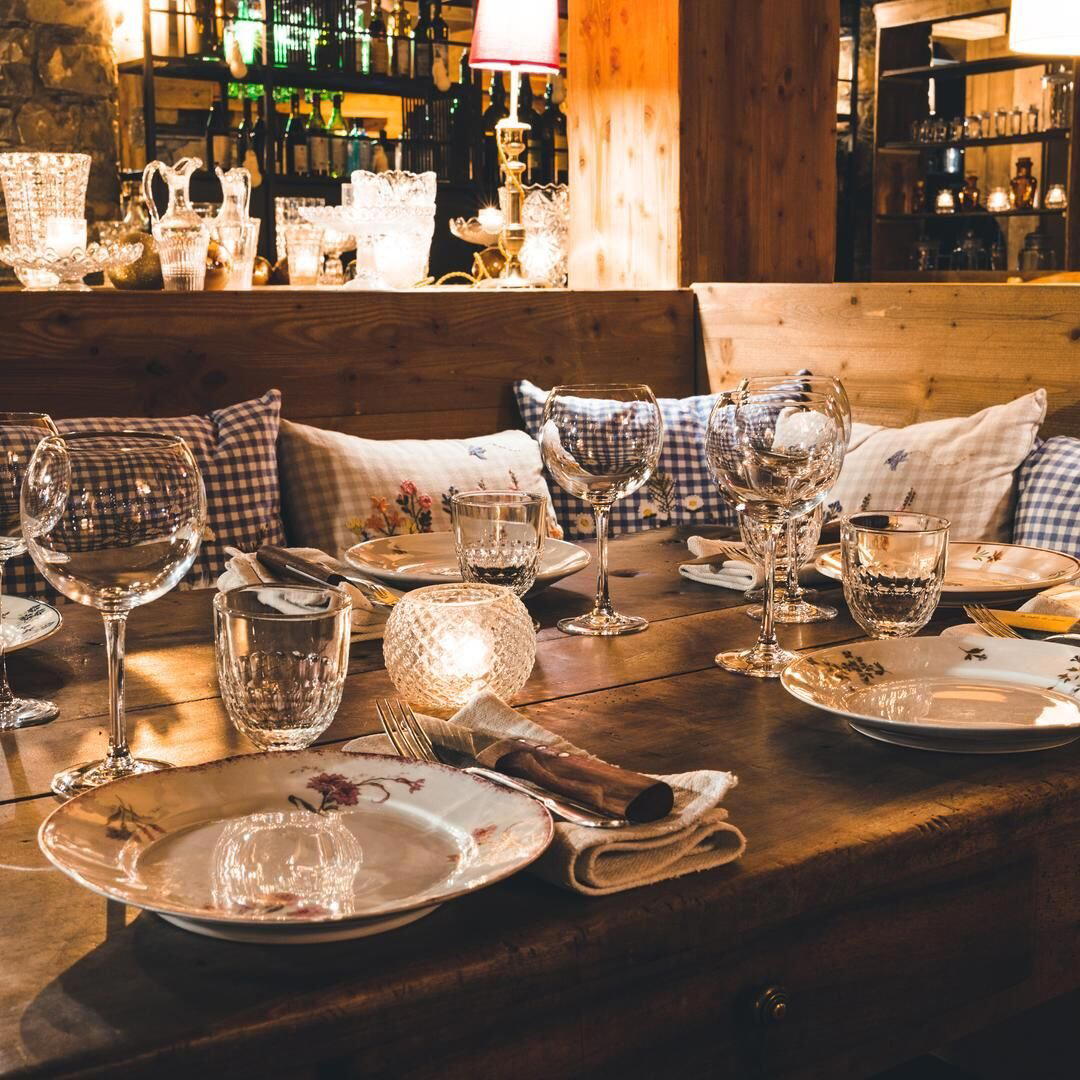
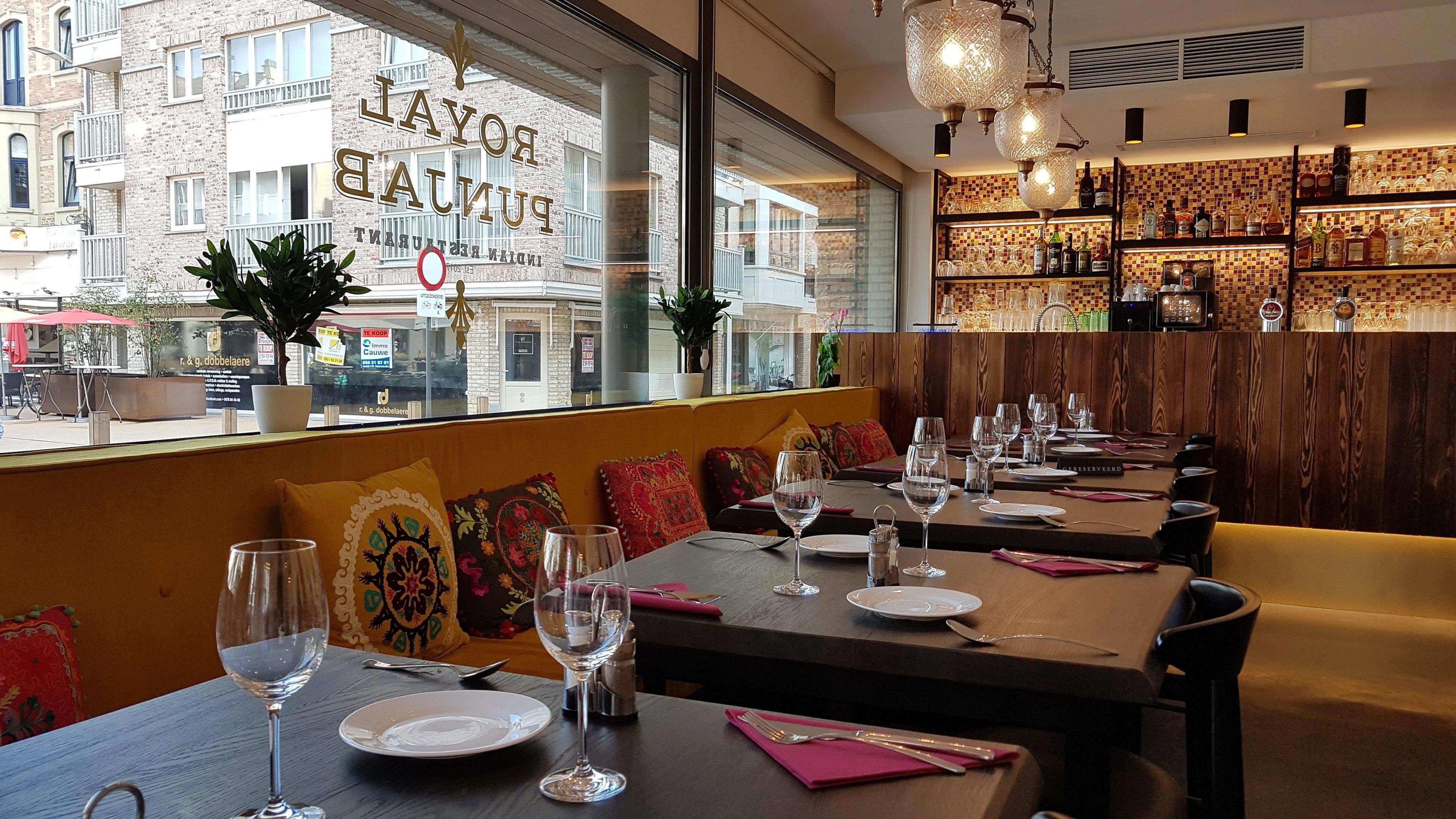
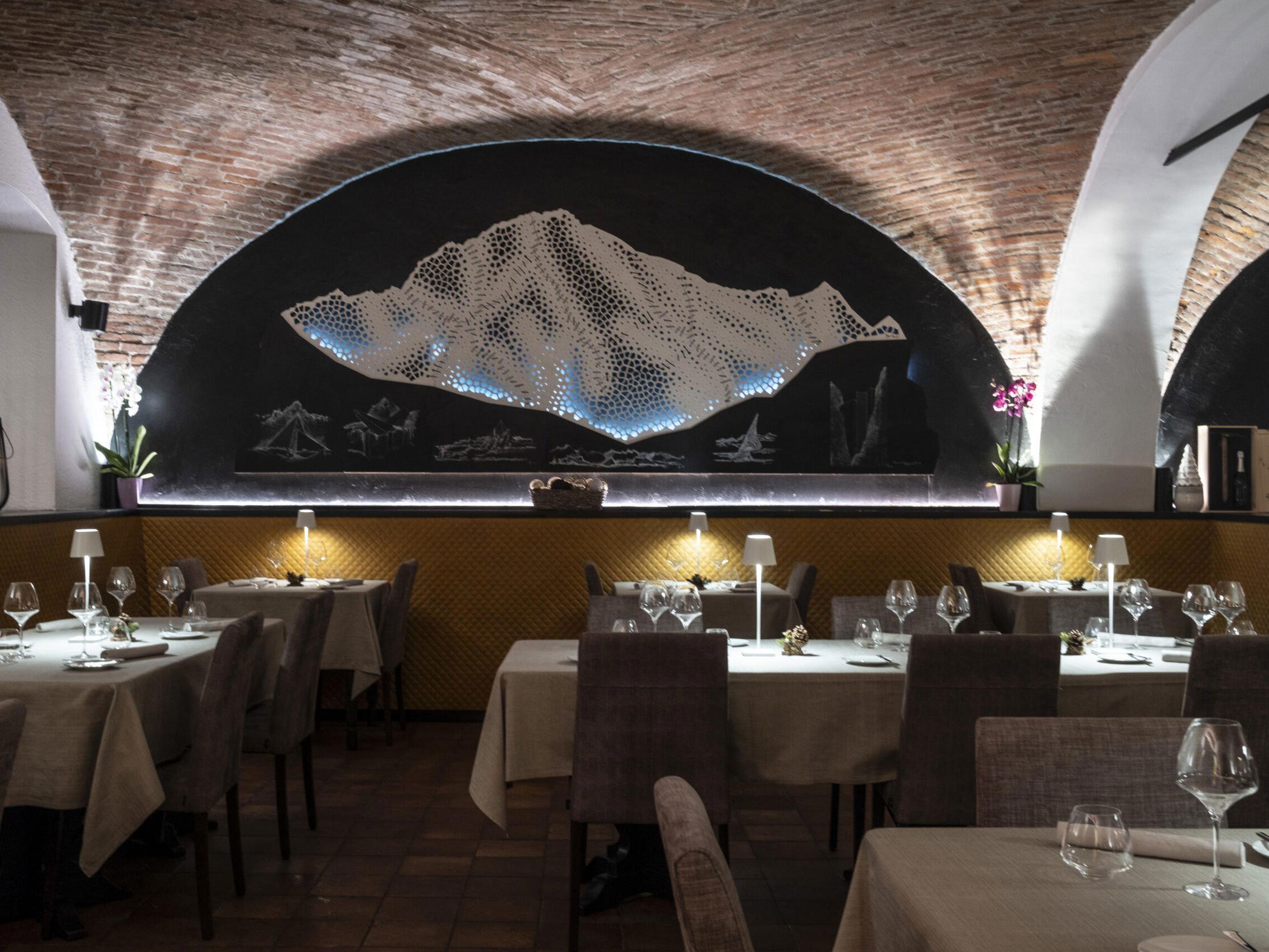
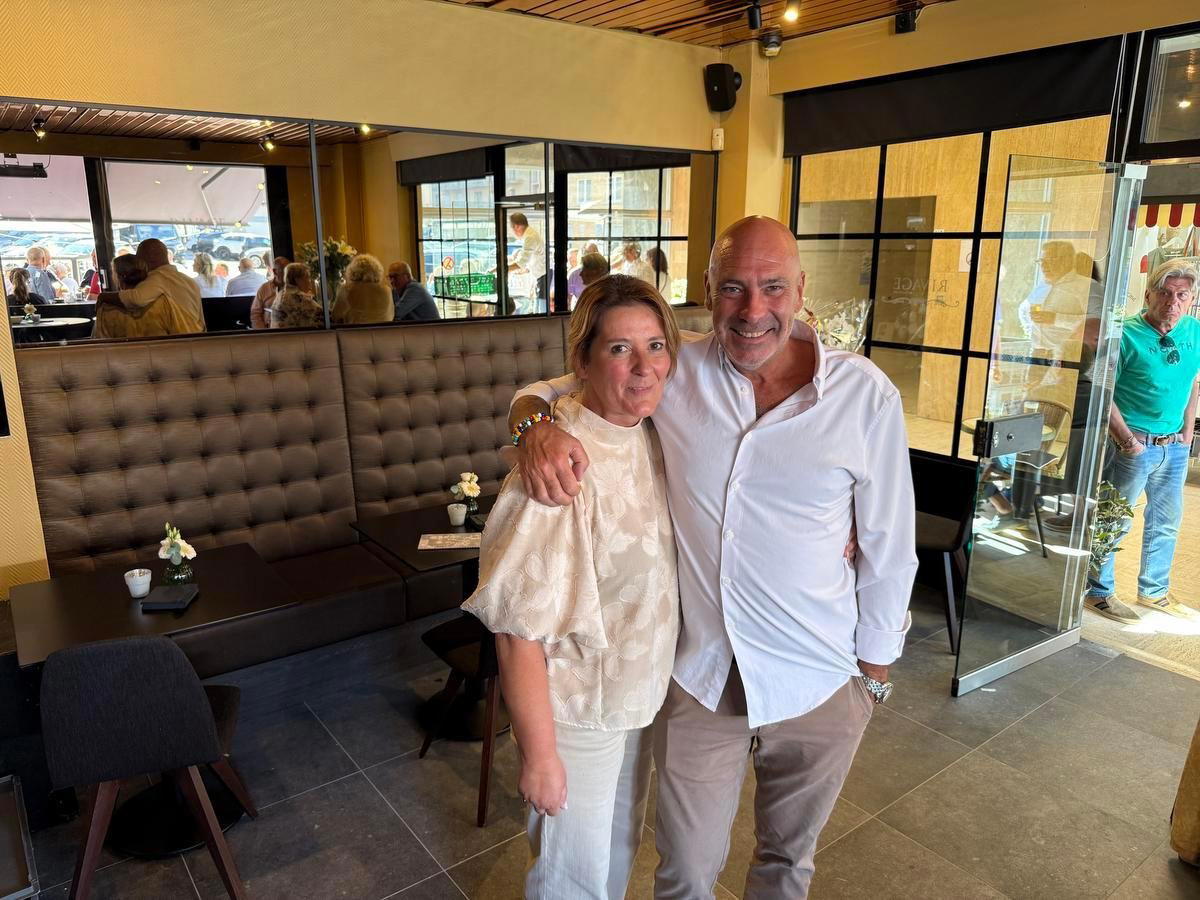
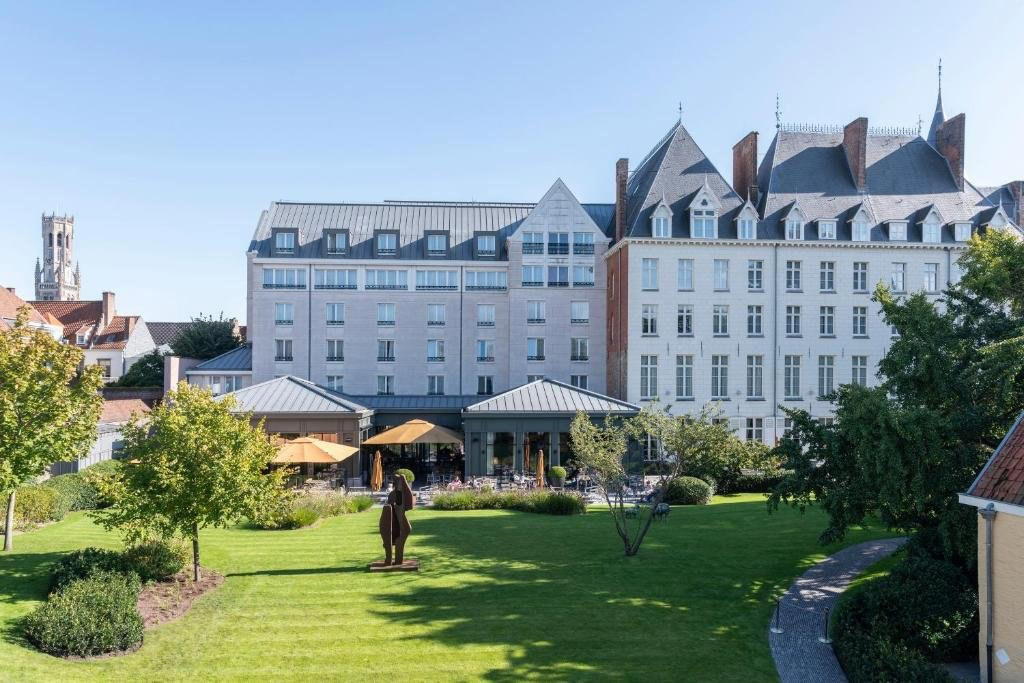
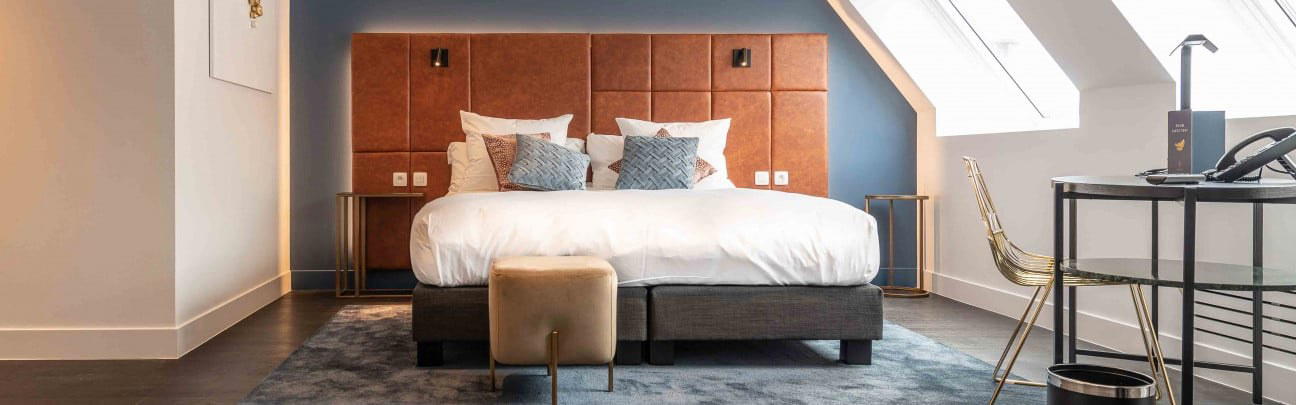
Cozy contemporary setting with welcoming interior and unobstructed sea views, described as classy and appealing.