
On Carrer del Rec in the El Born quarter of Ciutat Vella, Marlowe occupies a position within one of Barcelona's most considered dining neighbourhoods. The address places it alongside a generation of restaurants rethinking how sourcing, waste, and seasonality interact on the plate, a conversation that runs through the city's serious cooking scene and well beyond it.
Pearl is the En Primeur Club membership app — saves, bookings, and concierge access live there. Same editors, same standards.
- Address
- Carrer del Rec, 24, Ciutat Vella, 08003 Barcelona, Spain
- Phone
- +34659867712
- Website
- marlowe.bar
- Directions
- Get directions
 Saves & bookings on Pearl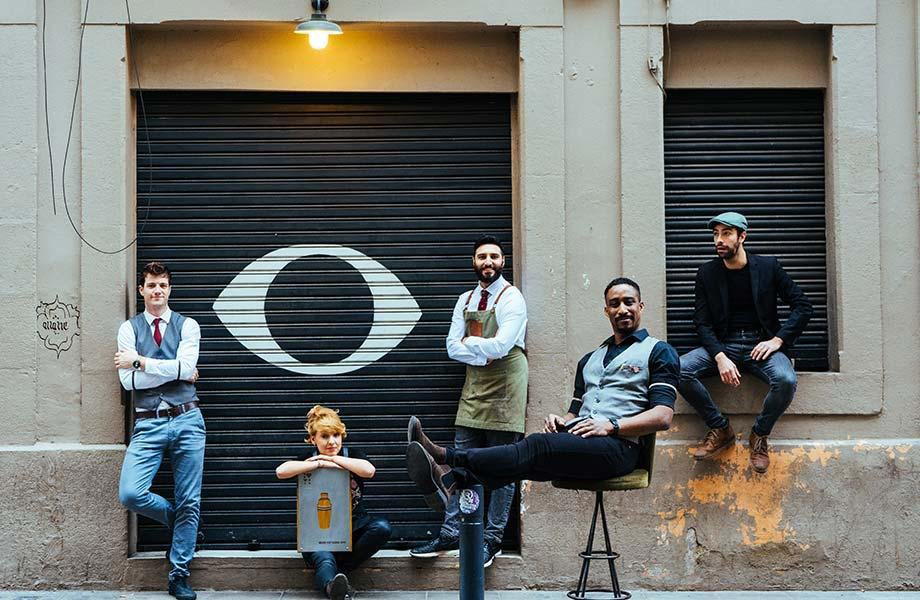
El Born's Quiet Argument for Responsible Cooking
Carrer del Rec runs through the heart of El Born, a street whose textile-trade history has given way to one of Barcelona's most concentrated clusters of independent restaurants and bars. The neighbourhood sits between the Gothic Quarter and the Ciutadella park, and its dining culture has developed along lines distinct from the tourist-facing Barceloneta waterfront or the high-modernist rooms of the Eixample. Here, the dominant register is smaller, more considered, and more attuned to what is actually in season, a character that makes El Born a natural address for kitchens that take sourcing and sustainability seriously. It operates within that neighbourhood logic.
Where Marlowe Sits in Barcelona's Dining Structure
Barcelona's fine dining tier has consolidated around a recognisable set of names. Disfrutar and Cocina Hermanos Torres anchor the progressive-creative end of the market, both carrying multiple Michelin stars and operating at price points that reflect their international standing. Lasarte and ABaC occupy similar territory, and Enigma pursues a more theatrical, immersive format at the higher end of the price range. Below that tier, a second layer of restaurants operates with serious ambition but without the overhead, or the visibility, of the starred rooms. Marlowe belongs to that second layer, positioned in El Born rather than the Eixample, and working within a framework that prioritises editorial sourcing decisions over spectacle.
The distinction matters because sustainability in restaurant terms is not a single position. It ranges from front-of-house greenwashing, recycled paper menus, a token herb garden, to structural decisions about supply chains, seasonal discipline, and waste accounting that actually change what ends up on the plate. The more interesting restaurants in Barcelona's mid-tier are increasingly making those structural decisions visible, and El Born's compact geography, with its proximity to the Mercat de Santa Caterina, makes daily market sourcing practical in a way that it simply is not for larger operations in more dispersed parts of the city.
The Sustainability Conversation in Spanish Kitchens
Spain's most discussed environmental approach to cooking comes from a specific set of references. Aponiente in El Puerto de Santa María, under Ángel León, has built its identity around marine sustainability and the use of overlooked seafood species, an approach that earned it three Michelin stars and a place in the broader conversation about what responsible sourcing looks like at the highest level. Azurmendi in Larrabetzu operates from a building designed around solar energy and rainwater harvesting, and holds three stars alongside a sustained commitment to Basque agricultural producers. These are the benchmark cases, and they set the terms against which other kitchens' environmental claims are measured.
Barcelona's own contribution to this conversation runs through restaurants that are less publicly associated with sustainability as a brand identity but make supply-chain decisions that reflect similar thinking. The city's access to Catalonia's agricultural interior, the Empordà, the Penedès, the Priorat, gives kitchens a genuinely local sourcing radius that many other major European cities cannot match. The question is whether individual restaurants use that access deliberately or simply by default. The more considered rooms in El Born tend to use it deliberately, building menus around what the season produces rather than what the season can be made to provide.
For broader context on how Barcelona's serious kitchens fit into Spain's wider dining structure, the work coming out of El Celler de Can Roca in Girona, Mugaritz in Errenteria, Arzak in San Sebastián, Martin Berasategui, Ricard Camarena in València, Quique Dacosta in Dénia, DiverXO in Madrid, and Atrio in Cáceres provides useful orientation. Internationally, Le Bernardin in New York City and Atomix in New York City represent comparable commitments to sourcing rigour in different culinary traditions.
El Born as a Neighbourhood Proposition
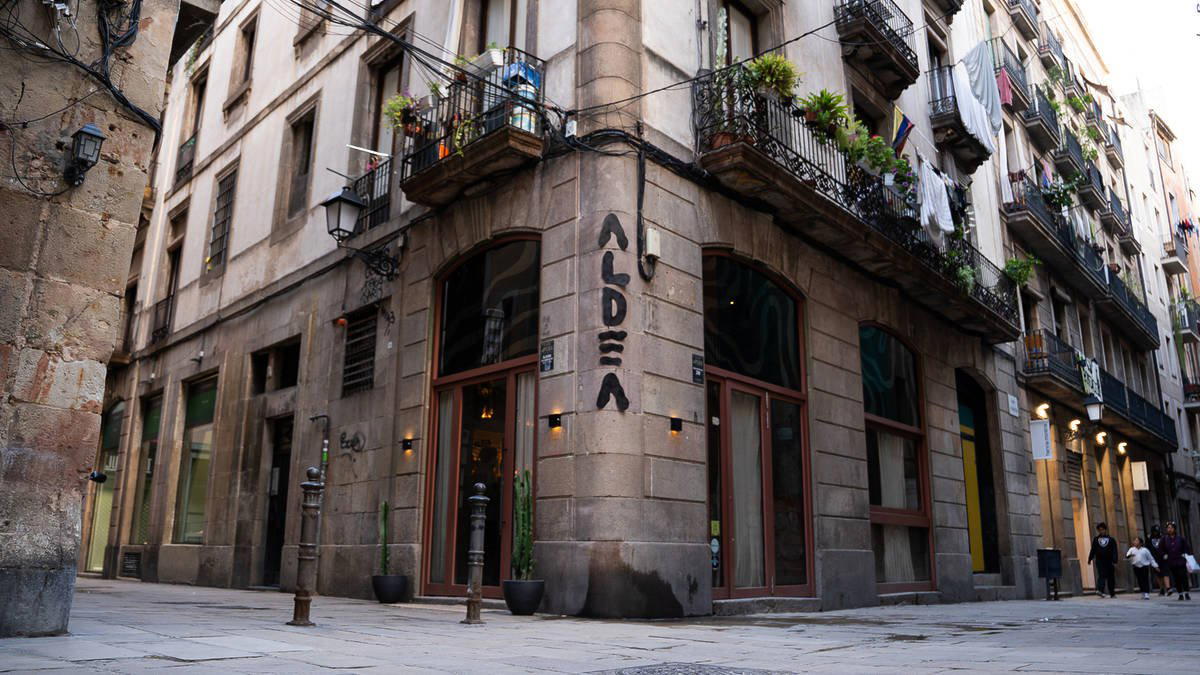
Approaching Marlowe from the Passeig del Born end of Carrer del Rec, the street narrows and the building scale drops. The architecture here is largely medieval and early-modern, with ground-floor retail and restaurant units occupying spaces that have been continuously adapted over centuries. The sensory register is different from Barcelona's grand boulevards: cobblestones, lower ambient noise, the smell of neighbouring bakeries and coffee bars in the morning hours before service. The neighbourhood's relationship with food is embedded rather than performed, which shapes expectations for the restaurants that open here.
El Born also benefits from proximity to the Mercat de Santa Caterina, the neighbourhood market designed by Enric Miralles, whose mosaic roof has become one of the quarter's architectural reference points. The market operates as a practical resource for the street's kitchens, supplying produce, fish, and meat to restaurants within walking distance, a supply chain relationship that reinforces the seasonal discipline that the better rooms in the area maintain.
Reading Marlowe Against Its comparable set
Within Barcelona's mid-tier, the relevant comparison set is restaurants that operate without starred recognition but with a clear editorial point of view about what they cook and where it comes from. That comparable set has grown over the past decade as the city's dining culture has matured beyond its initial star-chasing phase. Rooms that opened primarily to chase awards have tended to close or reformat; rooms that opened with a specific sourcing or cooking philosophy have tended to develop loyal local followings that sustain them through the slower tourism months of November through February.
Marlowe's Carrer del Rec address places it within this longer-term neighbourhood category rather than the short-cycle trend category, which is the more durable position to occupy in a city where visitor-driven demand can distort a restaurant's identity over time.
Know Before You Go
- Address: Carrer del Rec, 24, Ciutat Vella, 08003 Barcelona, Spain
- Neighbourhood: El Born, between the Gothic Quarter and Parc de la Ciutadella
- Nearest Metro: Barceloneta (L4) or Jaume I (L4), both within a short walk
- Leading approach: On foot through El Born; the street is narrow and not suited to vehicle drop-off
- Booking: Walk-ins are welcome.
- Price range: About $12 per person
- Context: One of several independent restaurants on Carrer del Rec operating with a neighbourhood-sourcing orientation
Side-by-Side Snapshot
Comparable venues nearby, for context on price, style, and recognition.
| Venue | Cuisine | Price | Notes |
|---|---|---|---|
| MarloweThis venue — the venue you are viewing | :null | $$ | Not listed |
| El Ñaño | Authentic Ecuadorian | $$ | la Sagrada Familia |
| SAGARDI BCN Gòtic | Traditional Basque Pintxos & Tapas | $$ | Sant Pere, Santa Caterina i la Ribera |
| Taller de Tapes | Traditional Spanish Tapas | $$ | Sant Pere, Santa Caterina i la Ribera |
| Irati Taverna Basca | Authentic Basque Pintxos | $$ | Barri Gotic |
| Taste of India | Authentic Indian | $$ | la Dreta de l'Eixample |
Recognition history
Dated appearances from independent guides and award organizations, with the underlying list record or original source where available.
Falstaff Bar - 92 Falstaff Points
Falstaff
Continue exploring
More in Barcelona
Restaurants in Barcelona
Browse all →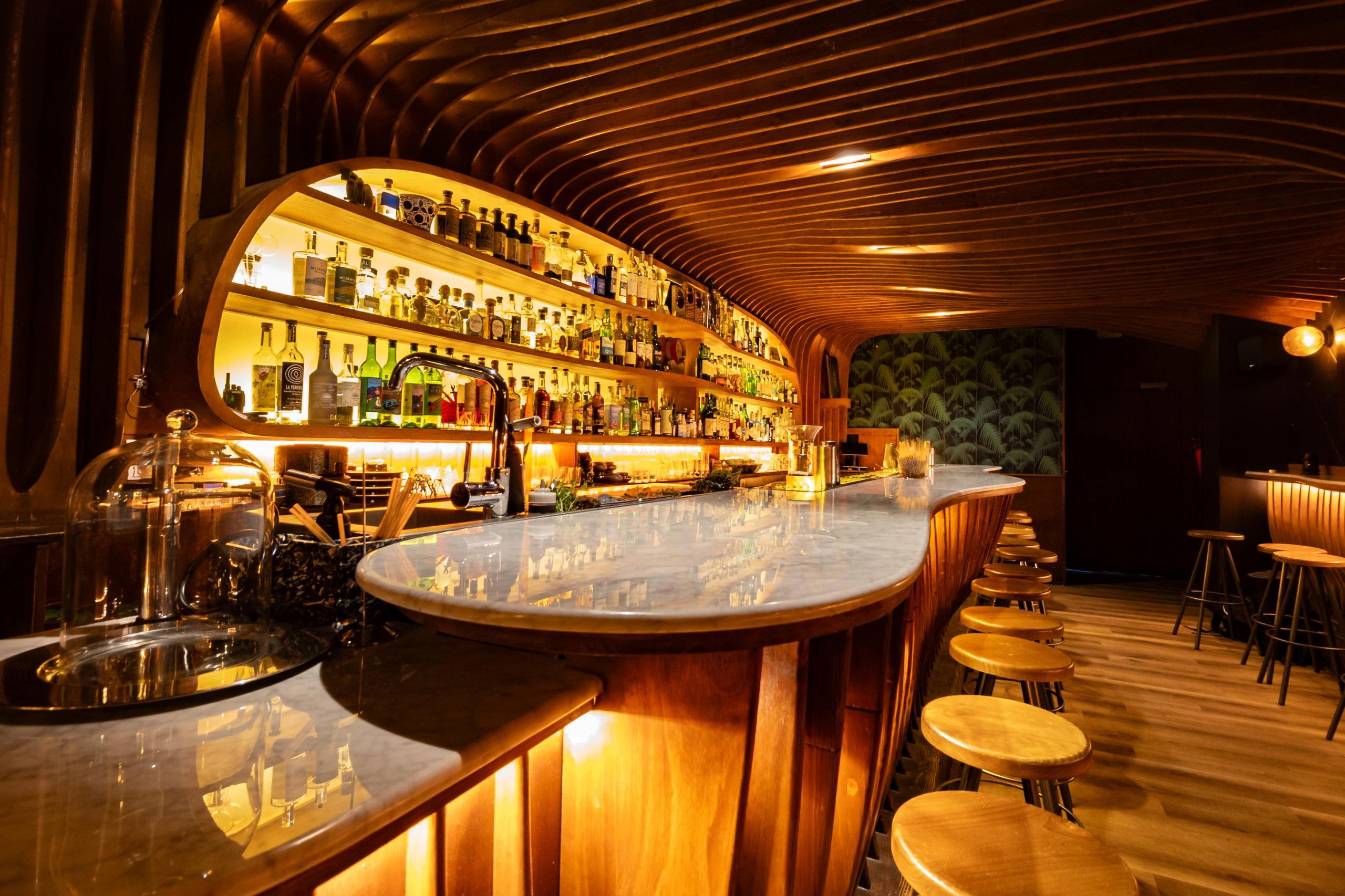
Bars in Barcelona
Browse all →
Hotels in Barcelona
Browse all →
At a Glance
- Intimate
- Classic
- Modern
- Trendy
- Date Night
- Casual Hangout
- Craft Cocktails
- Local Sourcing
Current opening hours
- Monday
- 7 PM–2:30 AM
- Tuesday
- 7 PM–2:30 AM
- Wednesday
- 7 PM–2:30 AM
- Thursday
- 7 PM–2:30 AM
- Friday
- 7 PM–3 AM
- Saturday
- 7 PM–3 AM
- Sunday
- 7 PM–2:30 AM
Hours can change for holidays and private events. Last verified .
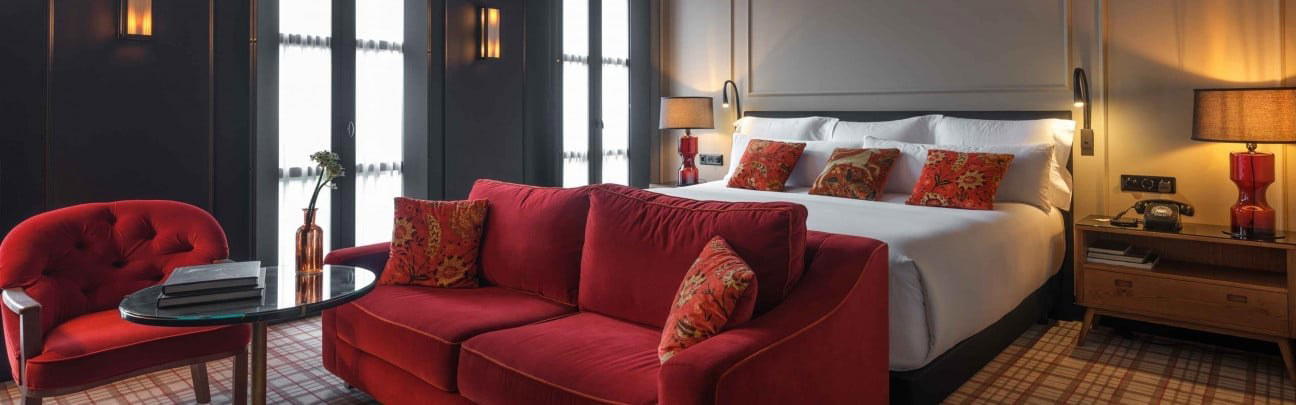
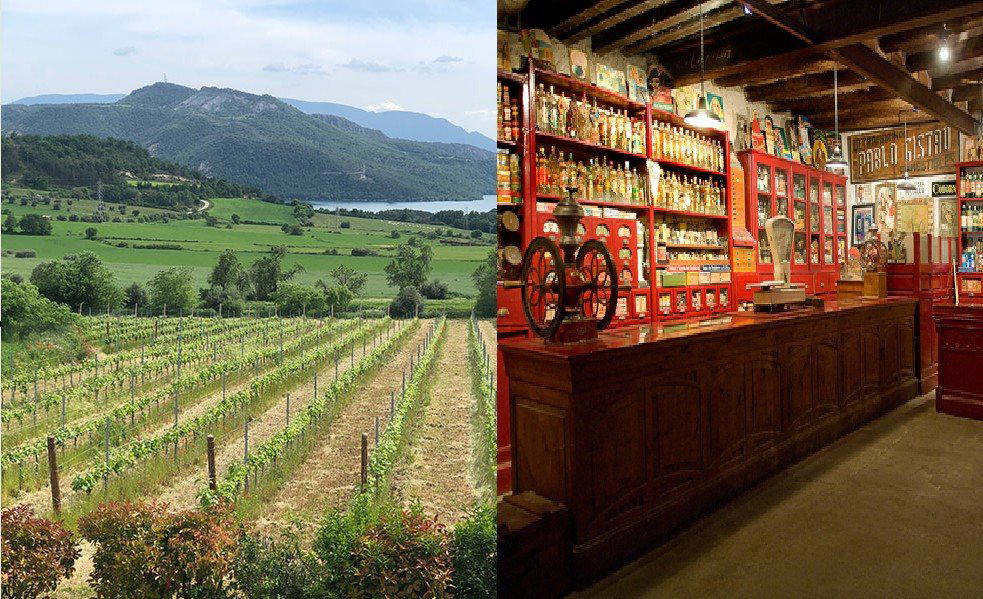
Moody noir atmosphere with art deco styling, moody hues, and a long polished mahogany bar evoking 1930s clandestine charm.