
Irati Taverna Basca brings the pintxos tradition of the Basque Country to the heart of Barcelona's Barri Gòtic, operating as one of the neighbourhood's most consistent references for northern Spanish bar culture. The format is rooted in counter eating, communal pacing, and the kind of informal ritual that defines San Sebastián's old quarter as much as the Catalan one. Located on Carrer del Cardenal Casañas, it sits within easy reach of La Boqueria and the Ramblas corridor.
Pearl is the En Primeur Club membership app — saves, bookings, and concierge access live there. Same editors, same standards.
- Address
- Carrer del Cardenal Casañas, 17, Ciutat Vella, 08002 Barcelona, Spain
- Phone
- +34 933 02 30 84
- Website
- iratitavernabasca.com
- Directions
- Get directions
 Saves & bookings on Pearl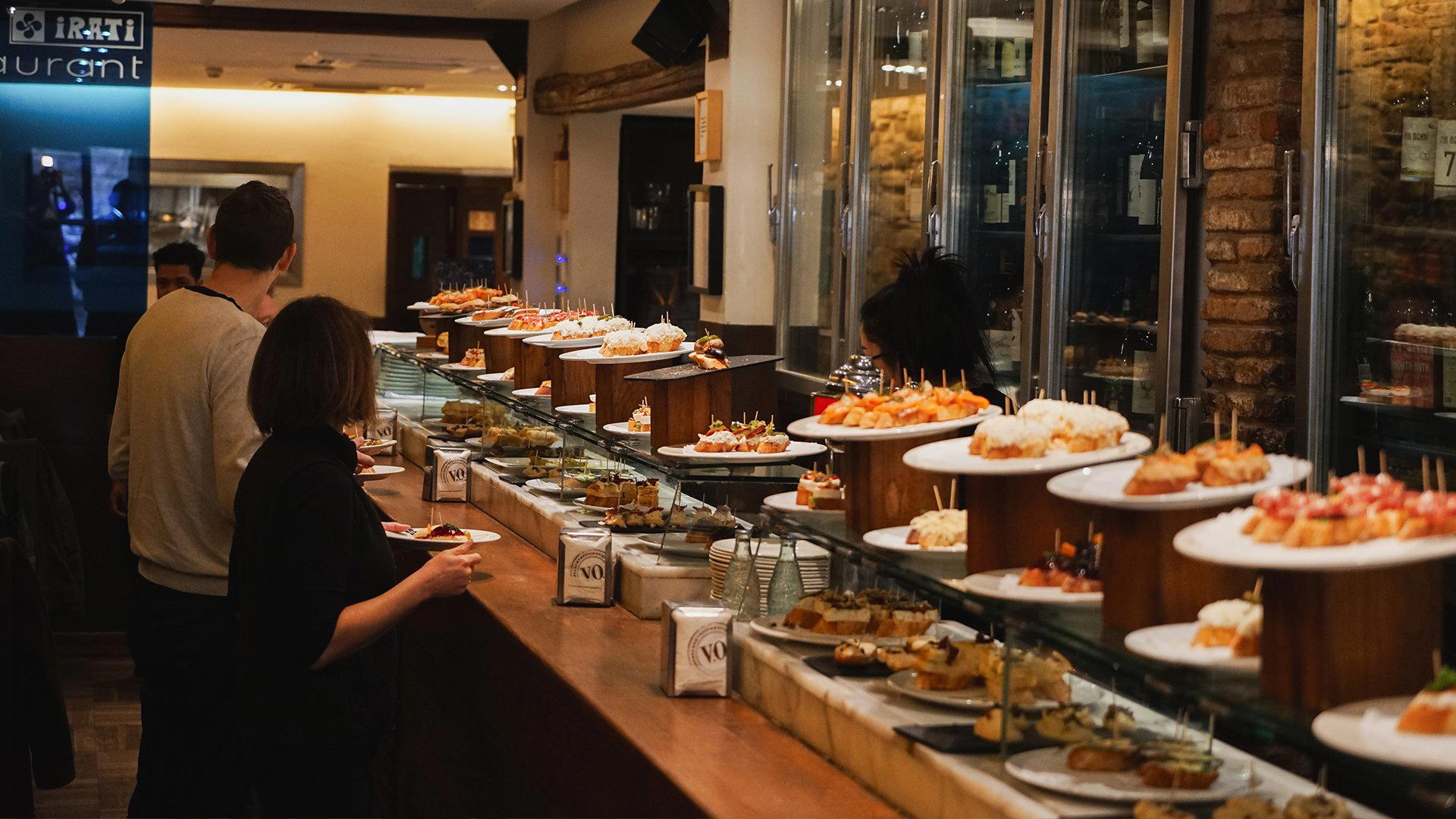
The Counter Ritual Before the Order Arrives
In the Basque Country, a pintxos bar works on a specific social contract: you stand, you scan the counter, you point, and the transaction is quick enough that a second round feels like the natural continuation of the first. This rhythm, honed across generations in the old quarters of San Sebastián and Bilbao, travels with the format wherever it lands. Irati Taverna Basca is a casual Basque pintxos restaurant in Barcelona's Ciutat Vella,395 reviews and an average spend of about $45 per person. On Carrer del Cardenal Casañas in Barcelona's Barri Gòtic, Irati Taverna Basca imports that contract with enough fidelity that the experience reads less like a themed outpost and more like a genuine extension of northern bar culture into Catalan territory.
The street itself sits between the Ramblas and the Plaça de Sant Jaume, inside a neighbourhood where tourists and locals share the same narrow pavements but rarely the same bars. Irati occupies a position where that separation narrows: the format is accessible enough that first-time visitors can read it immediately, but the quality threshold keeps the regulars returning. That balance is harder to hold than it sounds in a district as transient as the Barri Gòtic.
How the Basque Counter Format Works in Practice
The pintxos ritual differs from conventional restaurant dining in ways that matter to how you experience the food. There is no single tasting sequence, no waiter pacing your meal, and no natural endpoint imposed by a kitchen sending out courses. The structure is entirely self-directed: you move along the counter, identify what appeals, and accumulate rounds at your own tempo. This informality is sometimes mistaken for simplicity, but the better Basque bars in Spain use it to create a kind of focused attention on individual bites that a plated tasting menu cannot replicate.
At Irati, the counter format sits inside a room that reflects the typical geometry of the format: enough standing space, a bar that anchors the action, and a volume level that makes conversation easy without requiring the hushed register of a fine-dining room. For visitors arriving from the Michelin-heavy end of Barcelona's restaurant scene, whether from the structured tasting formats at Disfrutar or the progressive menus at Lasarte, Irati represents a shift in register rather than a step down in seriousness. The Basque pintxos tradition has its own craft hierarchy, and the better practitioners within it are working with technique and ingredient quality that sits comfortably alongside more formally structured dining.
Basque Tradition in a Spanish Context
The Basque food culture that Irati draws from is among the more internally coherent regional traditions in Spain. San Sebastián's old quarter operates on a density of pintxos bars that has no real equivalent elsewhere in Europe, and the accumulated culture around them, covering which establishments hold their cold pintxos to a higher standard, which ones produce better hot items to order, and how to pace a txikiteo (the local bar crawl) across an evening, constitutes a genuine body of knowledge. Venues like Arzak in San Sebastián and Mugaritz in Errenteria represent the fine-dining apex of that same regional tradition, while the pintxos bar sits at its democratic base. Both ends of the spectrum take the ingredient quality seriously.
In Barcelona, the Basque format occupies a specific niche. The city's own food culture runs toward market-driven Catalan cooking, the modernist creativity of restaurants like Enigma and ABaC, and a tapas tradition that overlaps with but does not replicate the northern bar model. A well-run Basque taverna in this environment serves a dual function: it gives Basque visitors a reference point, and it gives Catalan and international diners a format that operates on different logic from the city's dominant dining codes.
The broader Spanish fine-dining conversation, which includes institutions like El Celler de Can Roca in Girona, Azurmendi in Larrabetzu, and Martin Berasategui in Lasarte-Oria, draws heavily on Basque technique and produce. The pintxos bar tradition runs parallel to that conversation without feeding directly into it, maintaining a separate set of standards around counter presentation, bread quality, and the ratio of cold to hot items that distinguishes a serious practitioner from a tourist-facing approximation.
Where Irati Sits in Barcelona's Eating Sequence
Barcelona's Barri Gòtic presents a practical challenge for anyone eating well: the density of mediocre tourist-facing restaurants is high enough that knowing where to go requires some advance work. Within the neighbourhood, Irati functions as a reliable anchor point for the kind of eating that does not require a reservation weeks in advance or a commitment to a long tasting format.
For those building a broader Barcelona itinerary, the city's creative cooking tier, which includes Cocina Hermanos Torres and the progressive work being done at Disfrutar, demands advance planning and significant time at the table. Irati operates in a different slot: it suits a pre-dinner drink and snack, a late afternoon stop between Barri Gòtic sightseeing, or a first meal after arriving in the city without a longer booking in place. The pintxos format also pairs naturally with Basque txakoli or a glass of local vermouth, keeping the drink selection in the same casual-but-considered register as the food.
The comparison is not with Barcelona's formal tasting-menu dining, but with the small number of Basque-format bars in the city that keep the counter experience disciplined rather than decorative.
Planning Your Visit
Irati is located at Carrer del Cardenal Casañas, 17, in the Ciutat Vella district, within walking distance of the Liceu metro station on the green line. The Barri Gòtic is pedestrian-friendly, and the bar sits close enough to the Plaça de la Boqueria that it integrates naturally into a late-morning or early-afternoon market visit followed by a counter lunch. The pintxos format means you can arrive, eat, and leave within thirty minutes if the pace suits you, or extend the visit across an hour or more if you work through multiple rounds. Reservations are recommended, and the bar is open daily from 12 PM to 12 AM.
Cost and Credentials
Comparable venues nearby, for context on price, style, and recognition.
| Venue | Cuisine | Price | Notes |
|---|---|---|---|
| Irati Taverna BascaThis venue — the venue you are viewing | Barri Gotic, Authentic Basque Pintxos | $$ | Not listed |
| Taller de Tapes | Not listed | $$ | Sant Pere, Santa Caterina i la Ribera, Traditional Spanish Tapas |
| Santa Magdalena | la Vila de Gracia, Traditional Catalan | $$ | Not listed |
| Restaurant La Panxa del Bisbe | Not listed | $$ | la Vila de Gracia, Creative Catalan Tapas |
| Can Culleretes | Barri Gotic, Traditional Catalan | $$ | Not listed |
| Restaurant Amaya | Not listed | $$ | Barri Gotic, Traditional Basque and Mediterranean |
Recognition history
Dated appearances from independent guides and award organizations, with the underlying list record or original source where available.
Macarfi 7 Food Rating
Macarfi
Continue exploring
More in Barcelona
Restaurants in Barcelona
Browse all →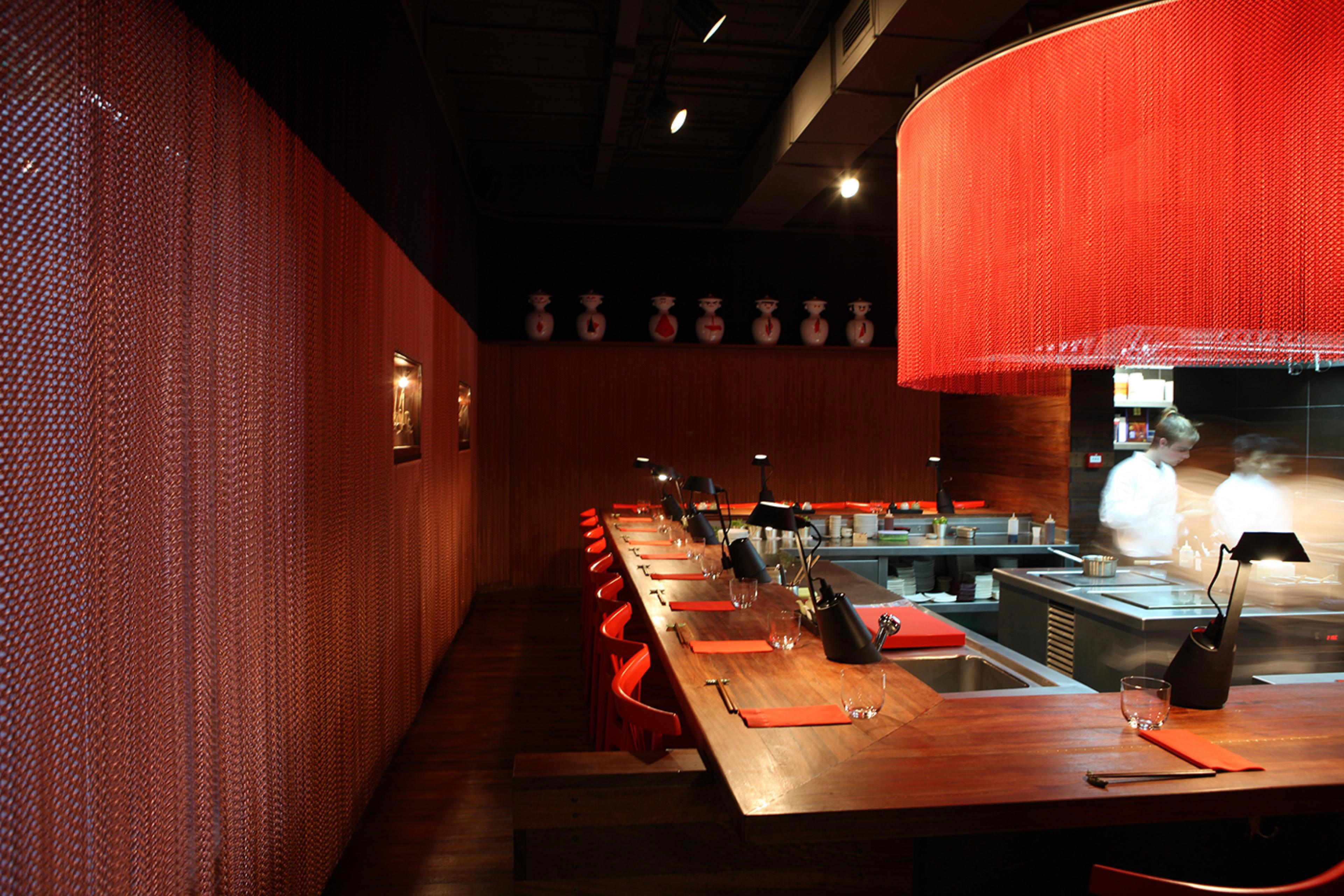
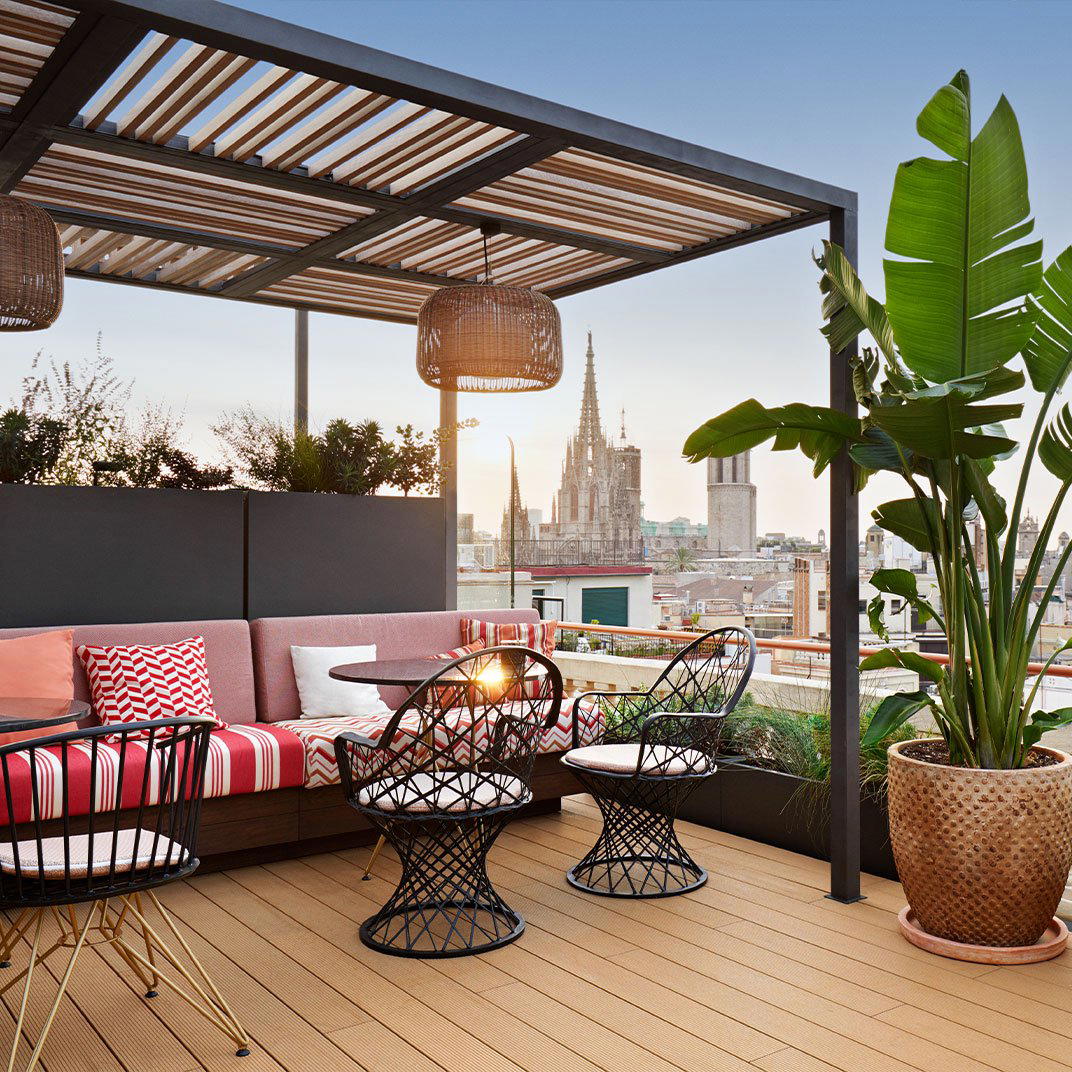
Bars in Barcelona
Browse all →
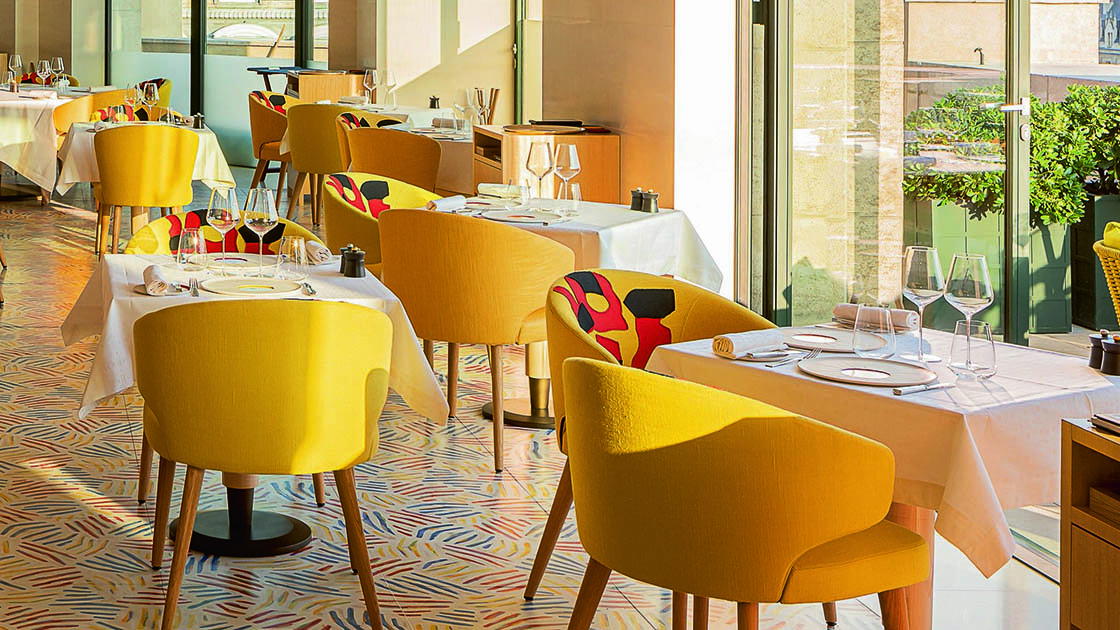
Hotels in Barcelona
Browse all →
At a Glance
- Rustic
- Lively
- Intimate
- Classic
- Casual Hangout
- Open Kitchen
- Extensive Wine List
Current opening hours
- Monday
- 12 PM–12 AM
- Tuesday
- 12 PM–12 AM
- Wednesday
- 12 PM–12 AM
- Thursday
- 12 PM–12 AM
- Friday
- 12 PM–12 AM
- Saturday
- 12 PM–12 AM
- Sunday
- 12 PM–12 AM
Hours can change for holidays and private events. Last verified .
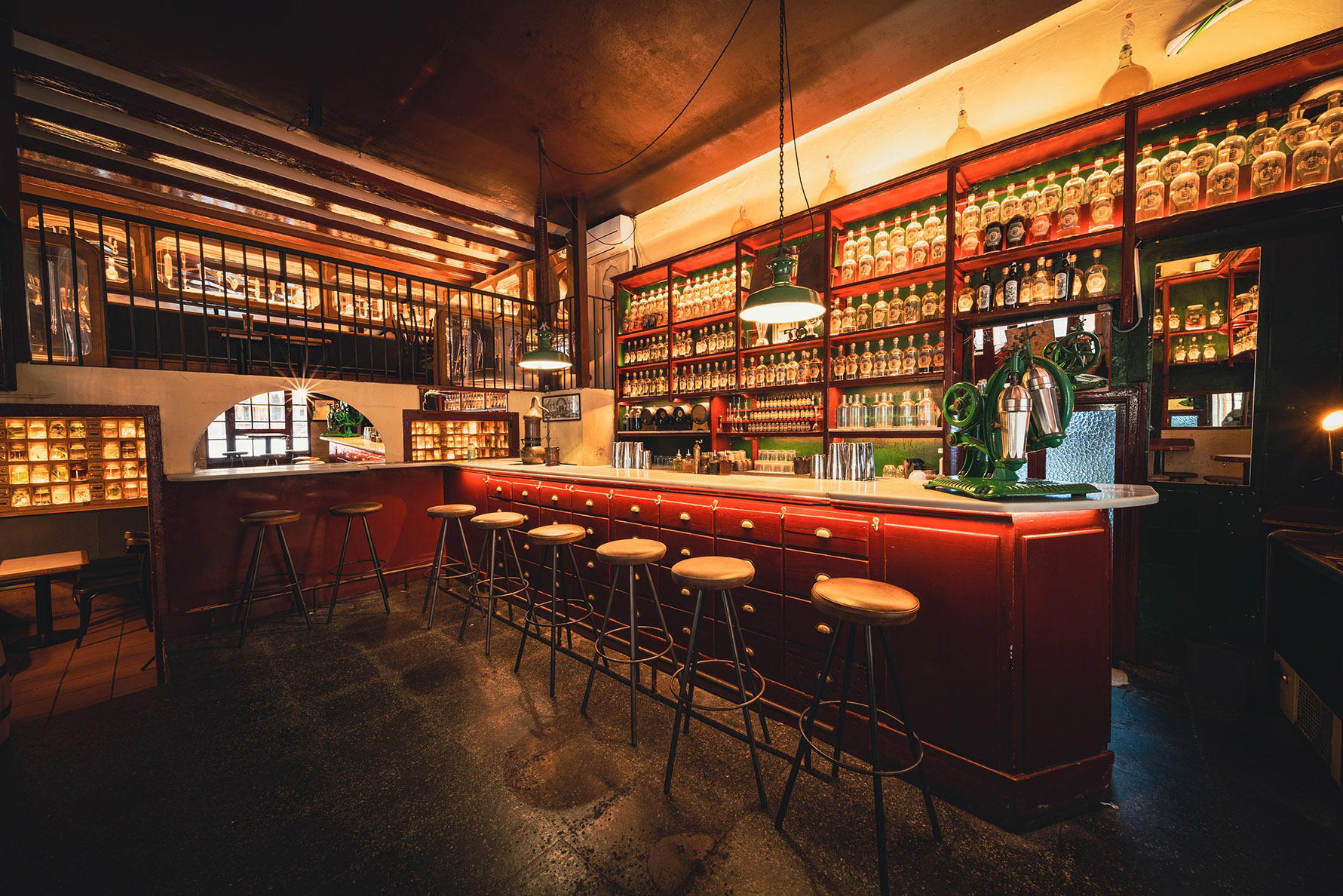
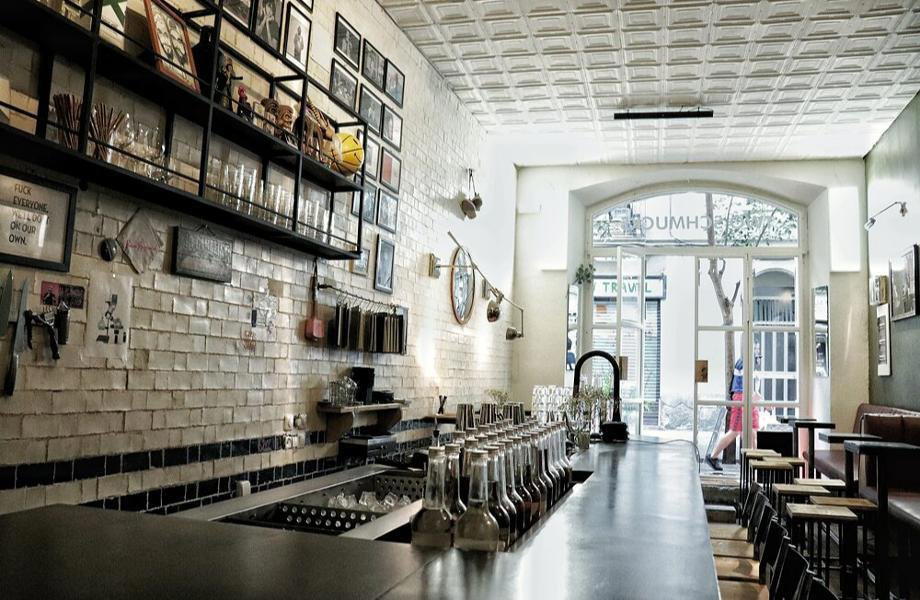
Rustic brick-lined intimate space with soft lighting in the sit-down area and lively crowded tapas bar atmosphere.