Taste of India sits on Carrer dels Tallers in Barcelona's Ciutat Vella, placing Indian cuisine within one of the city's most densely trafficked pedestrian corridors. The address positions it at the intersection of Raval's immigrant food culture and the Eixample-adjacent tourist circuit, making it a reference point for how South Asian cooking reads in a city whose own culinary identity is anchored in Mediterranean produce and technique.
Pearl is the En Primeur Club membership app — saves, bookings, and concierge access live there. Same editors, same standards.
- Address
- Carrer dels Tallers, 8, Ciutat Vella, 08001 Barcelona, Spain
- Phone
- +34666666391
- Website
- opentable.com
- Directions
- Get directions
 Saves & bookings on Pearl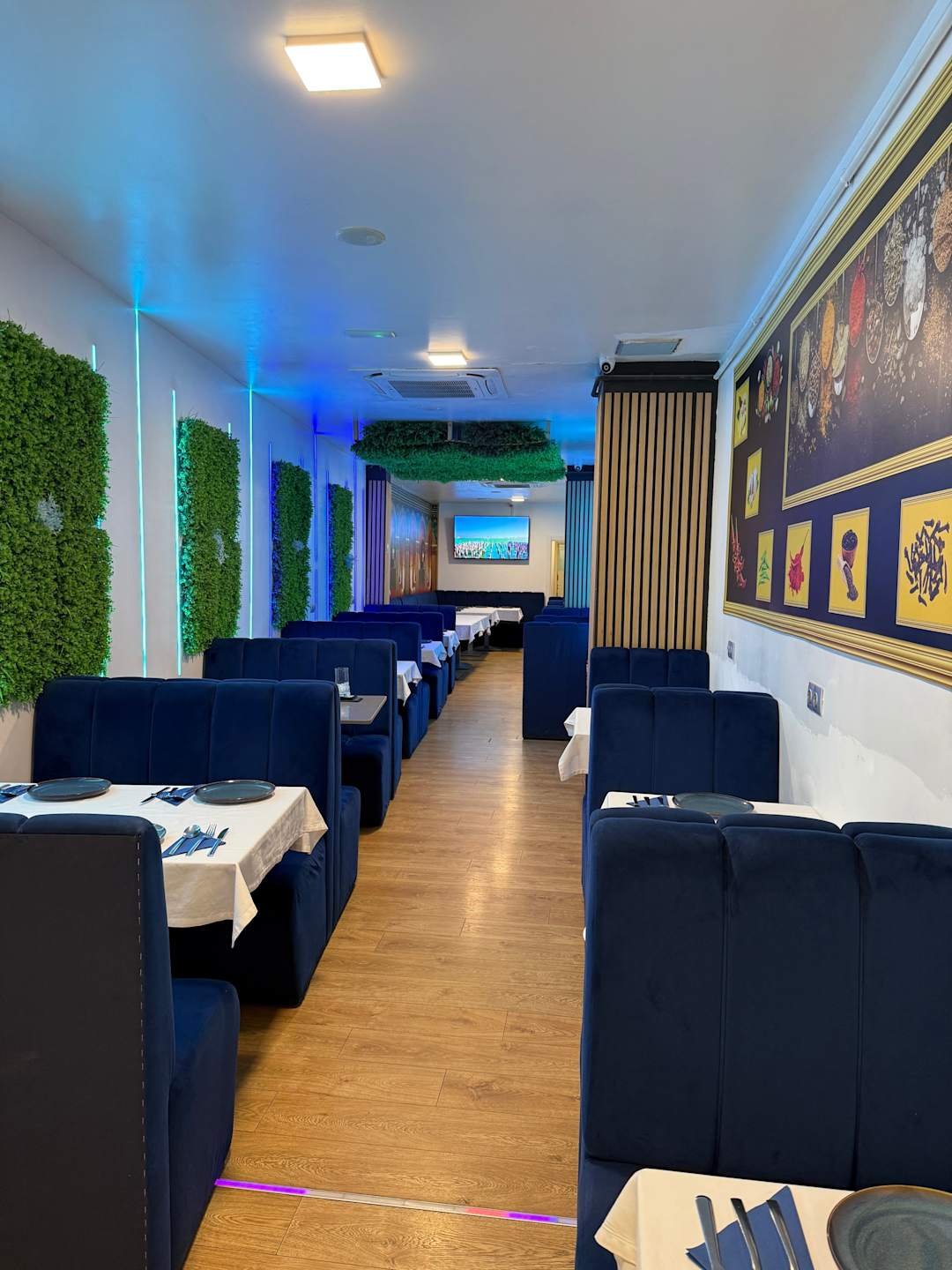
Indian Cooking in a Mediterranean City
Barcelona's relationship with non-European cuisines is older and more layered than the city's reputation as a destination for avant-garde Spanish cooking might suggest. The Raval district, immediately west of the Ramblas, has hosted South Asian communities since at least the 1980s, and Carrer dels Tallers, a narrow street connecting the Ramblas to the university quarter, runs through the edge of that zone. Taste of India occupies number 8 on that street, placing it squarely in the part of Ciutat Vella where immigrant food culture and high foot-traffic tourism overlap.
The broader question that venues like this raise for any serious diner is how South Asian cooking adapts when it lands in a city whose larder is dominated by olive oil, salt cod, and the produce of the Boqueria. Barcelona's leading kitchens, from Disfrutar to Cocina Hermanos Torres, have spent decades building a cuisine that is explicitly rooted in Catalan and Spanish ingredients. Indian restaurants operating in this city navigate a different set of constraints: spice supply chains, diaspora expectations, and the palate calibration of a tourist audience that may be encountering these flavours for the first time.
The Imported Technique Question
Across European cities, Indian restaurants have split into two distinct operating models. The first is the diaspora-comfort model, which prioritises recognisability: dishes calibrated to the expectations of South Asian communities who moved to Europe in the postwar decades, using spice blends sourced from specialist importers and serving familiar formats like thali, biryani, and curry with bread. The second model, which has gained ground in cities like London and Amsterdam over the past fifteen years, applies fine-dining technique to Indian flavour architecture: fermentation, precise temperature control, house-ground spice blends, and menu structures borrowed from European tasting formats. Venues such as Atomix in New York City offer a parallel case study in how immigrant cuisine absorbs European fine-dining conventions without abandoning its source grammar.
Barcelona sits at an interesting intersection for this question. The city's own culinary avant-garde, represented by places like Enigma and ABaC, has normalised technique-heavy, ingredient-led cooking as a civic expectation. That creates a floor for what serious diners in Barcelona expect from any kitchen, regardless of cuisine type. It also raises the possibility that Indian cooking in this city has more pressure than in, say, a mid-sized German city to articulate what makes its technique coherent, not just its flavours familiar.
Carrer dels Tallers and the Raval Food Corridor
The physical context of Carrer dels Tallers rewards attention. The street runs between two different registers of Barcelona street life: the Ramblas end, with its tourist density and theatre, and the Plaça Universitat end, which tips into the student and local-resident territory of the Eixample. Restaurants along this corridor serve a genuinely mixed clientele, and menus tend to pitch at price points and portion structures that work across that range. For South Asian restaurants in this zone, that often means a lunch menu format that competes with the menú del día convention deeply embedded in Barcelona dining culture, a two- or three-course meal with a drink, typically priced between 10 and 15 euros at neighbourhood level. How any Indian kitchen on this street positions against that convention is a more revealing business question than how it positions against the Michelin circuit.
For reference, the creative Spanish kitchens that define Barcelona's international reputation, including Lasarte and the broader generation of chefs who trained under or alongside those houses, operate at price points four to six times higher than a Raval neighbourhood restaurant and serve an almost entirely different audience. The same gap exists across Spain's wider fine-dining scene, from El Celler de Can Roca in Girona to Mugaritz in Errenteria, where the investment in kitchen infrastructure, sourcing, and service puts them in a different competitive universe from the neighbourhood restaurant tier. That distinction is worth holding in mind not to diminish venues like Taste of India, but to frame them accurately: they operate with different margins, different audiences, and different definitions of success.
Local Ingredients and Imported Flavour Systems
The editorial angle that South Asian cooking in Mediterranean cities makes most legible is the tension between imported flavour systems and local ingredient supply. Spanish markets offer seasonal produce of genuine quality: Catalan romesco peppers, Padrón peppers from Galicia, tomatoes from the Ebro Delta, and a lamb supply from Castile and Aragón that rivals anything available in Britain or France. A kitchen working with subcontinental spice architecture and these raw materials has access to a genuinely interesting combination.
What the address does confirm is that the venue is operating in a city where ingredient quality is taken seriously at every price point. Barcelona's market culture, anchored by La Boqueria and the less touristic Mercat de Santa Caterina nearby, has historically pushed neighbourhood restaurants toward seasonal sourcing even when their cuisine type is not inherently Mediterranean. That ambient food culture is a resource for any kitchen willing to engage with it, and it distinguishes Barcelona's Indian restaurant scene from its equivalents in cities with weaker market infrastructure.
For broader comparison, the intersection of imported culinary method and local produce has been most explicitly theorised in Spain's own avant-garde tradition. Kitchens like Aponiente in El Puerto de Santa María and Quique Dacosta in Dénia built their reputations on finding techniques from global culinary traditions and applying them to Spanish coastal produce. The logic is transferable in reverse: an Indian kitchen using Spanish produce as its raw material could theoretically produce cooking that reads as coherently Iberian as it does subcontinental.
Planning Your Visit
Address: Carrer dels Tallers, 8, Ciutat Vella, 08001 Barcelona. Getting there: The venue is within walking distance of the Catalunya metro station (Lines 1 and 3), making it accessible from both the Eixample and the Gràcia corridor. Reservations: Reservations are recommended. Dress: casual. Budget: About $20 per person.
Price Lens
Comparable venues nearby, for context on price, style, and recognition.
| Venue | Cuisine | Price | Notes |
|---|---|---|---|
| Taste of IndiaThis venue — the venue you are viewing | la Dreta de l'Eixample, Authentic Indian | $$ | Not listed |
| Neichel | Dining | Not listed | Not listed |
| Irati Taverna Basca | Barri Gotic, Authentic Basque Pintxos | $$ | Not listed |
| La Muscleria | Not listed | $$ | la Dreta de l'Eixample, Mussel and Seafood Specialist |
| Golfo De Bizkaia BCN | Not listed | $$ | Sant Pere, Santa Caterina i la Ribera, Traditional Basque Pintxos |
| The Melrose Café | Not listed | $$ | la Dreta de l'Eixample, Creative Fusion Brunch |
Continue exploring
More in Barcelona
Restaurants in Barcelona
Browse all →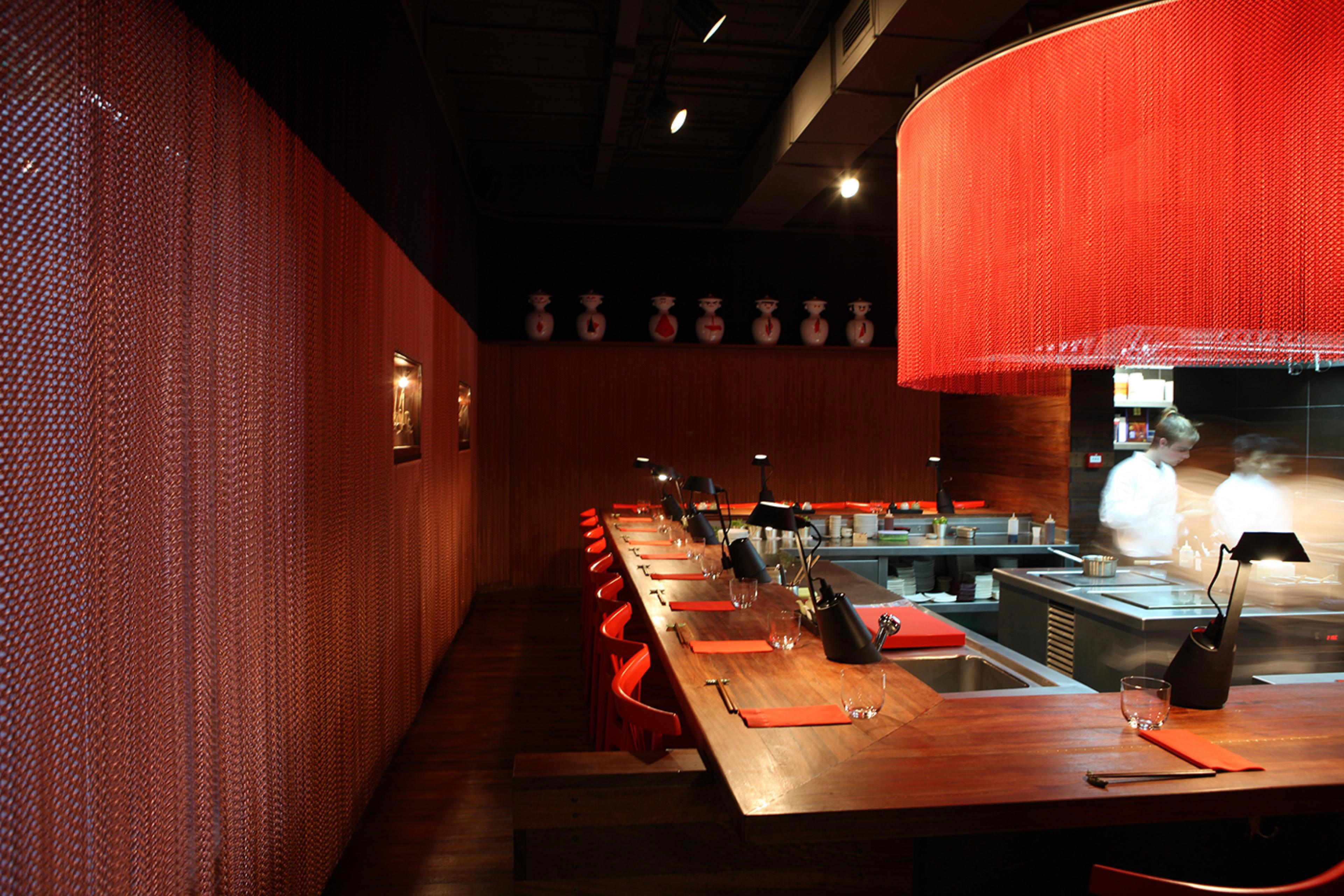
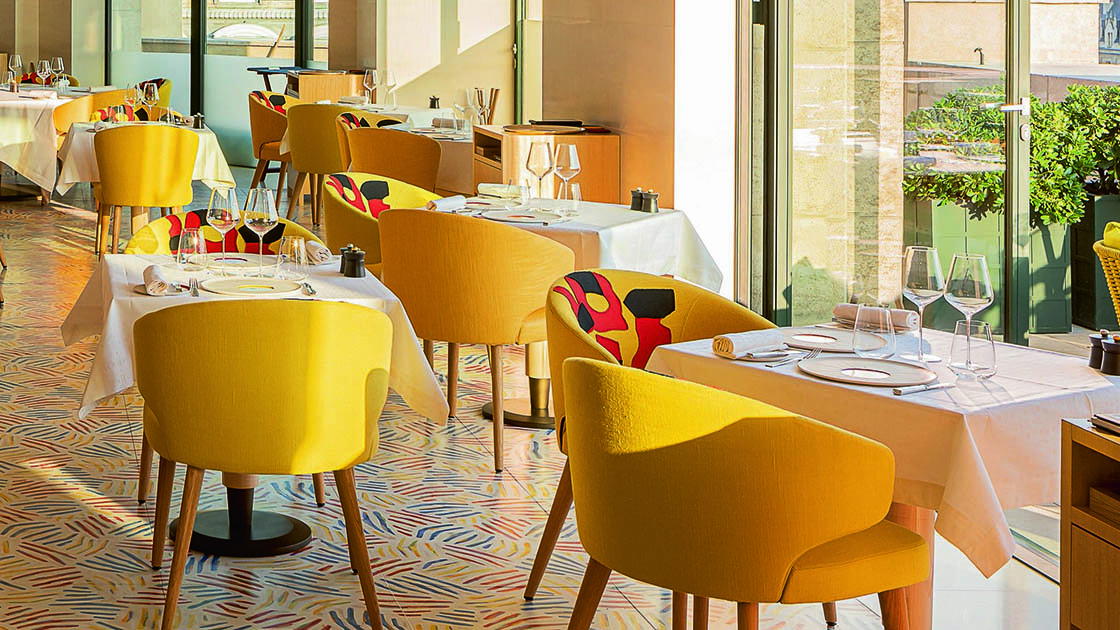

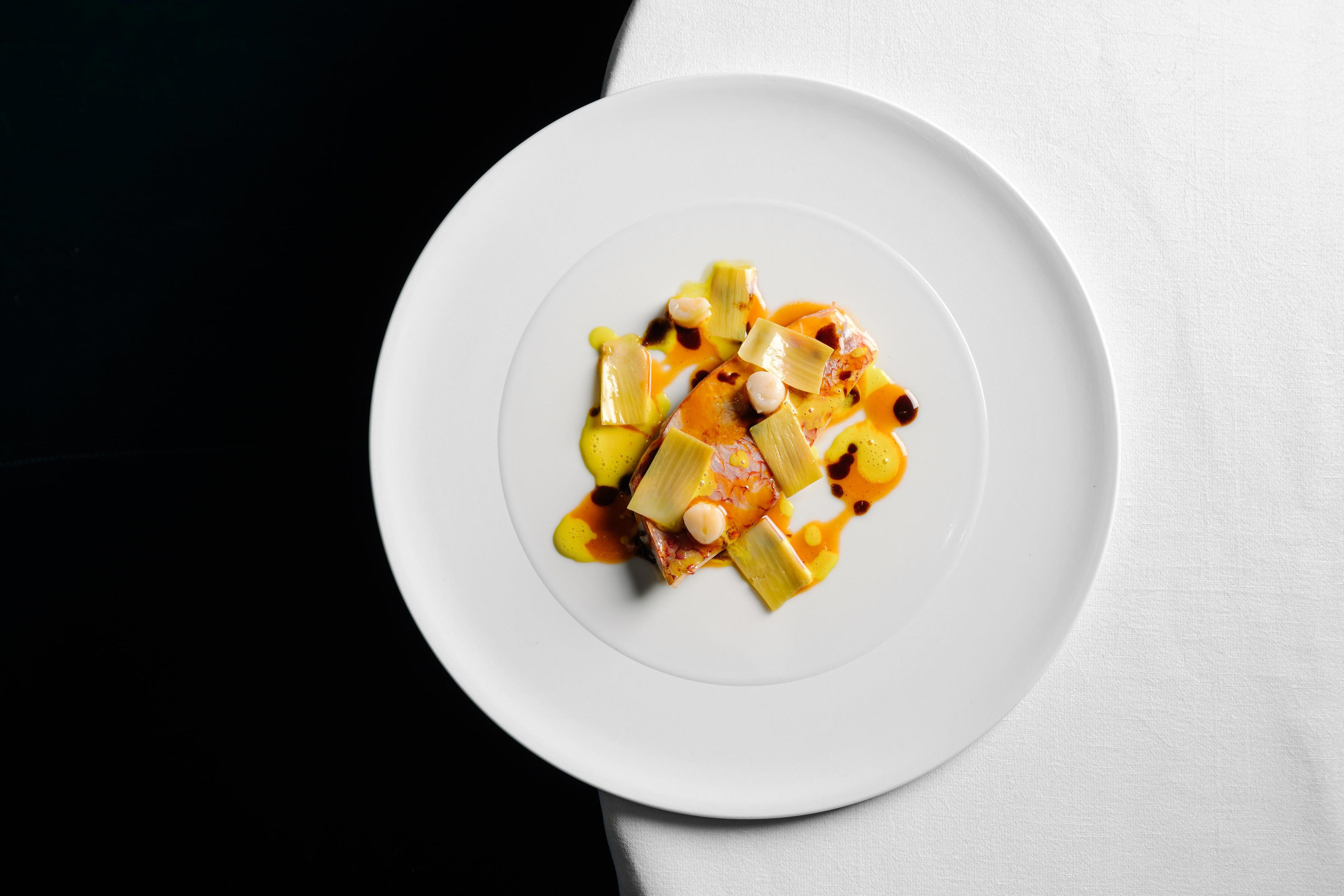
Bars in Barcelona
Browse all →
Hotels in Barcelona
Browse all →



At a Glance
- Cozy
- Classic
- Casual Hangout
- Family
Current opening hours
- Monday
- 12 PM–12 AM
- Tuesday
- 12 PM–12 AM
- Wednesday
- 12 PM–12 AM
- Thursday
- 12 PM–12 AM
- Friday
- 12 PM–12 AM
- Saturday
- 12 PM–12 AM
- Sunday
- 12 PM–12 AM
Hours can change for holidays and private events. Last verified .
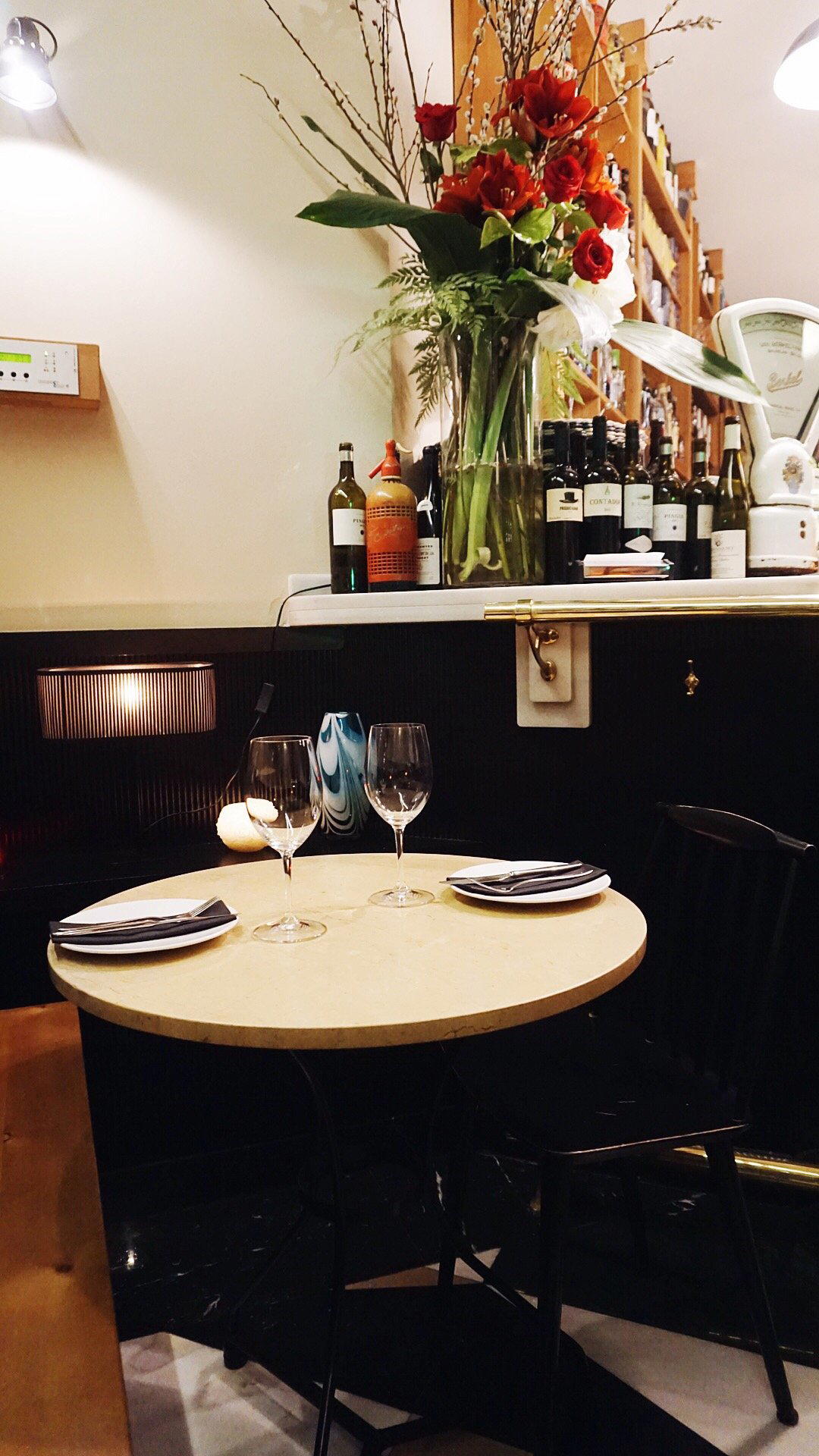
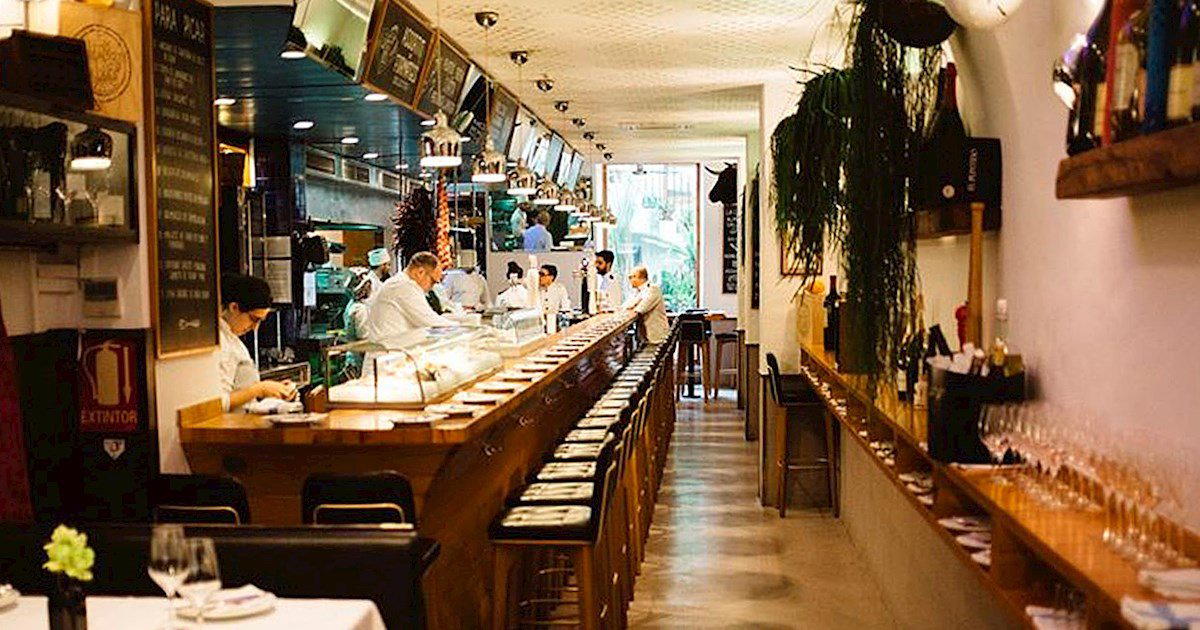
Comfortable and inviting atmosphere well-suited for enjoying traditional Indian dishes.