Creative dishes, cocktails, terrace dining, dog-friendly cafe
- Address
- Treitlstraße 2, 1040 Wien, Austria
- Phone
- +43 1 8900590
- Website
- heuer-amkarlsplatz.com
- Directions
- Get directions
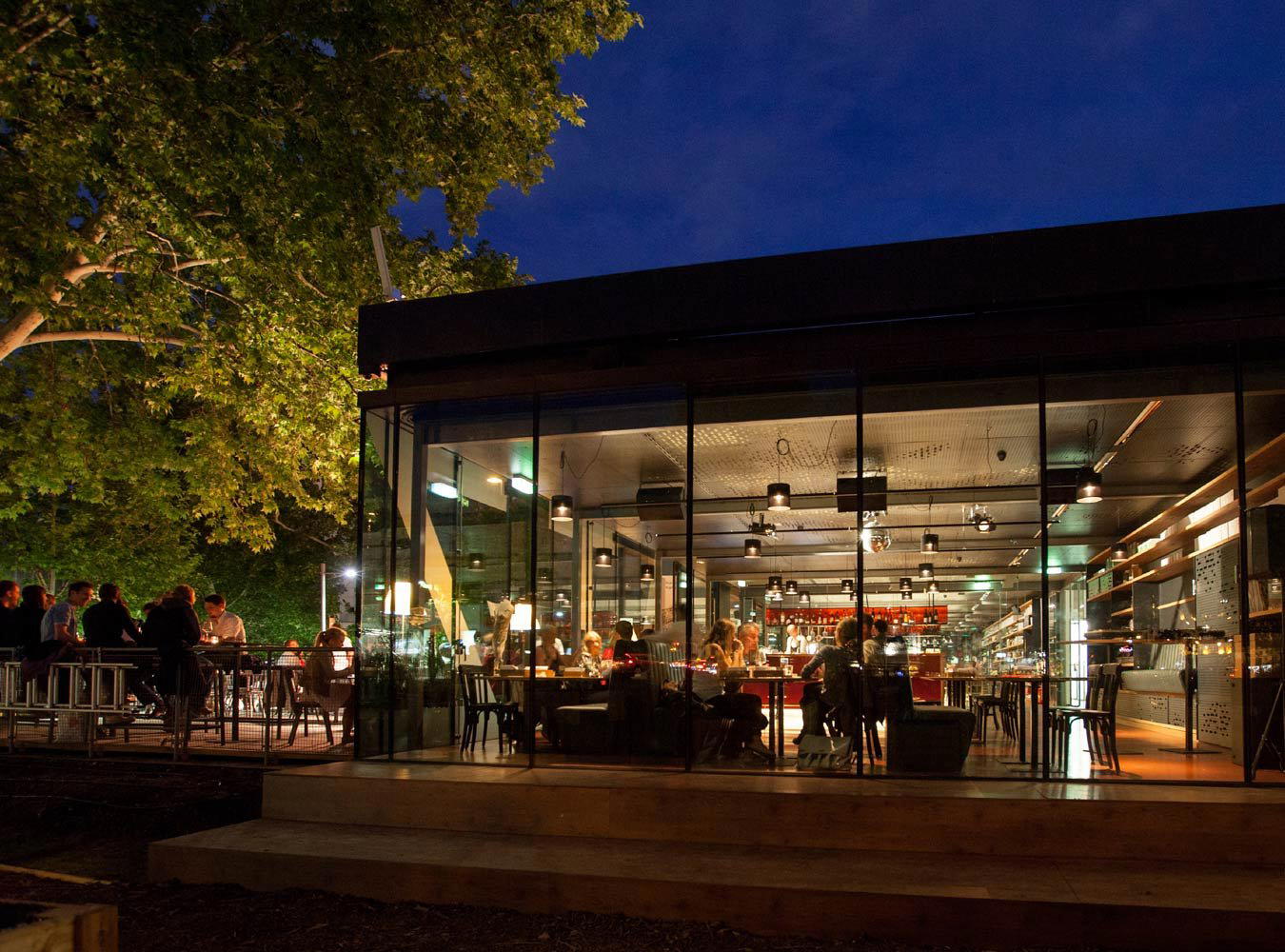
The Viennese Coffeehouse Tradition, Taken Seriously
There is a version of the Viennese coffeehouse that exists primarily for tourists: gilt-framed mirrors, red velvet banquettes, a waiter who brings the newspaper without being asked. Cafe Heuer is a restaurant in Vienna, at Treitlstraße 2, 1040 Wien, Austria, serving Modern Austrian Fusion with Small Plates at about $35 per person. Cafe Heuer, on Treitlstraße in the 4th district, occupies a different register. It sits in Wieden, a neighbourhood that has quietly absorbed a generation of architects, publishers, and design studios without acquiring the self-consciousness of the 7th. The building at number 2 carries the kind of quietude that the inner districts have largely lost to foot traffic and group bookings.
That physical address matters more than it might seem. The Viennese coffeehouse is not simply a place to drink coffee; it is, by the city's own cultural charter, a recognised institution of social exchange. UNESCO inscribed Viennese coffeehouse culture on its Intangible Cultural Heritage list in 2011, acknowledging a tradition that has sustained political debate, literary production, and unhurried commerce for roughly three centuries. Any cafe that opens in Vienna inherits that framework, whether it chooses to or not. Cafe Heuer operates within it from a corner of the city that still moves at a pace closer to that original function.
What the 4th District Signals About the Scene
Wieden is not Innere Stadt, and that distinction shapes who ends up at the restaurant and why. The 1st district contains the grand palaces of Viennese cafe culture: Cafe Central, Landtmann, Schwarzenberg. They carry documented history and justified reputation, but they also carry tourist volumes that have shifted their atmosphere. The 4th draws a more local constituency, and the cafes here reflect that. The proposition is closer to the original social function of the form: a place to stay, work, read, or meet without being managed toward a faster table turn.
Vienna's contemporary dining tier has consolidated significantly around the 1st and 7th districts. The €€€€ creative restaurants, including Steirereck im Stadtpark, Amador, Konstantin Filippou, and Mraz and Sohn, operate in a different tier altogether. The restaurant is not competing in that bracket. It belongs to the more durable category of daily-use institution, the kind of place that a city needs more of than it needs another destination restaurant.
The Cultural Architecture of the Viennese Cafe
Understanding what a Viennese coffeehouse actually offers requires setting aside the cafe framework that dominates most other European cities. In Paris, the cafe is primarily a social perch facing the street. In London, the coffee shop is largely transactional. In Vienna, the coffeehouse is a room designed for duration. The standard expectation, across the better establishments in any district, is that a single order of Melange or Einspanner entitles you to remain as long as the day allows. Water is refilled without prompting. Newspapers are provided. The tempo is set by the guest, not the kitchen.
That structural patience is not accidental. It evolved through the 17th and 18th centuries as coffeehouses became the meeting infrastructure of Viennese intellectual and commercial life, a function they shared with the great coffeehouse cultures of London, Istanbul, and Cairo before the rise of dedicated clubs and offices. What distinguishes the Viennese model is its persistence. The form survived two world wars, a Habsburg collapse, occupation, and postwar division. The cafes that endure do so because the city's culture continues to find use for them beyond nostalgia.
The restaurant, in Wieden, participates in that continuity from a position outside frequently photographed examples of the tradition. For visitors who have already moved through the grand rooms of the 1st district, a visit here provides a different calibration: quieter, more residential in character, and closer to how the form actually functions in daily Viennese life.
Placing Heuer Among Austrian Dining More Broadly
Austria's serious dining culture extends well beyond Vienna, and the regional restaurant scene includes properties with significant reputations and accumulated recognition. Dollerer in Golling an der Salzach and Obauer in Werfen represent the Salzburg-region school of serious Austrian cooking. Landhaus Bacher in Mautern an der Donau and Taubenkobel in Schutzen am Gebirge operate in the Wachau and Burgenland respectively, connecting food directly to wine-producing landscape. In Tirol and Vorarlberg, Schwarzer Adler in Hall in Tirol, Gourmetrestaurant Tannenhof in Sankt Anton am Arlberg, and Stuva in Ischgl anchor a mountain-dining tradition that runs parallel to the urban scene. Closer to Vienna, Doubek represents a more neighbourhood-forward approach within the city itself.
Against that spectrum, the Viennese coffeehouse sits at a different coordinate entirely. It is not a destination in the way that those restaurants are destinations. It is infrastructure. Internationally, the closest analogies might be the all-day room at a place like Lazy Bear in San Francisco, which uses a communal-table format to shift dining toward a social rather than purely gastronomic experience, or the extended hospitality philosophy visible at Le Bernardin in New York City, where the room itself is understood as part of the offering. The Viennese cafe achieves something related through radically simpler means.
Planning a Visit to Cafe Heuer
The restaurant is located at Treitlstraße 2 in Vienna's 4th district. The address is accessible by U-Bahn via Karlsplatz or Kettenbruckengasse, both within comfortable walking distance. The 4th district moves at a pace suited to arriving without a fixed agenda. Further afield, Ois in Neufelden, Krauterreich by Vitus Winkler in Sankt Veit im Pongau, and Restaurant 141 by Joachim Jaud in Mieming represent the kind of regional Austrian cooking worth building an itinerary around if Vienna is part of a longer Austrian trip.
Price and Positioning
Comparable venues nearby, for context on price, style, and recognition.
| Venue | Cuisine | Price | Notes |
|---|---|---|---|
| Cafe HeuerThis venue — the venue you are viewing | Not listed | $$$ | Not listed |
| Ziizuu | Inner City, Japanese Fusion | $$$ | Not listed |
| Esszimmer by Alexander Kumptner | Not listed | $$$$ | Stephansdom, Modern Austrian-French Fusion Fine Dining |
| Stellas 3 | Not listed | $$$ | Wien-Mitte, Modern European Fusion with Grill |
| Livingstone | Inner City, Steakhouse Grill | $$$ | Not listed |
| Cucina Itameshi | Not listed | $$$ | Praterstern Wien Nord, Italian-Japanese Fusion |
Continue exploring
More in Vienna
Restaurants in Vienna
Browse all →
Bars in Vienna
Browse all →
Hotels in Vienna
Browse all →
At a Glance
- Trendy
- Lively
- Modern
- Date Night
- Casual Hangout
- After Work
- Terrace
- Garden
- Open Kitchen
- Craft Cocktails
- Local Sourcing
- Farm To Table
- Garden
- Street Scene
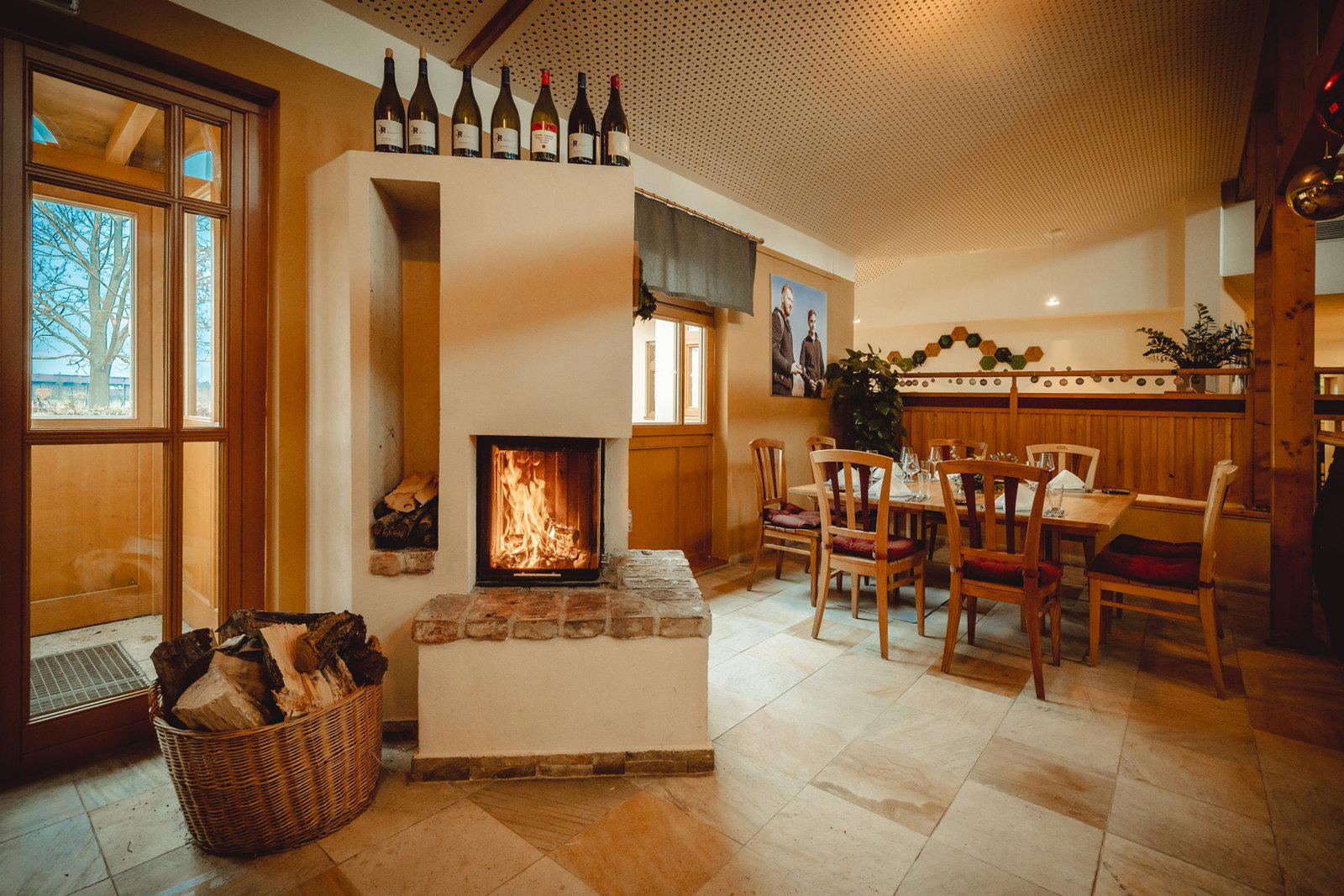
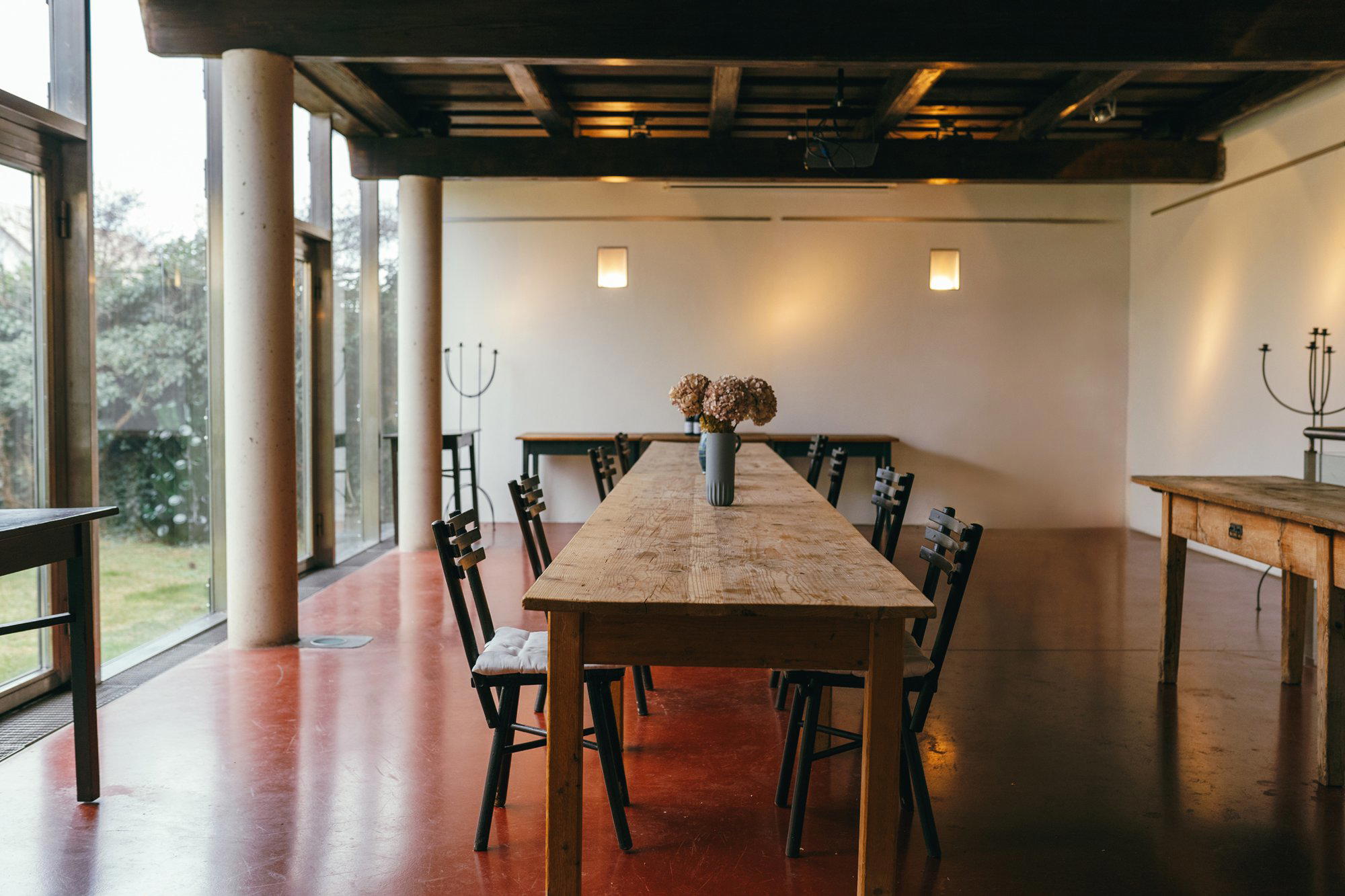
Urban garden atmosphere with chilled electro or jazz music, sofa seating, and lively terrace dining.