Our verdict
Die Tackerei sits on Brunnenmarkt in Vienna's 16th district, a neighbourhood where the city's multicultural food culture collides with a growing appetite for serious, wine-forward dining. The address places it outside the tourist orbit of the first district, which tends to attract a local crowd with genuine expectations. For visitors looking beyond the centre, it represents a different register of Vienna eating.

Pearl is the En Primeur Club membership app, where members save venues, book tables and use the concierge.

The menu
What to order
- Gulasch Taco
- Schweinsbraten Taco
- Blunzn Taco
- Austernpilz Taco with Pineapple and Cilantro
Outside the Ring: Dining in Vienna's 16th District
Vienna's most recognised restaurants cluster predictably inside or near the Ringstrasse: the grand hotel dining rooms, the Michelin-decorated creative kitchens, the tasting-menu institutions that book months out. But Vienna's dining geography has been shifting for some years, and the 16th district, Ottakring, now holds a different conversation about what good food and drink can look like when it isn't performing for tourists or critics.
Brunnenmarkt is central to that shift. The market itself, one of the longest open-air markets in the city, draws a cross-section of Vienna that most inner-district restaurants never encounter: Turkish and Balkan grocers alongside Austrian produce vendors, wine bars where the regulars know the by-the-glass list by memory, and an increasing number of addresses where the kitchen takes the produce seriously without pricing it accordingly. Die Tackerei sits at number 142 on that stretch, and its position says something before a fork is lifted.
The Wine-Forward Neighbourhood Bar and What It Actually Means
Across European cities, a particular format has matured over the past decade: the neighbourhood wine address that operates at the intersection of serious cellar curation and relaxed hospitality. It's a format that resists the conventional hierarchy of formal restaurant versus casual bar, and it has proven durable precisely because it serves both the knowledgeable drinker and the guest who simply wants to eat and drink well without a scripted tasting experience. Vienna has absorbed this format with some enthusiasm, partly because Austrian wine culture already operates with a level of technical fluency that makes natural wine lists and grower Champagne programs feel like extensions of existing knowledge rather than imports.
Die Tackerei occupies this space on Brunnenmarkt. The address functions less as a destination restaurant in the traditional sense and more as a local anchor, the kind of place that regulars return to during the week rather than reserving for occasions. That pattern of use shapes what a wine-forward bar needs to deliver: consistent quality across the by-the-glass selection, a food offering that holds up on its own terms, and staff who can talk about what's in the bottle without making the conversation feel like an examination. In the Austrian context, that means navigating a cellar that likely draws on the Wachau, Burgenland, and Styria, the three producing regions that define the country's quality hierarchy, alongside international producers who meet the same standard of intentional farming and minimal intervention.
This format has direct international parallels. Lazy Bear in San Francisco built its reputation on a blurred line between communal dining and serious beverage programming. Le Bernardin in New York City represents the formal pole of wine-and-food integration. Die Tackerei sits at neither extreme, it belongs to the middle tier where the wine list does the heavy lifting on atmosphere, and the kitchen's role is to support rather than dominate.
Austria's Cellar Geography: Why Ottakring Makes Sense
Understanding what a wine-forward address in Vienna's outer districts means requires some understanding of how Austrian wine culture distributes itself across the city. The first and fourth districts carry the formal wine bar tradition, with addresses that stock deep verticals of Riedel-poured Grüner Veltliner and age-worthy Blaufränkisch from Burgenland. The outer districts have historically been more pragmatic, favouring a rotating by-the-glass selection that reflects the grower relationships of whoever runs the cellar. That approach demands more daily attention from the team but tends to produce a more dynamic and seasonally responsive selection.
Austria's wine geography rewards that kind of curation. The Wachau's terraced vineyards produce Grüner Veltliner and Riesling across a spectrum from the Steinfeder category (light, early-drinking) to Smaragd (richer, more structured), and a thoughtful selection should represent at least two points on that spectrum. Burgenland's Blaufränkisch, particularly from producers around Deutschkreutz and Neckenmarkt, offers the red counterpart, structured, spice-edged wines that pair well with the kind of food that Viennese kitchens do naturally: cured meats, aged cheeses, roasted preparations with depth. Styrian Sauvignon Blanc, increasingly serious in its leading expressions, completes a canon that any credible Vienna wine bar should be able to draw from. Restaurants outside Vienna like Landhaus Bacher in Mautern an der Donau and Taubenkobel in Schützen am Gebirge have built substantial reputations partly on their access to exactly these regional producers. The urban equivalent demands the same regional literacy in a smaller format.
Placing Die Tackerei in Vienna's Broader Scene
Vienna's creative dining tier, represented by addresses like Amador, Mraz and Sohn, and Doubek, operates with tasting menus, significant wine pairings, and price points that reflect the formal ambition of the kitchen. That tier has its own logic and its own audience. Die Tackerei does not compete in it.
That positioning has value in a city that sometimes directs visitors exclusively toward the credentialled addresses. Austria's fine dining map extends well beyond Vienna, Döllerer in Golling an der Salzach, Obauer in Werfen, and Gourmetrestaurant Tannenhof in Sankt Anton am Arlberg all represent serious kitchens operating far from the capital, but within the city, the neighbourhood wine bar tier fills a gap that the formal dining room cannot. It is where the city's food culture maintains its daily rhythm rather than its occasion-dining peaks.
Planning Your Visit: Logistics in Context
| Venue | District | Format | Price Tier | Booking |
|---|---|---|---|---|
| Die Tackerei | 16th (Ottakring) | Neighbourhood wine bar/restaurant | Not confirmed | Confirm direct with venue |
| Steirereck im Stadtpark | 3rd (Stadtpark) | Creative tasting menu | €€€€ | Advance booking essential |
| Mraz and Sohn | 20th (Brigittenau) | Modern Austrian, creative tasting | €€€€ | Advance booking essential |
| Konstantin Filippou | 1st (Innere Stadt) | Modern European tasting | €€€€ | Advance booking essential |
Die Tackerei is located at Brunnenmarkt 142 in the 16th district, accessible via the U3 line (Ottakring station) or tram. Brunnenmarkt market days run Tuesday through Saturday mornings, and visiting before or after the market offers a sense of the neighbourhood's rhythm that the inner districts cannot replicate. For a full picture of Vienna's restaurant range, see our full Vienna restaurants guide. Austria's broader dining geography is covered through venues including Restaurant 141 by Joachim Jaud in Mieming, Ois in Neufelden, Kräuterreich by Vitus Winkler in Sankt Veit im Pongau, Stüva in Ischgl, and Schwarzer Adler in Hall in Tirol.
Frequently asked questions
What is Die Tackerei known for?
Die Tackerei is associated with the wine-bar-meets-neighbourhood-restaurant format that has taken root in Vienna's outer districts, particularly along the Brunnenmarkt corridor in Ottakring. Its position on one of the city's most culturally layered market streets places it within a local dining scene that operates independently of the formal credentialling systems that govern the inner-district tier. Comparable creative addresses like Amador and Doubek occupy a different register entirely.
What should I eat at Die Tackerei?
As a general principle, wine-forward neighbourhood restaurants in Vienna tend to build food programs around Austrian produce with seasonal rotation, making the cellar the primary lens through which the kitchen's decisions become legible. What the venue serves is likely to reflect what is available from regional suppliers, so visiting during Brunnenmarkt's market days gives some context for the produce cycle that informs that kind of kitchen.
Do I need a reservation for Die Tackerei?
In Vienna's outer-district wine bar format, walk-ins are often possible on quieter weekday evenings, but the weekend Brunnenmarkt foot traffic can fill neighbourhood addresses quickly. Contacting the venue directly in advance is the safest approach, particularly given the 16th district's growing profile as a destination in its own right. Vienna's inner-district tasting-menu restaurants like Steirereck im Stadtpark require weeks or months of lead time by comparison.
How does Die Tackerei handle allergies?
Austrian restaurant standards generally require staff to be able to communicate about the 14 major allergens identified under EU regulation, so a direct inquiry should produce a clear answer. Given the neighbourhood format, the kitchen is likely smaller than at a formal address like Konstantin Filippou, which may affect flexibility around modifications.
Is Die Tackerei a good choice for Austrian wine exploration outside the usual tourist circuit?
For visitors specifically looking to engage with Austrian wine in a non-formal setting, the Brunnenmarkt address positions Die Tackerei as a credible option precisely because of its neighbourhood character rather than despite it. Vienna's outer districts have developed a more experimental relationship with regional producers, Burgenland Blaufränkisch, Wachau Grüner Veltliner, Styrian Sauvignon Blanc, than many inner-district venues whose cellar selections tend toward the canonical and the safe. The 16th district's proximity to a working market rather than a tourist corridor means the conversation about what's in the glass tends to be more direct. Verify the current wine program directly with the venue before visiting.
Recognition, Side-by-Side
Comparable venues nearby, for context on price, style, and recognition.
| Venue | Cuisine | Price | Notes |
|---|---|---|---|
| Die TackereiThis venue (the venue you are viewing) | Austrian-Mexican Fusion Tacos | $10–20 | Not listed |
| Toga | International Bar & Kitchen | $30–50 | Innere Stadt |
| Shiso Burger | Asian Fusion Gourmet Burgers | $10–20 | Hofburg |
| Kenks | Modern Fusion Burgers & Brunch | $20–30 | Breitensee |
| Wrapstars | Asian-Tex-Mex Fusion Wraps | $10–20 | Mariahilf |
| my Indigo Donauzentrum | Asian Fusion Energy Kitchen | $10–20 | Donaustadt |
Continue exploring
More in Vienna
Restaurants in Vienna
All restaurants in Vienna →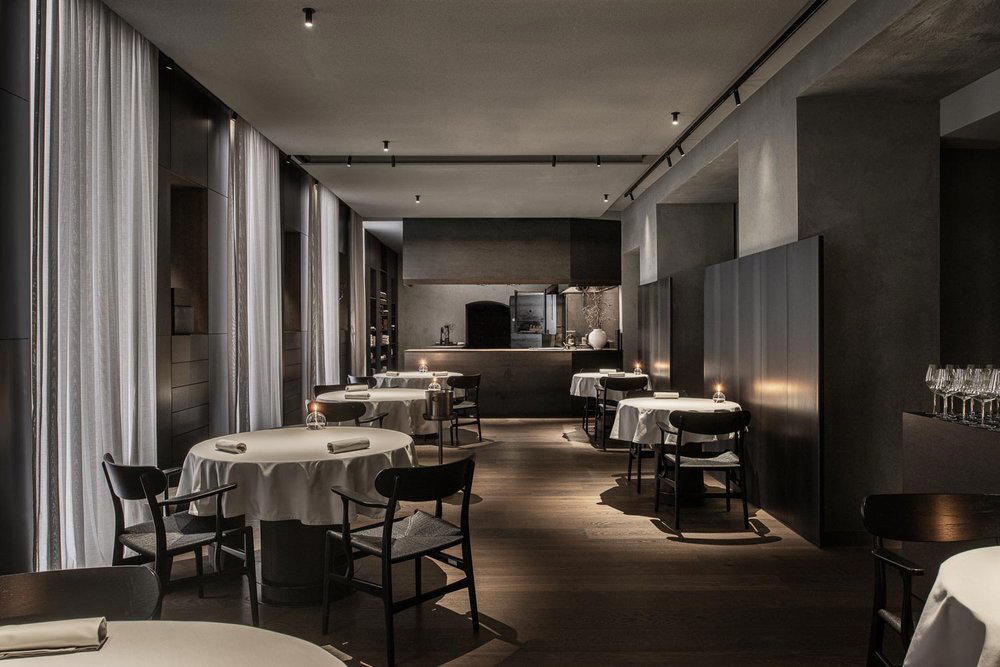
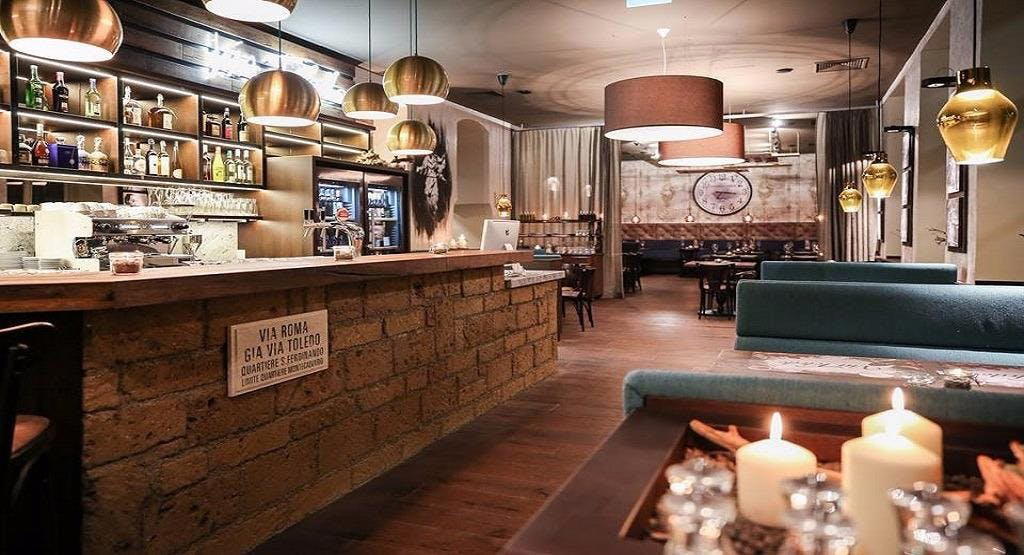
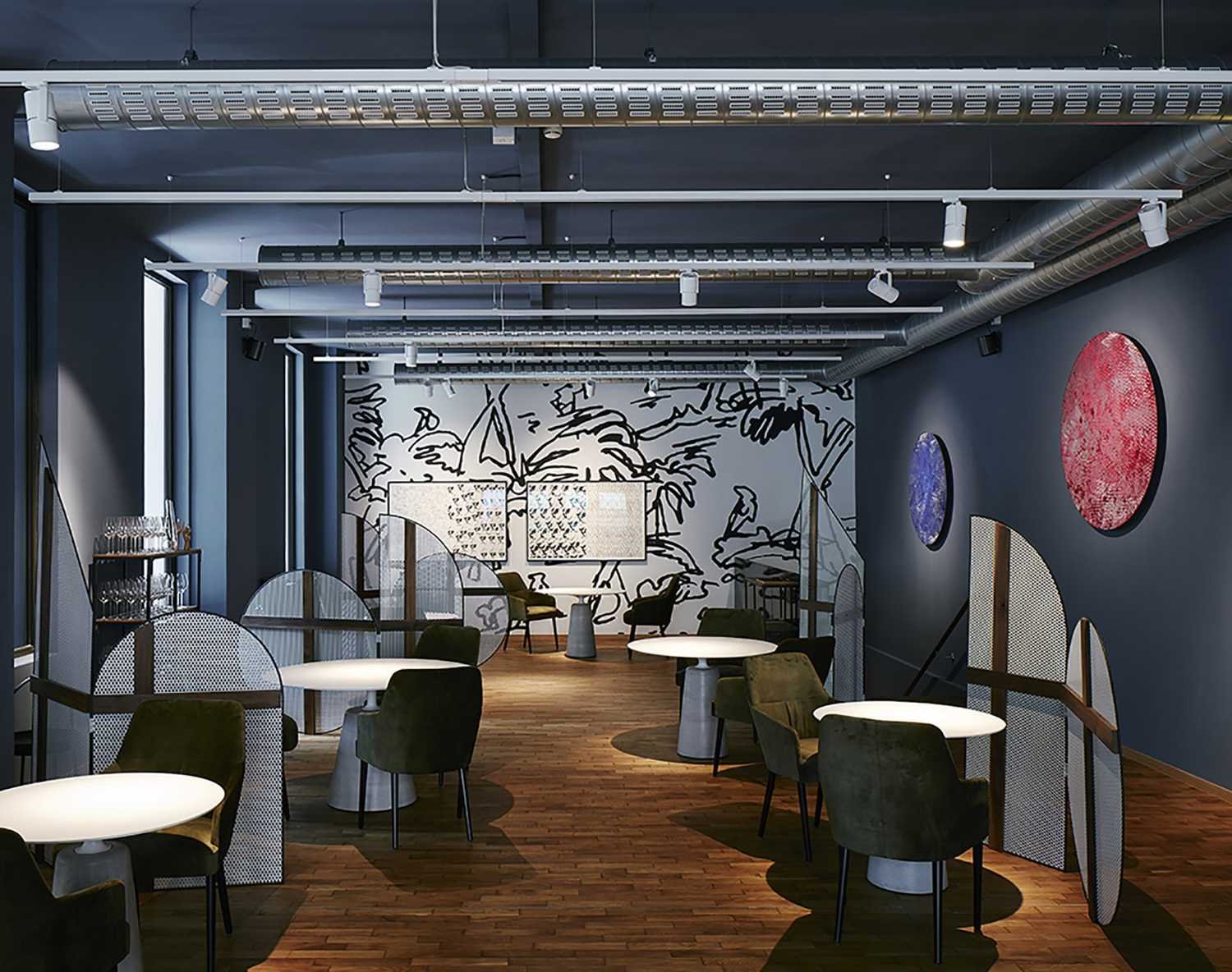
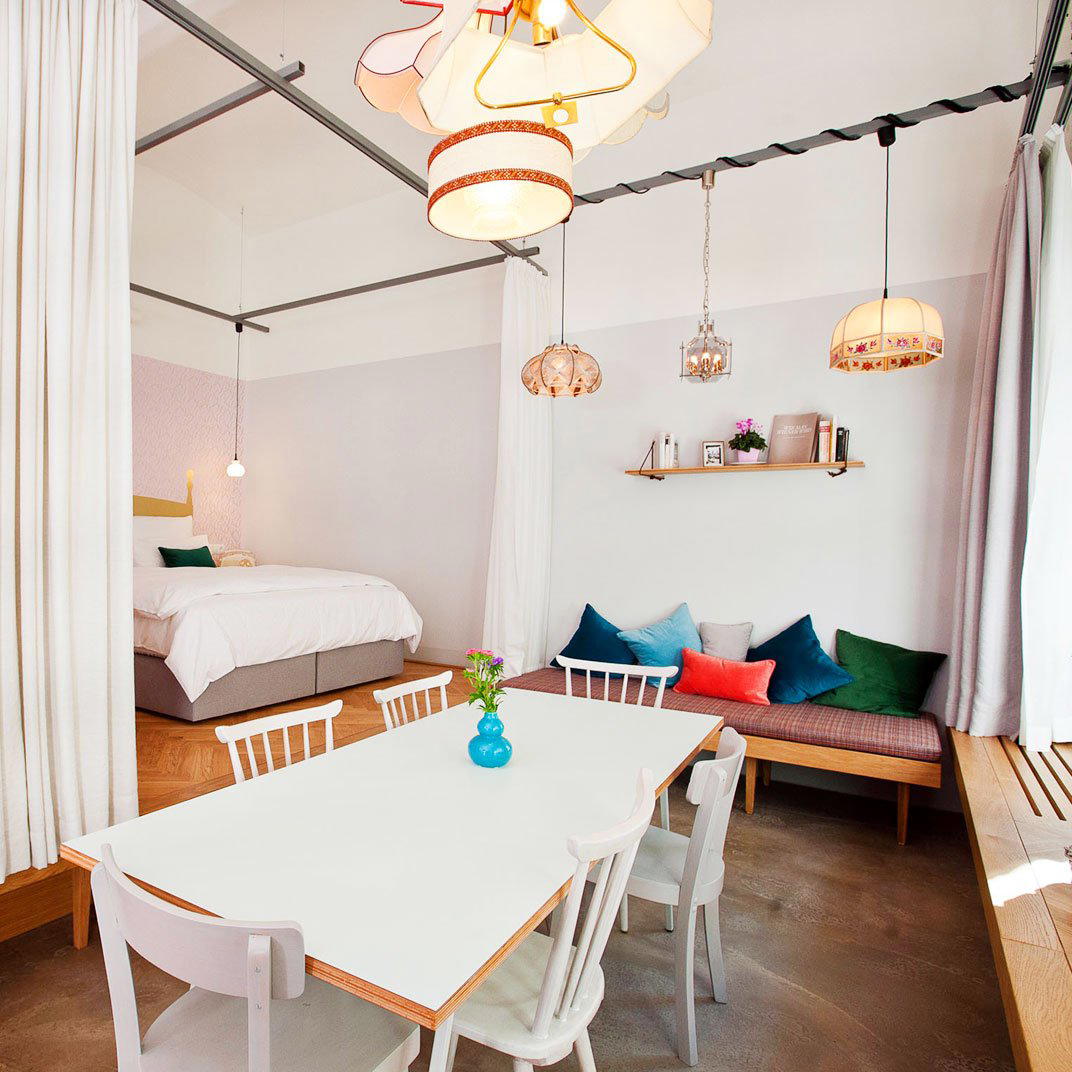
Bars in Vienna
All bars in Vienna →

Details
- Trendy
- Bohemian
- Lively
- Casual Hangout
- Group Dining
- After Work
- Open Kitchen
- Standalone
- A La Carte
- Vegetarian Friendly
- Vegan Options
Current opening hours
- Monday
- Closed
- Tuesday
- Closed
- Wednesday
- 4–11 PM
- Thursday
- 4–11 PM
- Friday
- 4–11 PM
- Saturday
- 12–11 PM
- Sunday
- Closed
Hours can change for holidays and private events. Hours as of .
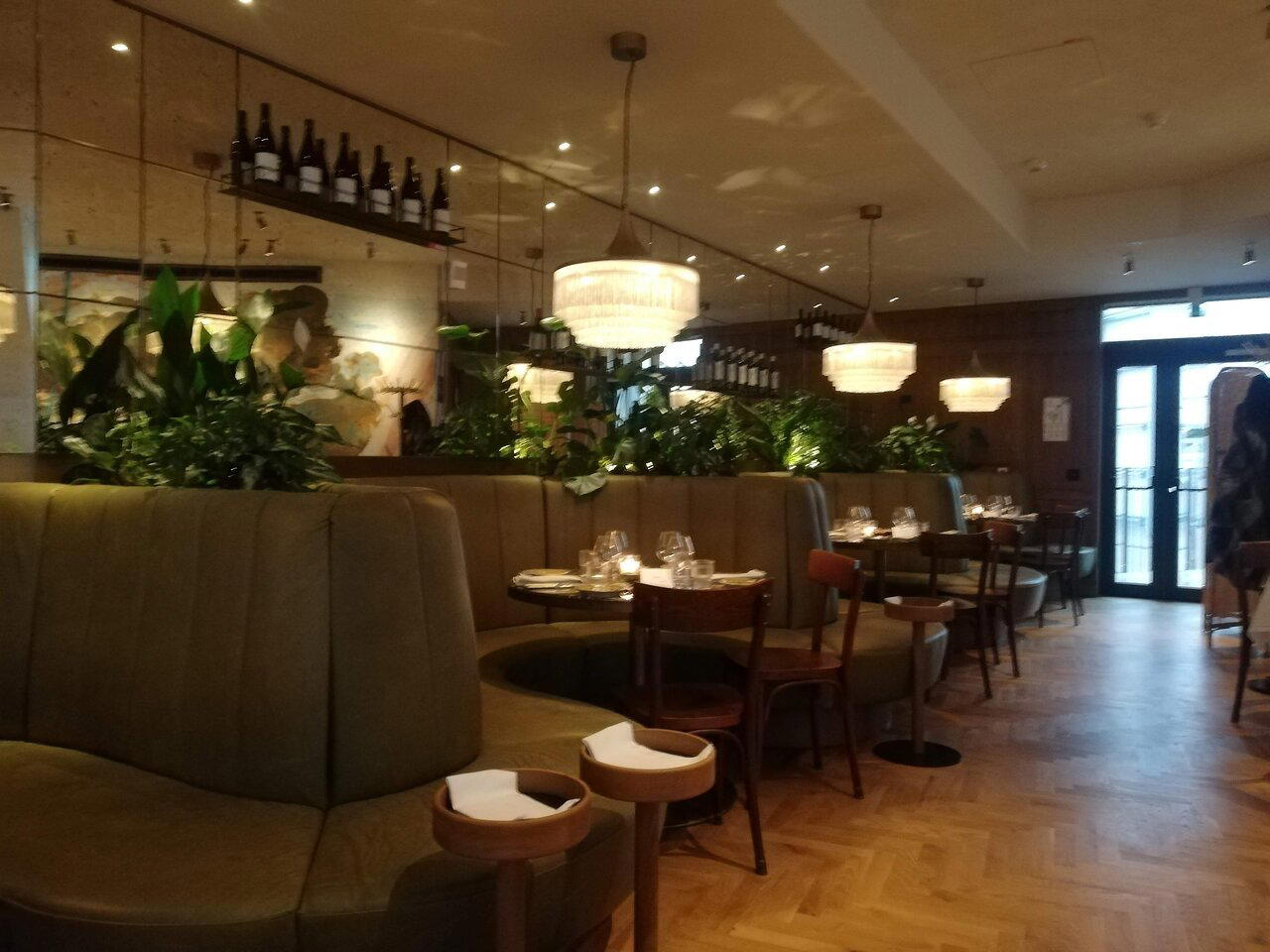
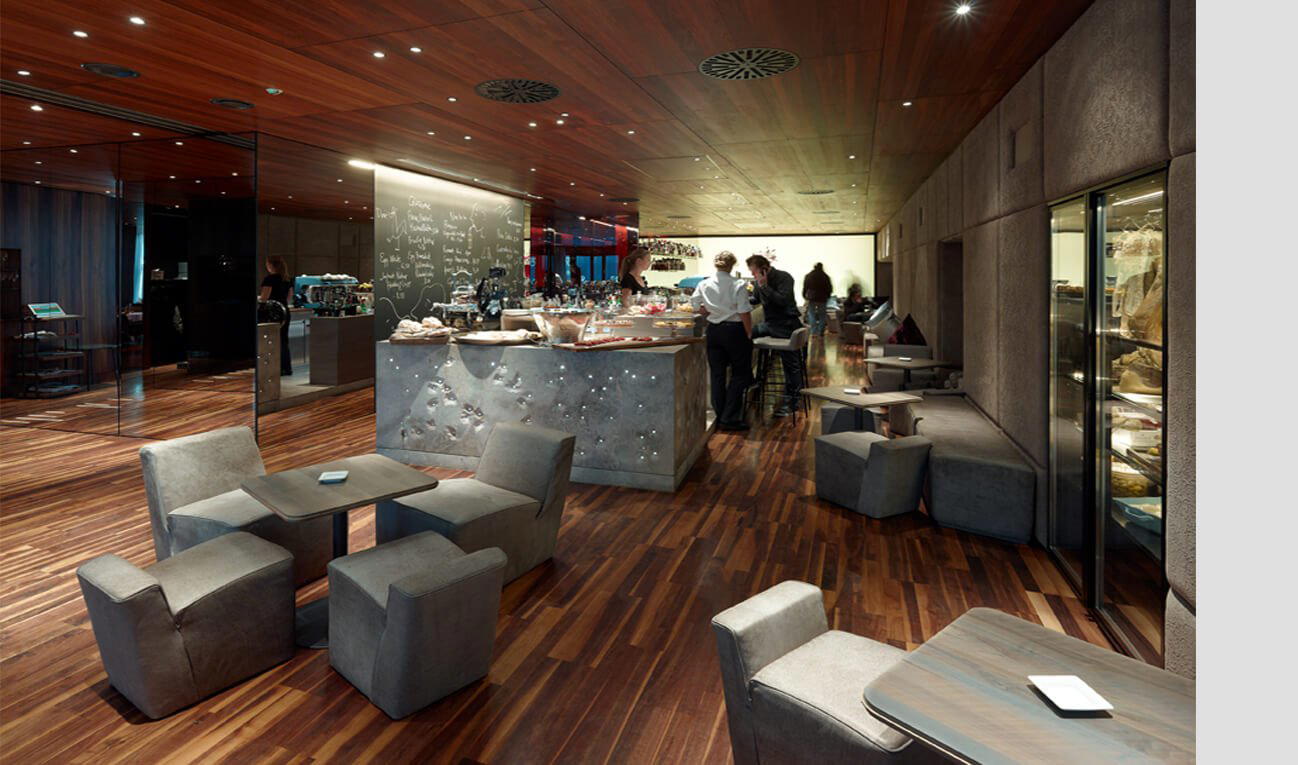
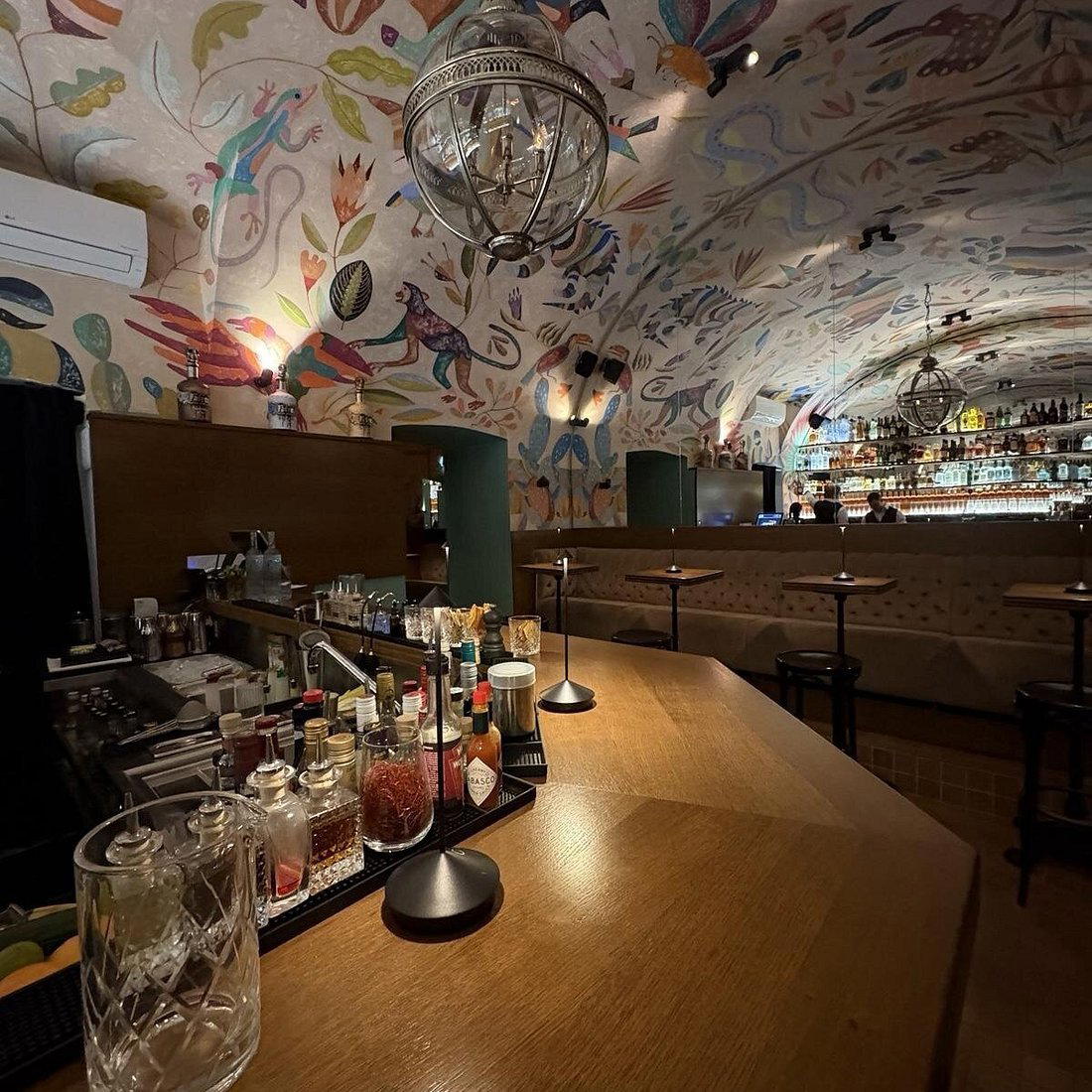
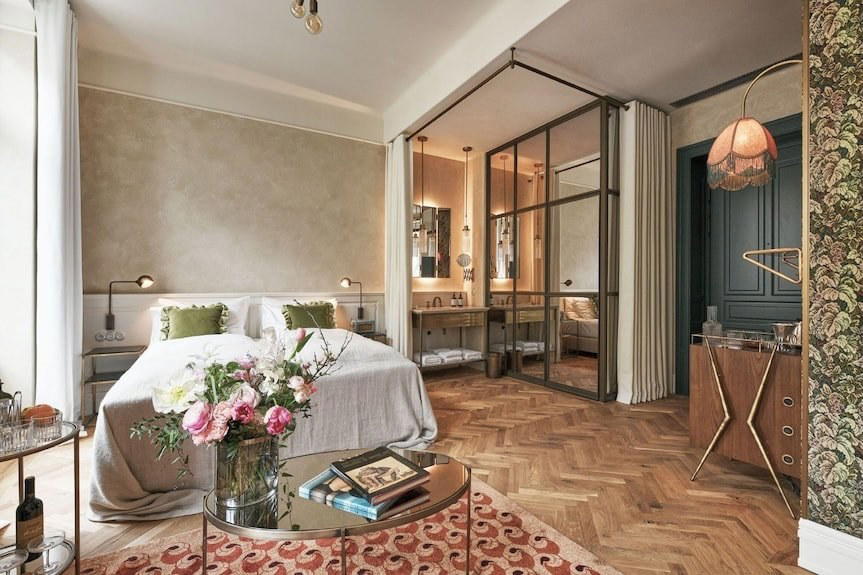
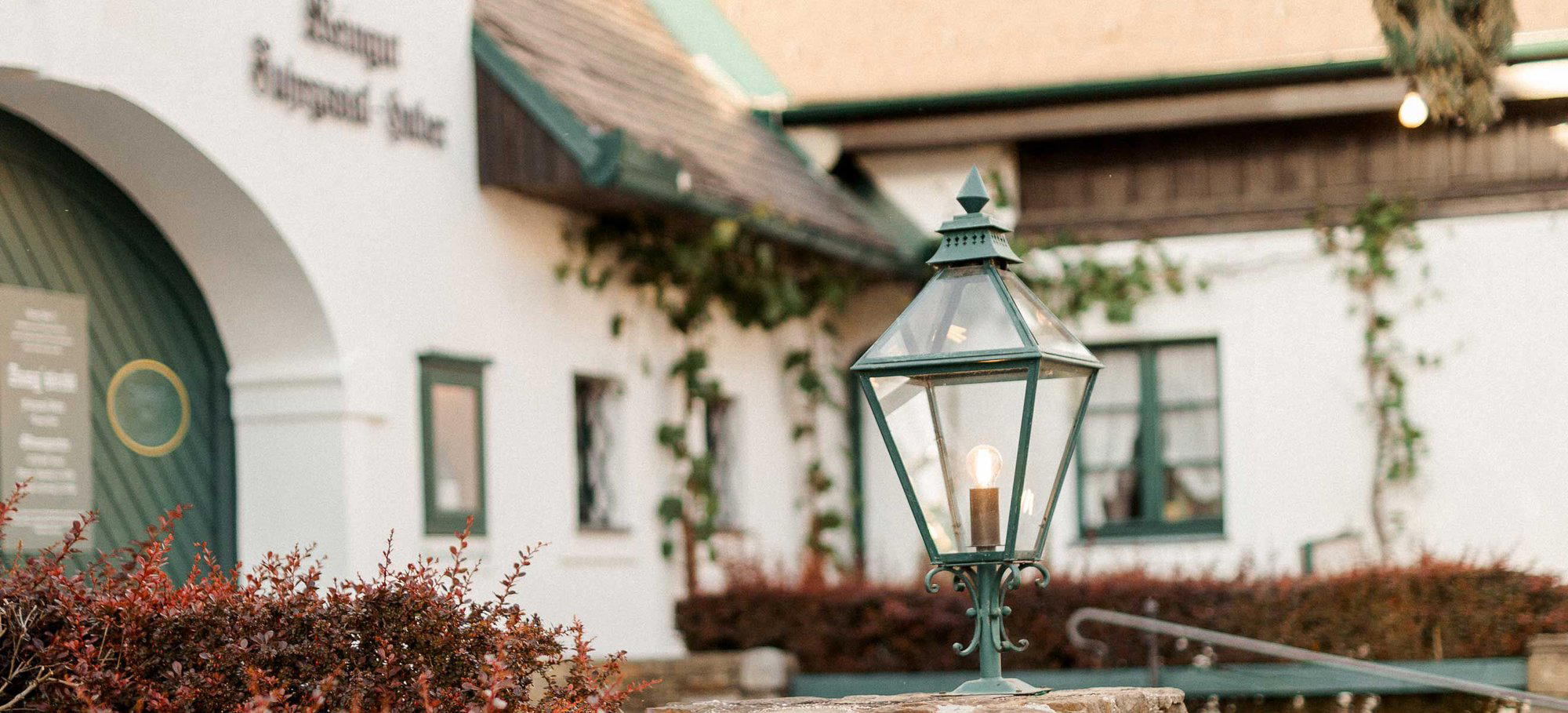
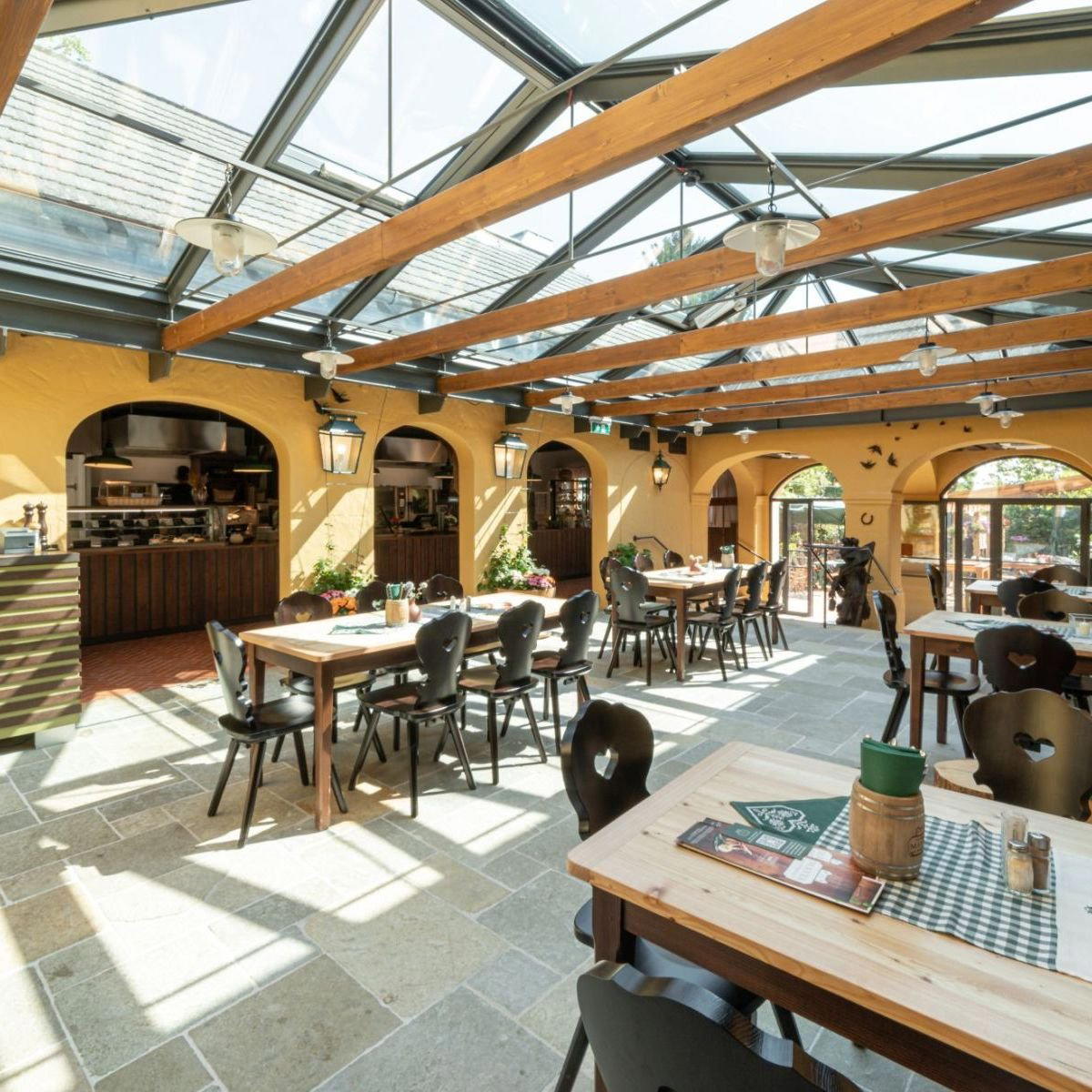
Casual, energetic street food atmosphere with Austrian Heuriger-inspired styling rather than traditional Mexican decor; located at the lively Yppenplatz culinary hub.