Maoji Street Food occupies a spot on Piazza Aspromonte in Milan's Loreto district, placing it within a neighbourhood where informal Asian eating has taken firmer root over the past decade. The format sits at the accessible end of Milan's dining spectrum, a contrast to the tasting-menu formality of the city's Michelin tier, and draws a crowd that treats it as a neighbourhood regular rather than a destination booking.
Pearl is the En Primeur Club membership app — saves, bookings, and concierge access live there. Same editors, same standards.
- Address
- Piazza Aspromonte, 43, 20131 Milano MI, Italy
- Phone
- +39245479541
- Website
- facebook.com
- Directions
- Get directions
 Saves & bookings on Pearl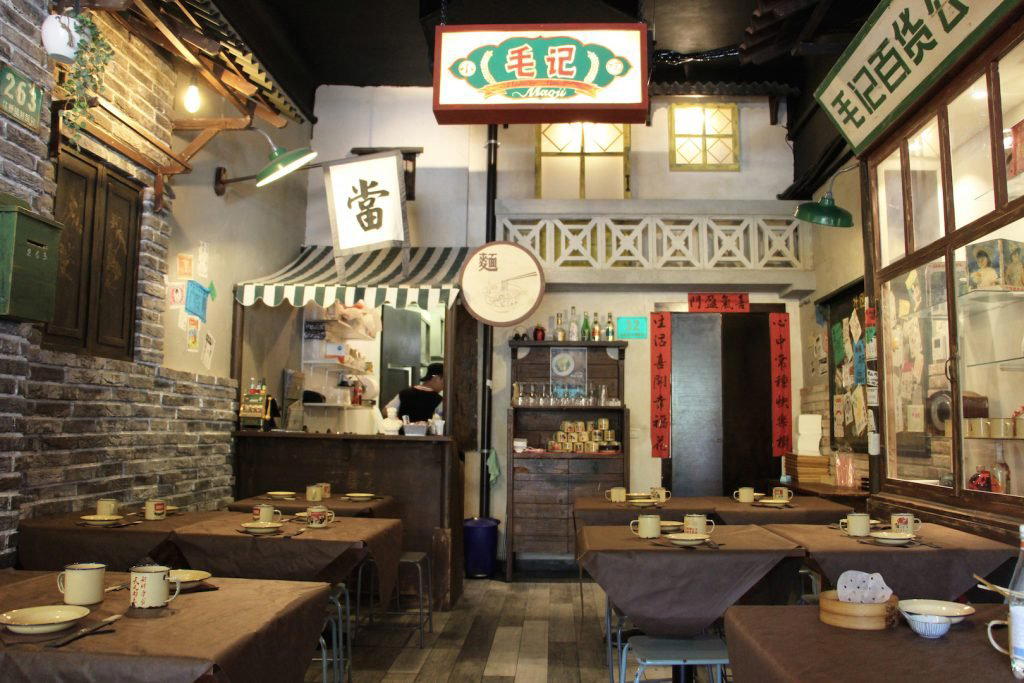
Street Food Formats in a Fine-Dining City
Milan operates on two largely separate dining frequencies. At one end, tasting-menu restaurants like Enrico Bartolini, Cracco in Galleria, Andrea Aprea, and Seta anchor the city's international reputation, pricing at €€€€ and requiring forward planning. At the other, a quieter and less-documented tier of neighbourhood eating absorbs the city's working population — the Loreto zone, where Maoji Street Food sits on Piazza Aspromonte, belongs firmly to that second register. Understanding where Maoji fits means understanding that Milan's street food conversation is still maturing: the city has never developed the pavement-eating culture of Palermo or Naples, so dedicated street food formats, particularly those drawing on East Asian cooking traditions, occupy a specific and still-evolving space.
The Loreto District and Its Dining Character
Piazza Aspromonte and the streets radiating from the Loreto metro interchange represent one of Milan's more genuinely mixed-use neighbourhoods. Unlike the design-district polish of Brera or the aperitivo theatre of Navigli, Loreto has retained a practical, residential character. The square itself draws a daytime crowd of commuters, students from nearby institutes, and residents running errands — a composition that shapes what informal restaurants here actually serve and how they pace their day. The Asian restaurant density in this corridor is higher than in most other Milan quadrants, a reflection of long-established community settlement patterns rather than recent trend-chasing. That context matters when reading Maoji: it is a neighbourhood operation serving a neighbourhood that has an existing and relatively sophisticated appetite for East Asian food formats.
Lunch vs. Dinner at a Street Food Counter
The lunch-versus-dinner divide at informal street food formats in Italian cities is sharper than it appears from the outside. At lunch, the rhythm is driven by turnover: shorter dwell time, quicker decisions, a clientele that has somewhere else to be. For venues in the Maoji category, the midday service typically carries the highest volume and the most consistent pricing pressure, because the competition at lunch extends beyond peer formats to include the panini bars, tavola calda spots, and rosticcerie that define Italian fast-casual eating. Dinner shifts the dynamic. The crowd slows, the meal becomes a choice rather than a convenience, and the comparison set narrows to other sit-down options in the immediate radius. For street food formats specifically, the evening service can represent either a stronger value proposition, because the price point undercuts trattorias in the same street, or a structural challenge, because Italian diners at dinner tend to anchor expectations around a more composed service model. How Maoji navigates that split is part of what defines its position in the local dining ecosystem.
Midday at venues like this in Loreto tends to favour speed: the square is busy, the nearby offices and ateliers generate foot traffic, and the format rewards diners who know what they want. Evening service at Piazza Aspromonte carries a different mood, quieter, with more of the residential neighbourhood visible, a context that suits a slower approach to an inexpensive meal. Neither service is strictly superior; they serve different versions of the same practical proposition.
Where Maoji Sits Against Milan's Broader Dining Map
The distance between a street food counter on Piazza Aspromonte and the Michelin-registered operations that dominate international coverage of Milan is not just economic, it is structural. Venues like Verso Capitaneo represent a middle register of creative Italian cooking that has grown in the city over recent years, but even that tier operates on a different logic to informal street formats. To place Maoji more accurately, it is more useful to look at what Italy's most celebrated dining does at the institutional level, from Osteria Francescana in Modena to Piazza Duomo in Alba, Le Calandre in Rubano, or Enoteca Pinchiorri in Florence, and recognise that these anchor a prestige tier that informal neighbourhood eating neither competes with nor attempts to replicate. The same principle applies internationally: operations like Le Bernardin in New York or Atomix define one pole of a spectrum that has a long tail. Maoji occupies that tail, where accessibility and consistency across many visits matter more than a single exceptional meal.
Within Italy's regional restaurant geography, the contrast extends further. Coastal operations like Uliassi in Senigallia and Quattro Passi in Marina del Cantone, mountain-rooted projects like Atelier Moessmer Norbert Niederkofler in Brunico, and long-established family institutions like Dal Pescatore in Runate or Casa Perbellini 12 Apostoli in Verona and Reale in Castel di Sangro represent an Italian dining tradition rooted in place, product, and culinary continuity. Street food formats drawing on Asian cooking traditions sit outside that lineage entirely, which is part of why they have found a consistent audience in Milan: they are not competing with Italian tradition, they are running parallel to it.
Planning a Visit
Maoji Street Food is located at Piazza Aspromonte 43, in the Loreto area of Milan, reachable directly from the Loreto metro stop on both Line 1 and Line 2, one of the city's most connected interchange points, which makes arriving from other central districts direct. The format and price point suggest walk-in as the standard approach rather than advance booking, and the midday window on weekdays is likely the highest-demand period given the surrounding office and student population. For those building a broader Milan dining itinerary, the full Milan restaurants guide maps the city's dining spread across formats and price tiers more completely.
How Maoji Street Food Milan compares with similar nearby venues.
| Venue | Cuisine | Price |
|---|---|---|
| Le Nove Scodelle | Chinese | € |
| Fusto Milano | Pasticceria | Not listed |
Continue exploring
More in Milan
Restaurants in Milan
Browse all →
Bars in Milan
Browse all →
Hotels in Milan
Browse all →
At a Glance
- Lively
- Cozy
- Trendy
- Casual Hangout
- Open Kitchen
Current opening hours
- Monday
- Closed
- Tuesday
- 12–2:30 PM, 6:30–10:30 PM
- Wednesday
- 12–2:30 PM, 6:30–10:30 PM
- Thursday
- 12–2:30 PM, 6:30–10:30 PM
- Friday
- 12–2:30 PM, 6:30–10:30 PM
- Saturday
- 12–2:30 PM, 6:30–10:30 PM
- Sunday
- 12–2:30 PM, 6:30–9 PM
Hours can change for holidays and private events. Last verified .
Lively and inviting with simple seats, small tables, and traditional plates creating a lively yet cozy atmosphere.
Know Before You Go
- Getting there
- Piazza Aspromonte, 43, 20131 Milano MI, Italy