
Set inside a restored railway station in Milan's Porta Nuova district, La Bullona operates at the intersection of fine dining, art, and live performance. The room shifts register across an evening, from composed afternoon lunches to a charged dinner atmosphere with music and movement. It positions itself apart from the city's strictly tasting-menu tier, trading format rigidity for a more layered, event-driven dining proposition.
Pearl is the En Primeur Club membership app — saves, bookings, and concierge access live there. Same editors, same standards.
- Address
- V. Piero della Francesca, 64, 20154 Milano MI, Italy
- Phone
- +39 344 084 1891
- Website
- bullona.com
- Directions
- Get directions
 Saves & bookings on Pearl
A Railway Station That Became a Dining Room
Milan has a long habit of repurposing industrial architecture into cultural destinations, and the neighbourhood around Via Piero della Francesca illustrates that impulse clearly. The address sits in the broader Porta Nuova and Isola corridor, a part of the city that has absorbed substantial investment over the past two decades and now holds a mixed identity: corporate towers alongside neighbourhood trattorias, design showrooms beside old-quarter bars. La Bullona occupies a restored railway station within this context, and the physical structure does much of the editorial work before a single dish arrives. Vaulted ceilings, period bones, and a scale that ordinary restaurants cannot manufacture give the room a character that newer openings in Milan's more manicured dining districts rarely replicate.
The conversion of historic infrastructure into hospitality space is well-documented across European cities, but in Milan it carries particular resonance. The city built its postwar identity on industry, and the renovation of industrial-era buildings into art spaces, restaurants, and hotels has been one of the defining stories of Milanese urban culture for a generation. La Bullona sits squarely within that tradition, which means understanding the room requires understanding the neighbourhood as much as the menu.
Where La Bullona Sits in Milan's Dining Order
Milan's premium restaurant tier is dominated by tasting-menu formats and Michelin-flagged kitchens. The city's most formally recognised tables, including Enrico Bartolini, Cracco in Galleria, Andrea Aprea, and Seta, compete on the currency of structured menus, rigorous sourcing declarations, and seasonal progression. That tier rewards a particular kind of attention from a diner: sequential, focused, and largely passive.
La Bullona operates on a different axis. Its identity is built around atmosphere as an active ingredient, rather than a backdrop. The room is described consistently as one of Milan's most atmospheric dining spaces, and the distinction matters because atmosphere here is programmatic: art installations, live music, and an energy that shifts across the arc of an evening are structural features of the proposition, not incidental decoration. This places the restaurant in a peer group that includes venues where the experience is designed to be cumulative and eventful, closer in spirit to the kind of dining rooms that have defined Paris's brasserie culture or London's private members' club dining than to Milan's Michelin-first hierarchy.
For comparison, Verso Capitaneo represents the creative end of Milan's mid-to-upper tier, where the food is the primary object of attention. The restaurant asks a different question of its guests: what does a meal feel like when the room itself is performing?
The Architecture of an Evening
The rhythm of a visit to the restaurant is not fixed. The venue's own framing describes a mood that changes throughout an evening, which is a deliberate structural choice rather than ambient drift. Early in the evening, the register tends toward composed dining; later, music and a livelier atmosphere take hold. This format has European precedents, particularly in the grand brasserie tradition where a single room holds multiple simultaneous registers, and in the Milanese aperitivo culture where the boundary between eating and socialising is deliberately blurred.
The railway station setting amplifies this. A space originally designed for transit, for arrivals and departures, carries a native energy that static dining rooms have to manufacture. The crossroads quality noted in the restaurant's description, a meeting point of fine dining, art, and rhythm, reads as an honest spatial observation rather than positioning language. The room earns that characterisation through its history and its scale.
For visitors planning around this, timing carries consequence. An early booking captures the more composed dining atmosphere; arriving for a later seating places you inside the fuller performance of the evening. Neither is a compromise, but they are meaningfully different experiences, and the choice is worth making deliberately. Reservations at venues with this kind of event-driven programming typically require more lead time than the restaurant's reputation alone would suggest, particularly on weekends and during Milan's design and fashion weeks, when the city's dining rooms absorb disproportionate demand.
Milan's Dining Scene in Broader Relief
Milan's claim to be Italy's most sophisticated dining city rests partly on concentration: within roughly the same postcode radius, you can eat across the full spectrum from neighbourhood osteria to multi-Michelin counter. The northern Italian culinary tradition that anchors the city, risotto, ossobuco, braised preparations built on patience, remains the reference point even for menus that depart from it significantly. But what distinguishes Milan's upper tier from comparable cities in Italy is its appetite for format experimentation. Bologna has its classical heritage; Florence has Enoteca Pinchiorri as a formal anchor; Modena has Osteria Francescana as its conceptual pole; Alba has Piazza Duomo as its fine-dining pinnacle. Milan is less attached to a single defining mode.
That openness creates space for venues like La Bullona, which would be harder to place in a city with more rigid dining conventions. A restaurant-and-performance space set in a converted railway station is not a format that maps easily onto Michelin's assessment criteria, which partly explains why particularly atmospheric rooms in any city often develop devoted local followings before they acquire external recognition. The restaurant's reputation in Milan is built on repeat visitors and word-of-mouth in the design and creative industries that populate the surrounding neighbourhood, a more durable form of endorsement in some respects than a single annual award cycle.
Italy's broader fine-dining geography offers useful context. The country's celebrated destination restaurants, from Dal Pescatore in Runate to Le Calandre in Rubano to Atelier Moessmer Norbert Niederkofler in Brunico, tend toward formal seriousness. The restaurant represents the other current in Italian dining culture: convivial, visually rich, and theatrically aware.
Planning a Visit
The restaurant is located at Via Piero della Francesca 64 in the 20154 district of Milan, placing it in the northwest quadrant of the city, within practical distance of the Porta Nuova business district and the Isola neighbourhood. The address is accessible by Metro (Lines 2 and 5 both serve the area) and is within reach of several of Milan's design hotels. Visitors combining a meal here with broader Milan exploration will find the area well-positioned for the city's contemporary art scene, with the Fondazione Prada and Triennale both reachable without significant travel.
Given the venue's event-driven format, booking ahead is advisable, and during Milan's peak periods, specifically the furniture fair in April and the fashion weeks in February and September, securing a reservation several weeks out is a reasonable baseline expectation. The room's atmosphere depends partly on occupancy, which is another reason to book rather than walk in: a half-empty railway station dining room does not perform the same way a full one does.
For visitors building a Milan dining itinerary around multiple experiences, our full Milan restaurants guide provides the broader context. The city's bar scene, hotel options, wine references, and cultural experiences are covered separately. For those looking to extend into further Italian dining, Le Bernardin in New York and Emeril's in New Orleans represent the transatlantic reach of serious dining culture for comparison.
At a Glance
Comparable venues nearby, for context on price, style, and recognition.
| Venue | Cuisine | Price | Notes |
|---|---|---|---|
| La BullonaThis venue — the venue you are viewing | Sarpi, Luxury Italian Seafood | $$$$ | Not listed |
| Il Luogo di Aimo e Nadia | Bande Nere, Modern Italian Regional | $$$$ | Not listed |
| The Hall by "UNA cucina" | Not listed | $$$$ | Stazione Centrale - Ponte Seveso, Italian & International Trattoria |
| Forte Garden | Xxii Marzo, Modern Italian Seafood | $$$$ | Not listed |
| DG Martini | Not listed | $$$$ | Centro Storico, Upscale Sicilian-inspired Italian restaurant & cocktail bar |
| Excelsior Hotel Gallia | Not listed | $$$$ | Stazione Centrale - Ponte Seveso, Modern Italian Rooftop with Lombardy and Seafood Focus |
Recognition history
Dated appearances from independent guides and award organizations, with the underlying list record or original source where available.
Star Wine List
Star Wine List
Continue exploring
More in Milan
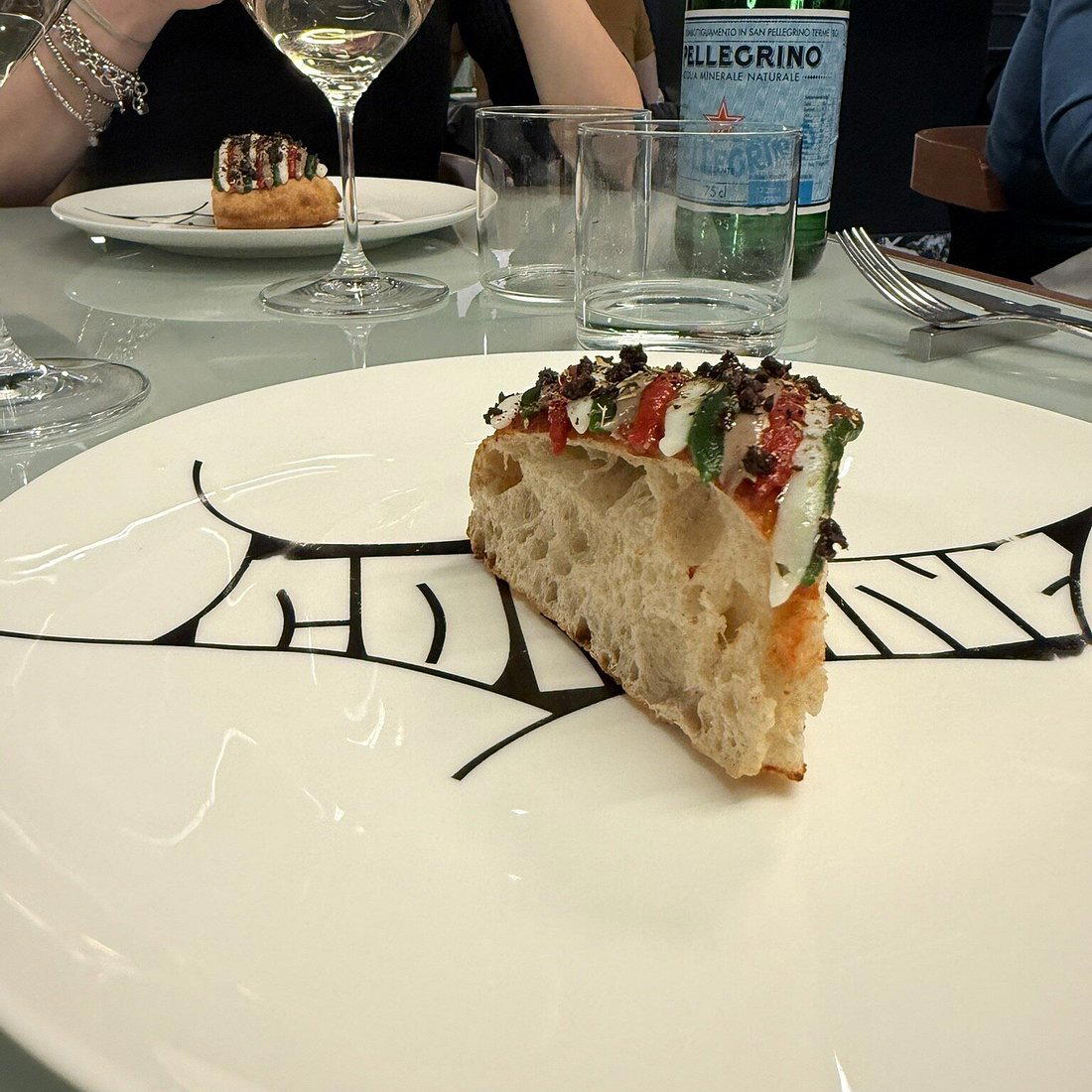
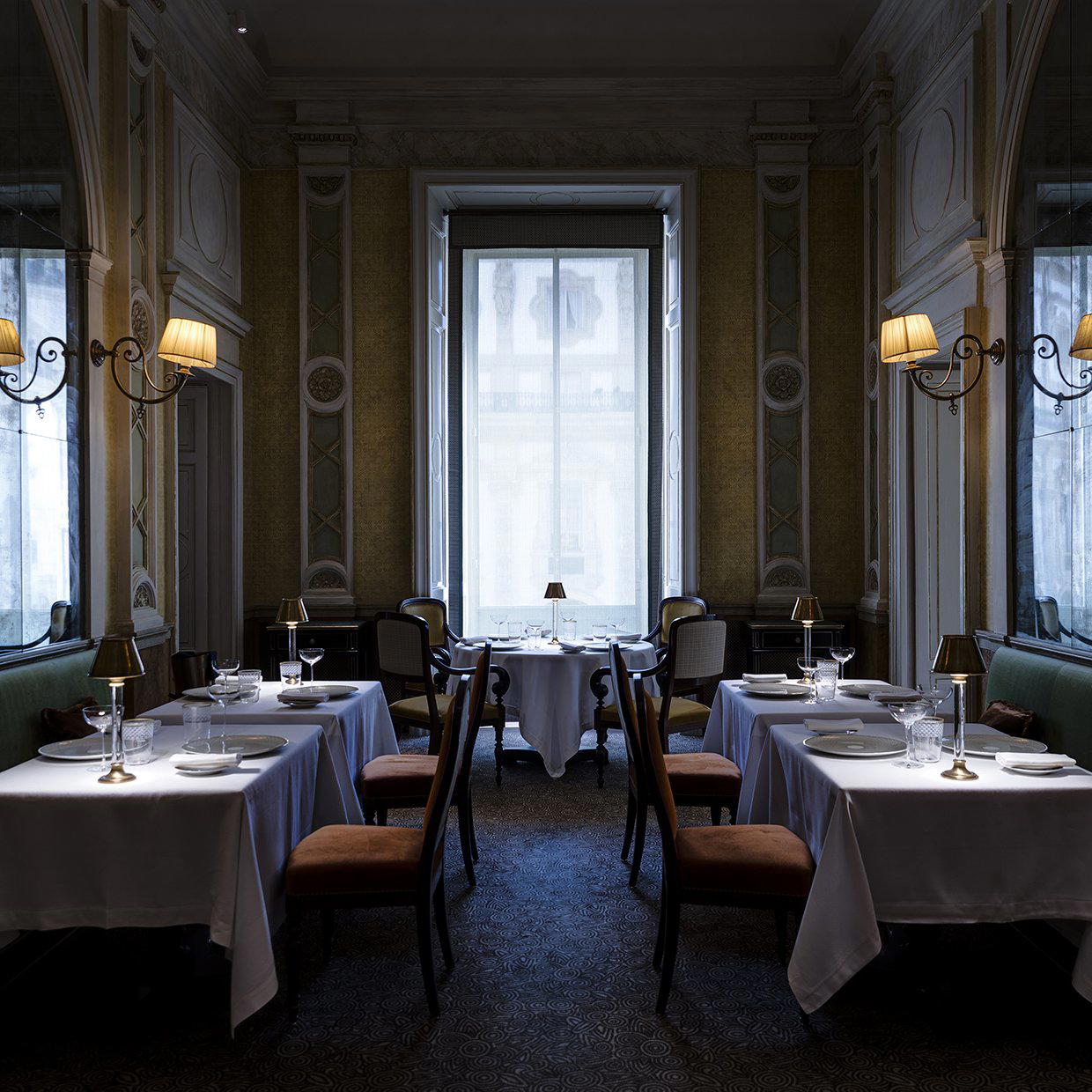
Restaurants in Milan
Browse all →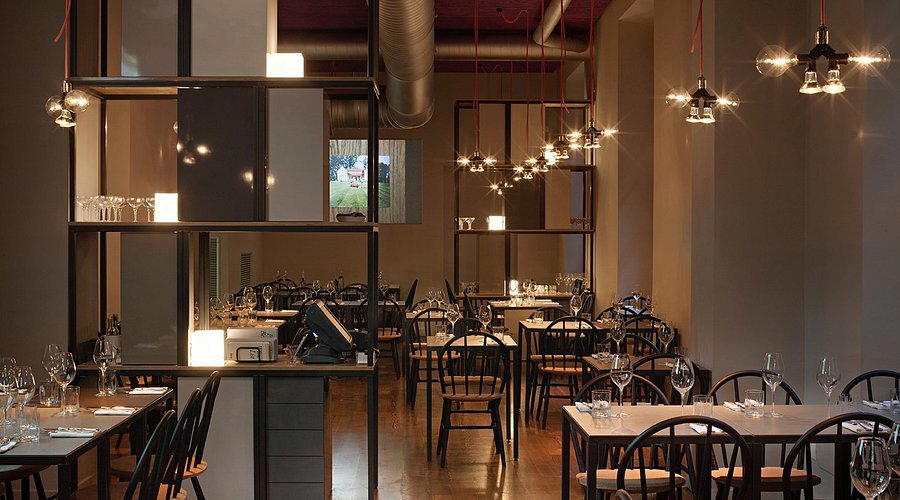
Bars in Milan
Browse all →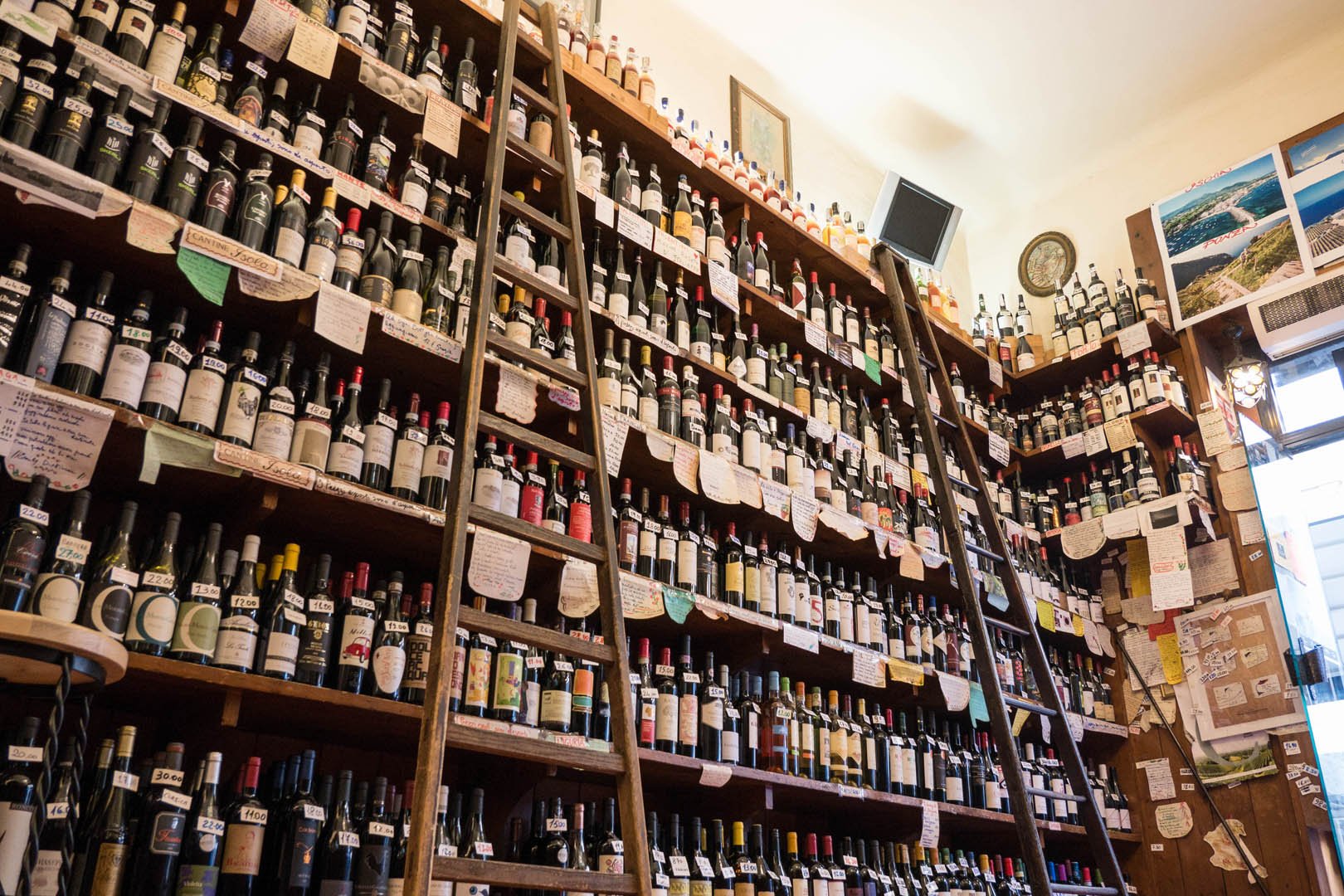
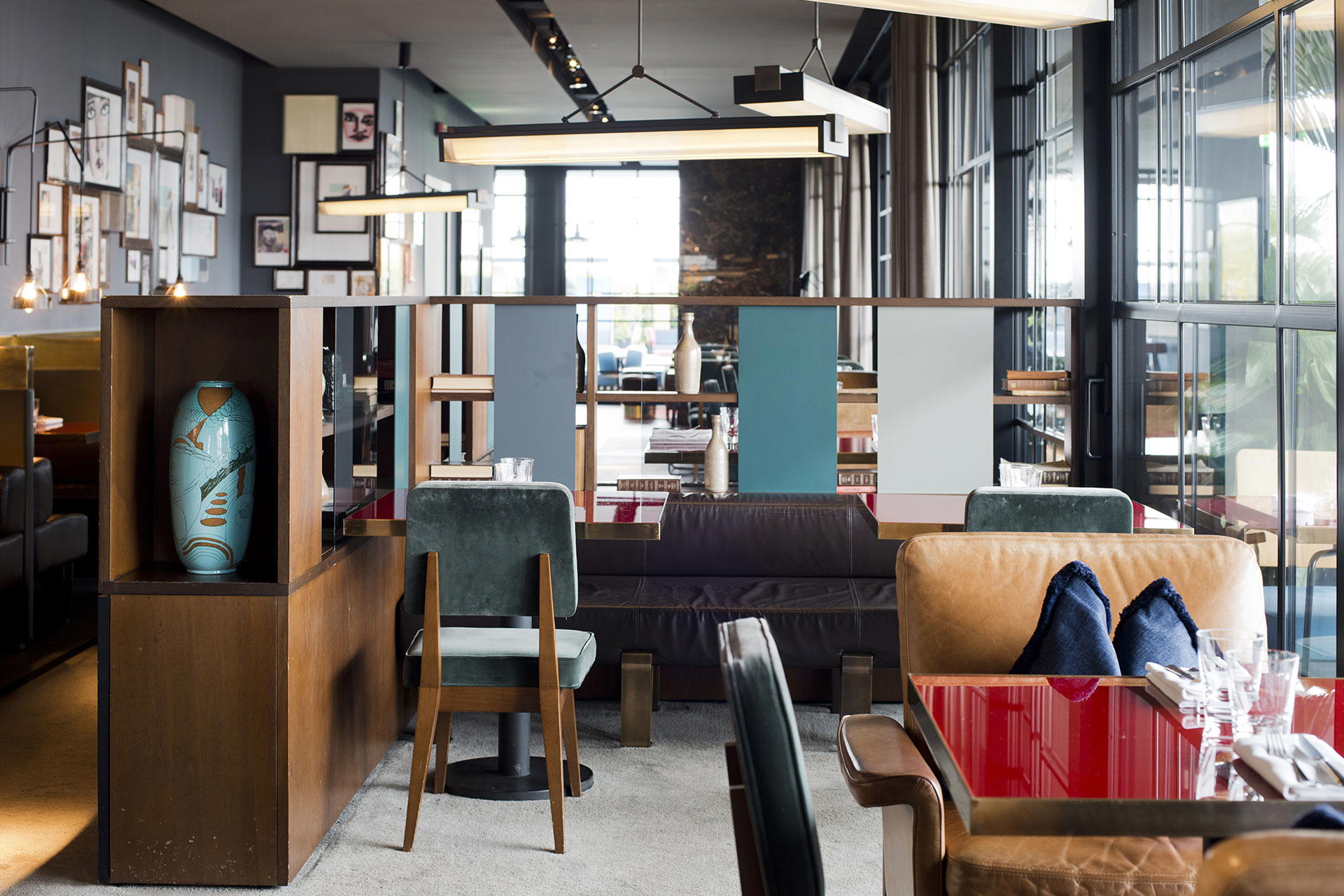
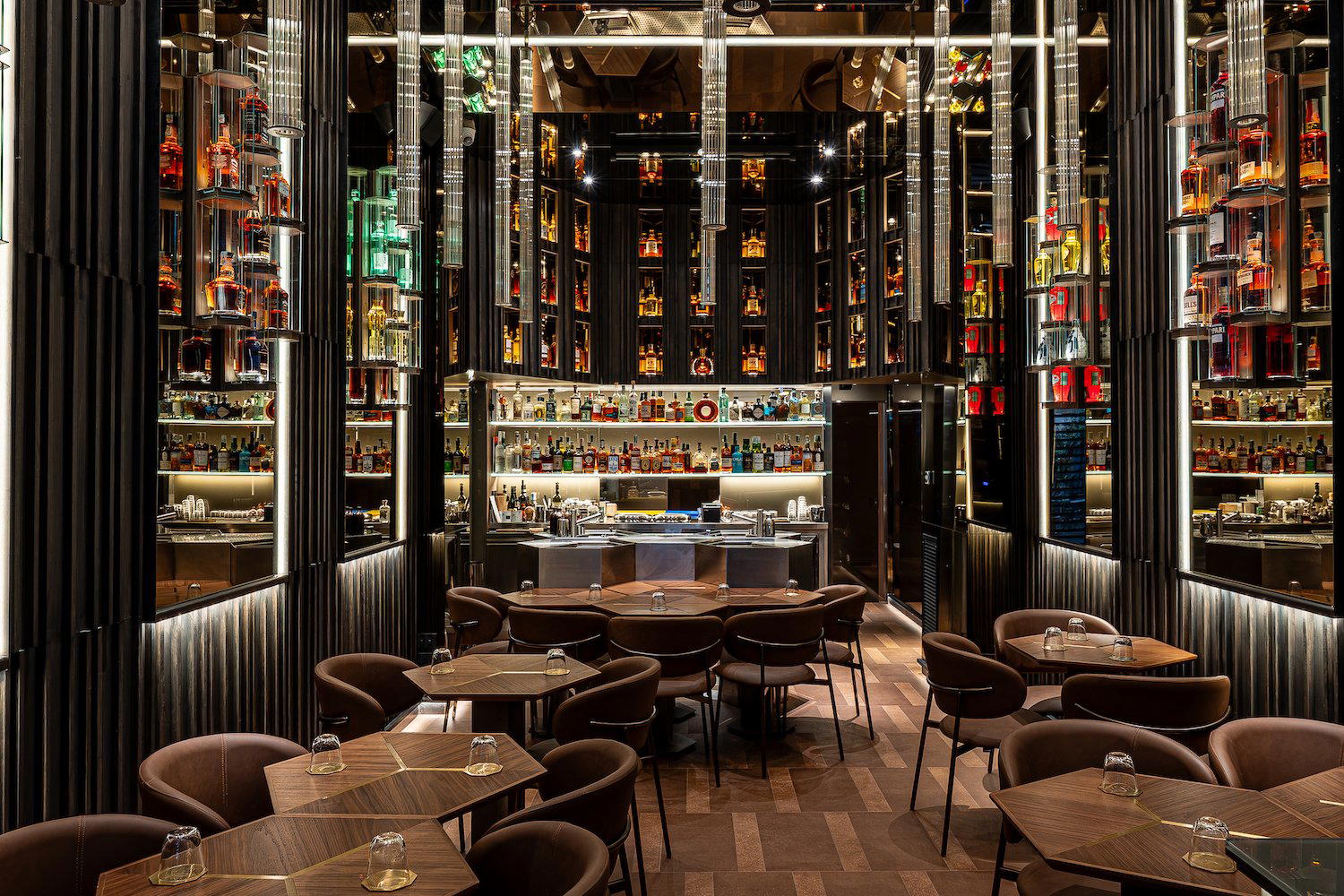
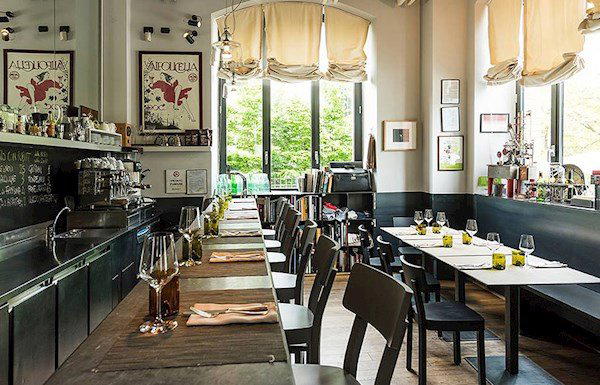
Hotels in Milan
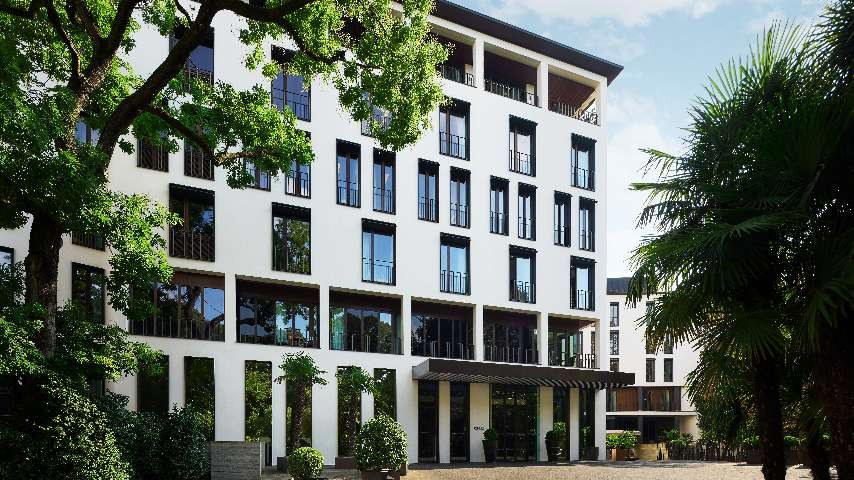
Browse all →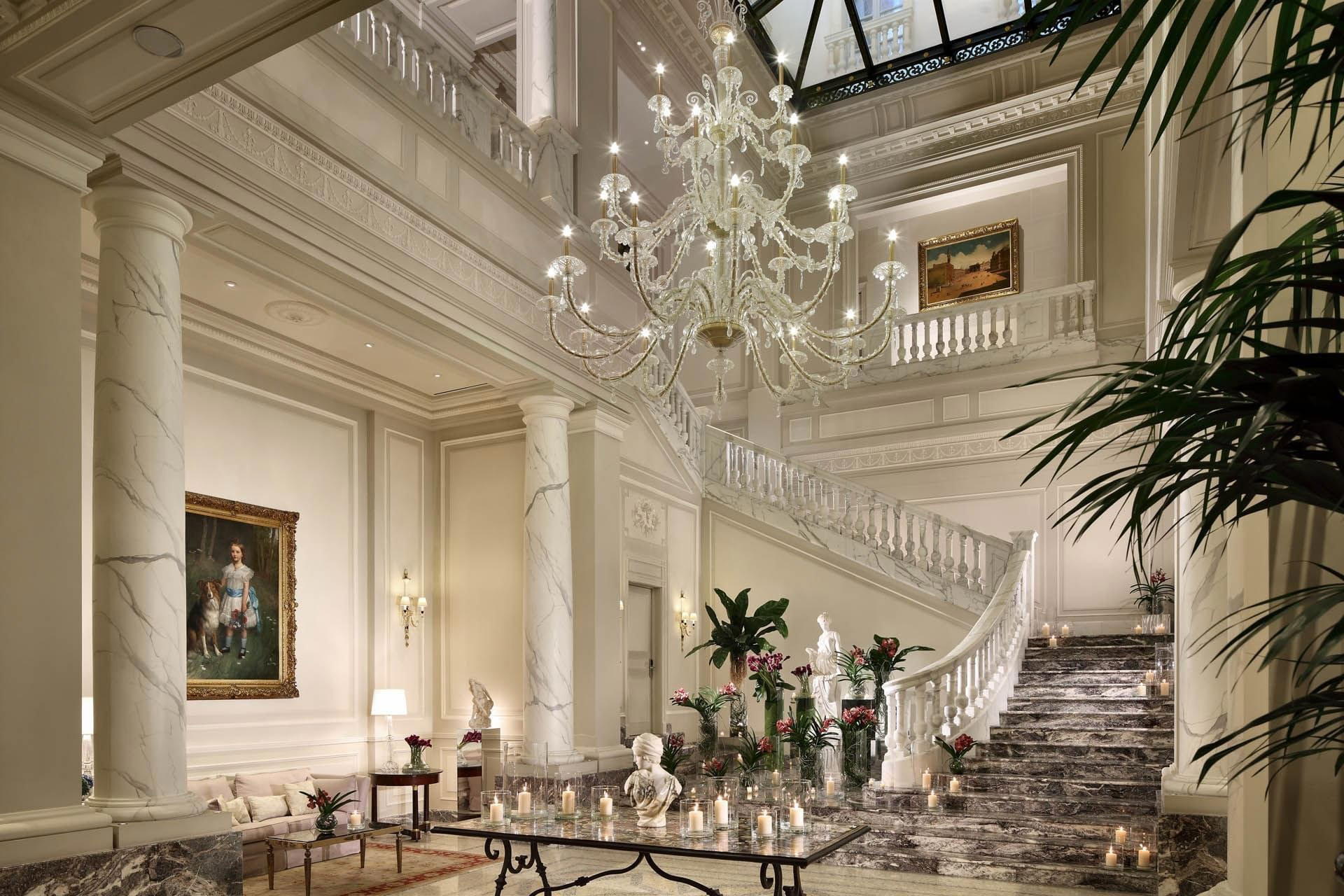
At a Glance
- Lively
- Elegant
- Trendy
- Energetic
- Sophisticated
- Date Night
- Group Dining
- Celebration
- Late Night
- Historic Building
- Open Kitchen
- Extensive Wine List
Current opening hours
- Monday
- 8 PM–2 AM
- Tuesday
- 8 PM–2 AM
- Wednesday
- 8 PM–2 AM
- Thursday
- 8 PM–3 AM
- Friday
- 8 PM–3 AM
- Saturday
- 8 PM–3 AM
- Sunday
- 12:30 PM–2 AM
Hours can change for holidays and private events. Last verified .
Elegant yet lively atmosphere with dim lighting, live music or DJ, and a lively party vibe after dinner.