
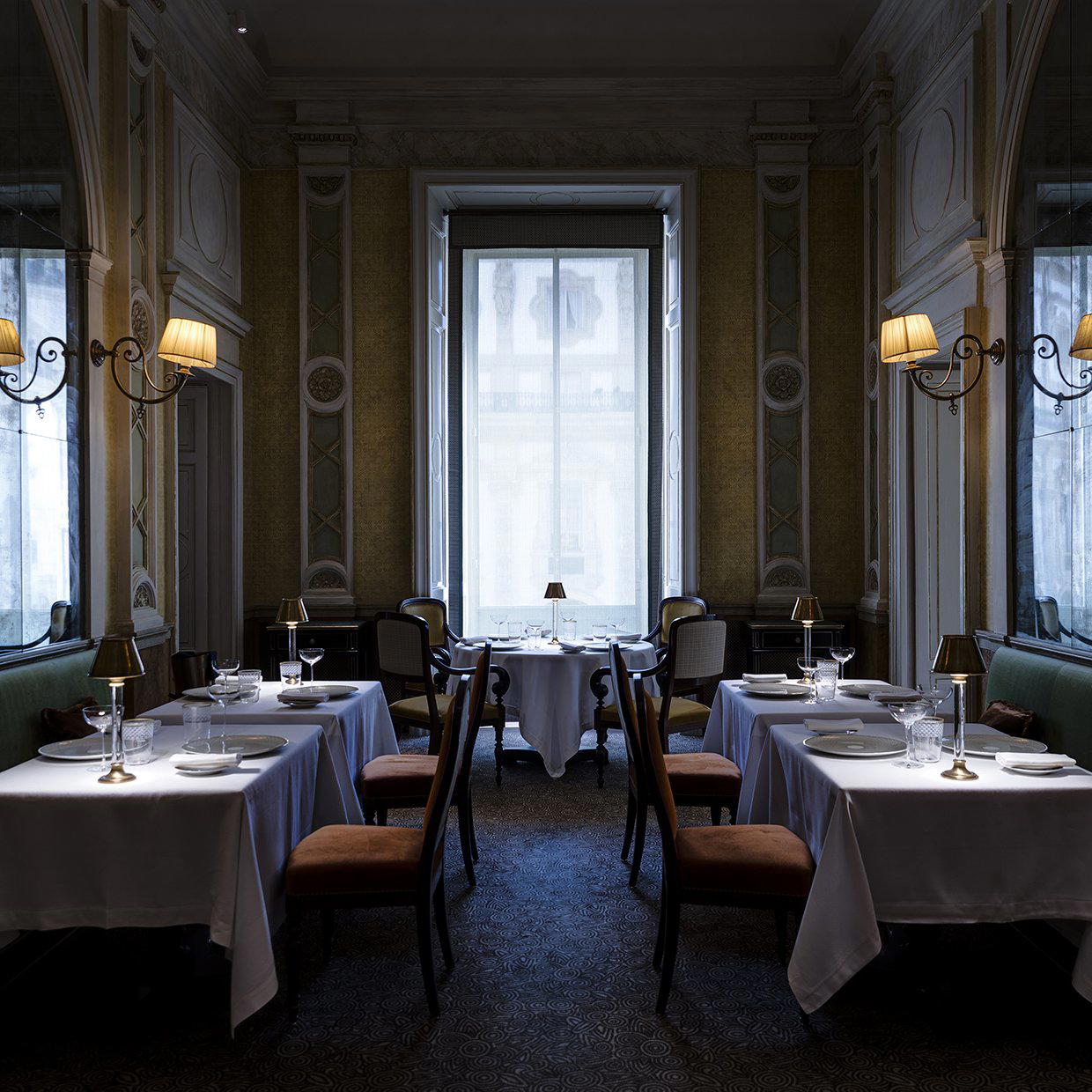
Inside Château Monfort, one of Milan's more architecturally layered hotels, Rubacuori brings Italian seafood into a setting that reads more drawing room than dining room. Chef Cédric Deckert leads a kitchen recognised under the Cooking Classics highlight, anchoring the restaurant in a tradition-forward approach to Italy's coastal larder.
Pearl is the En Primeur Club membership app — saves, bookings, and concierge access live there. Same editors, same standards.
- Address
- Château Monfort, Corso Concordia, 1, 20129 Milano MI, Italy
- Phone
- +39 02 776761
- Website
- hotelchateaumonfort.com
- Directions
- Get directions
 Saves & bookings on Pearl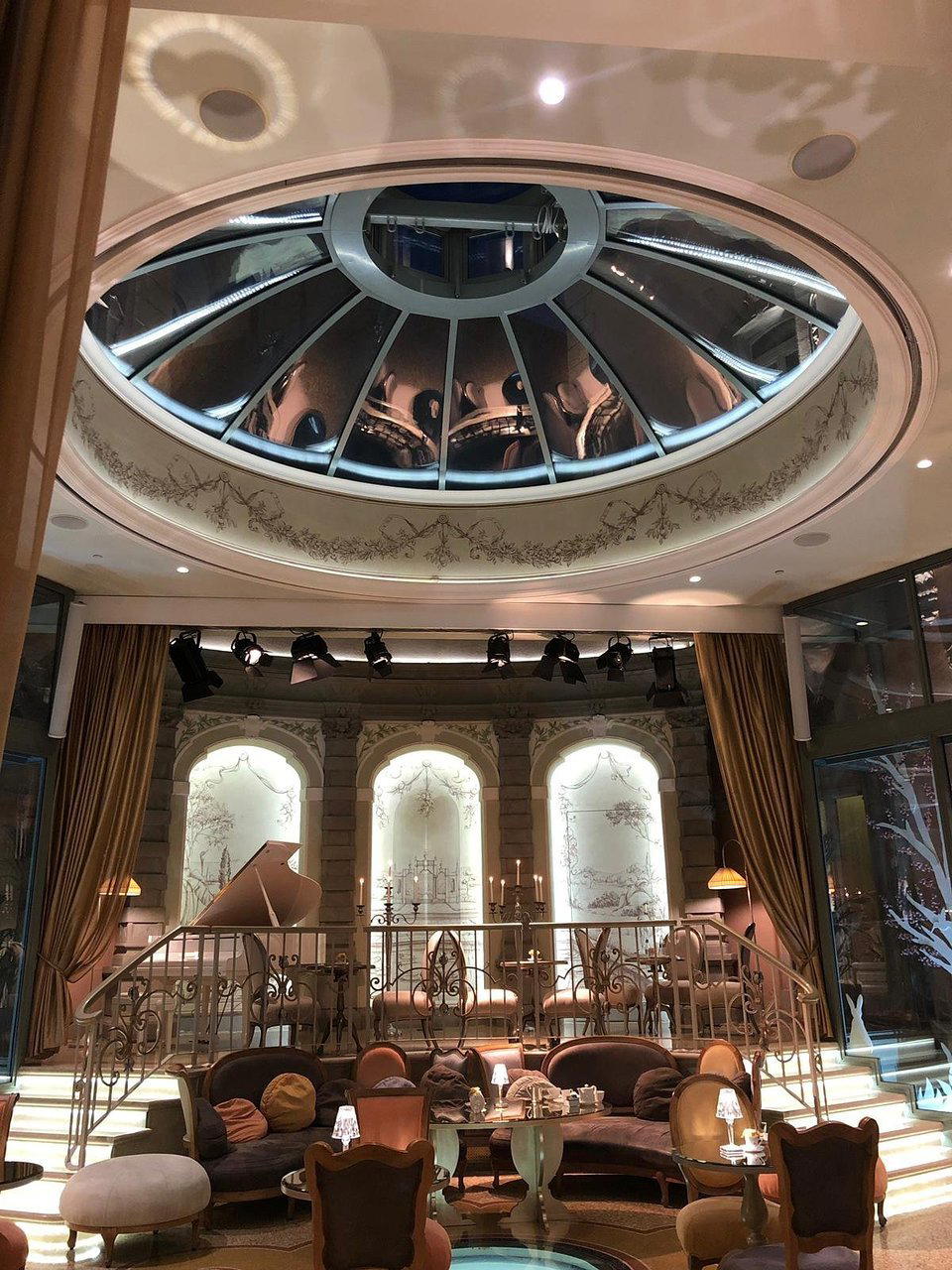
A Hotel Dining Room That Earns Independent Attention
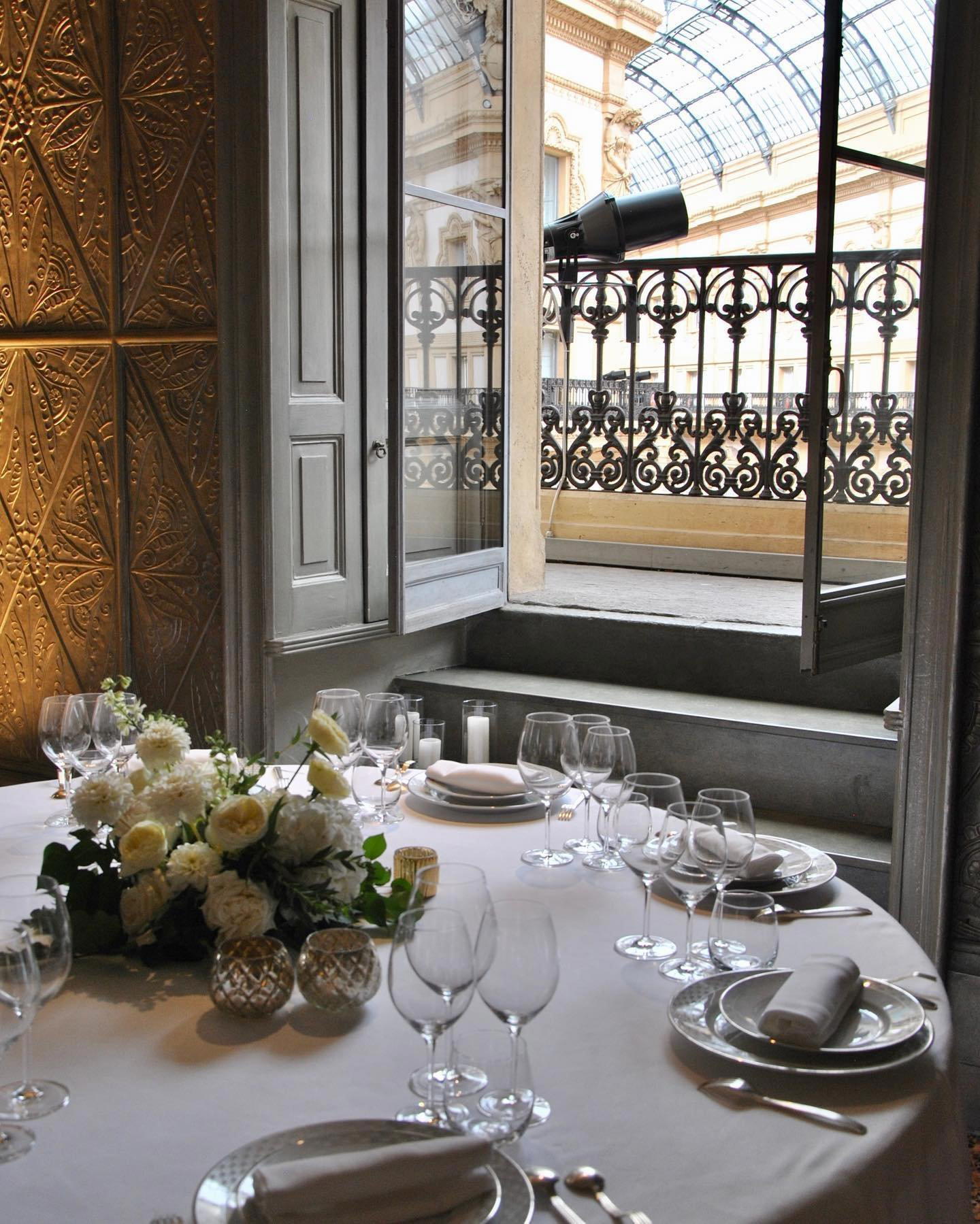
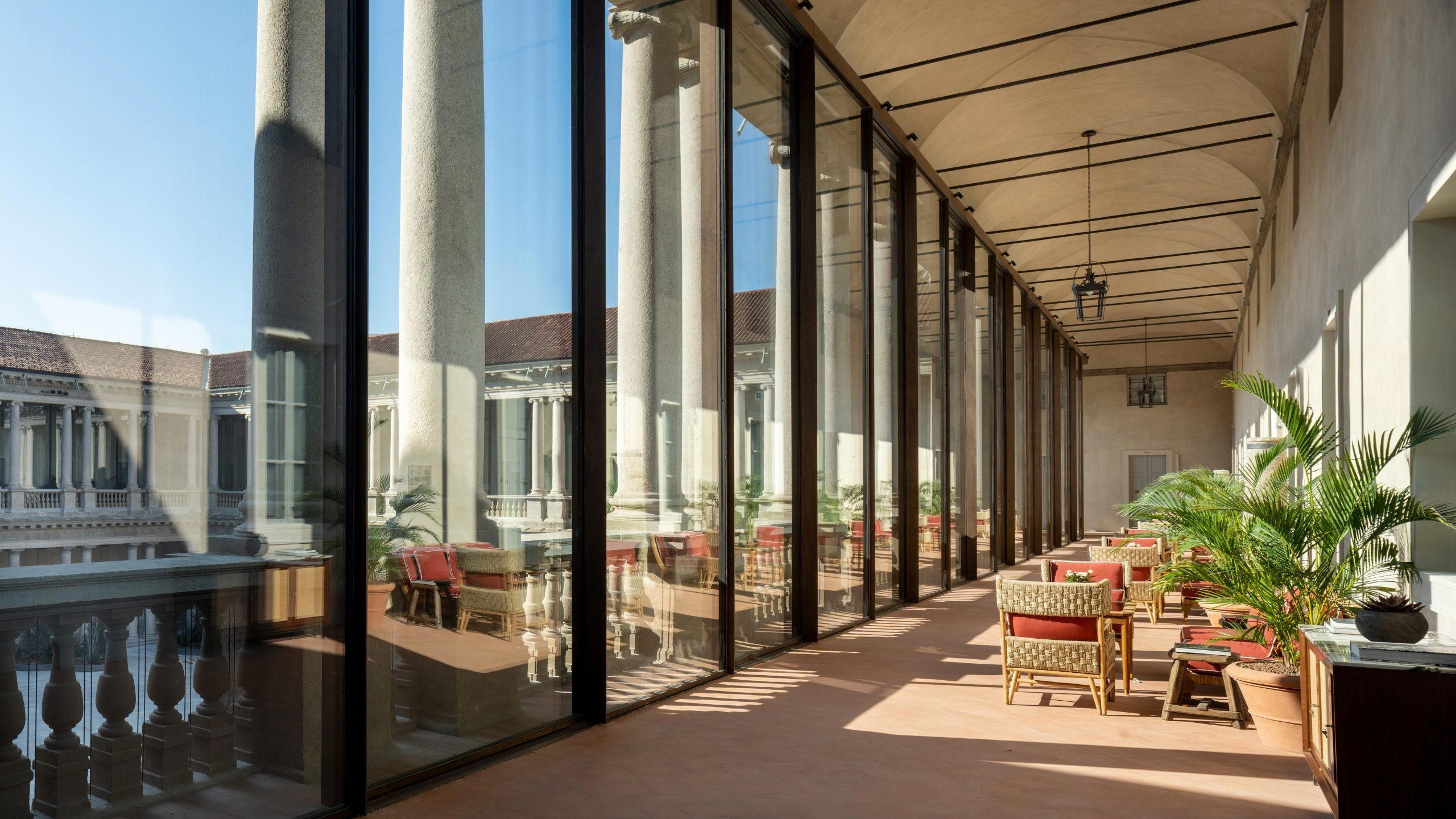
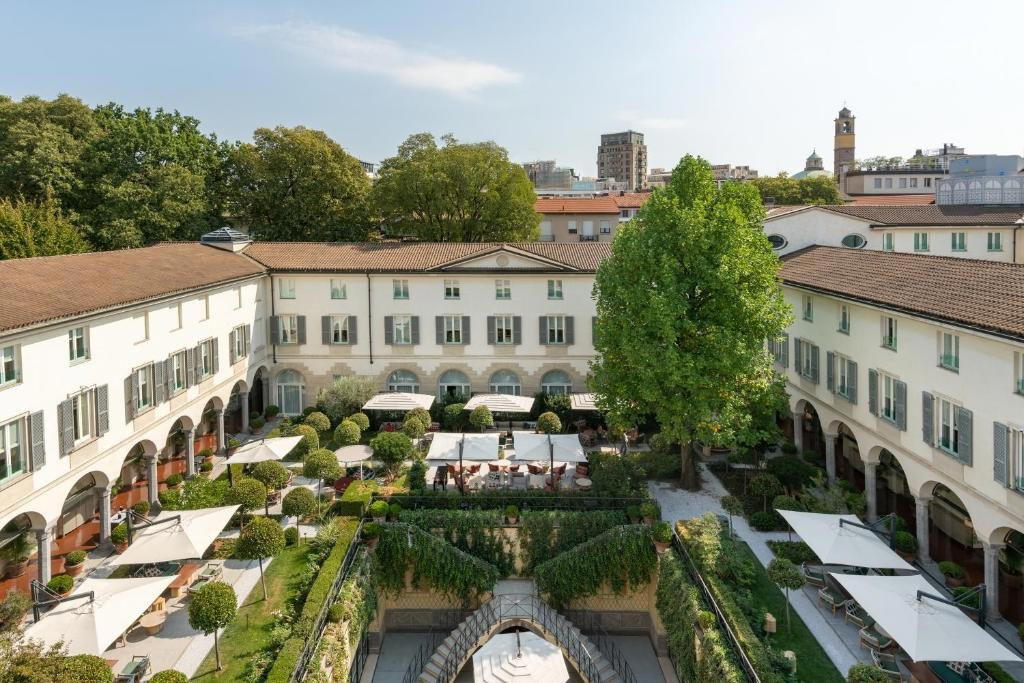
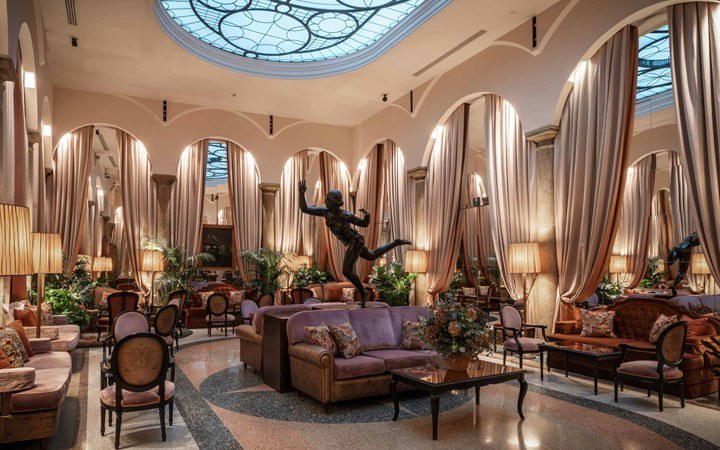
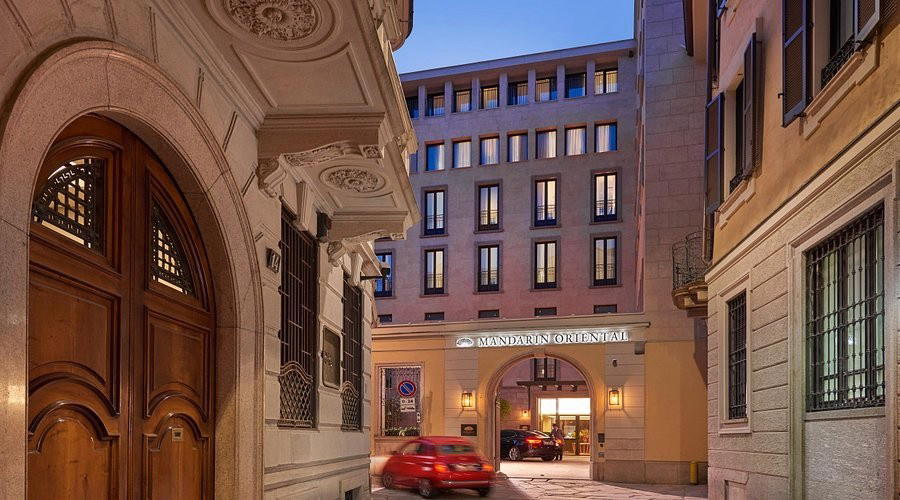
Corso Concordia sits in the eastern arc of Milan's inner city, close enough to the fashion district to attract well-heeled visitors, far enough from the Duomo to avoid the tourist-circuit fatigue that shadows restaurants in the historic centre. The building that houses Rubacuori, Château Monfort, is a neo-Gothic structure with the kind of ornamental interior that tends to produce either theatre or distraction. Here it leans toward theatre: the dining room carries the weight of the architecture without being consumed by it, the kind of space where conversation feels contained and unhurried. Hotel restaurants in Milan occupy a complicated position. Some operate as amenity, a fallback for guests who do not want to go out; others function as full dining destinations that happen to share a postcode with a lobby. Rubacuori belongs to the second category, drawing a local clientele that has little reason to walk into a hotel restaurant unless the kitchen justifies it.
Italian Seafood as a Classical Tradition
Italy's relationship with seafood is not uniform. The country has nearly 8,000 kilometres of coastline and a culinary tradition that varies sharply between the Adriatic, the Tyrrhenian, the Ligurian coast, and the island kitchens of Sicily and Sardinia. What connects them is a broadly conservative respect for the ingredient: less manipulation, shorter cooking times, a preference for olive oil and aromatics over heavy cream or reduction-heavy sauces. Milan, landlocked as it is, has always imported this tradition rather than generating it, which historically meant either poor-quality fish or premium pricing. Over the past two decades, cold-chain logistics and the city's purchasing power have changed that calculation considerably. The seafood restaurants that now operate at the upper tier of Milan's market are dealing with product that arrives in significantly better condition than it did a generation ago, and kitchens like Rubacuori's are positioned to take advantage of that shift.
The Cooking Classics recognition that Rubacuori carries is a signal worth contextualising. It does not position the restaurant as an innovator in the progressive-Italian mode; it places it in a lineage that prioritises technical discipline and fidelity to established forms over novelty for its own sake. In a city where several of frequently discussed restaurants, including Enrico Bartolini, Cracco in Galleria, Andrea Aprea, and Seta, operate at the €€€€ tier with a modernist or contemporary Italian orientation, there is a distinct market for a kitchen that treats the classics as the destination rather than the departure point. Rubacuori occupies that space within Milan's seafood category.
Where Rubacuori Sits in Milan's Seafood Context
The broader Italian seafood restaurant tier, when considered nationally, shows a clear geography of ambition. Uliassi in Senigallia operates on the Adriatic with a three-Michelin-star approach that interrogates the tradition as much as it honours it. Quattro Passi in Marina del Cantone works in the Campanian coastal register with similar ambition. These are destination restaurants built on their proximity to source. Milan-based seafood restaurants argue a different case: they operate on reputation, logistics, and culinary skill rather than terroir. Comparisons with Baccano in Rome and Harry's Restaurant and Dehors in Trieste point to how differently Italian cities frame the seafood-dining proposition: Trieste's proximity to the northern Adriatic gives its seafood restaurants an almost proprietary edge, while Rome and Milan both work from a position of calculated import.
Kitchen runs under Chef Cédric Deckert, whose French-inflected name places him in a tradition of European-trained chefs who have spent significant time inside Italian culinary culture. French technique applied to Italian seafood is not a novelty; it has produced some of the country's most accomplished kitchens, and it tends toward a precision with sauces and preparation that sits comfortably inside a classical framework. That framework is exactly what the Cooking Classics designation describes. For reference points elsewhere in northern Italy's premium tier, Dal Pescatore in Runate and Atelier Moessmer Norbert Niederkofler in Brunico represent how kitchen philosophy can anchor a restaurant's identity across decades. Rubacuori operates in a different register but shares the conviction that craft and consistency outperform trend-chasing.
Vesta Fiori Chiari and the full spread of addresses covered in our Milan restaurants guide show a city that sustains multiple competing philosophies simultaneously. Fine dining in Milan does not converge on a single model: the €€€€ segment is occupied by progressive, modern, and classic kitchens, and the market supports them in parallel. Rubacuori's position is clear within that map. Italy's wider fine dining picture, including reference points such as Osteria Francescana in Modena and Enoteca Pinchiorri in Florence, helps frame just how varied the national conversation around Italian cooking has become, and how deliberately classical kitchens are choosing their position within it.
Know Before You Go
- Address: Château Monfort, Corso Concordia 1, 20129 Milan
- Cuisine: Italian Seafood
- Chef: Cédric Deckert
- Recognition: Cooking Classics highlight 6 (325 reviews)
- Booking: Contact the hotel directly; advance reservation recommended
- Getting There: Close to the Porta Venezia area; accessible by metro (M1 Porta Venezia) or tram on Corso Buenos Aires
Accolades, Compared
Comparable venues nearby, for context on price, style, and recognition.
| Venue | Cuisine | Price | Notes |
|---|---|---|---|
| RubacuoriThis venue — the venue you are viewing | Modern Italian Fine Dining | $$$$ | Not listed |
| DG Martini | Upscale Sicilian-inspired Italian restaurant & cocktail bar | $$$$ | Centro Storico |
| Excelsior Hotel Gallia | Modern Italian Rooftop with Lombardy and Seafood Focus | $$$$ | Stazione Centrale - Ponte Seveso |
| Marchesi 1824 | Historic Italian Patisserie | $$$$ | Duomo |
| Trussardi | Modern Italian Fine Dining | $$$$ | Brera |
| Ristorante Vista Duomo | Modern Italian Fine Dining | $$$$ | Duomo |
Recognition history
Dated appearances from independent guides and award organizations, with the underlying list record or original source where available.
Relais Chateaux Award
Relais Chateaux
Relais Chateaux Award
Relais Chateaux
Continue exploring
More in Milan
Restaurants in Milan
Browse all →
Bars in Milan
Browse all →
Hotels in Milan
Browse all →

At a Glance
- Romantic
- Elegant
- Intimate
- Cozy
- Sophisticated
- Date Night
- Special Occasion
- Hotel Restaurant
- Extensive Wine List
Current opening hours
- Monday
- 12:30–2 PM, 7:30–10 PM
- Tuesday
- 12:30–2 PM, 7:30–10 PM
- Wednesday
- 12:30–2 PM, 7:30–10 PM
- Thursday
- 12:30–2 PM, 7:30–10 PM
- Friday
- 12:30–2 PM, 7:30–10 PM
- Saturday
- 12:30–2 PM, 7:30–10 PM
- Sunday
- 12:30–2 PM, 7:30–10 PM
Hours can change for holidays and private events. Last verified .
Romantic and elegant atmosphere with classic rococo decor, cozy lighting, and an intimate, quiet setting praised for its beauty and charm.