Our verdict
Malmizza occupies a central address in Tõrva, a small town in Estonia's Valga County where the regional pantry runs to dairy, root vegetables, freshwater fish, and seasonal forage. It is the place to understand what southern Estonian cooking looks like when it is not performing for a metropolitan audience.

Pearl is the En Primeur Club membership app, where members save venues, book tables and use the concierge.
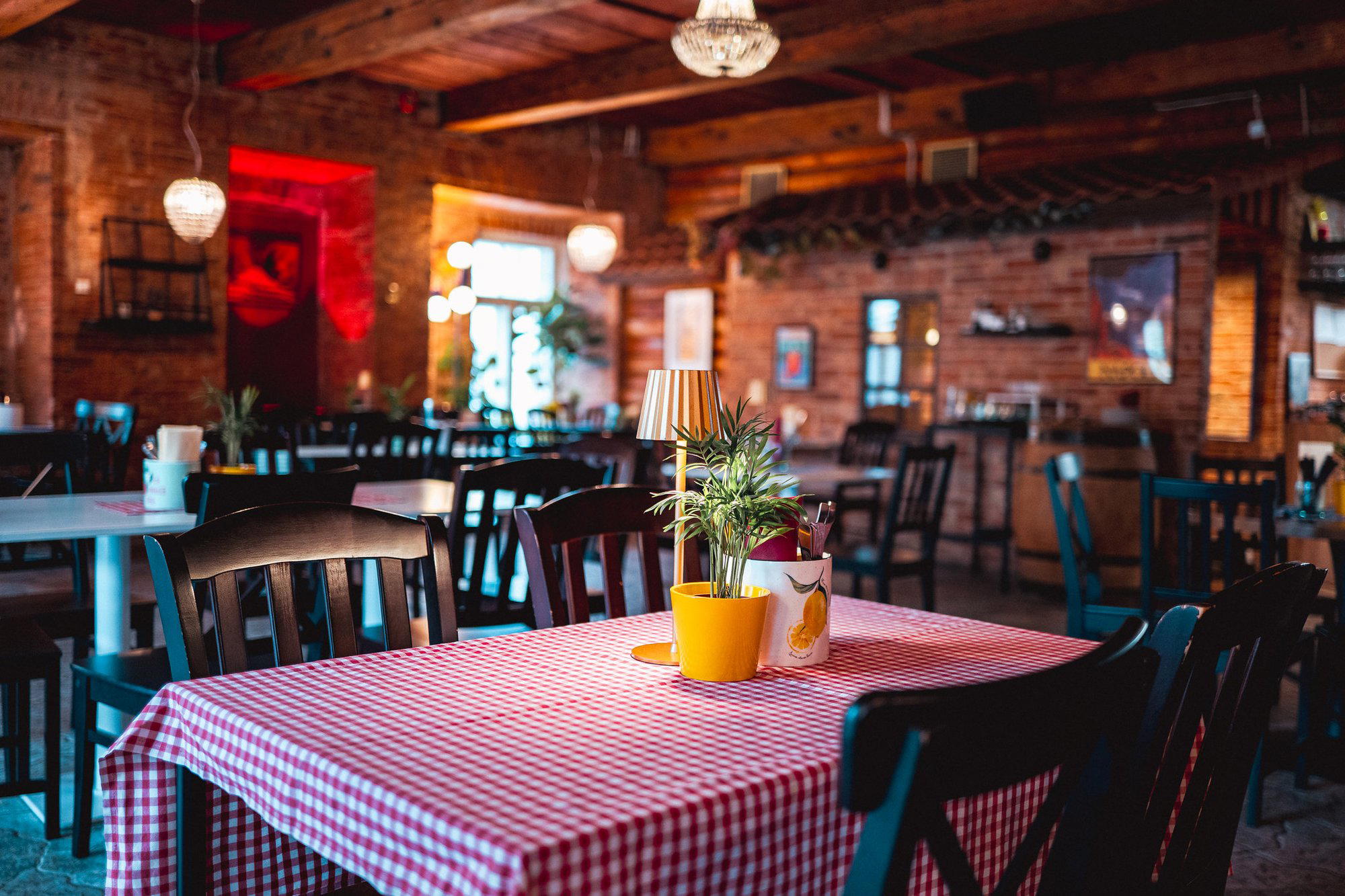
The menu
What to order
- Serrano pizza
Small-Town Estonia, Taken Seriously
Tõrva sits in Valga County in southern Estonia, a region better known for its forested borderlands and Lake Tõrva than for any particular culinary reputation. The town itself is compact, the kind of place where a single address on the main street carries disproportionate weight in local life. Valga tn 1 is that kind of address. Malmizza occupies it with a presence that reads less like a destination restaurant and more like a neighbourhood fixture that has quietly become the de facto standard for the area.
That distinction matters in the context of how dining has developed across smaller Estonian towns. Outside Tallinn and Tartu, the pattern tends toward either traditional tavern formats or imported convenience food. The more interesting exceptions are places that find a middle register: grounded in local supply but operating with enough kitchen discipline to differentiate themselves from the canteen tier. Malmizza fits that pattern, and in a town of Tõrva's scale, it functions as the reference point rather than one option among many.
The Southern Estonian Pantry
Southern Estonia's ingredient geography is worth understanding before considering what any kitchen here can plausibly put on a plate. The Valga region shares its agricultural character with much of inland Estonia: dairy, root vegetables, foraged mushrooms and berries in season, freshwater fish from nearby lakes, and pork-forward meat traditions that stretch back centuries. Unlike the coastal counties, which draw on Baltic seafood traditions, landlocked Valga maakond works from a more constrained but deeply specific larder.
That constraint is, in practice, a form of editorial discipline for kitchens that take it seriously. The seasonal rhythm in this part of Estonia is pronounced: the gap between what is available in late autumn and what appears in early summer is significant enough that a menu built around local sourcing will necessarily rotate. This is the editorial angle through which Malmizza is most usefully read. What arrives on the table here is conditioned by what grows, is raised, or is foraged within a radius that reflects Tõrva's position in the Estonian interior, not by the supply chains that serve Tallinn's hotel dining rooms.
For comparison: 180° by Matthias Diether in Tallinn operates in the top tier of Estonian fusion, where global technique is applied to local ingredients with considerable investment behind it. In Tõrva, the conversation is different. The interest is in what a smaller operation, closer to its sources, chooses to do with materials that need no import and no particular intervention to be worth eating.
Context in the Estonian Small-Town Dining Scene
Estonia's provincial dining has been on a slow but observable upward trajectory. The model that worked in Tartu a decade ago, represented now by addresses like Kohvik in Viljandi and Kolm. Restoran in Voru, has begun filtering into smaller towns. The pattern involves locally oriented menus, relaxed formats, and pricing that reflects the economic reality of non-metropolitan audiences while still delivering food with some degree of ambition. Viljandi and Võru have small but functional dining cultures; Tõrva is a step smaller still.
That makes Malmizza's position genuinely interesting from an editorial standpoint. The kitchen is not pricing against other ambitious restaurants in the same neighbourhood; it is, in effect, setting its own terms. That freedom can produce drift, or it can produce focus. The Valga maakond context, with its clear seasonal and agricultural parameters, provides a natural frame that smaller towns sometimes lack.
Elsewhere in Estonia, operations like Ilmaveere in Obinitsa and Kuur in Vihtra have demonstrated that rural and semi-rural settings can support kitchen programs with genuine identity. The common thread is sourcing specificity: a willingness to name what comes from where and to let those materials define the menu rather than the other way around. Malmizza sits within that emerging small-town tradition.
What the Fellin Comparison Tells You
Fellin, the most directly comparable reference in the Estonian comparison set, operates in a traditional cuisine register at a mid-range price point. That positioning describes the dominant mode for established southern Estonian restaurants: familiar formats, regional ingredients, accessible pricing. Malmizza's address in Tõrva places it in similar territory by necessity, given the town's demographics and visitor base.
The distinction that matters is whether the kitchen treats that traditional register as a ceiling or a starting point. Across the broader Estonian regional scene, the more compelling addresses have used local sourcing not as a marketing note but as a genuine constraint that shapes what appears on the menu week to week. The best of these, at various scales, appear in our full Torva restaurants guide alongside Malmizza.
Getting Here and Planning a Visit
Tõrva is approximately 150 kilometres south of Tallinn and roughly 80 kilometres from Tartu, accessible by road through Viljandi or directly via Route 69 from the north. Public transport connections exist but are infrequent; a car is the practical choice for most visitors arriving from outside Valga County. The address at Valga tn 1 places Malmizza in the centre of Tõrva, where parking is not a significant concern.
For visitors already touring southern Estonia, Tõrva makes sense as a stop in conjunction with Lake Tõrva or the broader Valga border region. Those building a more extensive Estonian dining itinerary can use the platform to cross-reference options across the country, from Eva Sushi in Tartu to coastal options like Wana Kala Kõrts in Neeme and KABE Beach in Kaberneeme. For those extending west, Kärme Küülik in Haapsalu and Valgeranna Veinitall in Audru offer different registers. Further afield, Franzia in Narva Joesuu, Kohvik Kaar in Narva, Kalana ÄÄR in Kalana, Burger Bros in Rakvere, and Everest Thai/Nepalese Restaurant in Parnu round out a picture of how Estonia's provincial dining scene distributes across the country.
For context on what fine dining looks like at the top of the international register, Le Bernardin in New York City and Atomix in New York City represent the kind of sourcing-led, technique-intensive programs that provincial kitchens worldwide measure themselves against, whether explicitly or not.
Frequently asked questions
Is Malmizza a family-friendly restaurant?
Tõrva is a small, community-oriented town in Valga County, and restaurants at this address and price level typically serve a broad local clientele that includes families. The town's scale and character favour an unpretentious, inclusive atmosphere rather than the hushed formality of a destination dining room.
What's the overall feel of Malmizza?
Malmizza sits at Valga tn 1 in Tõrva, a town of a few thousand residents in southern Estonia's Valga County. The dominant register here reflects the town's scale: grounded, priced for local habit, and shaped by the agricultural and forested surroundings rather than by any metropolitan dining trend. Think functional comfort rather than theatrical presentation.
How far is Malmizza in Tõrva from Tartu and Tallinn, and is it worth the trip from either city?
Tõrva is approximately 80 kilometres from Tartu and around 150 kilometres from Tallinn, reachable via Route 92 or through Viljandi. For travellers already moving through Valga County or the southern Estonian borderlands, Malmizza at Valga tn 1 represents a practical dining stop in a town with few documented alternatives at any comparable address.
What dish is Malmizza famous for?
No specific signature dishes are documented in the available record for Malmizza. Southern Estonia's ingredient base, defined by its inland agriculture, foraging traditions, and proximity to the Latvian border, gives kitchens in this region a distinct pantry that tends toward hearty, produce-led preparations rather than fine-dining abstractions.
Side-by-Side Snapshot
Comparable venues nearby, for context on price, style, and recognition.
| Venue | Cuisine | Price | Awards | Notes |
|---|---|---|---|---|
| MalmizzaThis venue (the venue you are viewing) | Authentic Neapolitan Pizza | Not listed | Not listed | Not listed |
| Mona Venüü | Wood-fired Pizza & Street Food | $10–20 | Not listed | Not listed |
| Viru Burger | Modern Burgers | $10–20 | Not listed | Kesklinna linnaosa |
| Restaurant Ormisson | Modern European with Estonian influences | Not listed | Not listed | Viljandi center |
| Kolm Tilli | Global Street Food & Neapolitan Pizza | $20–30 | Not listed | Aparaaditehas |
| Controvento | Traditional Italian | Not listed | Star Wine List | Old Town |
Continue exploring
More in Torva
Details
- Cozy
- Rustic
- Casual Hangout
- Family
- Historic Building
- A La Carte
Current opening hours
- Monday
- Closed
- Tuesday
- 11:30 AM–7 PM
- Wednesday
- 11:30 AM–7 PM
- Thursday
- 11:30 AM–7 PM
- Friday
- 11:30 AM–11 PM
- Saturday
- 12–11 PM
- Sunday
- 12–7 PM
Hours can change for holidays and private events. Hours as of .
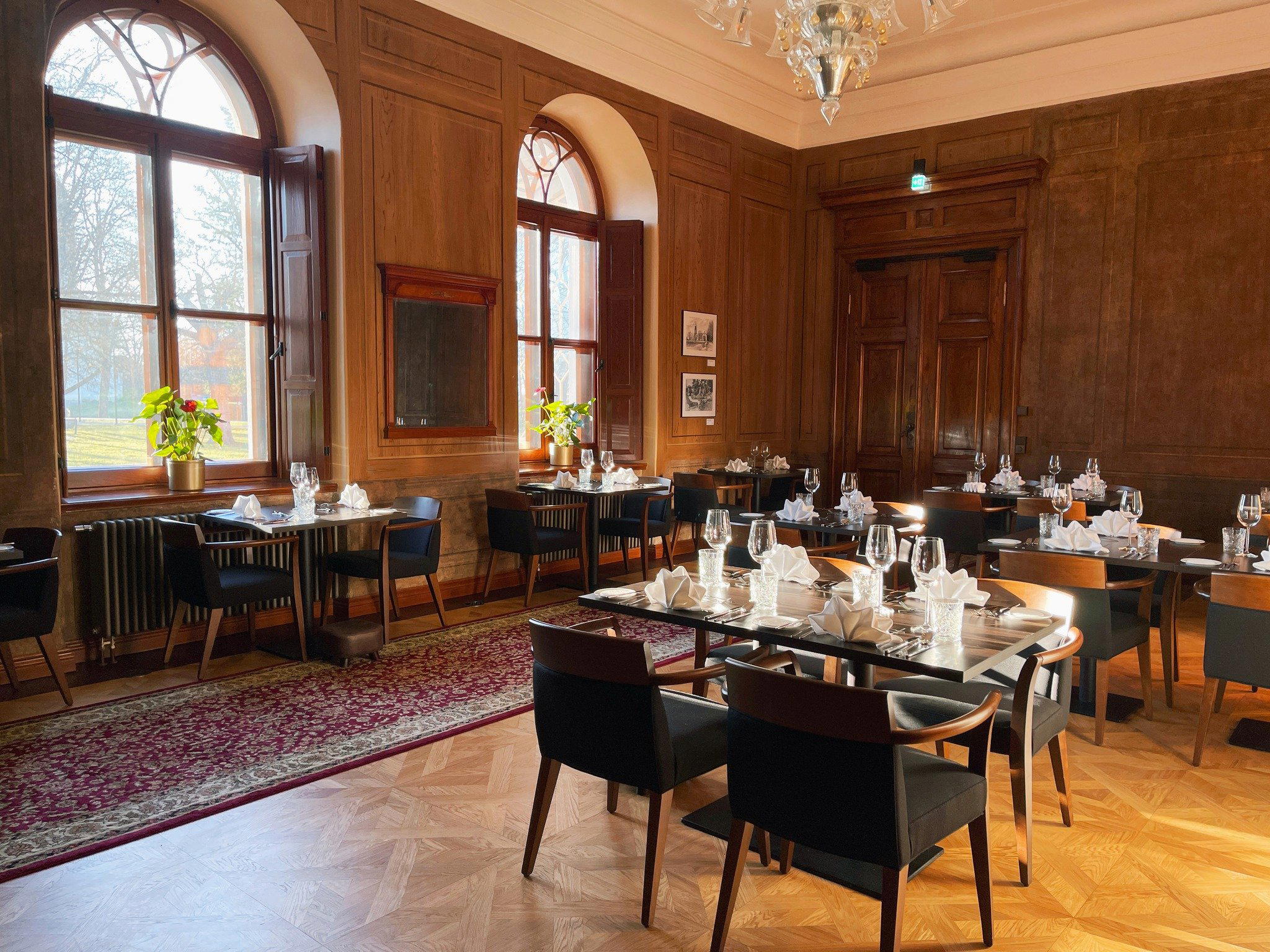
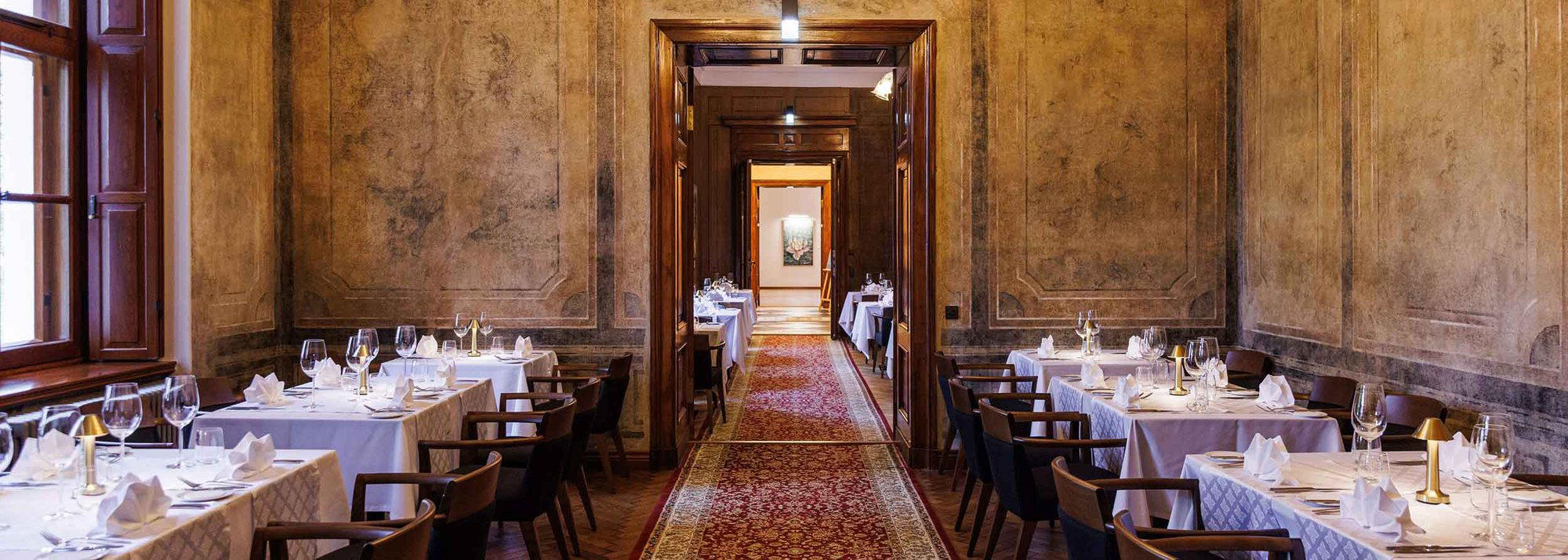
Cozy dining atmosphere in historic building with warm hospitality.