
White Guide Baltic Restaurants - Very Fine Level
Our verdict
Kärme Küülik occupies a quiet address on Karja tänav in Haapsalu, the Estonian spa town best known for its medieval castle and unhurried pace. Set within a dining scene that leans on the region's coastal and agricultural larder, it represents the kind of neighbourhood-scale eating that defines West Estonian hospitality. Visitors to Haapsalu with an interest in locally rooted cooking will find it worth including in their planning.

Pearl is the En Primeur Club membership app, where members save venues, book tables and use the concierge.
The menu
What to order
- Rabbit confit
- Focaccia
- Wood-fired pizza
- Rabbit pie
- Iberian pig
- Snails
- Homemade goat cheese
Haapsalu's Table: What the West Estonian Coast Puts on the Plate
There is a particular rhythm to eating in Haapsalu that larger Estonian cities have largely lost. The town sits on a shallow bay off the Väinameri, the archipelago sea that separates the mainland from the islands of Hiiumaa and Saaremaa, and its proximity to that water shapes what ends up on local menus. Coastal perch, pike, and Baltic herring appear regularly. So do foraged mushrooms from the surrounding forests and rye-based preparations that predate any contemporary trend toward fermentation or preservation. Kärme Küülik, at Karja tn 5, is positioned within that tradition, in a town where the dining scene is small enough that every address occupies a distinct niche.
Haapsalu draws a specific kind of visitor: those who have already seen Tallinn and Tartu and are looking for the Estonia that moves at a different tempo. The restaurant count is modest, which concentrates attention. Hapsal Dietrich and Pizza Grande occupy the same compact ecosystem. Rado Haapsalu anchors the traditional end of the local range with a format built around Estonian classics at a mid-range price point. Against that backdrop, a place like Kärme Küülik is likely serving a neighbourhood audience that expects familiarity alongside quality, rather than the kind of ambitious tasting-menu programming you would find at 180° by Matthias Diether in Tallinn.
Ingredient Geography: Why West Estonia Matters to What You Eat
The sourcing logic of West Estonian cooking is worth understanding before you sit down anywhere in this region. The Lääne maakond, or Western County, in which Haapsalu sits as the administrative centre, is agricultural and maritime in roughly equal measure. Dairy farms dot the inland areas. The coast and the nearby islands supply fish that rarely travels far before it reaches a kitchen. This is not a region where ingredients are imported for prestige; the local larder is simply what is available, and cooks here have historically worked with it out of necessity rather than ideology.
That grounding in place-based ingredients distinguishes West Estonian dining from, say, the more internationally eclectic menus appearing in Pärnu's summer restaurant circuit, where establishments like Everest Thai/Nepalese Restaurant reflect a seasonal tourist economy with different demands. It also differs from the quieter, inland-facing character of spots like Kohvik in Viljandi, where the food culture is shaped by a university town rather than a coastal one. Haapsalu's pantry is its geography.
The practical implication for the visitor is this: what you order in a Haapsalu restaurant is likely to have travelled less than what you order almost anywhere else in Estonia. That matters most for fish, for seasonal vegetables, and for the dairy products that appear in everything from soups to desserts. Across Estonia's smaller restaurant scenes, from Franzia in Narva Jõesuu to Kolm. Restoran in Võru, this regional specificity is increasingly the point of distinction rather than an accident of geography.
The Karja Street Setting
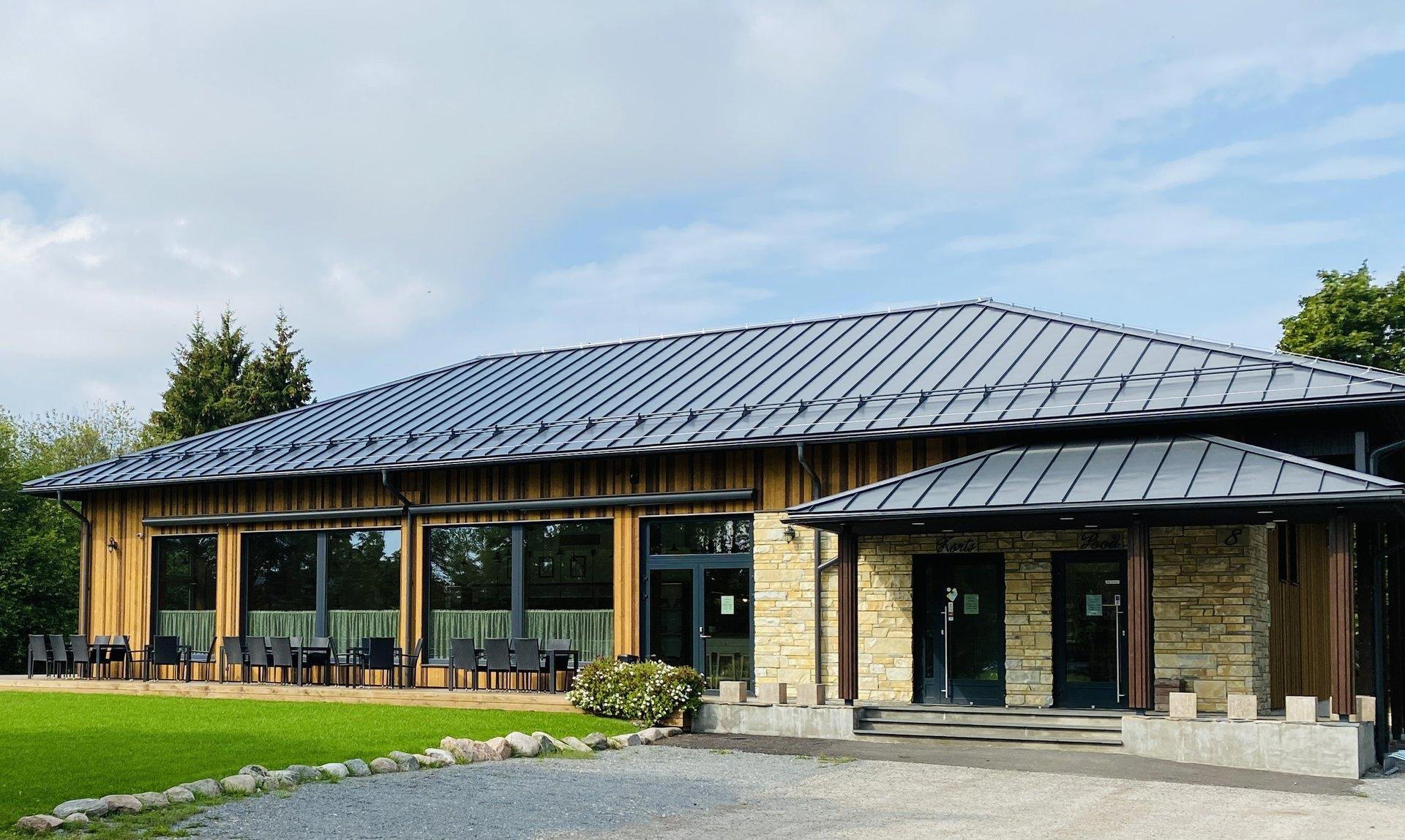
Karja tänav is a short, relatively quiet street in Haapsalu's town centre, within reasonable walking distance of the Episcopal Castle complex that anchors the old town. The physical environment of the town itself sets expectations: low-slung wooden architecture, a seafront promenade, and a pace that encourages sitting rather than rushing. The address at number 5 puts Kärme Küülik inside the core of that atmosphere, removed from the handful of busier tourist corridors near the castle but accessible on foot from anywhere in the centre.
For context on what small-town Estonian dining environments tend to look like at this scale, the closest comparisons are coastal venues that serve local regulars alongside visitors, where the room size is intimate and the kitchen is close. Think of how Wana Kala Kõrts in Neeme operates as a coastal fixture drawing both day-trippers and locals, or how KABE Beach in Kaberneeme anchors a specific community eating habit. Kärme Küülik sits in that broader category of places where the setting is as much of the proposition as the food.
How Haapsalu Compares to Estonia's Other Small-City Dining Scenes
Estonia's secondary cities each have a distinct dining character. Narva, in the far east, has its own Central European and Russian influences, visible in a place like Kohvik Kaar. Vihtra's Kuur operates in a rural register entirely. Rakvere has fast-casual spots like Burger Bros sitting alongside more traditional formats. Haapsalu, by contrast, skews toward a slower, older tourism model, one built around the spa history, the narrow-gauge railway nostalgia, and the artists and writers who have used the town as a retreat since the nineteenth century. That history attracts visitors who are already predisposed to eating thoughtfully and unhurriedly.
For comparison's sake, the ambition at the high end of Estonian fine dining, represented by venues like Atomix in New York City or the precision seafood work at Le Bernardin, operates in a completely different register. But the underlying principle, letting ingredient quality and provenance carry the plate rather than technique for its own sake, connects even the most modest coastal Estonian kitchen to that broader global conversation about sourcing. Haapsalu simply makes that argument with perch and rye rather than turbot and truffles.
Visitors planning a broader West Estonian trip can also consider Valgeranna Veinitall in Audru and Eva Sushi in Tartu to round out a picture of how Estonian eating varies across the country's western and central zones. For Haapsalu specifically, the full Haapsalu restaurants guide covers the current options in more detail.
Planning Your Visit
Haapsalu is most easily reached from Tallinn by road, a journey of approximately ninety minutes depending on traffic. The town sees its busiest period between June and August, when the White Lady Festival and summer tourism bring a noticeable increase in foot traffic. Visiting in shoulder season, May, September, gives access to the town's actual character without the summer crowds. Kärme Küülik's address on Karja tn 5 is central enough to combine with a walk through the old town or along the promenade. Given the absence of confirmed booking information in the public record, arriving with some flexibility or checking locally on current hours is advisable.
Frequently asked questions
Can I bring kids to Kärme Küülik?
Kärme Küülik sits on Karja tänav, a short and relatively quiet street in Haapsalu's town centre, which suggests a relaxed neighbourhood setting rather than a high-volume or formal one. That context makes it a reasonable option for families visiting the area around the Episcopal Castle complex.
What is the atmosphere like at Kärme Küülik?
The address, Karja tn 5 in Haapsalu's compact town centre, places the venue within the quieter, historic fabric of a Baltic spa town rather than a busy urban dining strip. Haapsalu as a whole operates at a slower tempo than Tallinn, and that character tends to carry into its restaurants. Beyond the street-level setting, the specific interior format and tone of Kärme Küülik are not documented in available detail.
Is Kärme Küülik worth visiting if you're passing through Haapsalu on a day trip from Tallinn?
Haapsalu is around ninety minutes from Tallinn by road, making it a practical day-trip destination. Kärme Küülik on Karja tänav sits close to the Episcopal Castle, which is the town's main draw, so a meal here fits naturally into a single-day itinerary without doubling back.
What should I order at Kärme Küülik?
West Estonian cooking in the Lääne maakond draws heavily on the Väinameri coast: fish from the shallow bay, foraged ingredients from the surrounding countryside, and dairy from local farms. Ask staff at the time of your visit for current recommendations.
Where is Kärme Küülik located?
Kärme Küülik is located at Karja tn 5, Haapsalu, 90502 Lääne maakond, Estonia, Haapsalu.
What's the best way to book Kärme Küülik?
Haapsalu is a small town where many venues accept walk-ins outside the peak summer season, though the busiest period, roughly June through August, warrants checking ahead. Arriving on Karja tänav directly or searching for updated contact details via Estonian dining platforms before your trip is the most reliable approach.
What's the defining dish or idea at Kärme Küülik?
The name itself offers a small clue: 'kärme küülik' translates from Estonian as 'swift rabbit,' suggesting either a signature ingredient or a particular ethos around speed and simplicity. West Estonian kitchens in the Lääne maakond region tend to anchor their menus in local land and coastal sourcing, so game and foraged produce are plausible points of focus. Specific menu documentation is not currently available.
A Quick Peer Check
Comparable venues nearby, for context on price, style, and recognition.
| Venue | Cuisine | Price | Awards | Notes |
|---|---|---|---|---|
| Kärme KüülikThis venue (the venue you are viewing) | Modern Estonian with Wood-Fired Grill | $30–50 | White Guide Baltic Restaurants - Very Fine Level | Not listed |
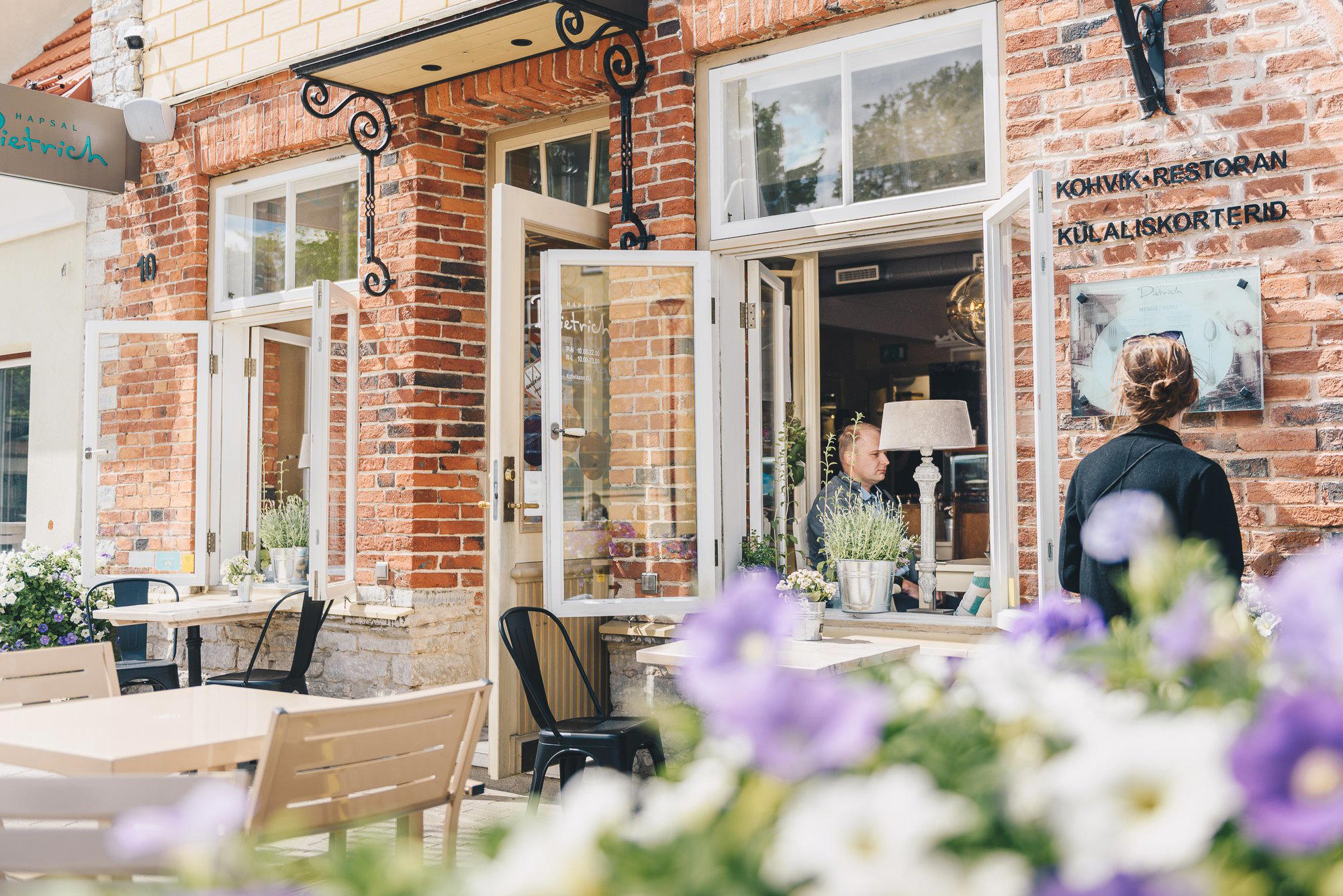
| Hapsal Dietrich | Historic European Café with Local Flavors | $20–30 | White Guide Baltic Restaurants - Fine Level | old town |
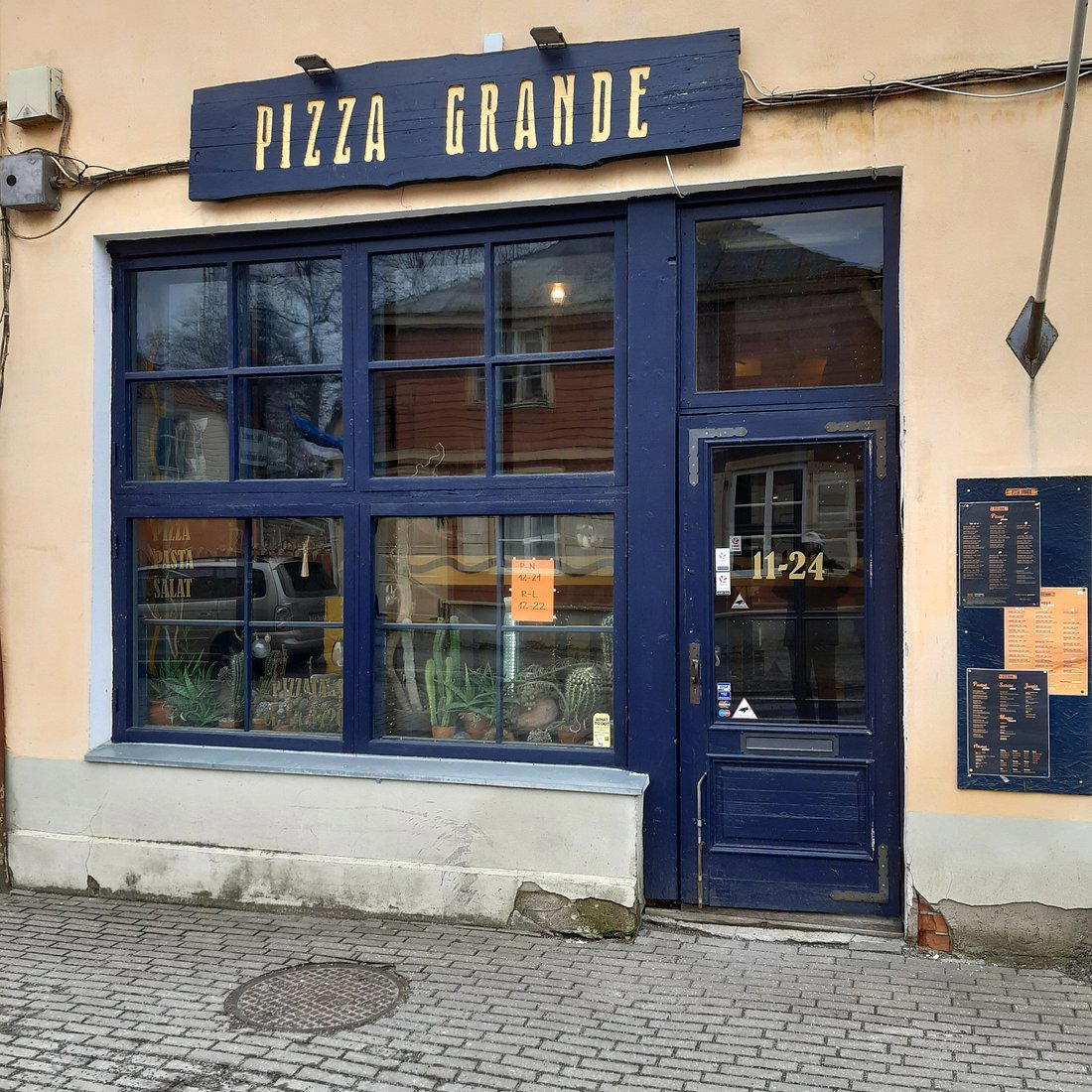
| Pizza Grande | Traditional Italian Pan Pizza | $10–20 | Not listed | Old Town Haapsalu |
| Rado Haapsalu | Modern Estonian Traditional | Not listed | Michelin Plate · Star Wine List | Haapsalu center |
| Kalana ÄÄR | Local Seafood with Mediterranean Influences | Not listed | Not listed | Kalana |
| ANNO Home Restaurant & Wine Corner | Creative Baltic Fine Dining | $50–100 | Star Wine List · White Guide Baltic Restaurants - Fine Level | Kesklinn (Old Town) |
Recognition history
Dated appearances from independent guides and award organizations, with the underlying list record or original source where available.
White Guide Baltic Restaurants - Very Fine Level
White Guide
Continue exploring
More in Haapsalu
Details
- Cozy
- Rustic
- Intimate
- Elegant
- Date Night
- Group Dining
- Family
- Celebration
- Special Occasion
- Open Kitchen
- Terrace
- Historic Building
- Private Dining
- Extensive Wine List
- Beer Program
- Farm To Table
- Local Sourcing
- Street Scene
- A La Carte
- Buffet
- Wine
- Craft Beer
- Vegetarian Friendly
- Vegan Options
- Gluten Free Options
- Allergy Accommodating
Current opening hours
- Monday
- Closed
- Tuesday
- Closed
- Wednesday
- Closed
- Thursday
- Closed
- Friday
- 5–11 PM
- Saturday
- 12–11 PM
- Sunday
- Closed
Hours can change for holidays and private events. Hours as of .
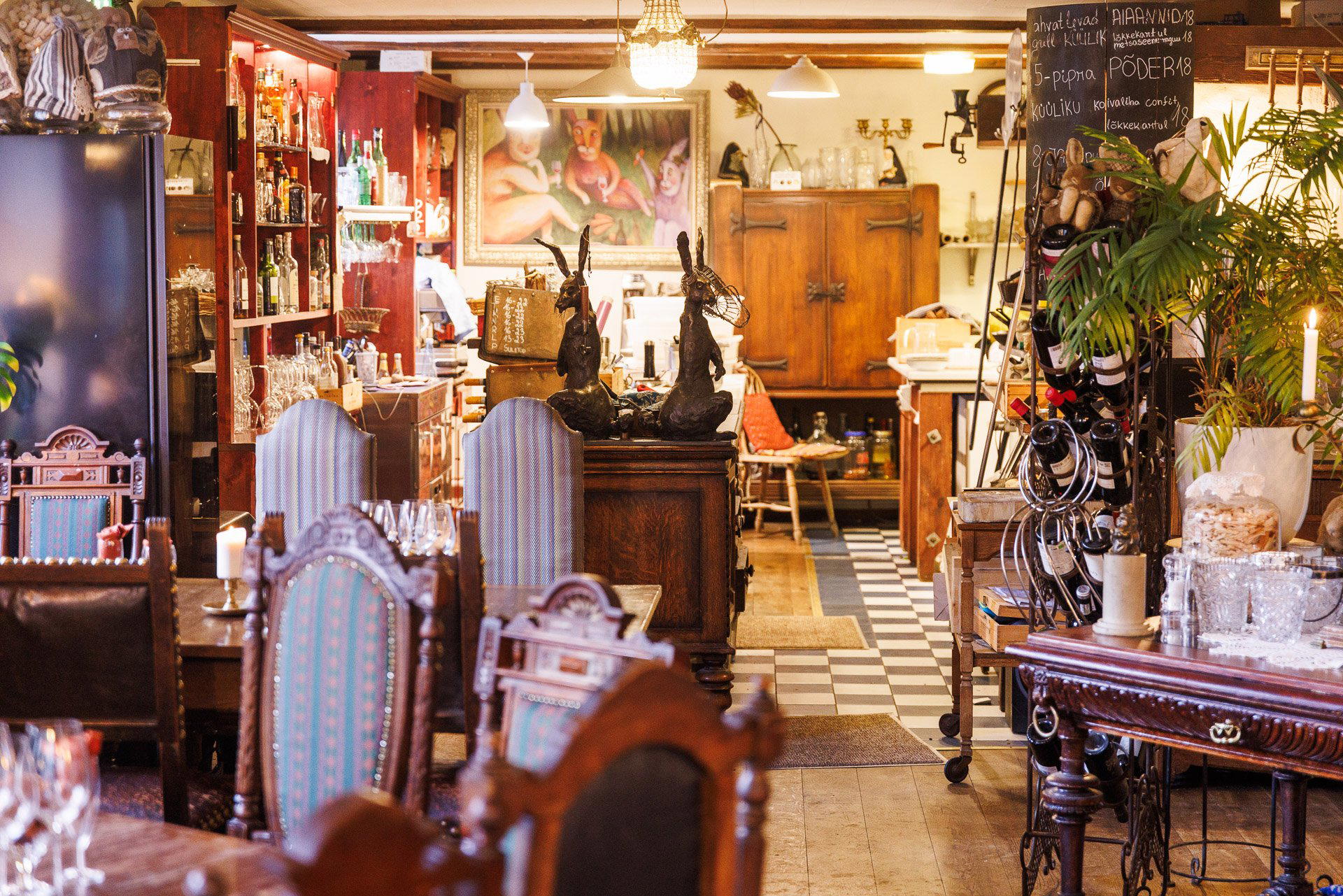
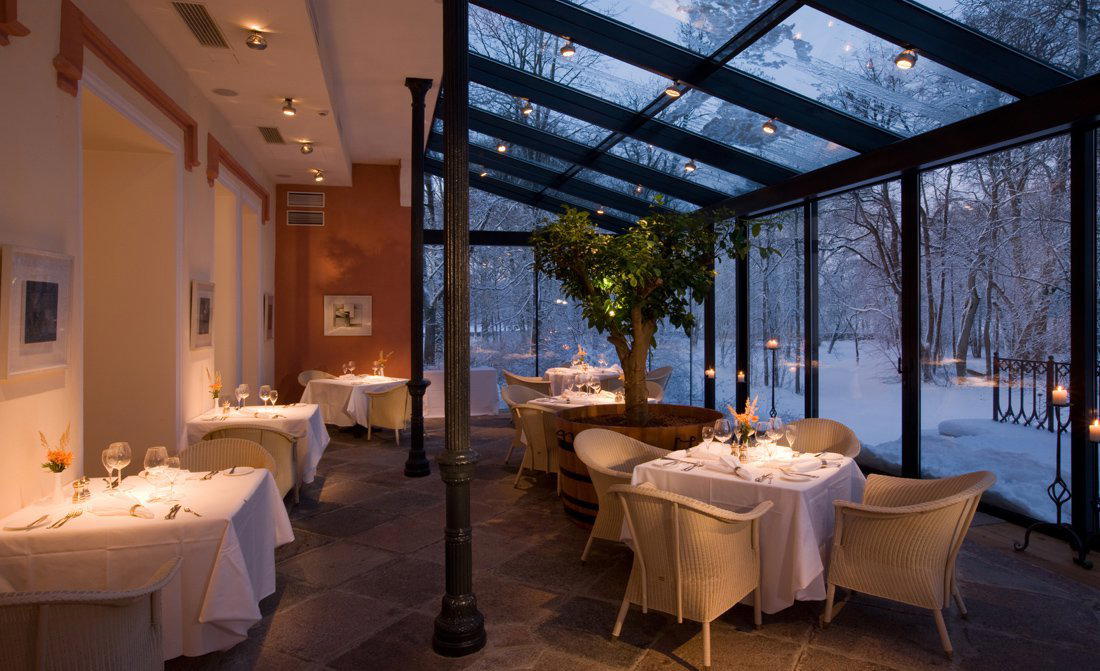
Warm, inviting interior with handicraft decor and cozy but spacious layout; candlelit tables create an intimate yet relaxed atmosphere