
Michelin Plate
Our verdict
A remote farmstead restaurant in southeastern Estonia where three sisters divide the labour of cooking, service, and kitchen garden to produce a set menu that reads as a direct map of the surrounding land. The Michelin Plate recognition in 2024 signals its place among Estonia's most considered rural dining addresses. At €€€€ pricing, it belongs in the same conversation as the country's destination-worthy restaurant circuit.

Pearl is the En Primeur Club membership app, where members save venues, book tables and use the concierge.
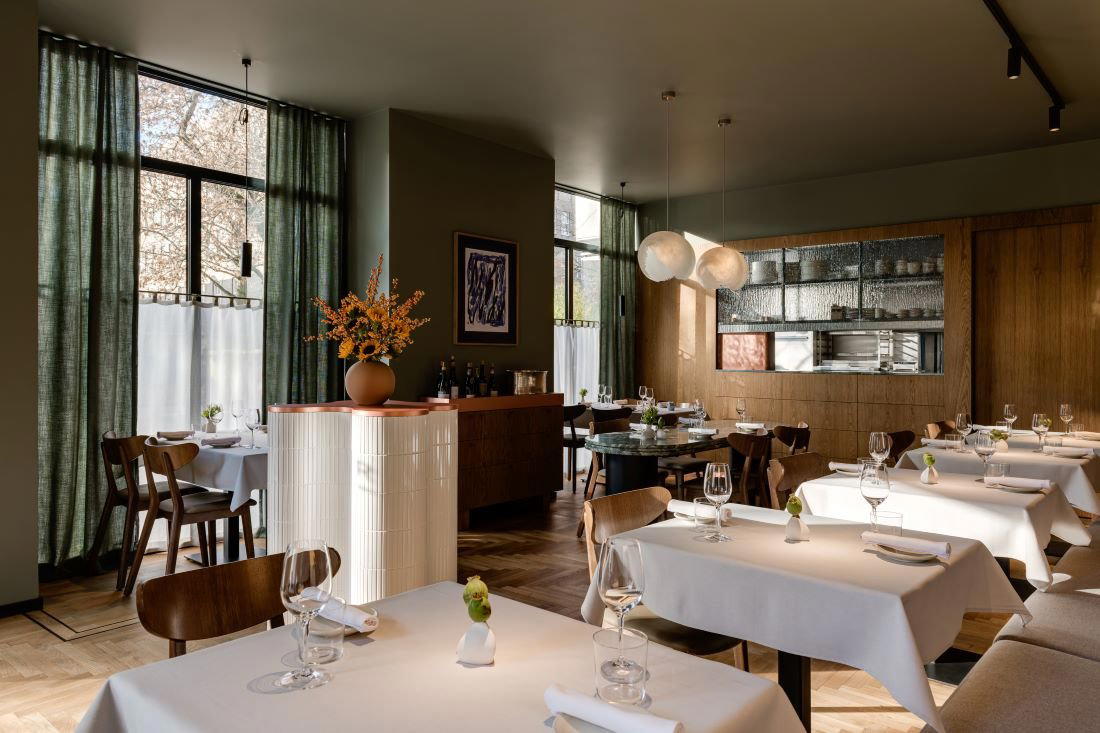
Where the Food Starts Before the Kitchen
The road into Lüllemäe offers few landmarks and fewer signposts pointing toward anything that would register on a conventional fine-dining map. Valga county, in Estonia's southern interior, is farming country, flat, forested, and oriented around the rhythms of harvest rather than restaurant reservation systems. That context is not incidental to understanding Kolm Sõsarat. It is the whole point. The restaurant sits within this agricultural environment not as a destination imported into a rural setting, but as something that grew directly out of it.
Approaching the property, the kitchen garden is visible before the dining room. That sequencing matters. The garden, tended by one of the three sisters who collectively run the operation, is not decorative backdrop. It is the first stage of the kitchen supply chain, and the menu does not pretend otherwise.
A Kitchen Supplied by the Ground Immediately Around It
Estonia has produced a small but coherent wave of ingredient-led restaurants over the past decade, with venues like Hiis in Manniva and SOO in Maidla demonstrating that proximity to source and culinary ambition are not in tension. Kolm Sõsarat sits inside that same tradition, and arguably extends it further into the rural interior than most comparable addresses in the country.
The set menu is constructed as a showcase of the surrounding area. Dishes like the country-style mushroom, potato, and sauerkraut are not exercises in rustic nostalgia, they are precise expressions of what the land and the farm produce at a given moment. Fermentation, root vegetables, foraged fungi: these are not trend signals here but functional responses to the Estonian growing season and preservation tradition. The menu shifts with what the garden and farm can provide, which makes the €€€€ price tier a function of labour and sourcing integrity rather than luxury positioning.
The honey served in desserts comes from hives that the sisters' father has kept for years. That intergenerational provenance is worth noting not as a sentimental detail but as a sourcing credential: the product's consistency, quality, and origin are traceable. A dessert built on honey, apple, and milk with sea buckthorn draws on ingredients that are either grown or kept on the property or sourced from the immediate region. Sea buckthorn, common across Baltic coastal and rural landscapes in late summer and autumn, carries an acidity that functions as a structural counterpoint rather than a garnish. This is produce being used technically, not decoratively.
The Structure Behind the Simplicity
Three-person operations at €€€€ pricing in remote locations are rare in any country. In Estonia, they occupy a specific position in the dining tier: the cooking is done at a level that requires professional discipline, but the format refuses the markers of formal fine dining. There is no brigade, no sommelier team, no mise en scène borrowed from urban tasting-menu conventions. Instead, the labour is divided with unusual clarity: one sister cooks, one manages service, one works the garden. The result is a restaurant with a very short chain between land and plate.
The Michelin Plate recognition awarded in 2024 places Kolm Sõsarat in the Michelin ecosystem without yet carrying star status. Among the Estonian addresses that have drawn Michelin attention, the range runs from 180° by Matthias Diether in Tallinn, which holds two stars, to smaller rural properties now receiving Plate-level recognition. Kolm Sõsarat belongs to the latter group, and the recognition is meaningful precisely because it arrives in a location and format that does not fit the usual Michelin template.
For comparison, Alexander in Pädaste represents the island-destination model of Estonian fine dining, while Fellin in Viljandi operates in the more accessible traditional cuisine bracket at a lower price tier. Kolm Sõsarat is neither of those things. It is a farmstead restaurant at destination pricing, and the distance required to reach it is part of the contract with the guest.
Other Estonian addresses working at the intersection of rural setting and serious kitchen include Mere 38 in Võsu, Lahepere Villa in Kloogaranna, Wicca in Laulasmaa, and Rado Haapsalu in Haapsalu. For a broader view of what the Estonian rural dining circuit looks like, the full Lüllemäe restaurants guide maps this area's options in detail.
Planning the Visit
Lüllemäe is not a place you arrive in by accident. The village sits in Valga county near the Latvian border, deep in a part of Estonia that sees relatively little international tourist traffic. Getting there requires a car; public transport connections are limited and the surrounding roads are rural. That physical commitment shapes who comes and how they approach the meal. At €€€€ pricing, this is not a casual stop, it is the purpose of the trip, and most visitors will build a night or two around it.
Booking is essential and should be made well in advance given the small-scale operation and the kitchen garden's production rhythms, which affect what the menu can actually offer on a given date. The restaurant does not publish a phone number or website in widely circulated form, which reflects both its remote character and the deliberately low-volume approach. Direct contact through local tourism channels or accommodation providers in the Valga region is the practical route in.
For those extending the stay in the region, the Lüllemäe hotels guide, bars guide, wineries guide, and experiences guide cover what the surrounding area offers beyond the restaurant itself.
For those tracking the broader European conversation about farmstead-sourced fine dining, the tradition runs through properties like Maison Lameloise in Chagny and reaches urban expressions at the level of Frantzén in Stockholm or FZN by Björn Frantzén in Dubai. Kolm Sõsarat operates at neither the scale nor the international profile of those addresses, but the sourcing logic it applies is structurally consistent with what those kitchens profess at much greater cost and complexity. The difference is that here, the garden is twenty metres from the table.
Also worth reading: the fuller context around Hõlm in Tartu, which represents another node in Estonia's ingredient-focused restaurant circuit and offers a useful point of comparison for those building a multi-stop itinerary through the country's rural south.
Frequently asked questions
What price level is Kolm Sõsarat?
Pricing at Kolm Sõsarat is listed as €€€€.
How do I find Kolm Sõsarat?
Kolm Sõsarat is located at Lüllemäe, 68116 Valga maakond, Estonia, Lüllemäe.
Side-by-Side Snapshot
| Venue | Cuisine | Price | Awards | Notes |
|---|---|---|---|---|
| Kolm SõsaratThis venue (the venue you are viewing) | Modern Estonian Cuisine | $50–100 | Michelin Plate | Not listed |
| NOA | Modern European, Modern Cuisine | Not listed | Not listed | Not listed |
| 180° by Matthias Diether | Modern Creative Fine Dining | $300–500 | 2 Michelin Stars · La Liste Top Restaurants | Estonian Fusion |
| NOA Chef’s Hall | Modern European Fine Dining | $150–200 | 1 Michelin Star · La Liste Top Restaurants | Creative |
| Alexander | Modern Cuisine | Not listed | Not listed | Not listed |
| Fellin | European Café-Bistro | Not listed | Michelin Bib Gourmand · White Guide Baltic Restaurants - Fine Level | Traditional Cuisine |
Recognition history
Dated appearances from independent guides and award organizations, with the underlying list record or original source where available.
Michelin Plate
Michelin
Full recognition history (3 entries)
Michelin Plate
Michelin
Michelin Plate
Michelin
Continue exploring
More in Lüllemäe
Restaurants in Lüllemäe
All restaurants in Lüllemäe →
Details
- Cozy
- Intimate
- Rustic
- Elegant
- Special Occasion
- Standalone
- Local Sourcing
- Organic
- Farm To Table
- Set Menu
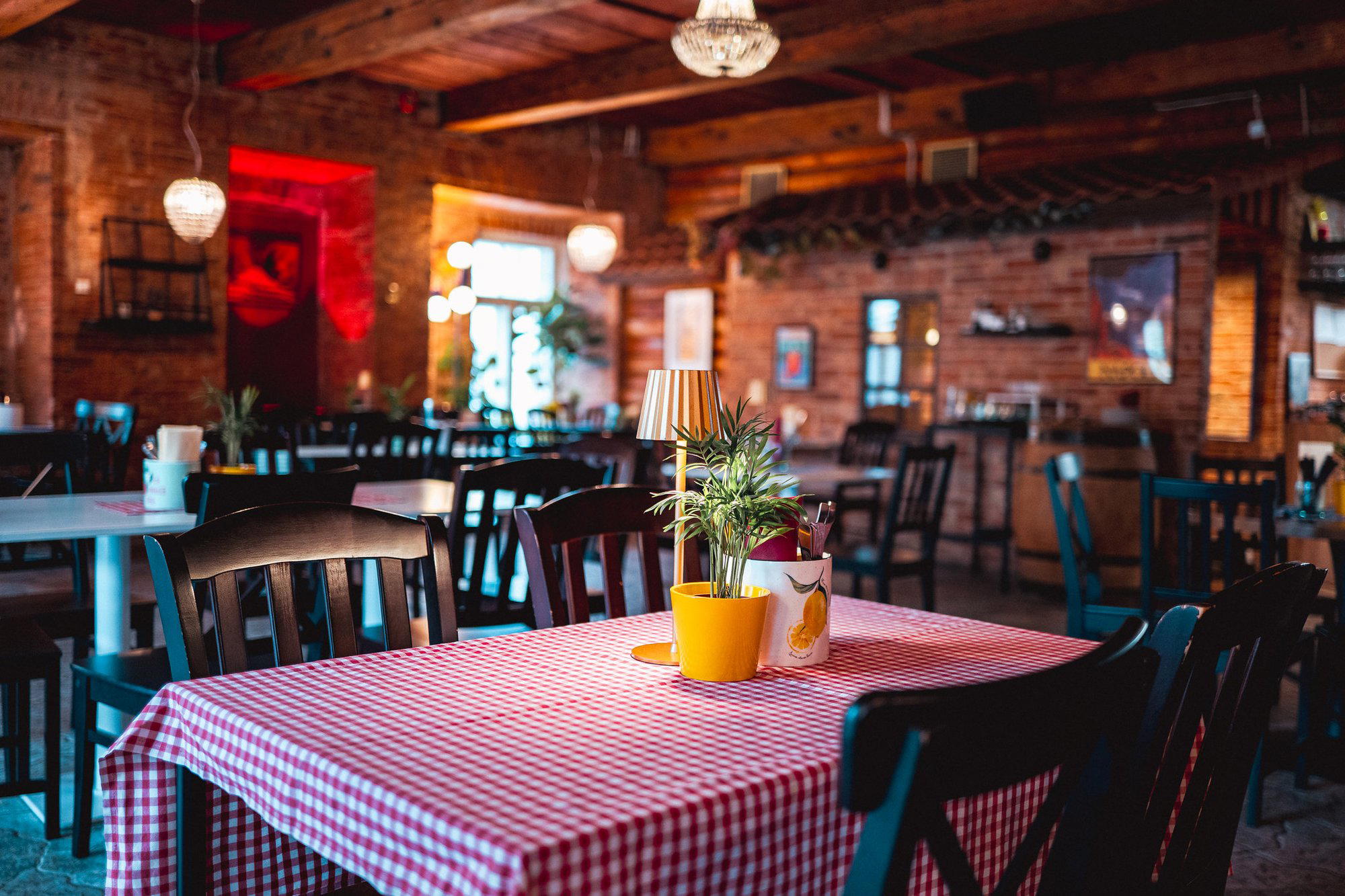
Cozy living room setting in a 100-year-old yellow wooden house with heartfelt hospitality and warm personal attention.