Our verdict
On Rüütli tänav, Pärnu's main pedestrian artery, Everest brings Thai and Nepalese cooking to a city whose restaurant scene runs heavily toward Estonian and Scandinavian-inflected menus. In a coastal town where sourcing drives most editorial conversations, this kitchen draws on a culinary tradition rooted in spice routes and high-altitude staples, a contrast that earns it a place in any considered Pärnu itinerary.

Pearl is the En Primeur Club membership app, where members save venues, book tables and use the concierge.
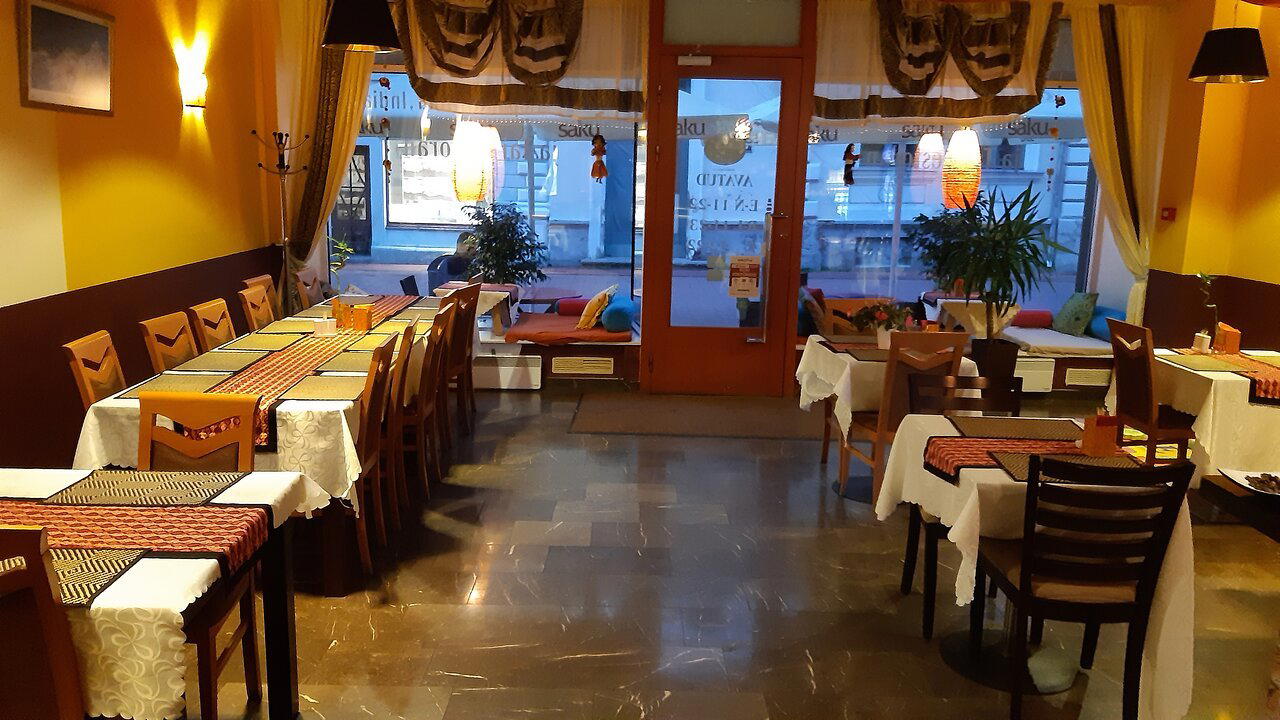
Where Himalayan and Southeast Asian sourcing traditions meet the Baltic coast
Rüütli tänav runs through Pärnu like a slow exhale, broad, tree-lined in stretches, and lined with the kind of low-rise architecture that reminds you this is Estonia's summer capital rather than a year-round city scrambling for relevance. Most of the restaurants along this corridor and its side streets pull from the same general repertoire: Baltic fish, local game, rye bread, Estonian dairy. Everest Thai/Nepalese Restaurant, at number 39, operates from an entirely different pantry. The cuisines it draws on, Thai and Nepalese, are built around sourcing logics that have almost nothing in common with the North European food tradition that defines most of what surrounds it.
That contrast is worth sitting with, because it shapes everything about why a restaurant like this exists in a city like Pärnu, and what it represents within the broader Estonian dining picture. Pärnu draws significant summer tourism, and with it comes demand for dining variety that the local year-round population alone could not sustain. Across Estonian coastal and resort towns, you find this pattern repeatedly: a strong indigenous food culture punctuated by restaurants serving cuisines that arrived with mobility, trade, or migration. Everest fits that pattern, but the specific cuisines it combines, Thai and Nepalese, place it in a narrow category even by that standard. In Tallinn, kitchens like 180° by Matthias Diether represent the high-modernist end of Estonian dining; Everest occupies a completely different register, one defined by spice-forward sourcing traditions from two distinct Asian culinary geographies.
Two sourcing traditions, one kitchen
Thai and Nepalese cuisines share some structural overlaps, both use galangal, lemongrass, and chilli in various forms, and both rely heavily on fresh aromatics as a base layer, but their sourcing identities diverge sharply. Thai cooking is a coastal and riverine cuisine in significant parts: fish sauce, tamarind, and coconut milk reflect proximity to the Gulf of Thailand and the South China Sea. Nepalese cooking, particularly from the hill and mountain regions, draws on a different elevation: lentils, mustard oil, fermented pickles, and warming spice blends that function as caloric and thermal insulation at altitude. Presenting both cuisines under one roof requires either a very broad pantry or a disciplined selection from each tradition's core ingredients.
In Estonia, the supply chain for either cuisine is non-trivial. Imported aromatics, spice pastes, and dry goods must come through distribution networks that serve a comparatively small market. This is where restaurants operating in this category across smaller European cities often distinguish themselves, not through ingredient luxury, but through consistency and fidelity to the sourcing baseline that makes these dishes recognisable. The question any informed diner should bring to a Thai-Nepalese kitchen in the Baltic is whether the foundational flavour architecture holds: fish sauce with sufficient fermented depth, spice blends with the right toasted character, lentils cooked to the correct yielding texture without collapsing into mush.
Estonia's broader food geography offers some useful context. Restaurants like Hiis in Manniva and Alexander in Pädaste have built reputations on hyperlocal Estonian sourcing, making the country's indigenous ingredients the editorial centrepiece. SOO in Maidla and Mere 38 in Võsu work similar terrain along the coastal register. Everest is doing something structurally opposite: it is importing a sourcing tradition rather than amplifying a local one, which is a legitimate and often underappreciated mode of restaurant operation in smaller European cities where culinary diversity depends on it.
Pärnu's dining range and where Everest sits within it
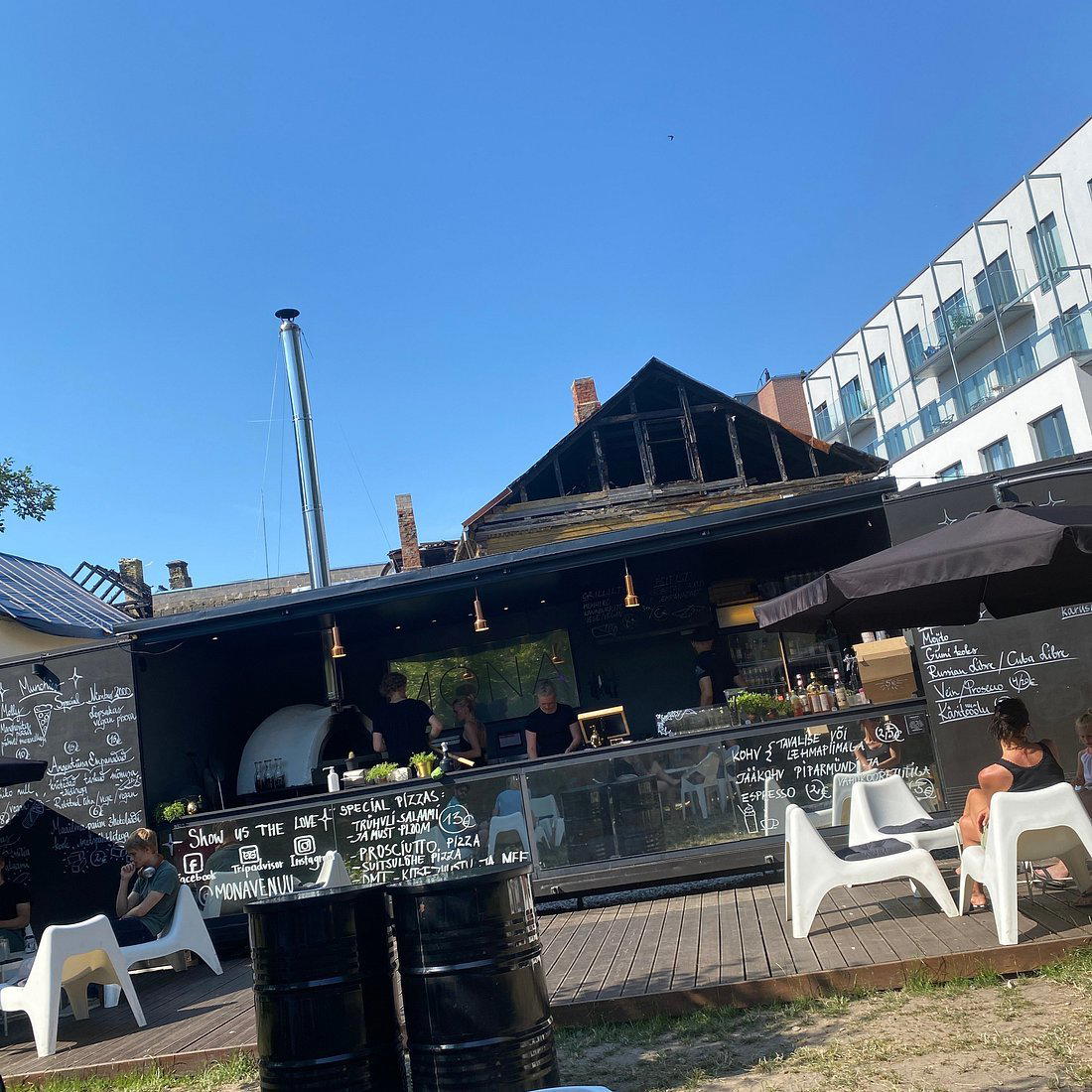
Pärnu's restaurant scene is denser with options than its off-season population might suggest. The city's summer influx drives a market that supports a reasonable spread of formats and cuisines. Among the local reference points, Kastrul and Kaks Pulka represent the Estonian-leaning end of the spectrum, while Mon Ami, Mona Venüü, and Pastoraat occupy other points across the format and cuisine range. Everest sits outside all of these competitive sets, its closest peer restaurants are not in Pärnu at all, but in other Estonian cities where Asian dining has gained a longer foothold. For a full picture of what the city offers, our full Pärnu restaurants guide maps the range more completely.
The position Everest occupies in Pärnu is one that exists in many European resort towns: the restaurant that serves as the primary, sometimes only, representative of a cuisine category in a given postcode. This is not a diminishing status. In cities like Viljandi or Haapsalu, restaurants that bring non-European culinary traditions to a local market play a specific function in the dining ecology: they absorb demand that would otherwise go unmet, and over time they build a local audience with higher baseline familiarity with those cuisines. Everest's location on Rüütli tänav, the city's most trafficked pedestrian street, suggests it has found a viable position within that function.
For diners arriving from Tallinn or further afield, the practical consideration is direct: Pärnu is roughly two hours from the capital by road or bus, and Rüütli tänav is within easy walking distance of most central accommodation. Whether Everest warrants a destination visit in isolation is a harder case to make than for restaurants at the precision-sourcing end of Estonian dining, such as Lahepere Villa in Kloogaranna or Wicca in Laulasmaa. But for anyone spending time in Pärnu and wanting a break from the Baltic food canon, it fills a gap that no other address in the city currently covers. That is a form of editorial usefulness that should not be underestimated, particularly when the alternatives for spice-driven, South or Southeast Asian cooking require returning to Tallinn.
Comparable urban patterns appear in far larger markets, Le Bernardin in New York City and Lazy Bear in San Francisco operate at the opposite end of the format and recognition spectrum, but the underlying principle of a restaurant carving out a defensible niche within a defined culinary geography applies at every scale. In Pärnu, that niche is Thai and Nepalese, and Everest holds it.
Planning your visit
Everest Thai/Nepalese Restaurant is at Rüütli tänav 39, in the pedestrian centre of Pärnu. Given the city's strong seasonal character, visiting during the summer months means the street is at its most active and restaurant capacity across the city is under the most pressure. Arriving with a reservation or early in the evening service is advisable during peak summer weeks. No booking contact details are currently available in public records, so checking for current opening hours and reservation options directly at the address or via local discovery platforms is the practical approach. For those building a wider Estonian itinerary, Joyce in Tartu and the Tallinn addresses offer useful counterpoints if you are moving across the country rather than basing in Pärnu alone.
Frequently asked questions
Can I bring kids to Everest Thai/Nepalese Restaurant?
Thai and Nepalese menus naturally include mild, rice-based dishes and lentil preparations that work well for younger diners. At Rüütli tänav 39, the pedestrian-centre setting keeps the pace unhurried, which helps with families. Ask staff to flag heat levels on individual dishes before ordering.
How would you describe the vibe at Everest Thai/Nepalese Restaurant?
Rüütli tänav runs through the pedestrian core of Pärnu, and the street operates at a slower register than a capital-city dining strip. Everest sits within that rhythm: a neighbourhood address serving two distinct Asian cooking traditions in a city where most dining defaults to Estonian and Scandinavian-inflected menus. The contrast alone sets a particular tone.
Is Everest Thai/Nepalese Restaurant the only place in Pärnu serving both Thai and Nepalese food together?
That makes Rüütli tänav 39 the single address in the city where you can order from both culinary traditions, Himalayan dal and momo alongside Thai aromatics, in a single sitting. For a city of Pärnu's size, that dual focus is an unusual editorial fact rather than a marketing claim.
What do regulars order at Everest Thai/Nepalese Restaurant?
Focus on the structural foundations of whichever cuisine draws you in. Thai cooking at this type of venue is anchored in fish sauce, fresh aromatics like lemongrass and galangal, and calibrated heat. Nepalese menus typically centre on dal bhat, momos, and slow-cooked curry preparations. Both cuisines share chilli and aromatic overlap, so cross-ordering across the two sides of the menu is worth exploring.
Where exactly is Everest Thai/Nepalese Restaurant?
Everest Thai/Nepalese Restaurant is located at Rüütli tänav 39, Pärnu, 80011 Pärnu maakond, Estonia, Parnu.
Should I book Everest Thai/Nepalese Restaurant in advance?
Pärnu's summer population swells sharply between June and August, and restaurants along Rüütli tänav fill faster during that window than the city's off-season pace would suggest. No formal online booking system is publicly documented for Everest, so contacting the restaurant directly before peak-season visits is the sensible approach. Outside summer, walk-in availability is generally more open.
What has Everest Thai/Nepalese Restaurant built its reputation on?
In Pärnu, where the restaurant offer is dominated by Estonian and Scandinavian-inflected cooking, Everest has positioned itself as the primary address for both Thai and Nepalese cuisine. Holding two distinct Asian culinary traditions under one roof in a mid-sized Baltic coastal city is an unusual commitment, and it is that specificity, rather than awards or critical accolades, that drives its local standing.
Comparison Snapshot
Comparable venues nearby, for context on price, style, and recognition.
| Venue | Cuisine | Price | Awards | Notes |
|---|---|---|---|---|
| Everest Thai/Nepalese RestaurantThis venue (the venue you are viewing) | Thai/Nepalese | $10–20 | Not listed | Not listed |
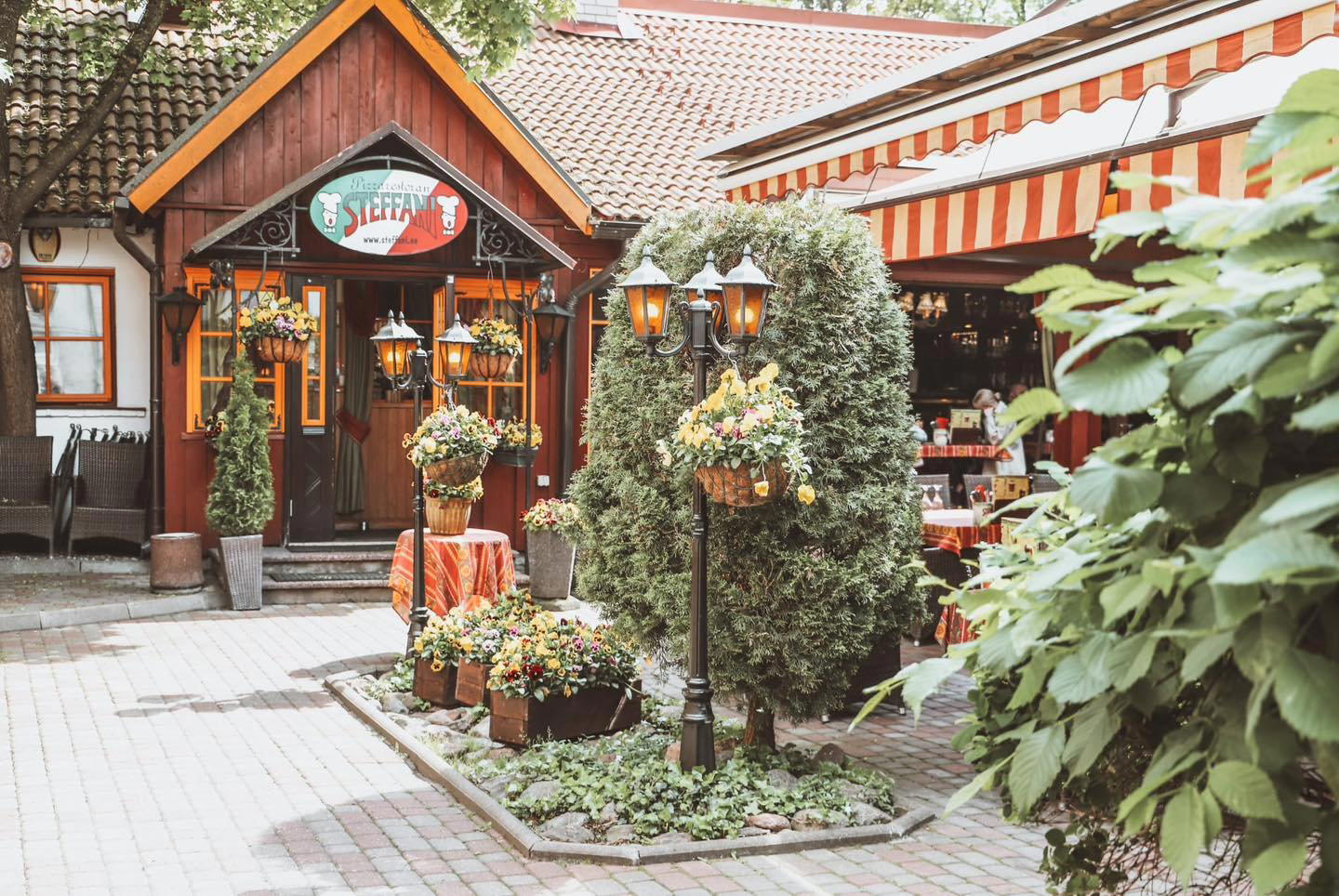
| Steffani | Italian Pizza Restaurant | $10–20 | Not listed | Kesklinn |
| Supelsaksad | European Café | Not listed | White Guide Baltic Restaurants - Fine Level | Old Town |
| Raimond | Modern Nordic Fine Dining | $50–100 | White Guide Baltic Restaurants - Very Fine Level | Pärnu Beach |
| Mona Venüü | Wood-fired Pizza & Street Food | $10–20 | Not listed | Not listed |
| Rööm | Italian, European, Scandinavian | $20–30 | Not listed | Pärnu kesklinna südames |
Continue exploring
More in Parnu
Restaurants in Parnu
All restaurants in Parnu →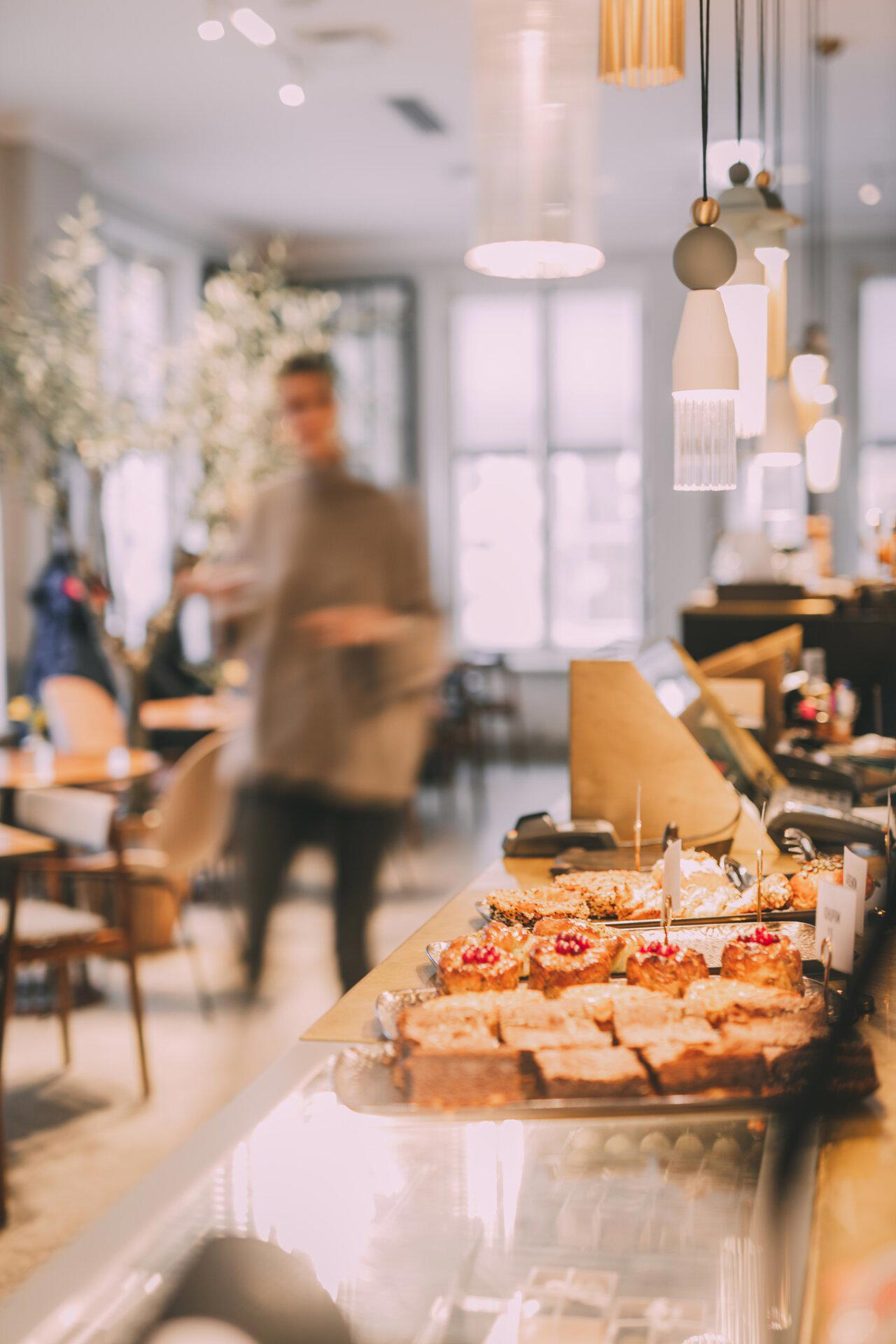
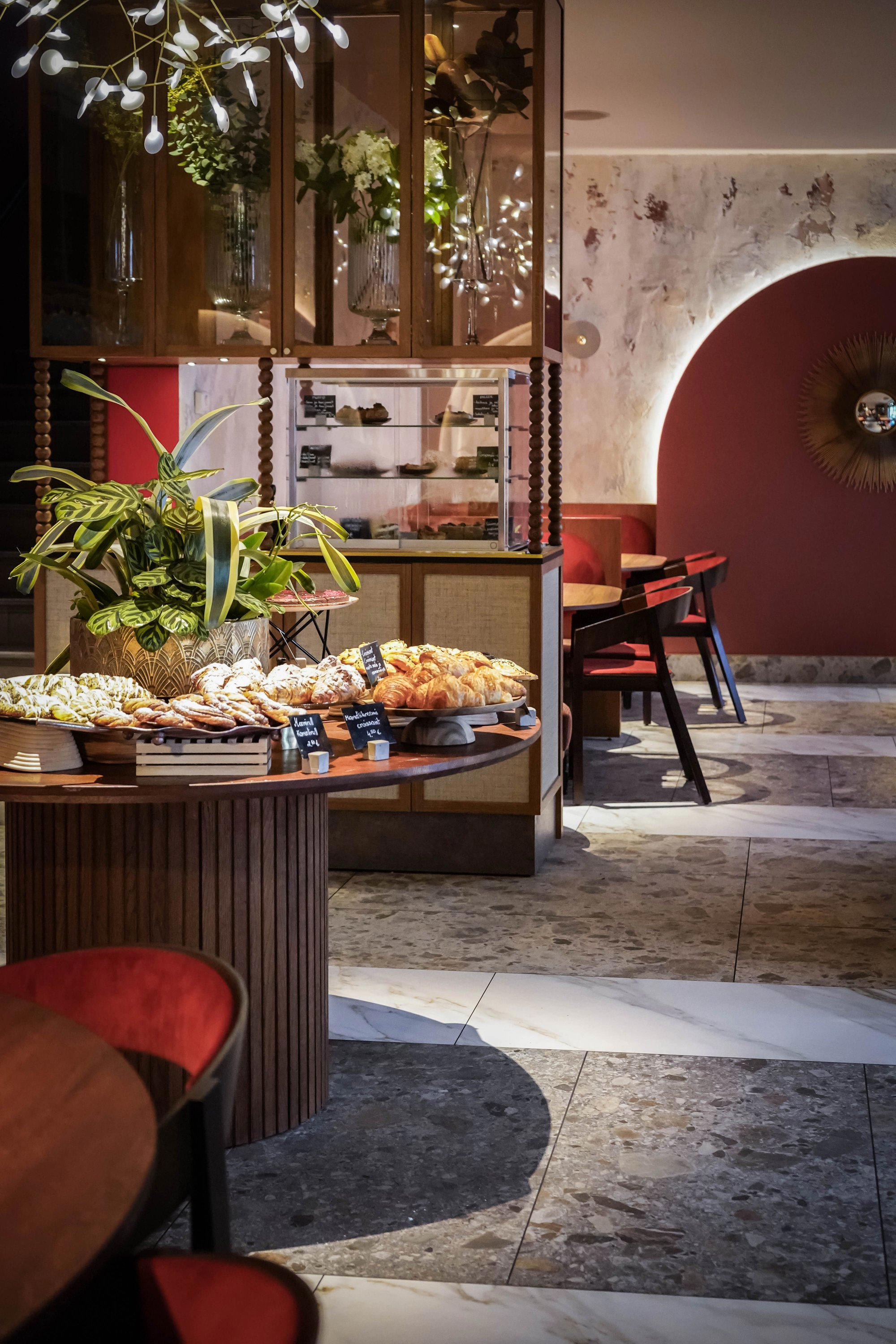
Hotels in Parnu
All hotels in Parnu →
Details
- Cozy
- Casual Hangout
- Family
- Terrace
- A La Carte
- Vegetarian Friendly
- Vegan Options
Current opening hours
- Monday
- 11 AM–9 PM
- Tuesday
- Closed
- Wednesday
- 11 AM–9 PM
- Thursday
- 11 AM–9 PM
- Friday
- 11 AM–10 PM
- Saturday
- 11 AM–10 PM
- Sunday
- 12–9 PM
Hours can change for holidays and private events. Hours as of .
Cozy and peaceful atmosphere with friendly service and wall decorations creating an inviting dining space.